
Wispy Pixie Cut: Soft Layers, Honest Upkeep, Real Cost

A wispy pixie cut gives you soft, piecey texture in a short shape that still grows out with grace. The ends stay feathered, not blunt. The sides stay tapered, not shaved bare. That mix reads light, airy, and easy. It suits women who want short hair without a hard edge.
This guide covers the full picture. You will learn what makes the cut wispy, who it flatters, and what to say in the chair. You will also see the styling routine, the upkeep calendar, and the real cost. No hype, no vague promises.
Short hair shows every choice. A sharp line looks sharp. A soft line looks soft. This cut bets on the soft line, and this guide shows how to keep it paying off. Bring this guide to your appointment.
What A Wispy Pixie Cut Is
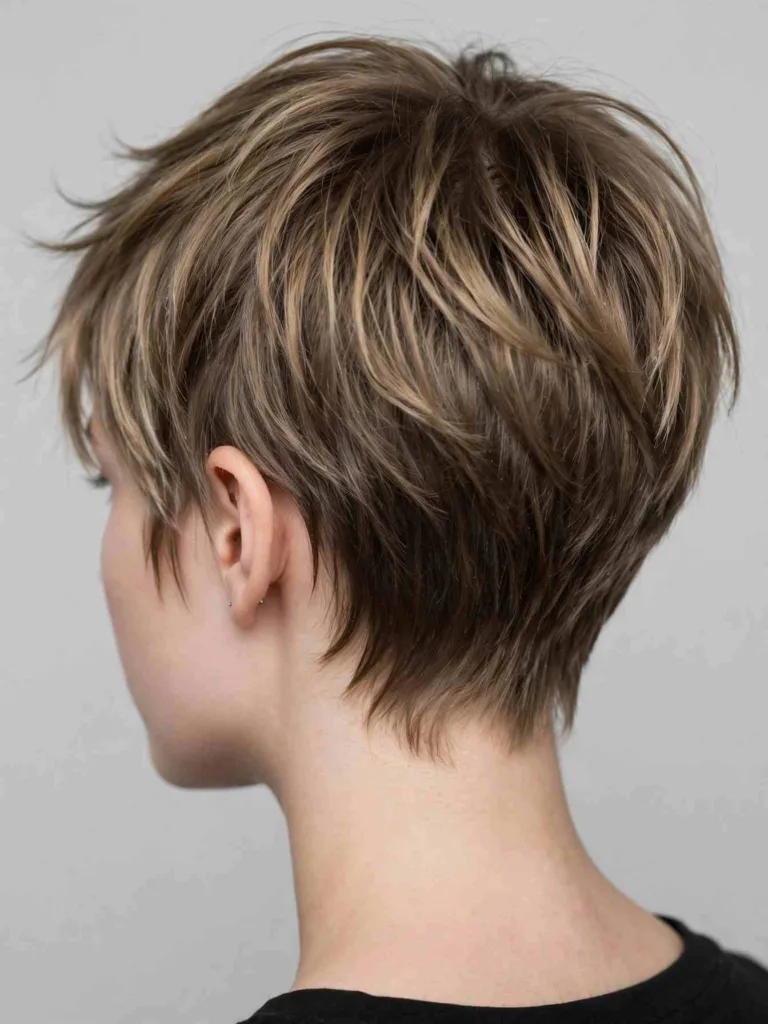
A wispy pixie cut is a short haircut with feathered ends and soft tapered sides.
That single sentence carries the whole cut. This shape sits at the soft end of feminine pixie cuts. “Wispy” describes the ends. Your stylist thins the tips so they taper to fine points instead of ending in a blunt line. “Pixie” describes the shape. The top stays longest, the sides hug close, and the nape fades clean at the neck.
The top often measures two to four inches. That length leaves room for piecey movement. As a short pixie haircut, it shows the ears and neck. Shorter tops read sporty. Longer tops read soft and feminine. Your stylist picks the length with your hair type in mind.
The sides taper near the ear. They do not need a razor-shaved finish. A scissor taper keeps the edge soft and grows out with less drama. The nape follows the same rule. It sits close, but it keeps a soft edge.
Celebrity hairstylist Danielle Priano coined the Whisper Pixie. She describes the method as scissors plus razor work that leaves soft layers with wispy ends. Her version frames the face with a light touch. That same idea sits at the heart of this style.
| Feature | Wispy Pixie | Blunt Pixie | Bob |
|---|---|---|---|
| Length | Top two to four inches | Top one to three inches | Chin to collarbone |
| Ends | Feathered and piece-y | Clean and sharp | Full or blunt |
| Sides | Soft taper | Close clipper cut | Falls past the ear |
| Upkeep | Trim every four to six weeks | Trim every three to five weeks | Trim every six to ten weeks |
| Grow-Out | Soft, with light layering | Shows a hard line fast | Grows into a lob |
The table shows why the wispy version earns its fans. It trades a hard edge for a soft one. That trade makes the grow-out kinder, too.
Is A Wispy Pixie Cut Right For You?
This cut fits more hair types than most short cuts do. The secret sits in the cutting method. Your stylist adjusts the texture work to your hair, not the other way around.
Fine hair gains the most. A pixie cut for fine hair needs light products and a lifted crown. The feathered ends remove bulk without removing body. The top keeps enough length to lift at the roots. A texturizing spray adds grip on flat days. Skip heavy creams. They press fine hair flat by noon.
Thick hair needs a different plan. Your stylist removes weight inside the shape with thinning shears. That step stops the cut from puffing wide. The outside stays soft and piece-y. Ask for interior weight removal, not surface shredding.
Wavy hair wears this cut with charm. The waves break up the ends and add movement for free. Your stylist may cut wavy hair dry to see how each wave falls. Wet cuts can surprise wavy wearers. Dry cuts show the true length.
Curly hair can work, too. The cut needs a stylist who knows curls. Ask for a curl-by-curl approach on the top. Keep the sides soft, not shaved tight. Tight sides plus a curly top can turn boxy. A gradual taper keeps the shape round and soft.
Cowlicks need a mention at the consult. A cowlick at the hairline can lift the fringe in odd ways. A cowlick at the crown can split the top open. Your stylist can leave extra length near each cowlick. That weight tames the lift.
Face shape plays a smaller role than most guides claim. A side-swept fringe draws the eye across the cheekbones. A longer top adds height above the forehead. A soft nape keeps the back clean. Treat these as effects to play with, not rules to obey.
Lifestyle matters more than face shape. This cut needs a trim every four to six weeks. It needs five minutes of styling most days. It needs a stylist you trust. If that rhythm fits your life, the cut will fit your hair.

How To Ask Your Stylist For A Wispy Pixie Cut
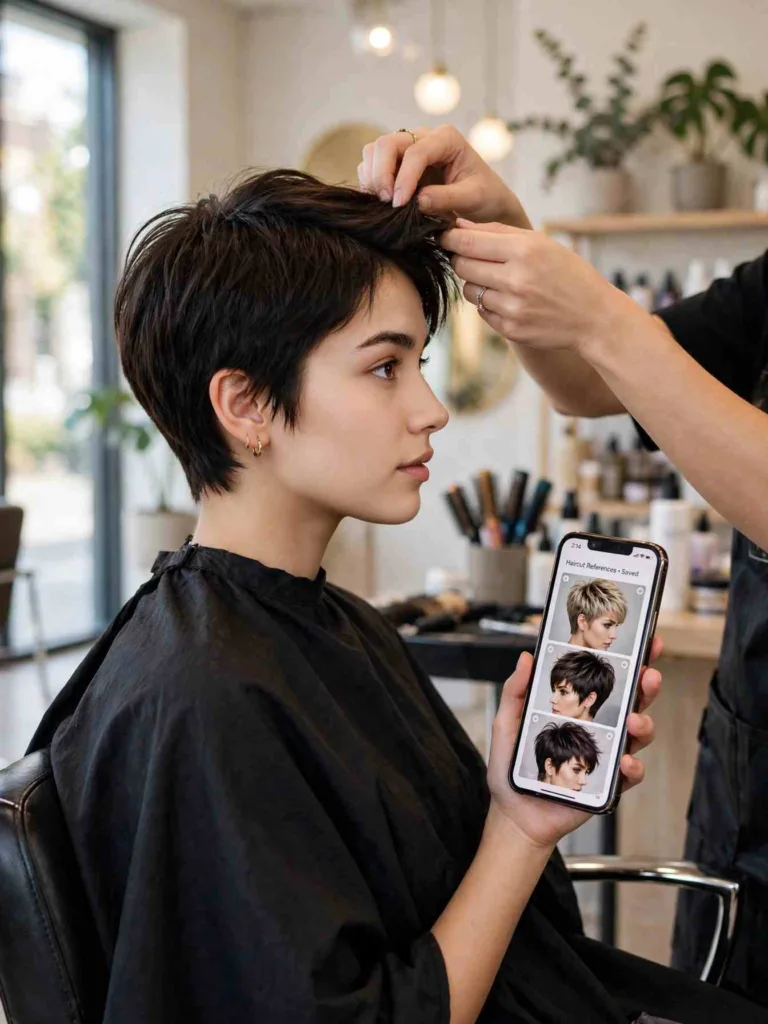
The consult decides the result. Clear words plus good photos beat a long speech. Bring three photos. One shows the shape. One shows the fringe. One shows the finish. Pick photos of hair with a texture close to yours.
Use these phrases in the chair. Each one tells your stylist a precise thing.
- “Feathered ends” asks for tapered tips, not a blunt line.
- “Soft tapered sides” asks for a scissor taper near the ear.
- “Weight at the crown” asks for length on top that keeps body.
- “Piece-y fringe” asks for a broken-up front, not a solid wall.
- “Clean nape” asks for a close finish at the neck.
Name the fringe you want. A pixie cut with bangs needs a fringe plan, not an afterthought. A side-swept fringe reads classic. A micro fringe reads bold. A curtain fringe splits soft down the middle. Ask for wispy bangs with air between the strands. Your stylist can shape each one from the same base cut.
Ask what your stylist plans to use. Scissors give control. A razor gives airy ends. Point cutting snips into the tips at an angle. Each tool leaves a different mark. Your stylist may mix all three.
Ask how much weight will come out. Too much thinning turns the ends see-through. Too little leaves the shape puffy. The right amount sits in the middle. Your stylist should name the tools and the plan before the first snip.
If you want more length than a pixie, the Italian bob haircut keeps a full edge with soft movement. That cut sits a few inches longer. It makes a good fallback if the consult steers you away from short hair.
How To Style A Wispy Pixie Cut
This cut needs a short routine, not a long one. Five steps cover most days. The whole routine runs about five minutes once you know it.
Step 1: Towel-Dry And Add Product
Blot your hair with a towel or a soft cotton shirt. Rough rubbing breaks short ends. Work a pea-sized drop of volumizing mousse through the roots. Add a smaller drop of styling cream through the mid-lengths. Less product beats more product on short hair.

Step 2: Blow-Dry For Lift
Dry the roots first. Point the dryer up from the scalp at the crown. That move builds lift where the cut needs it. Keep the dryer moving. Heat in one spot flattens the shape. Flip your part to the other side, dry it there, then flip it back. That flip adds volume that lasts past lunch.

Step 3: Piece Out The Ends
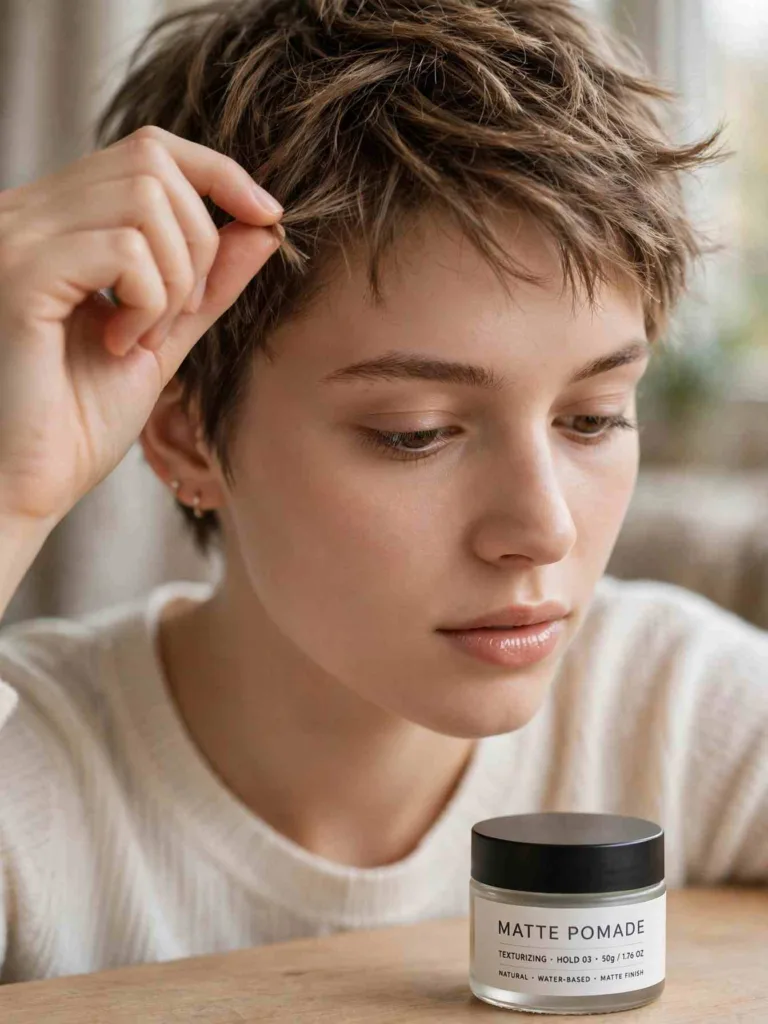
Rub a rice-sized drop of matte pomade between your fingertips. Pinch small sections at the ends and pull them apart. Work from the crown forward. Stop while the pieces still look soft. Over-separated ends look spiky. Soft pieces look piecey.
Step 4: Shape The Fringe
Style the fringe last. A pixie cut with bangs lives or dies on the fringe. It sets the mood for the whole cut. Sweep it to one side for a classic read. Push it forward for a bolder read. Use the dryer on low heat for ten seconds to set the direction. A cool shot locks it in place.

Step 5: Set The Shape And Refresh Day Two
Mist a light-hold spray from arm’s length. Keep spray off the roots or lift collapses. On day two, skip the wash. Spritz the roots with water. Finger-comb the pieces back into place, and add one drop of pomade to the ends. The refresh takes two minutes.

Pixie Variations Worth Showing Your Stylist
One base cut can wear five moods. Show your stylist the variation you like best. Each one shifts the fringe, the sides, or the top.
Side-Swept Fringe Pixie
The fringe sweeps across the forehead in soft pieces. It draws the eye to the cheekbones. It tops most feminine pixie cuts lists for a reason. It suits women who want a classic read with low risk.
Best for: first-time pixie wearers who want a safe, soft start.
Micro Fringe Pixie
The fringe sits short above the brows with broken-up tips. Its tips echo wispy bangs at a shorter length. It opens the face and shows the eyes. It needs a steady hand and a trim every three to four weeks.
Best for: bold wearers who like a sharp focal point.
Asymmetrical Pixie
One side runs longer than the other. The long side sweeps past the cheekbone. The short side hugs the ear. This variation echoes the asymmetrical pixie trend that keeps showing up in related searches.
Best for: wearers who want edge without a shaved side.

Super Short Pixie
The top drops to one or two inches. The sides taper close. The ends stay feathered so the shape reads soft, not severe. This variation matches the super short pixie trend that keeps showing up in related searches.
Best for: low-maintenance wearers who love a close crop.
Wavy And Curly Pixie
The top keeps extra length so waves and curls can form. The sides stay soft and gradual. The fringe follows the curl pattern instead of fighting it. A diffuser on low heat shapes the curls without frizz.
Best for: wavy and curly wearers who want texture to lead.
What A Wispy Pixie Cut Costs And How Often To Trim It
Prices vary by city, salon tier, and stylist level. Treat the figures below as a rough US guide as of fall 2026. Ask for an estimate at your consult.
A pixie cut at a mid-range salon often lands near the price of a standard women’s cut. Natchaya Salon’s published price menu lists a women’s basic cut at $75 to $150. The same menu lists a Bangs Trim at $30. That bangs trim can stretch the time between full cuts.
Budget salons can charge less. City salons can charge more. A senior stylist can charge more than a junior stylist. Color adds a separate bill. Gloss adds one, too. Ask what the quote covers before you book.
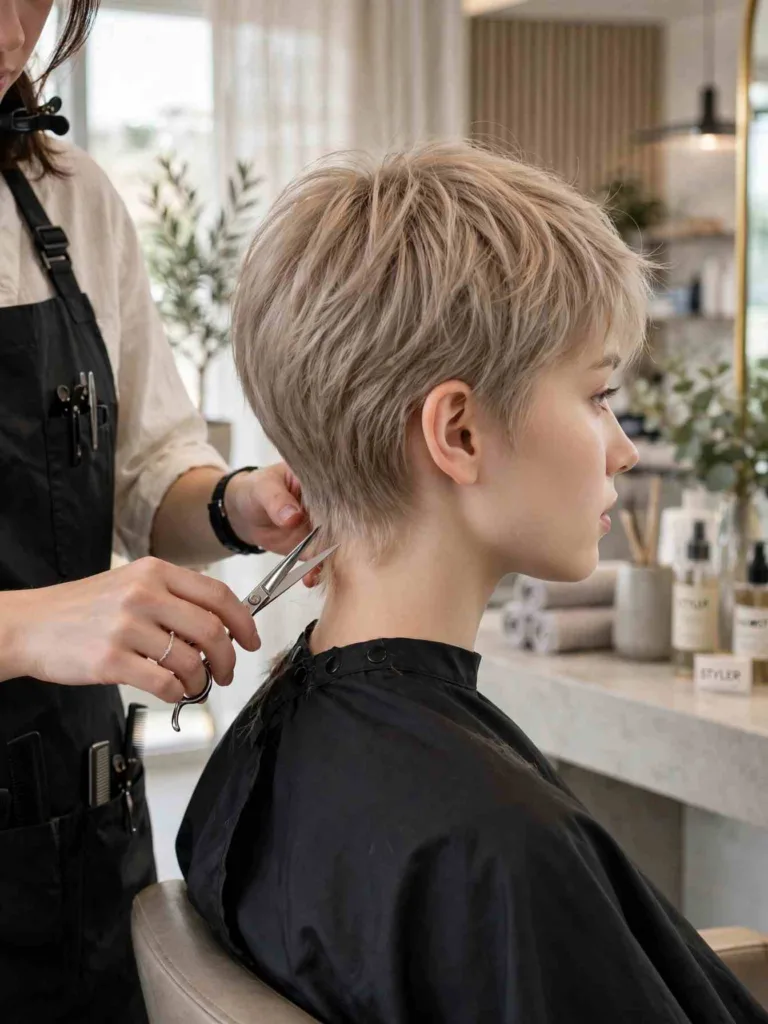
Trims hold the shape. Priano puts trims at every four to six weeks to hold the shape and keep layers from growing long. Pixie haircut maintenance runs on a calendar, not on luck. Book the next trim before you leave the salon. That habit stops the cut from drifting.
| Service | How Often | Why It Matters |
|---|---|---|
| Full cut | Every four to six weeks | Keeps the taper clean and the ends feathered |
| Fringe trim | Every three to four weeks | Keeps the front out of your eyes |
| Deep-conditioning mask | Once each week at home | Keeps short ends smooth and free of splits |
| Clarifying wash | Once each month | Clears product buildup that dulls short hair |
The American Academy of Dermatology’s hair care tips back the same basics: shampoo the scalp, condition the ends, and guard wet hair. Short hair shows damage fast, so those basics count double here.
Growing Out A Wispy Pixie Cut
Grow-out starts the day you skip a trim. The good news: the wispy ends grow out with less drama than a blunt cut. The feathered tips blend into new length instead of forming a hard shelf.
Weeks one to four feel easy. The shape holds. The fringe needs one trim. Book that fringe trim and skip the full cut.
Weeks five to eight test your patience. The nape thickens. The sides push past the ear. Ask your stylist for a nape clean-up only. That small service holds the shape while the top gains length.
Weeks nine to sixteen bring the awkward stage. The top flops. The sides puff. Tuck the sides behind your ears. Clip the fringe back with a small clip. A headband buys time on bad days.
Past week sixteen, the cut turns a corner. A short pixie haircut grows into a bob in about four months. The top reaches bob length. The shape starts to read as a short bob. By month four, the shape can pass for an old money bob haircut with a soft edge. Ask your stylist to even the perimeter at that point. The pixie becomes a bob without a crisis.

Five Mistakes That Flatten A Wispy Pixie Cut
Heavy products cause the first problem. Thick oils and waxes press short hair flat. They also dull the feathered ends. Use mousse at the roots and pomade at the tips. Keep both light.
Skipping trims causes the second problem. Pixie haircut maintenance fails when trims slide. Past six weeks, the taper thickens and the shape goes boxy. The cut loses its airy read. Book the next trim before you leave the salon.
Over-thinning causes the third problem. Texturizing shears in the wrong hands turn ends see-through. The cut loses body and looks tired. Tell your stylist to keep weight at the perimeter.
Blow-drying flat causes the fourth problem. Drying straight down pastes the roots to the scalp. Lift never recovers after that. Dry the roots up and away from the scalp. Flip the part for extra lift.
The wrong fringe causes the fifth problem. A heavy, solid fringe fights the wispy idea. It hides the eyes and adds weight to the front. Ask for piece-y tips and air between the strands.
Wispy Pixie Cut FAQs
Here are the answers readers ask for most. Each one stands on its own.
What Is A Wispy Pixie Cut?
This cut is a short haircut with feathered ends and soft tapered sides. The top stays longest. The shape reads light, airy, and piece-y instead of blunt.
Can A Wispy Pixie Cut Work On Fine Hair?
Yes. A pixie cut for fine hair works well with the right plan. Fine hair gains body from the feathered ends and the lifted crown. Ask your stylist to keep weight at the perimeter. Use mousse at the roots and skip heavy creams.
Can A Wispy Pixie Cut Work On Thick Hair?
Yes, with interior weight removal. Your stylist thins the inside of the shape while keeping the outside soft. That step stops the cut from puffing wide. Book trims on schedule.
Can A Wispy Pixie Cut Work On Curly Hair?
Yes, with a curl-aware stylist. Ask for a curl-by-curl approach on top and a gradual taper at the sides. Keep extra length where curls spring up most. A diffuser shapes the curls with low frizz.
How Long Does A Wispy Pixie Cut Take To Style Each Day?
About five minutes once you know the routine. Wash days take longer. Refresh days take two minutes with water, finger-combing, and one drop of pomade.
How Often Does A Wispy Pixie Cut Need Trimming?
Every four to six weeks for the full cut. The fringe may need a trim every three to four weeks. A bangs trim between full cuts holds the front in place.
How Do I Grow Out A Wispy Pixie Cut?
Book fringe trims and nape clean-ups while the top gains length. Tuck the sides back and clip the fringe on awkward days. By month four, ask your stylist to even the perimeter into a soft bob.
Final Thoughts
The wispy pixie cut rewards clear words in the chair and light hands at home. It asks for trims on schedule, not hours of styling. It pays back with a shape that feels airy, soft, and easy to wear. Save this guide today. Show your stylist the variation you like, and book the trim cycle before you leave the salon.