Italian Bob Haircut: The Full Guide to Getting It Right
The Italian bob haircut looks simple in photos, which is exactly why so many salon visits go wrong. One vague request later, you walk out with a French bob, a lob, or a blunt cut with zero movement. None of those is what you asked for.
This guide fixes that. It explains what the Italian bob is and how it differs from the bobs it gets confused with. Then comes the part that matters most: the exact words to use in the chair. It also covers the at-home styling routine that keeps it looking expensive. It closes with the honest upkeep schedule and what the cut tends to cost.
By the end, you will know whether this cut suits your hair and your face. You will walk into your appointment speaking your stylist’s language.
What Is an Italian Bob Haircut?
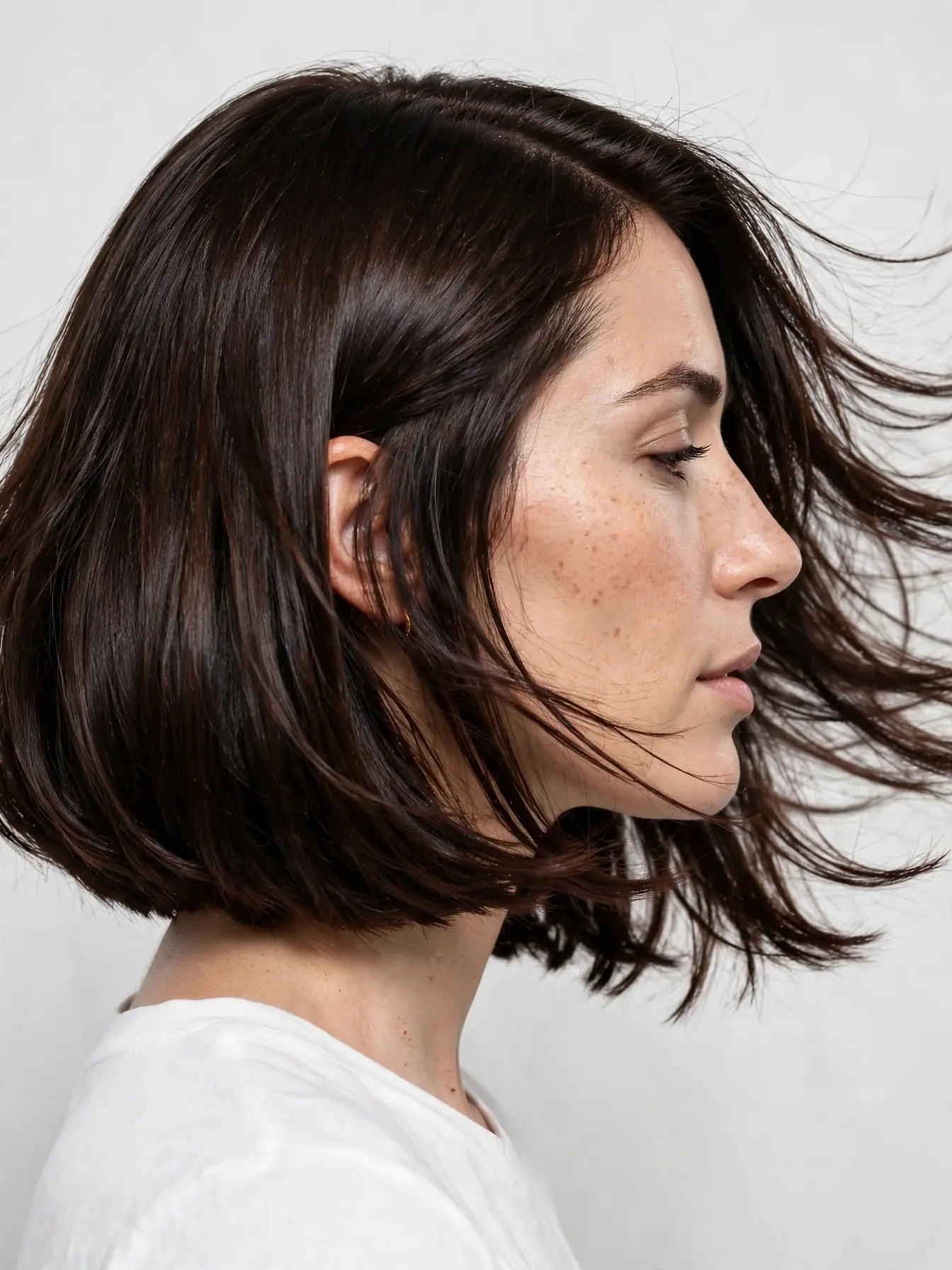
An Italian bob haircut is a chin-to-collarbone bob with a full bottom edge and hidden interior shaping for movement.
The length is the giveaway. It sits longer than a French bob and shorter than a lob, landing somewhere between the chin and the collarbone. To see how the wider bob family compares, browse our roundup of bob haircuts. It shows the full range side by side. The bottom edge stays thick, which is why the cut looks plush instead of sharp. Inside the shape, your stylist removes weight so the hair swings when you move.
The finish can go two ways. Sleek and glossy looks polished and expensive. Air-dried and tousled reads relaxed and modern. Both versions share the same bones: a blunt perimeter, quiet interior layers, and ends that look healthy instead of wispy. The cut works with straight, wavy, and curly hair, as long as your stylist adjusts the technique to your texture. No wonder searches for the hairstyle Italian bob keep climbing.
Italian Bob Haircut vs French Bob vs the Classic Bob
These three cuts get mixed up constantly, and the confusion starts in the salon chair. The table below shows where each one sits.
| Feature | Italian Bob | French Bob | Classic Bob |
|---|---|---|---|
| Length | Chin to collarbone | Jaw to chin | Jaw to chin |
| Bottom edge | Full and dense, softly beveled | Blunt, often paired with a fringe | Blunt and precise |
| Layering | Hidden interior shaping | Minimal, sometimes none | Graduated or stacked at the back |
| Overall mood | Warm, glamorous, relaxed | Parisian, minimal, chic | Polished, structured |
| Trim cycle | Every 6-10 weeks | Every 4-6 weeks to hold the line | Every 6-8 weeks |
The Italian and the French bob cause the most mix-ups. Here is the italian bob vs french bob comparison in plain terms. The French version sits higher, looks crisper, and often comes with bangs. The Italian version sits lower, carries more weight through the ends, and moves more freely. If your reference photo shows hair grazing the collarbone, you are looking at the Italian cut, not the French one.
Trim cycles above are typical ranges; your hair’s growth rate decides the exact timing.
Will an Italian Bob Haircut Suit You?
Start with your texture, because texture decides how the cut behaves at home.
Thick or wavy hair is this cut’s best friend. The interior shaping takes out bulk while the full bottom edge keeps the density that makes the style look rich. These wavy bob haircut ideas show what the shape can do on natural waves. Straight hair wears the sleek version beautifully, though a slight bend at the ends keeps it from looking severe.
Fine hair can work, but the cutting technique matters more than usual. Ask your stylist to preserve fullness at the perimeter and to skip heavy texturizing shears on the ends. Thinning the bottom edge is the fastest way to lose that dense edge. At home, blow-drying upside down and a light mousse give fine hair the lift it needs.
Curly hair needs a stylist who cuts curls dry. A dry-cut refinement lets the shape respect shrinkage, which keeps the length honest. Keep the perimeter full so the silhouette stays generous instead of triangular.
Face shape plays a smaller role than most guides claim. The chin-to-collarbone length draws the eye downward, which can make a round face look longer. The soft volume at the sides can balance a longer face. A deep side part adds asymmetry that flatters most faces. Treat these as effects to play with, not rules to obey.
How to Ask Your Stylist for an Italian Bob Haircut
This is the section that decides your result. “The Italian bob isn’t blunt or wispy, it’s plush,” says London stylist Amara Shah. “We keep the ends dense, then melt the weight inside so it swings.” The four steps below translate her advice into plain actions.
Step 1: Bring Two Reference Photos
Bring one photo for the shape and one for the finish. The shape photo shows the length and outline you want. The finish photo shows whether you want it sleek and glossy or airy and tousled. Choose photos of hair with a texture close to yours. This step matters because “Italian bob” can mean slightly different things to different stylists. Photos close that gap fast.

Step 2: Name the Exact Length
Point to the spot on your own neck or jaw where you want the hair to end. Most Italian bobs land between the chin and the collarbone, so say which end of that range you prefer. If your hair is curly, discuss shrinkage before the scissors come out. Agree on the dry length first, since curls spring up shorter than they look wet.

Step 3: Use the Salon Phrases That Get Results
These phrases tell your stylist exactly what to do:
- “Blunt perimeter” keeps the bottom edge full and dense.
- “Soft interior layers” removes weight inside the hair, not on the surface.
- “Slight bevel at the ends” helps the hair tuck under without curling like a pageboy.
- “Face-framing pieces” adds longer bits around the cheekbones for softness.
If you want a fringe, add “soft, eyebrow-skimming fringe” for a French hint. Longer curtain bangs blend into the shape instead. An italian bob with bangs usually means that soft, eyebrow-skimming kind, not a heavy straight-across fringe. Saying these words out loud takes thirty seconds and removes most of the guesswork.

Step 4: Be Honest About Your Morning Routine
Tell your stylist how much time you will actually spend on your hair. If the answer is five minutes, say so. A stylist who knows you air-dry will cut less graduation into the shape. One who knows you blow-dry daily can build in more polish. Mention the tools you own, whether that is a flat iron, a round brush, or nothing at all. Hair should fit your life, not the other way around.

How to Style an Italian Bob Haircut at Home
The cut does most of the work. What follows is a five-minute routine that keeps it looking intentional. Wash days take a little longer; refresh days take almost no time.
Step 1: Build Lift at the Roots
Work a small amount of lightweight mousse through the roots of damp hair. Flip your head forward and rough-dry until the hair is about 80 percent dry. This is where the volume comes from, so do not skip it. Keep the dryer moving to avoid flattening one spot.

Step 2: Smooth With a Medium Round Brush
For the last stretch of drying, switch to a medium round brush. Pull sections up and away from the scalp as you dry them. Guide the ends under with a gentle C-shaped motion. Flip your part to the opposite side, dry it there, then flip it back. That one move adds lift that lasts all day.

Step 3: Bend the Ends for Shape
Run a flat iron through the mid-lengths with a slight curve at the bottom. Start below the roots and keep the very tips soft. If you prefer the relaxed version, skip the iron entirely and let the cut’s natural shape show. Either way, avoid pin-straight ends, since they fight the softness this style is known for.
Step 4: Finish With Shine, Not Weight
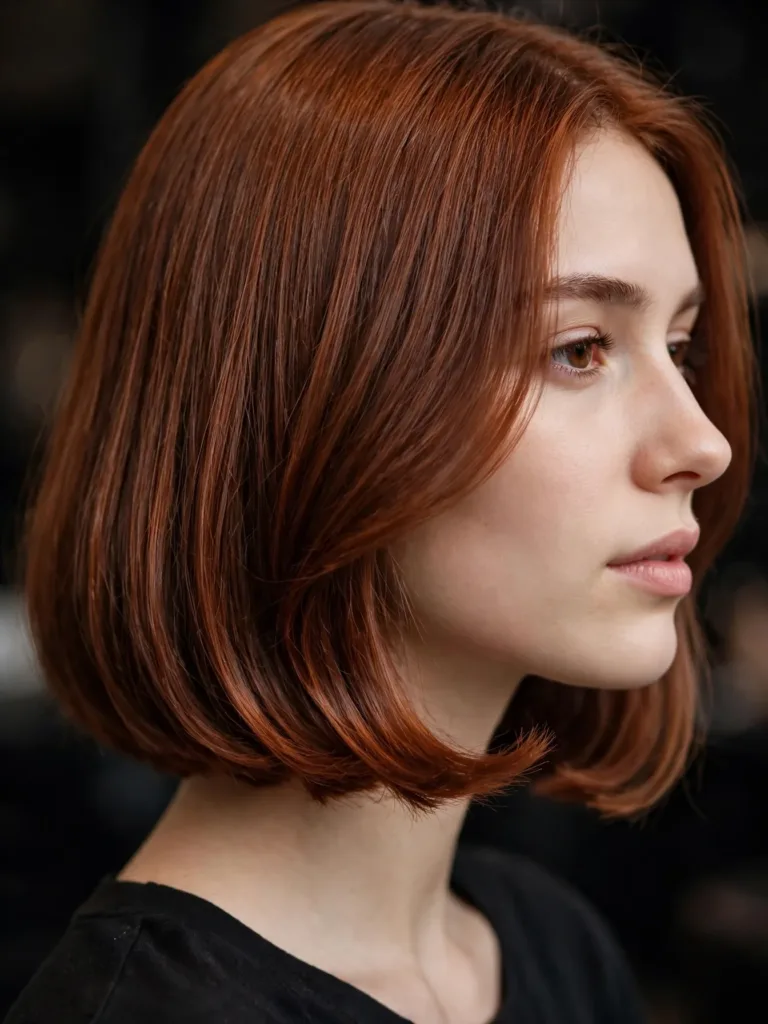
Press a pea-sized drop of shine serum over the ends for the glossy finish this cut is famous for. Heavy oils and waxes pull the shape flat, so keep formulas light. On day two, revive the style with a spritz of water and a quick pass of heat at the ends. The whole refresh takes about two minutes.

How Often to Trim It and What It Costs
Plan a trim every 6-10 weeks to keep the line crisp. The soft finish grows out gracefully, so you can stretch to 12 weeks if you prefer a looser shape. Past that point, the bottom edge loses density and the cut starts to look like a grown-out lob.
As for cost, expect variation by salon, city, and stylist seniority. As of fall 2026, a basic bob haircut typically runs $25-$60 at budget-friendly salons. Mid-range urban salons charge $40-$80 for a cut plus styling, according to Cost Digest’s bob haircut cost guide. Premium salons in high-cost cities can exceed $100, especially with added styling. As a rough US guide, those ranges cover most appointments. Always ask for an estimate before the cut starts.
Five Mistakes That Ruin an Italian Bob Haircut
The most common error is cutting it too short. Below the chin, the cut turns into a French bob. The length between chin and collarbone is the whole point, so guard it.
Over-thinning the ends comes next. Texturizing shears at the perimeter destroy the dense edge. If your stylist reaches for them aggressively, ask them to keep the weight.
Then there is the consultation shortcut: skipping the reference photos. Words mean different things to different people. Photos do not. The two-photo method from Step 1 takes one minute and prevents most disappointments.
Heavy products cause the fourth problem. Thick oils and waxes flatten the volume this cut depends on. Light mousse at the roots and a touch of serum at the ends are enough.
The last mistake is stretching trims too far. Past 12 weeks the shape collapses and the ends thin out. A quick perimeter clean-up costs far less than fixing a grown-out cut.
Italian Bob Haircut FAQs
Is the Italian Bob Haircut Still in Fashion in 2026?
Yes. Search interest has stayed strong through 2026. The cut has moved past trend status into a long-term choice. Its low upkeep and forgiving grow-out keep it popular.
What Is the Difference Between an Italian Bob and a French Bob?
The Italian bob is longer, sitting between the chin and the collarbone, with fuller ends and softer movement. The French bob sits at the jaw or above, reads crisper and more minimal, and often includes a fringe.
Does an Italian Bob Haircut Work on Fine Hair?
It can work well. Ask your stylist to keep weight at the perimeter and avoid heavy thinning on the ends. Blow-drying upside down with a light mousse builds the volume that fine hair needs.
Can You Get an Italian Bob Haircut With Curly Hair?
Yes, with the right technique. Ask for a dry-cut refinement so the shape respects shrinkage. Keep the perimeter full, and define curls with cream and a diffuser for a generous silhouette.
How Much Does an Italian Bob Haircut Cost at a Salon?
As of fall 2026, expect $25-$60 at budget salons and $40-$80 at mid-range urban salons. Premium city salons can exceed $100. These are rough US figures, so ask for an estimate before your appointment.
How Often Does an Italian Bob Haircut Need Trimming?
Every 6-10 weeks keeps the line crisp and the ends dense. The soft shape grows out gracefully, so you can stretch to 12 weeks for a looser finish.
Final Thoughts
The Italian bob haircut rewards clear communication more than any other bob. Walk in with two reference photos and your length decided. Bring the salon phrases from this guide, and you will walk out with the cut you pictured. Save this guide before your appointment, then show your stylist the exact finish you want. Book the trim cycle in your calendar too, so the shape never gets the chance to go stale.