French Bob Haircut: The Parisian’s Low-Effort Guide

The French bob haircut is the lowest-effort way to look like you have great hair. That sounds like a big promise. The cut earns it. It frames the face at the chin and air-dries into shape. It even looks better when you stop fussing over it. Few shortcuts offer that deal.
This guide covers the six versions worth knowing. It includes a matching guide for your texture and the styling philosophy behind the cut. It also lays out the trim calendar and the real cost numbers, so upkeep never surprises you. Everything here is written for real routines, not salon fantasy.
If you want short hair without the daily performance, keep reading. This might be the cut that finally matches your actual mornings.
What a French Bob Haircut Actually Is
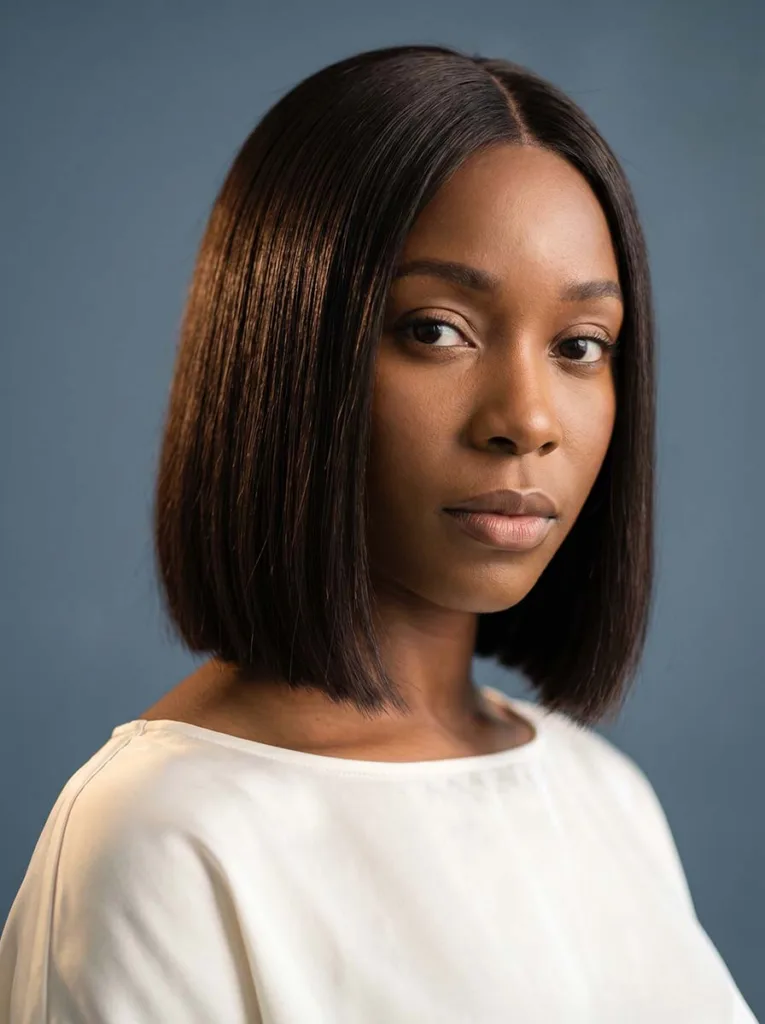
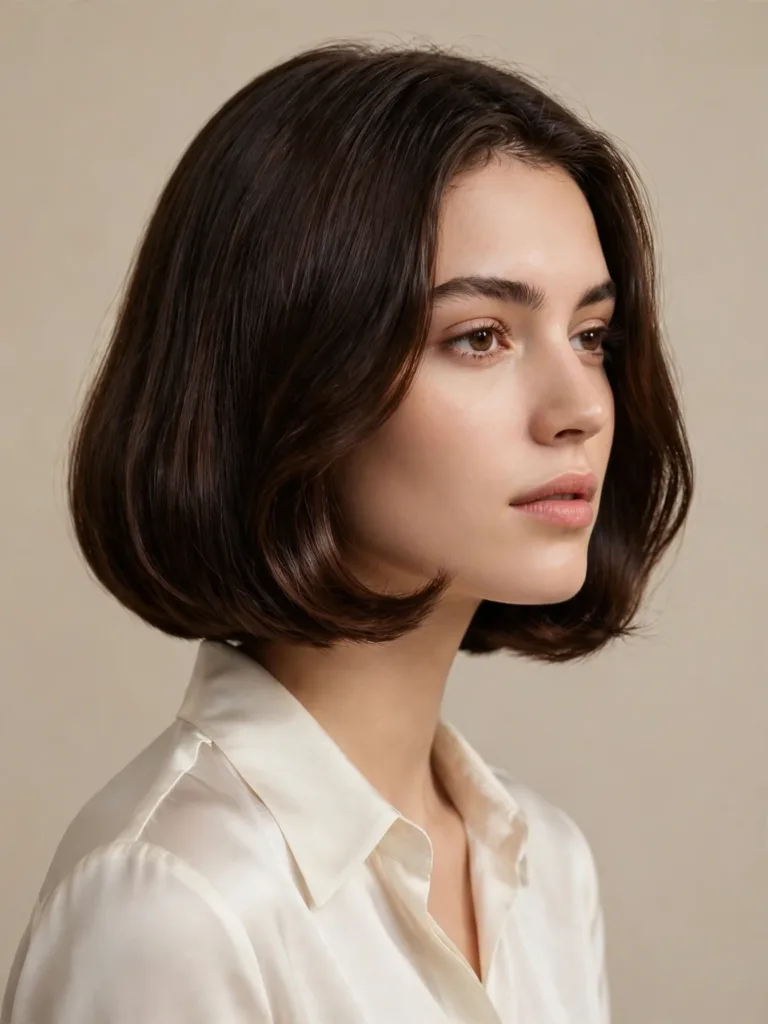
A French bob haircut is a chin-grazing bob with a clean perimeter and low-effort texture.
The length is the first giveaway. Most versions land right at the chin or just above it. That makes this one of the shortest bobs in the family. For a side-by-side sense of where it sits, browse our roundup of bob haircuts. The second giveaway is the finish. Other bobs ask for round brushes and heat. The French version asks for a towel and ten minutes of air.
Bangs are the famous accessory, not a requirement. A brow-skimming fringe gives the classic Parisian read, but plenty of wearers skip it and keep the same attitude. The mood is the whole point: minimal, a little undone, and uninterested in perfection.
Where the French Bob Came From
The cut started in 1920s Paris, when women cut their hair short as a break from long-hair norms. American women were doing the same across the ocean. The New York Times reportedly called the rush a “bob epidemic” in 1920, according to Parade’s retrospective on the cut. English-language coverage later nicknamed it the Parisian Bob, and the name stuck.
The cut never really left. It resurfaced with 1960s gamines, then again with every wave of undone cool. Today it reads less like a trend and more like a classic that takes turns in the spotlight.
That history matters for one reason. It was never about precision styling. It was about freedom from it. Every modern version keeps that spirit.
The Six French Bob Versions to Know
Not every French bob looks the same, and that is the whole point. Six versions cover almost everyone who wants the cut. Find yours below, then read the matching guide that follows.
The Classic Chin-Length French Bob

Chin length, a blunt perimeter, and a full brow-skimming fringe make the icon. A french bob with bangs is the version most people picture first. It stays popular because the shape does the talking. Styling barely registers: rough-dry, finger-comb, done. It suits the woman who wants her cut to read intentional every single day.
The Textured Wavy French Bob

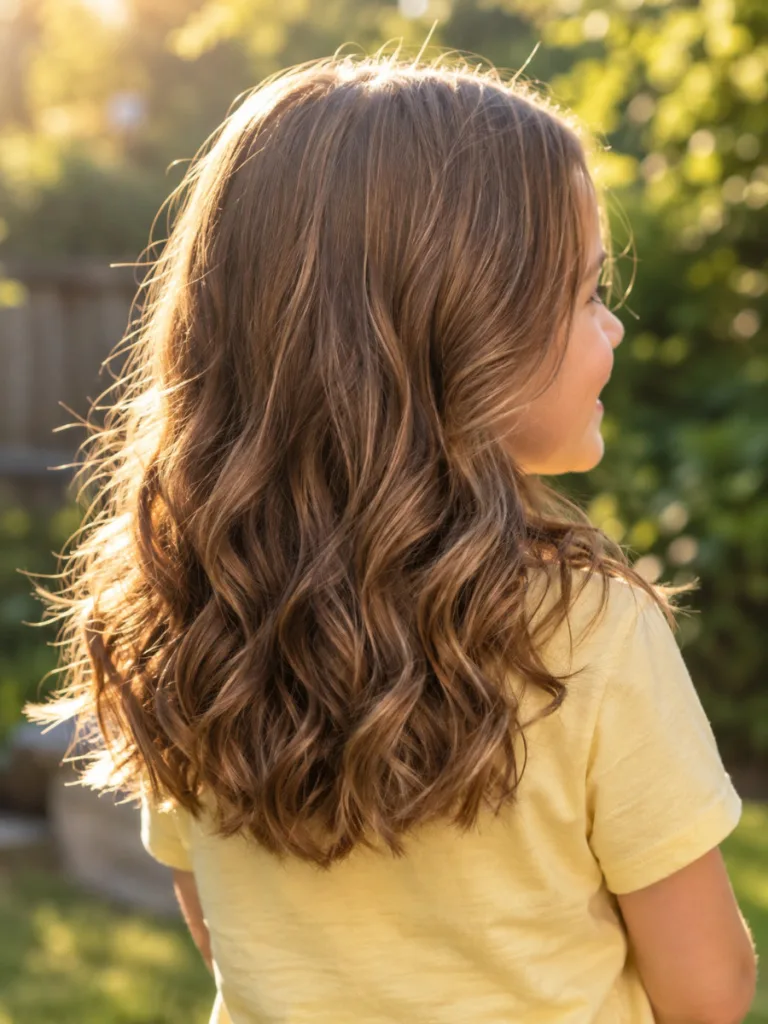
Point cutting breaks the perimeter so a natural wave can move freely. This version skips the fringe or keeps it long and piecey. Air-drying does most of the work, which makes it the true low-maintenance pick of the six. For more texture-first inspiration, see our wavy bob haircut ideas.
The Curly French Bob

Cut dry or with shrinkage in mind, the curly version sits springy at the jaw. Layers stay long to avoid the dreaded triangle silhouette. Diffusing on low heat keeps definition without frizz. It proves the cut belongs to every texture, not just straight hair.
The Grown-Out French Bob
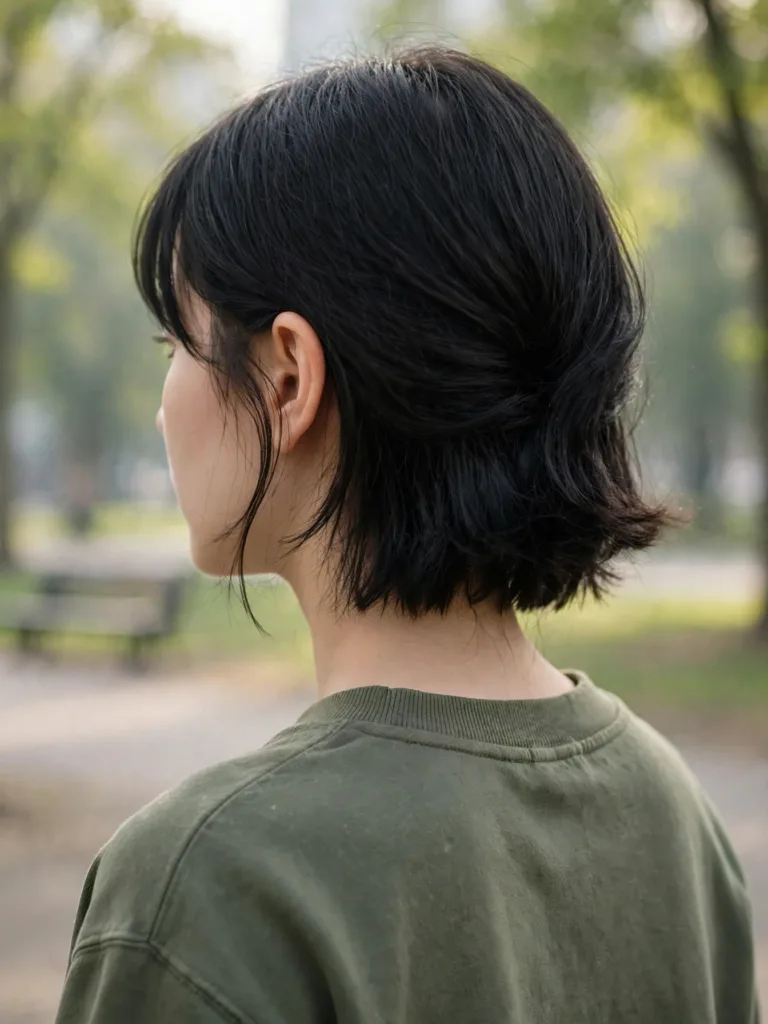
Neck length with soft ends suits the commitment-phobe and the grow-out phase alike. It keeps the French attitude with extra room to tie back on busy days. Trims stretch further apart here, which lowers the upkeep math. It also makes a graceful exit if you ever want length again.
The Wispy Curtain-Fringe French Bob

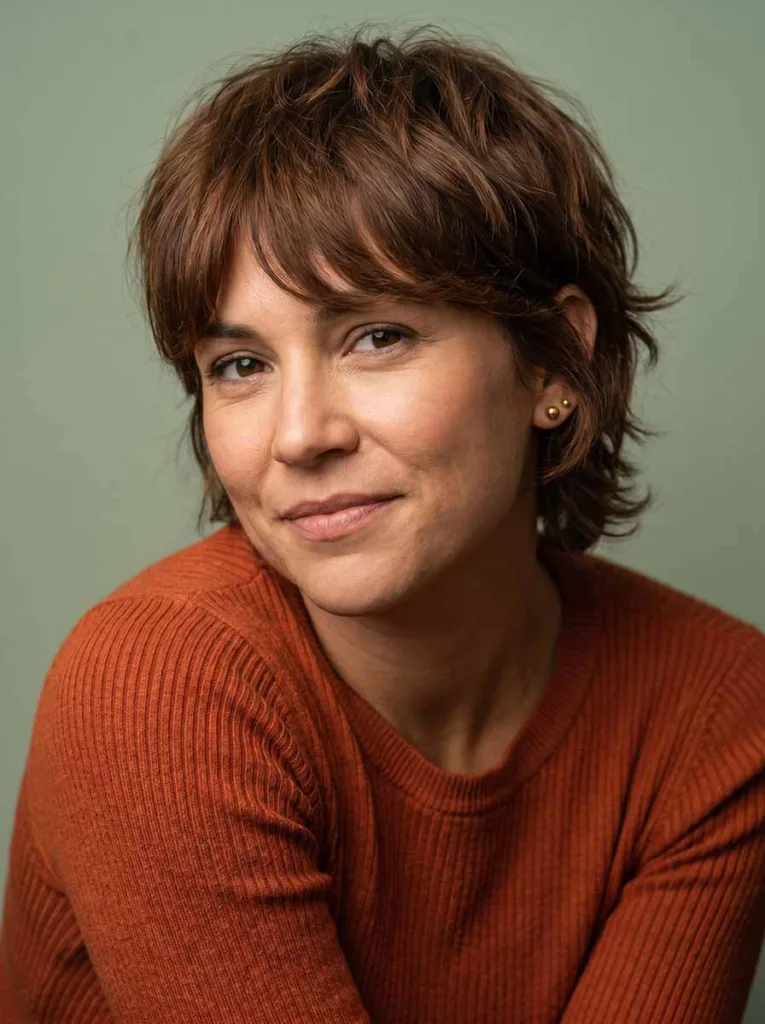
A soft curtain fringe opens at the center and melts into the sides. The effect feels lighter than a full fringe and grows out with less drama. This version flatters the forehead without hiding it. It reads romantic where the classic reads graphic.
The Blunt No-Bangs French Bob
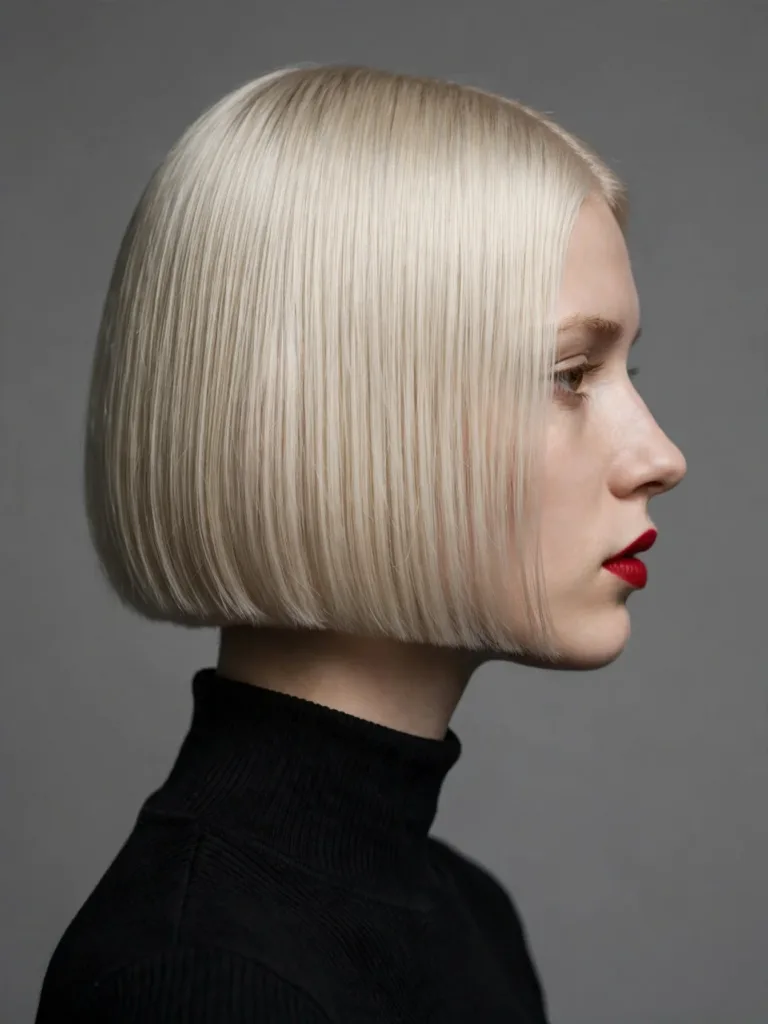
One clean line at the chin, no fringe, maximum geometry. This version shows off bone structure and pairs well with bold lipstick or strong brows. It needs the most frequent trims of the six to hold that edge. In return, it photographs like a dream.
Which French Bob Version Fits Your Hair
The right version depends on your texture, your patience, and how much mirror time you will actually give it. Be honest about all three. Here is how the trade-offs shake out.
Fine hair usually wins with bluntness. Luke Hersheson, a session stylist, shared his thin-hair rule with Marie Claire UK. He cuts it “in a very blunt manner, without a lot of texture”. Too much texturizing, he says, loses the structure as it grows out. For a french bob for fine hair, that points to the classic or the no-bangs version, kept one length. A french bob for fine hair keeps its shape longest when the ends stay thick.
Thick hair needs the opposite strategy. A chin-length blunt cut can push outward at the ends and create a triangle silhouette. Subtle interior weight removal or a slightly longer length keeps the shape sleek instead of wide. Talk through the density with your stylist before the first cut.
Wavy and curly hair gets the most freedom. The textured and curly versions were built for it. Just confirm your stylist accounts for shrinkage, so the dry length lands where you pictured it. A dry cut or a conservative first pass prevents surprises.
New to short hair? Start with the grown-out version. The extra length gives you a safety net, and you can always go shorter at the next appointment. Many stylists suggest exactly this route for first-time choppers.
Length changes what the eye notices, so choose on purpose. A chin-skimming line draws attention to the jaw and lips. A fringe shortens the forehead visually. None of this decides anything for you. It only shows what each version emphasizes, and the choice stays yours.
How to Style a French Bob Without Fighting It
The Parisian styling philosophy has one rule: the cut does the work. Your job is to stay out of its way. Most tutorials on how to style a french bob overcomplicate it. Here is the routine that honors that.
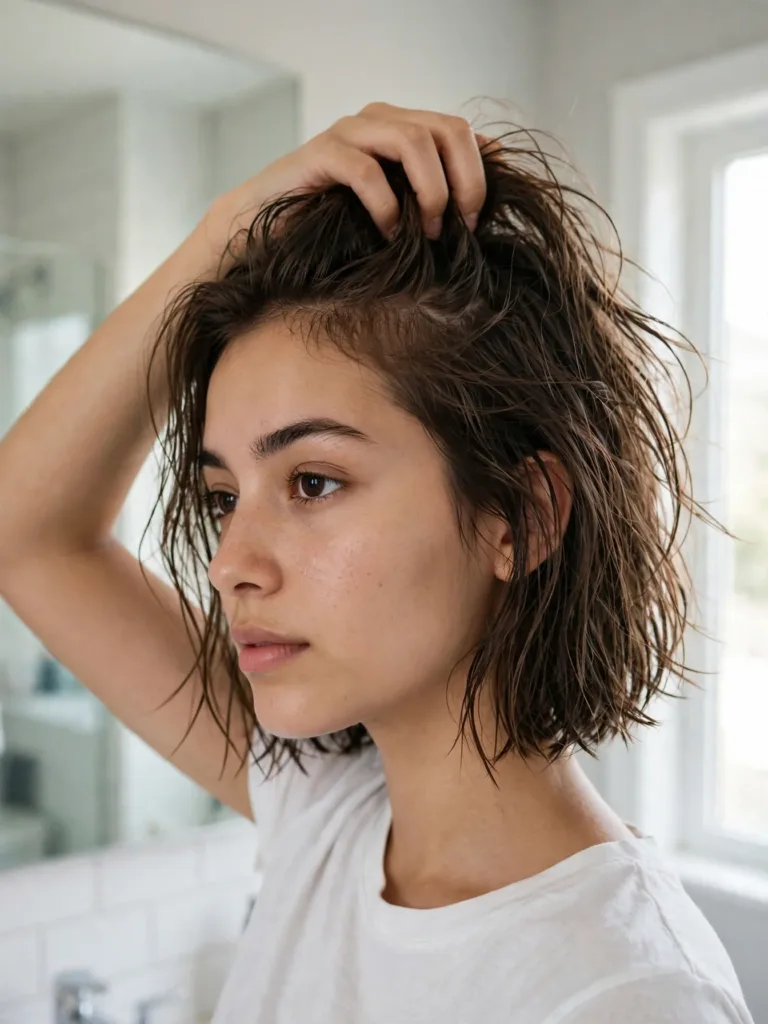
Wash, then squeeze water out with a towel instead of rubbing. Work a volumizing mousse or light cream through damp hair. Then air-dry, or rough-dry with your fingers and a dryer on medium heat. No round brush required. That rough finish is the Parisian Bob signature.
For extra texture, twist a few random pieces while damp and let them set. A pea-sized amount of matte pomade on dry ends adds separation. Less product beats more here. Heavy formulas flatten the whole point of the cut.
Bangs need their own minute. Blow the fringe dry first, side to side, before it sets into a cowlick. That quick pass keeps it sitting flat without a full styling session.
How to style a French bob in one sentence: wash it, add one light product, and leave it alone. The cut rewards laziness, which is rare among precision haircuts.
The Trim Calendar That Keeps the Line Sharp
Shortcuts show growth fast, and this shortcut is no exception. The calendar below keeps every version sharp without overbooking you.
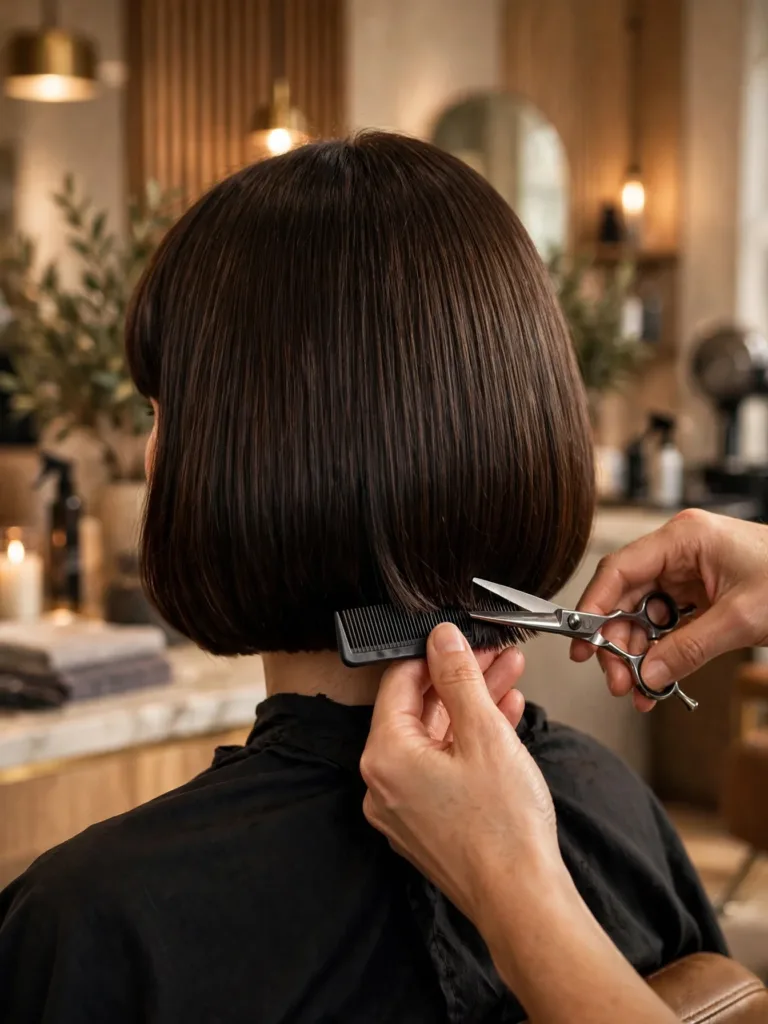
The blunt versions (classic, no-bangs) need trims every 4-6 weeks. That is the price of a crisp perimeter. On a short french bob, that blunt edge is the whole look, so the calendar matters most here. Skip a cycle and the line softens into a different haircut. Put the next appointment on the books before you leave the salon.
Textured, wavy, and curly versions stretch to 8-10 weeks. Texture hides regrowth, so the shape forgives a late booking. The grown-out version lasts longest of all, which is part of its charm.
Bangs grow faster than the rest of the cut. A fringe trim every 3-4 weeks keeps it out of your eyes. Many salons offer bang trims as a quick, cheap add-on between full appointments.
Growing it out? Let the back catch up first, then even out the front. Trims every 8-10 weeks keep the shape tidy through the awkward phase. The grown-out version is literally the grow-out worn on purpose, so the transition looks deliberate instead of neglected.
What a French Bob Haircut Costs at the Salon
Prices swing with the salon, the city, and the stylist’s experience. The ranges below come from a real 2026 pricing guide, with the usual caveats attached.
As of fall 2026, Cost Digest’s bob pricing guide puts a basic bob cut between $25 and $60. Treat that as a rough US guide. Bang trims run $5-$35 as a separate add-on. A short french bob usually lands inside that standard cut range, since it needs no color or special treatment.
Fancy neighborhoods and senior stylists push toward the top of the range. Budget chains and junior stylists sit near the bottom. Ask for the total before the scissors come out, including any styling add-on. Surprises belong in birthday parties, not at checkout.
The real cost is the trim cycle. A blunt version on 4-6-week trims costs more per year. The textured version on 8-10-week trims costs less. Factor that math in before you choose your version, not after.
French Bob Haircut FAQs
Do I Need Bangs for a French Bob Haircut?
No. A french bob with bangs is the classic pairing, but the cut works fine without them. The blunt no-bangs version proves it. Choose the fringe because you like the look, not because the cut demands it.
Can I Get a French Bob Haircut With Thick Hair?
Yes, with one small adjustment. Ask your stylist to remove interior weight or keep the length slightly longer. That stops the ends from pushing outward into a triangle shape.
How Do I Grow Out a French Bob Haircut?
Let the back grow first, then even out the front. Trims every 8-10 weeks keep the shape tidy through the awkward phase. The grown-out version turns the grow-out into a style of its own.
Can I Style a French Bob Haircut Without Heat?
Yes. Work mousse or cream through damp hair and air-dry, scrunching or twisting pieces for texture. The cut was built for exactly this. Heat stays optional, never required.
Is a French Bob Haircut Hard to Maintain?
It sits in the middle. Daily styling takes minutes, but the blunt versions need trims every 4-6 weeks. Texture buys you a longer leash between appointments.
What Is the Shortest a French Bob Haircut Can Go?
About mouth-line length, just below the cheekbone. Shorter than that and you are in pixie territory. Most wearers stay between the jaw and the chin, where the cut reads unmistakably French.
Final Thoughts
The french bob haircut is a rare thing. It is a short cut that asks less of you than the long hair it replaced. Pick your version and find a stylist who cuts a lot of bobs. Book the trim cycle before you leave the chair. Save three reference photos that match your texture, then show them at your consultation this week.