20 Bixie Haircut Ideas Worth Looking At
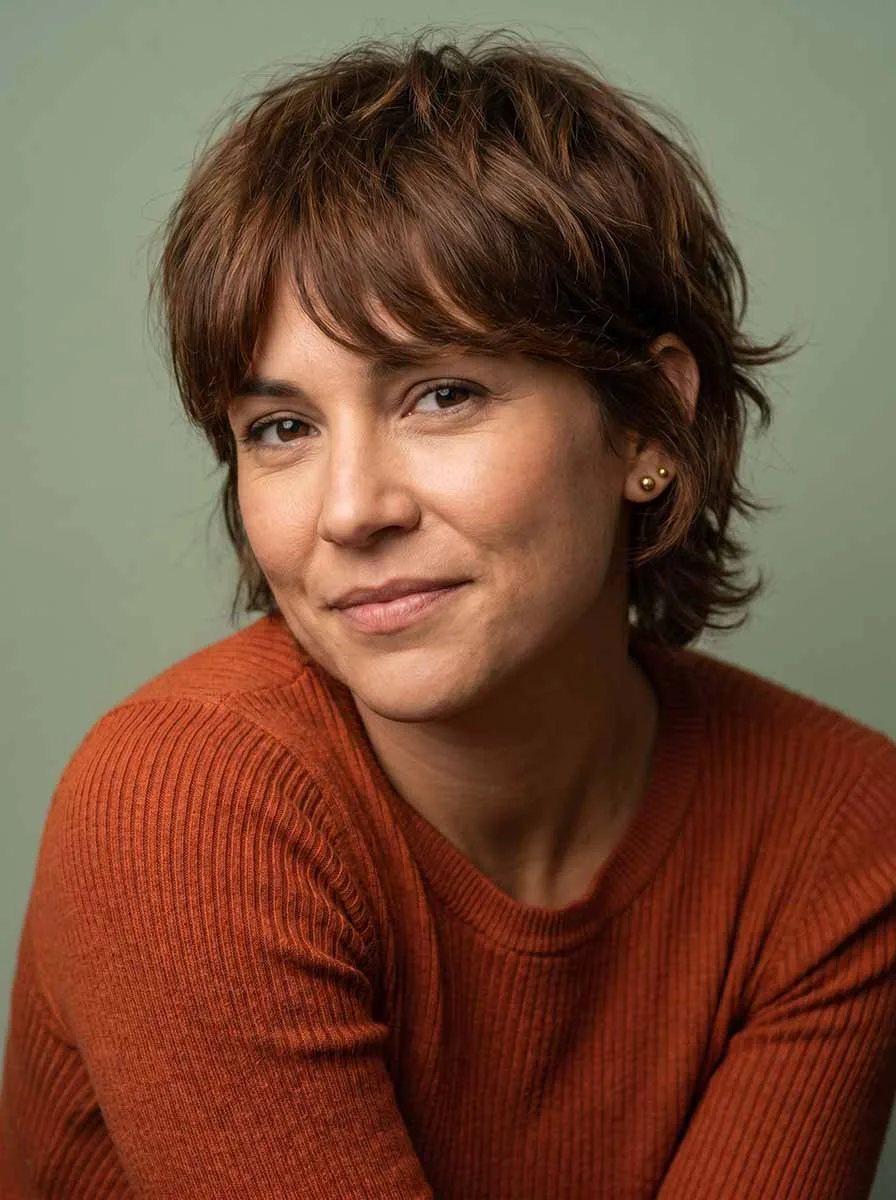
There’s a reason stylists keep recommending the same short cut to women who say they’re not ready to go short.
It’s the bixie — a cut that sits between a pixie and a bob, keeping enough length around the face that it doesn’t read as “short” in the traditional sense. If you change your mind, it grows into a shaggy bob in about 8 weeks with no difficult stage in between. That built-in exit is why so many clients who walk in on the fence walk out with one.
Search interest picked up after Zendaya wore one to the 2026 Oscars, but the cut was already gaining ground before that. It photographs well, works on most hair types, and takes 5–10 minutes to style daily. These 20 variations cover everything from shaggy and textured to sleek and polished — find the one that fits your hair and your routine.
What Is A Bixie Haircut?
The bixie sits between a pixie and a chin-length bob. Short, textured layers through the crown and sides, longer pieces around the face, a close-cropped nape, and optionally some kind of fringe. The back stays short; the front stays longer.
It air-dries well on most hair types and you can style it three different ways inside 10 minutes. Short cuts rarely offer that range.
20 Bixie Haircut Ideas
1. The Classic Shaggy Bixie
The most common version. Choppy, visible layers through the crown and sides create a lived-in texture that reads deliberate rather than accidental. The back stays shorter, top layers stay longer. Straight to wavy hair, any thickness.
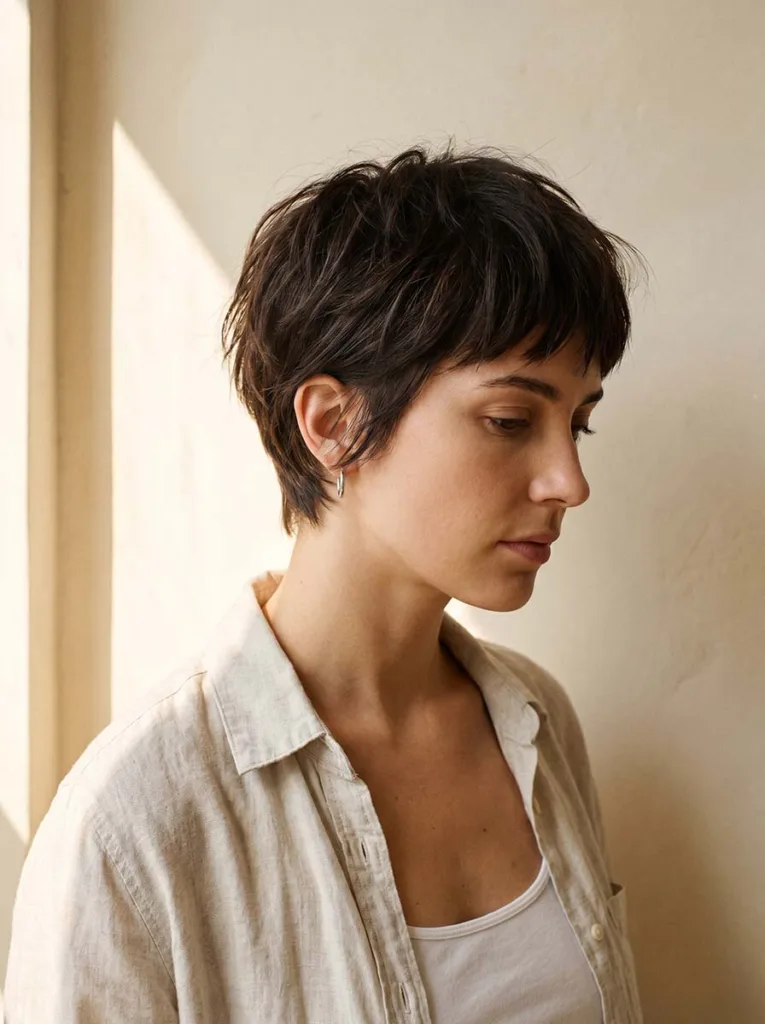
2. Bixie With Curtain Bangs
Curtain bangs change the feel of a bixie more than almost any other variation. The fringe is shorter at the center and sweeps longer toward the temples, blending into the side layers. Push them aside for a cleaner look or leave them down for something softer. You can adjust them daily without touching the rest of the cut.
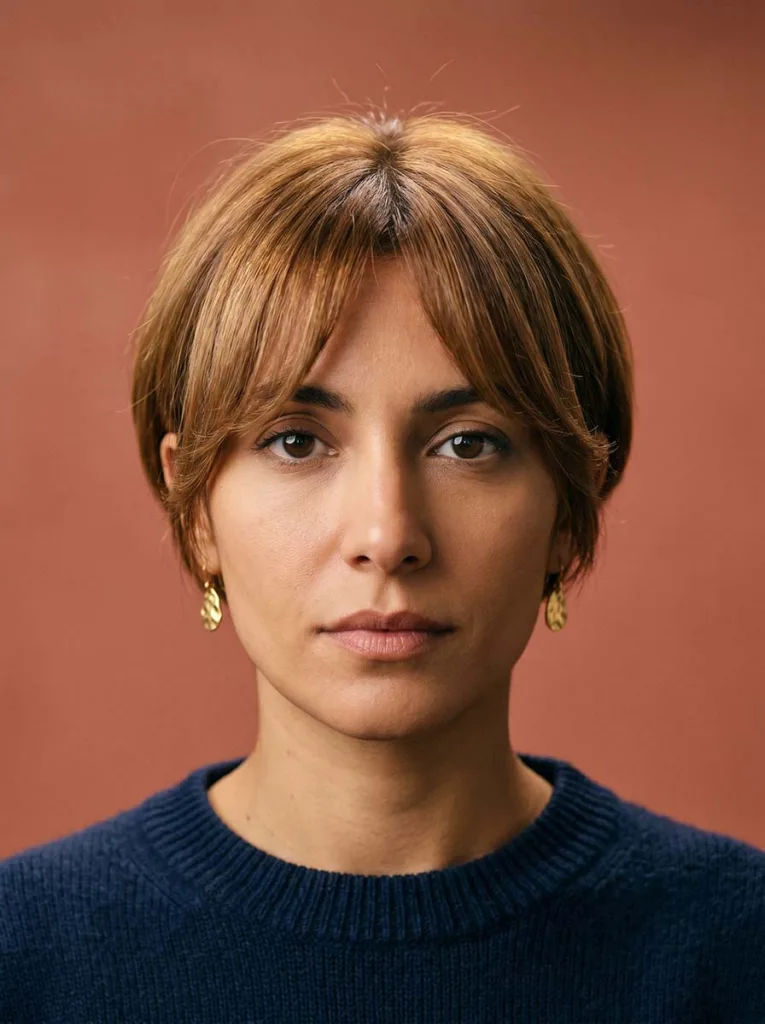
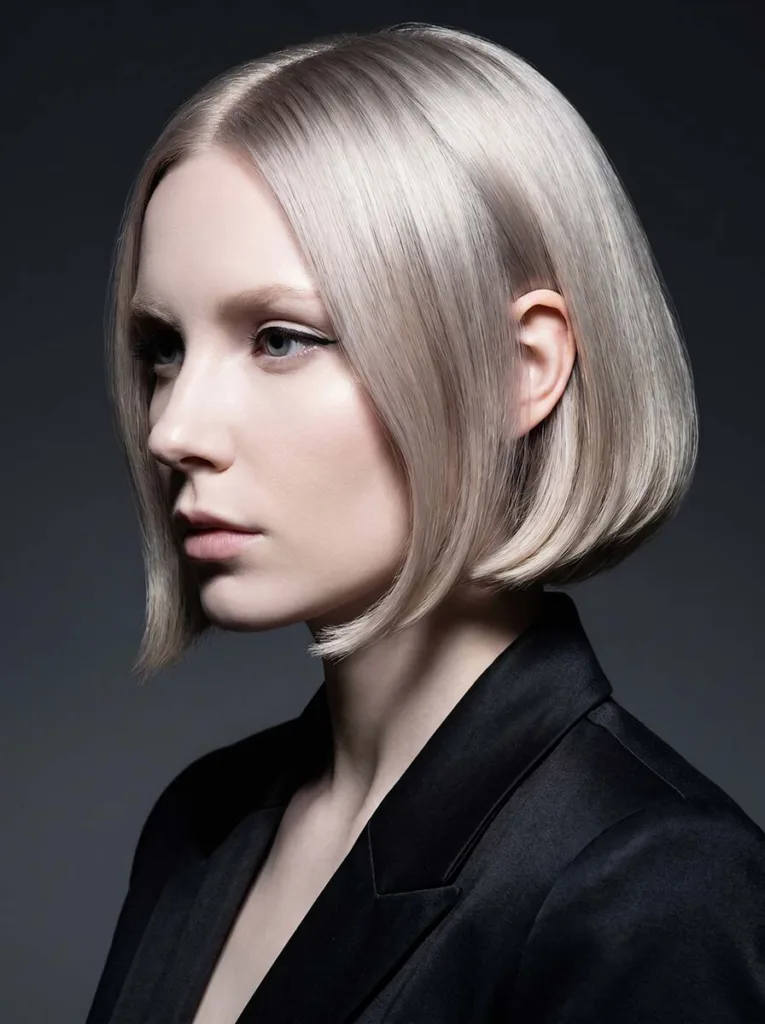
3. Sleek And Polished Bixie
Blow-dried smooth with a round brush. Most people call this the “work-appropriate” version. Fine to medium straight hair.
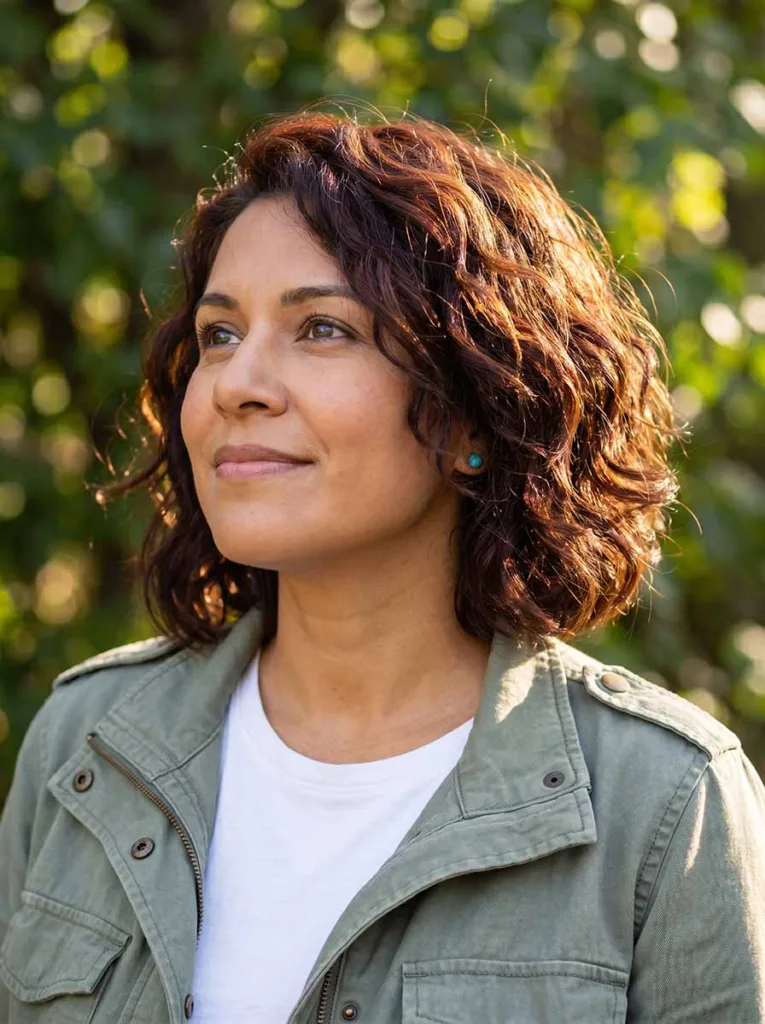
4. Textured Wavy Bixie
Apply curl-enhancing cream and scrunch. On naturally wavy or lightly curly hair, the texture is already there — you’re defining it, not creating it. Straight hair gets partway there with salt spray and a diffuser.
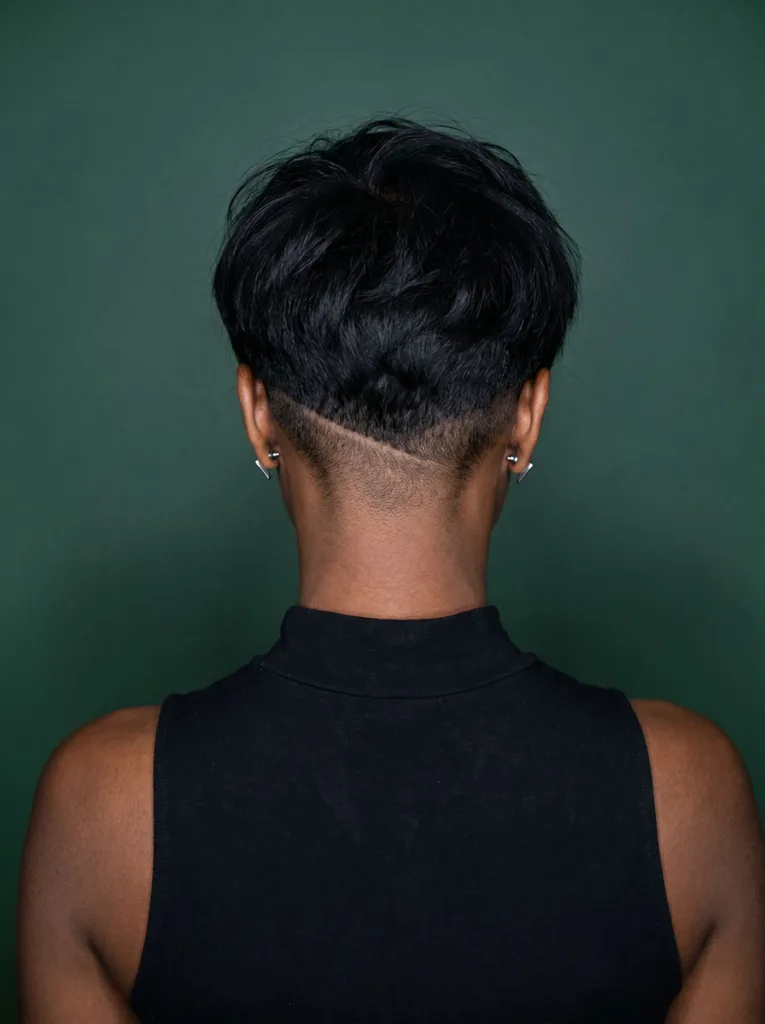
5. Bixie With Undercut
Closely clipped or shaved sections sit underneath the longer layers. The undercut removes weight at the nape, makes the top layers read more distinct, and keeps things cool if you have thick hair.
6. Soft Romantic Bixie
Loose, soft layers with a rounded silhouette. Less sharp than the shaggy version. Soft enough for a wedding, relaxed enough for a Sunday, which puts it between the shaggy and sleek versions in terms of formality.

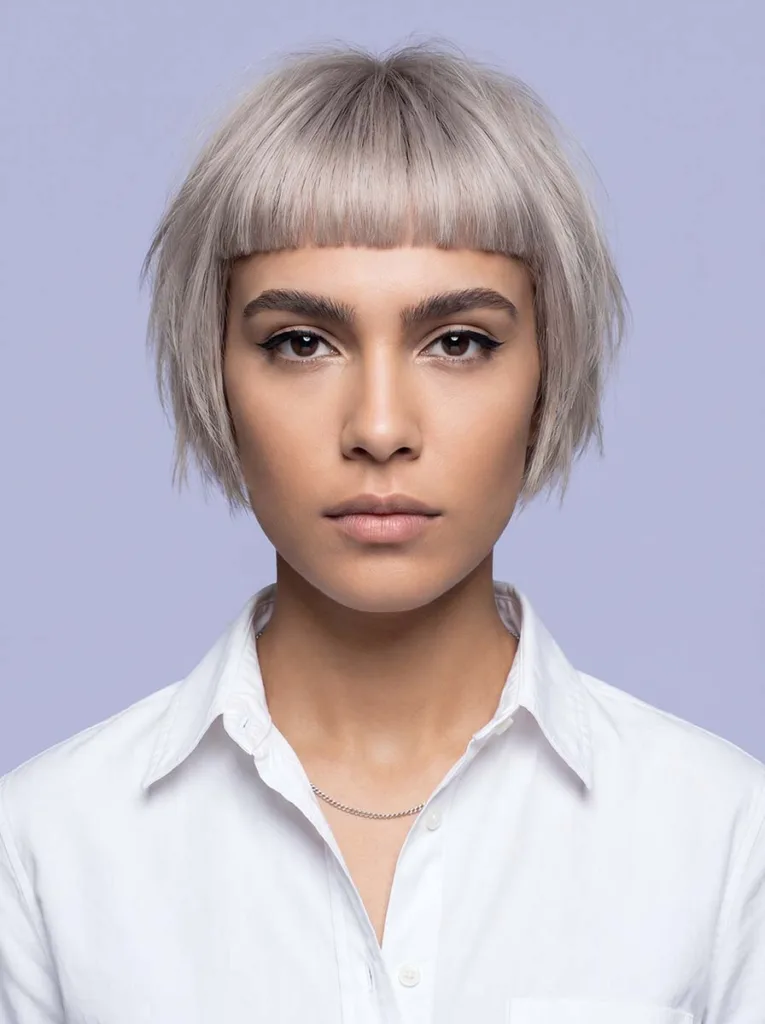
7. Bixie With Micro-Bangs
Short, blunt fringe above the brows. Adding them shifts the whole look — same cut underneath, different read entirely. You need some styling confidence for this one. If you’re considering it, you probably already know that.
8. Curly Or Natural Texture Bixie
A bixie shapes curly hair well because it removes bulk while keeping face-framing length. Get it cut dry, or make sure your stylist accounts for how much your curl shrinks after drying. Wet-cutting a curly bixie often produces a shorter result than intended. Apply curl cream and diffuse for definition.
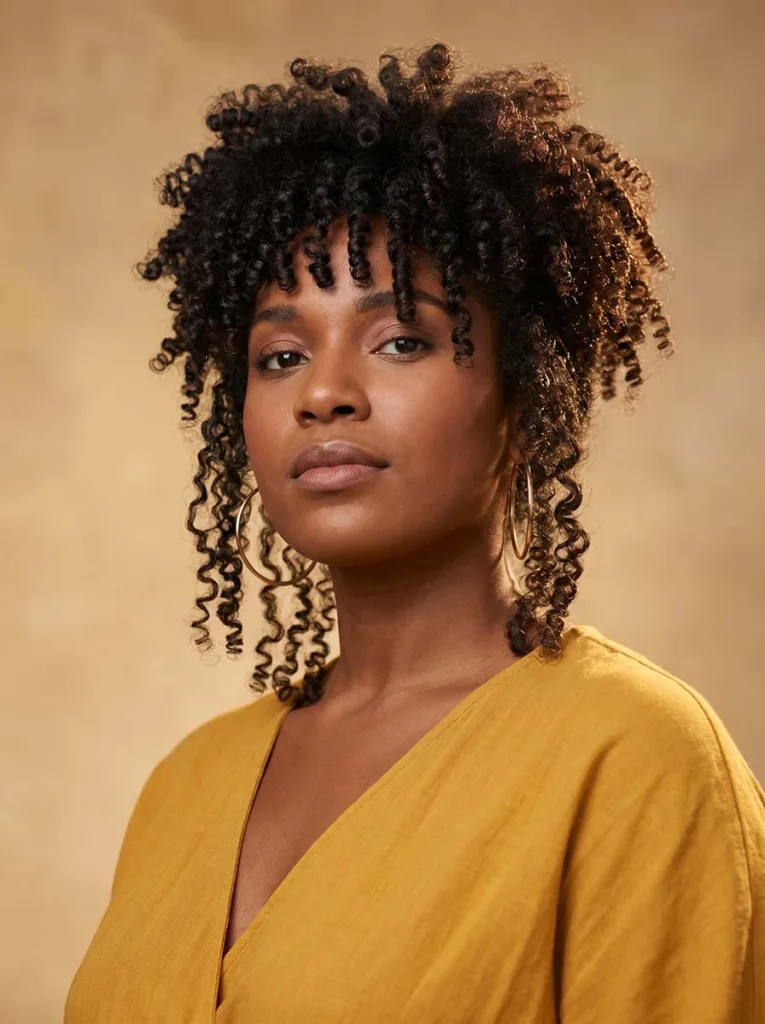
9. Bixie For Fine Hair
The layering creates volume by removing weight rather than adding product, and the shorter overall length stops hair from collapsing under itself. Ask for internal layers to build structure. Volumizing mousse and a round brush finish the job.
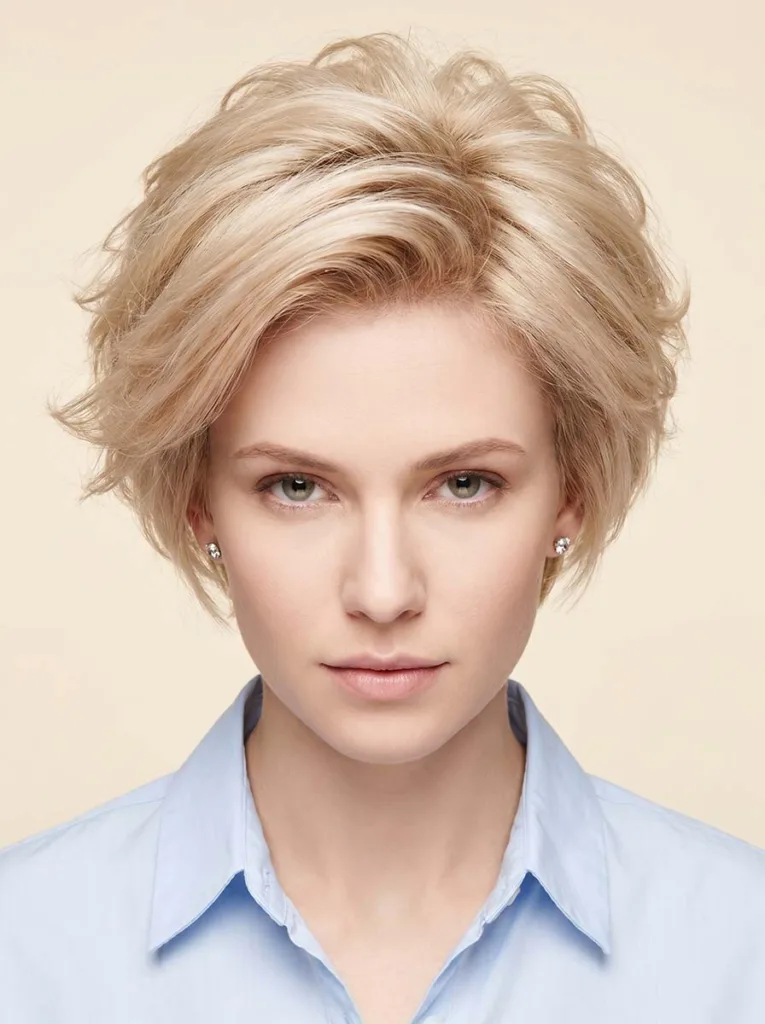
10. Bixie For Thick Hair
The goal with thick hair is weight removal, not layering for its own sake. A well-cut bixie thins out the sides and back while keeping the top fuller. Ask your stylist to point-cut the ends rather than blunt-cutting — point-cutting gives the hair movement and keeps the shape from reading heavy.
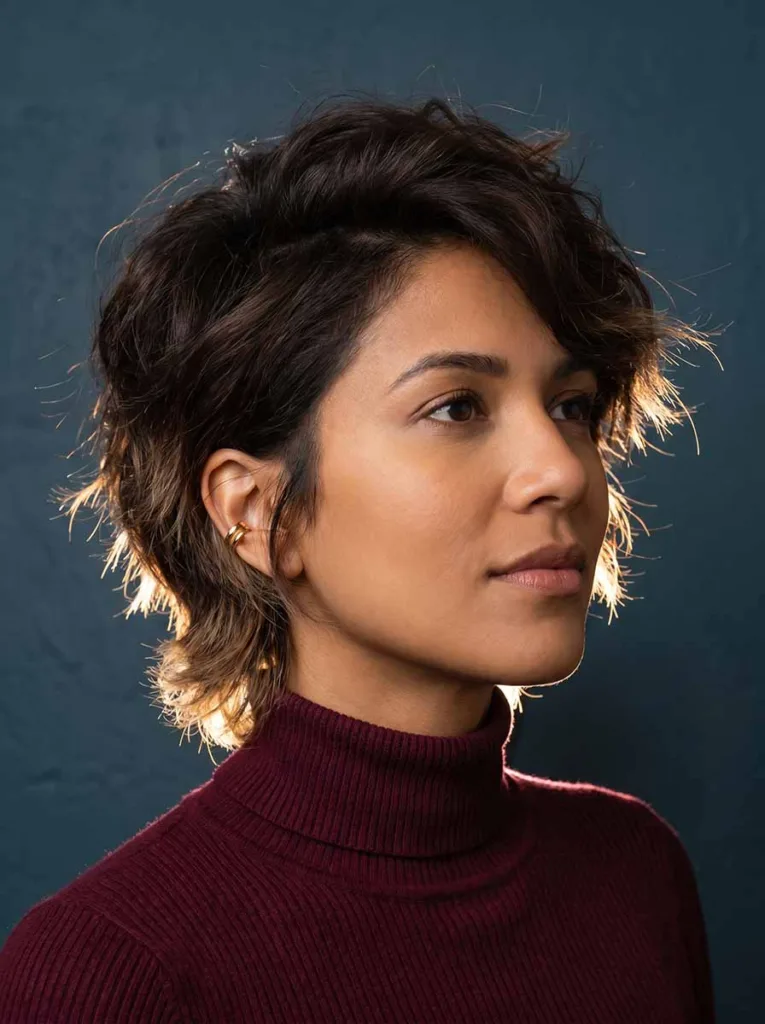
11. Asymmetrical Bixie
One side longer than the other. Subtle on wavy hair, more visible on straight hair where the length contrast shows clearly. A small change that makes the cut feel made for you rather than off a menu.
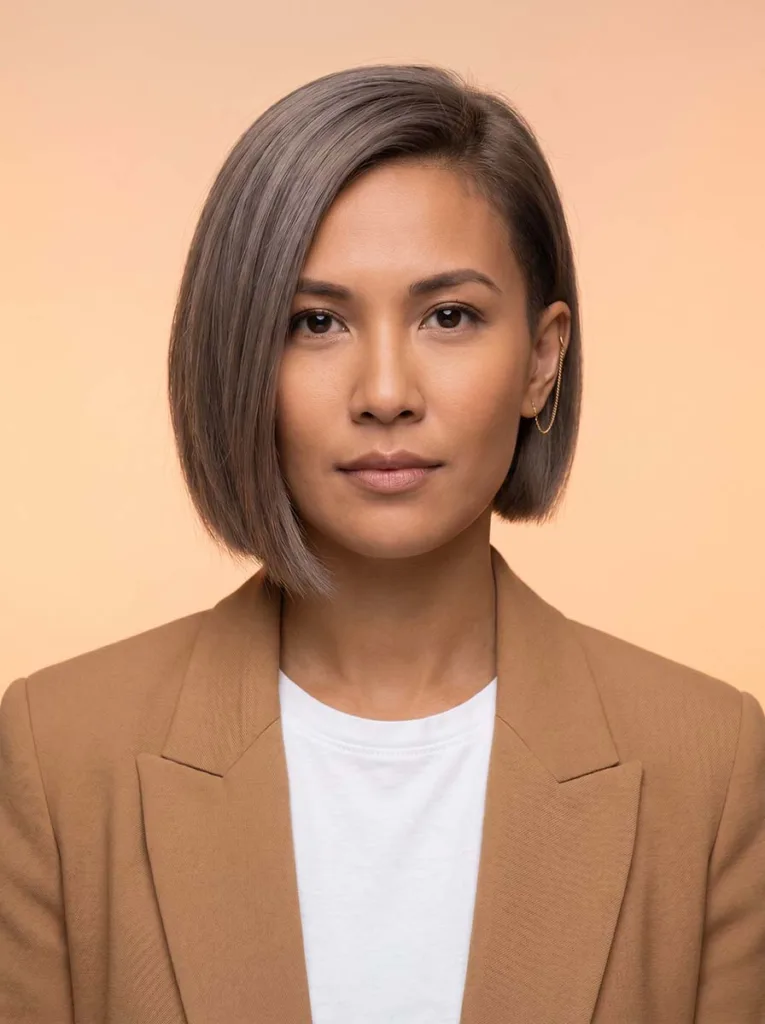
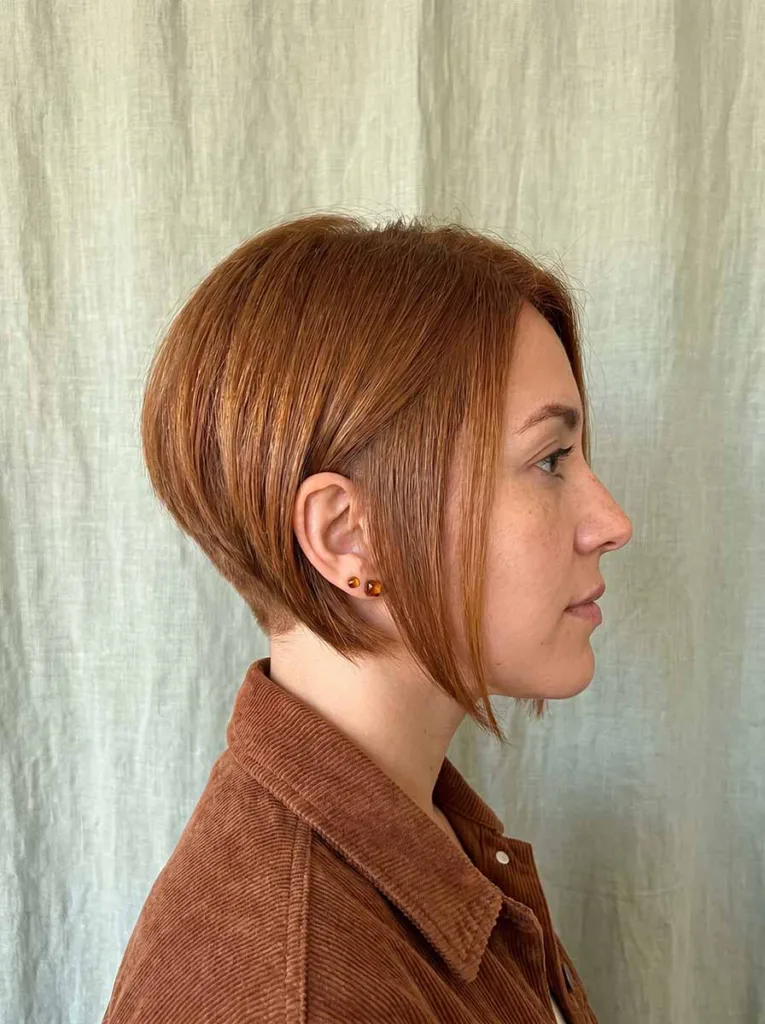
12. Angled Bixie
Back cropped close, front pieces longer and angled toward the chin. Similar logic to an angled bob, just shorter. The diagonal lines draw the eye along the length, which helps fine or thinning hair.
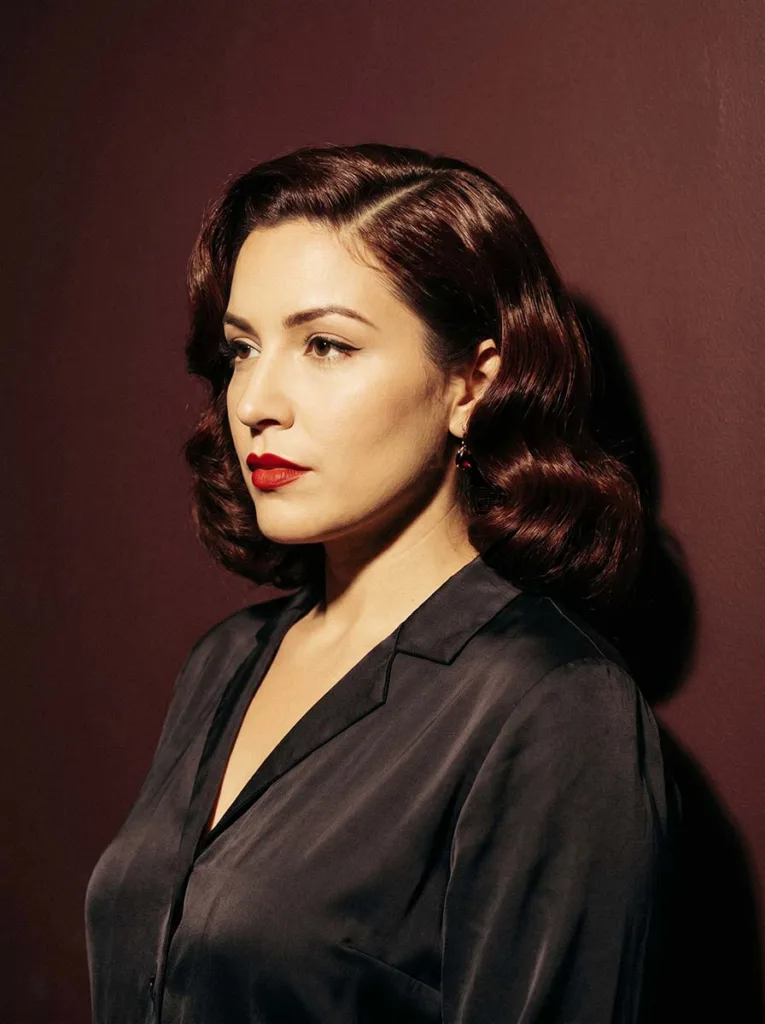
13. Vintage-Inspired Bixie
Side part and finger waves through the crown, with curved movement through the sides. It references 1920s styling without tipping into costume territory. Small-barreled curling iron and strong-hold setting spray. Takes longer than the other looks and holds all day.
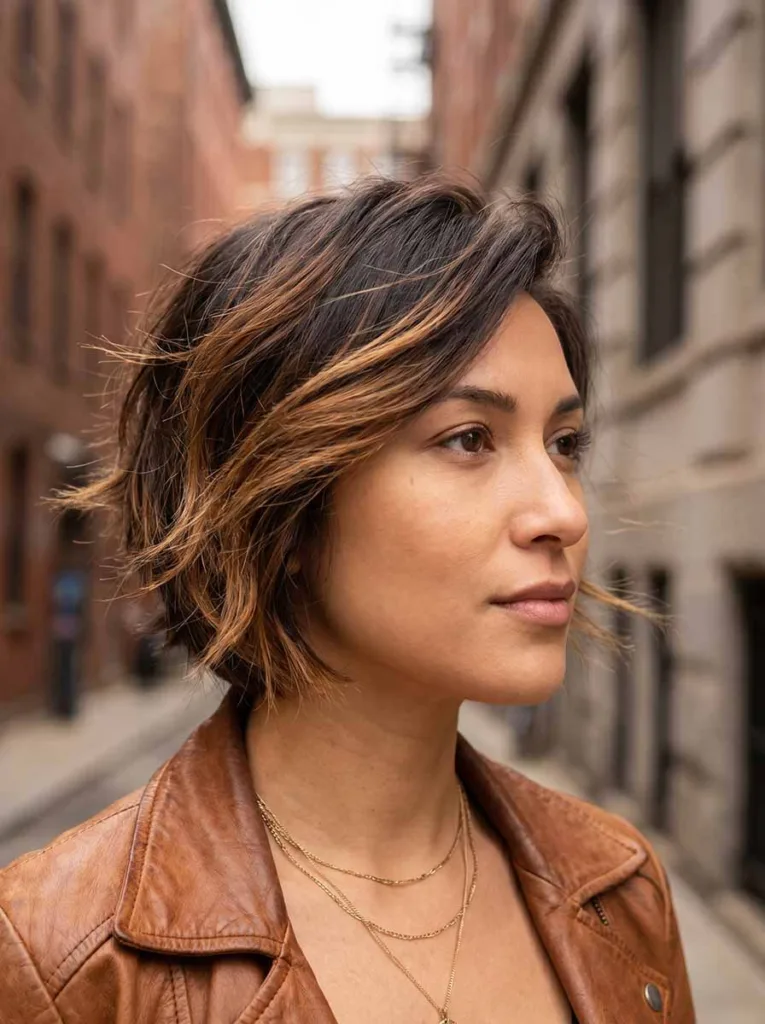
14. Bixie With Balayage
The varied lengths catch light differently as the hair moves, so color placement reads clearly on this silhouette. Caramel on brunette, platinum on dark, strawberry blonde — all show up well.
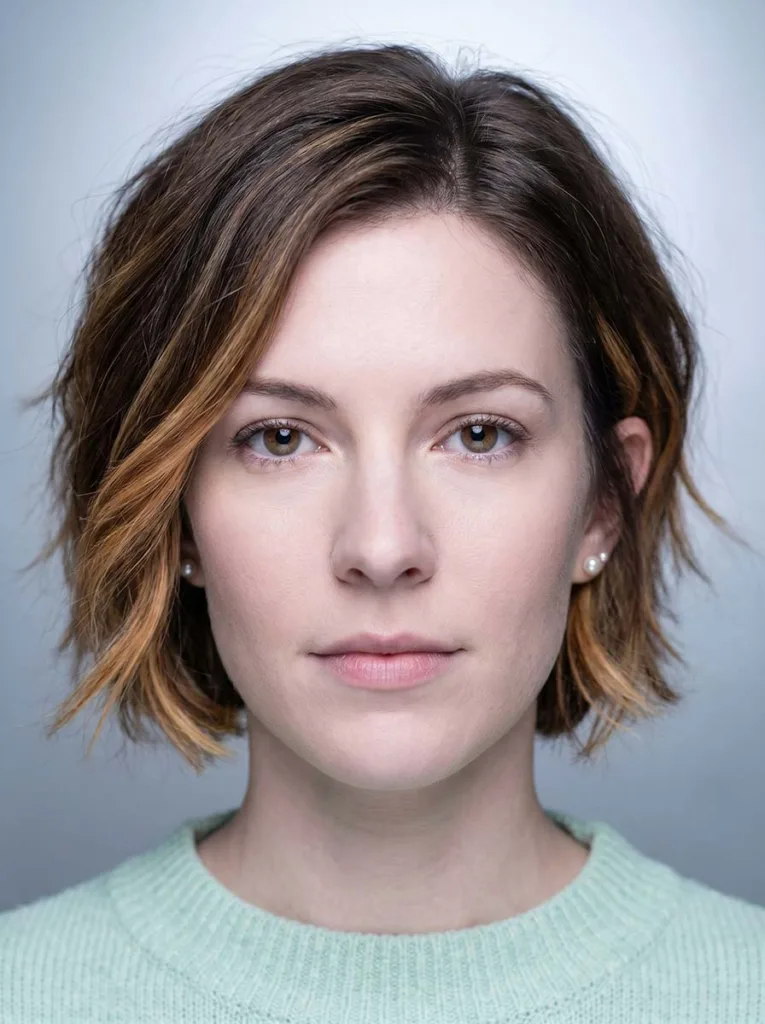
15. Bixie With Highlights
Lighter commitment than balayage: a few face-framing pieces rather than a full color approach. The highlights land where they read most clearly in photos, around the face.
16. Bold Color Bixie
Short hair suits bold color because you’re committing less length to the experiment. Lavender, copper, auburn, ash blonde — the bixie shape holds up under any of them. If the color doesn’t work out, the grow-out is faster than with longer hair.
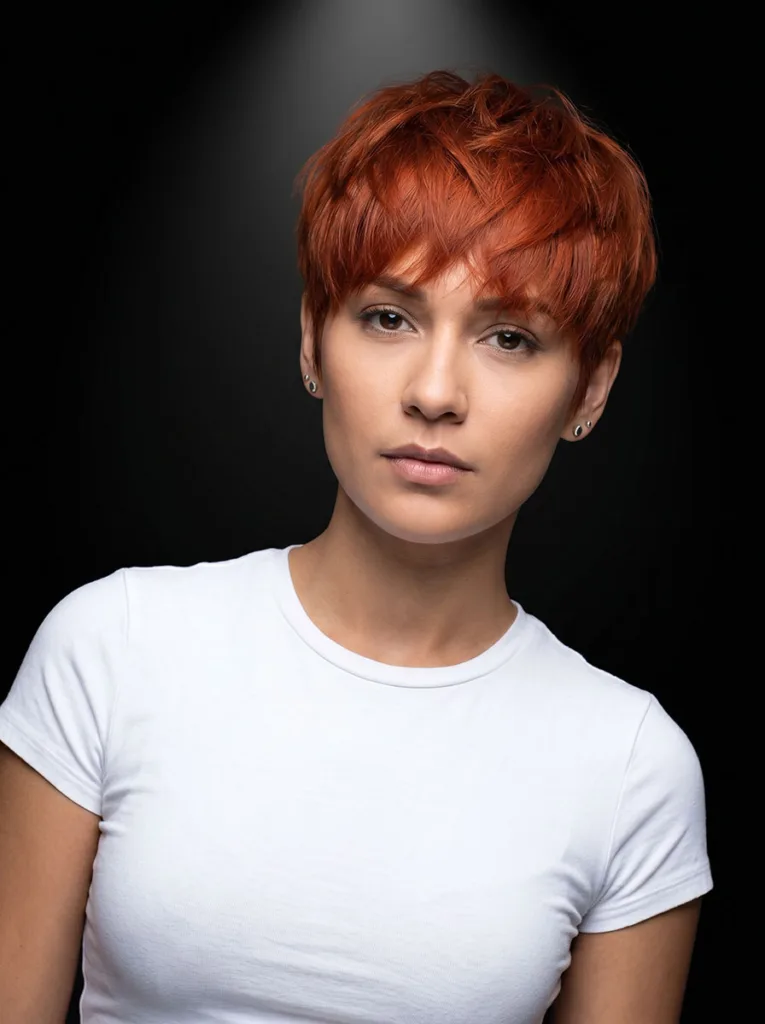
17. Bixie For Women Over 50
Stylists recommend it because it addresses what changes in hair after 50 directly: it adds volume where fine hair thins, removes weight that pulls the face down, and takes minimal time to style. Keep some length around the face, use soft layers rather than sharp ones, and add highlights where the hair has lost brightness. It grows into a soft bob without an awkward phase.

18. Bouncy Curly Bixie
Defined curl sections with minimal layering at the sides. Diffuse on low heat and finish with curl gel rather than cream if you want hold. The result has actual volume rather than frizz.
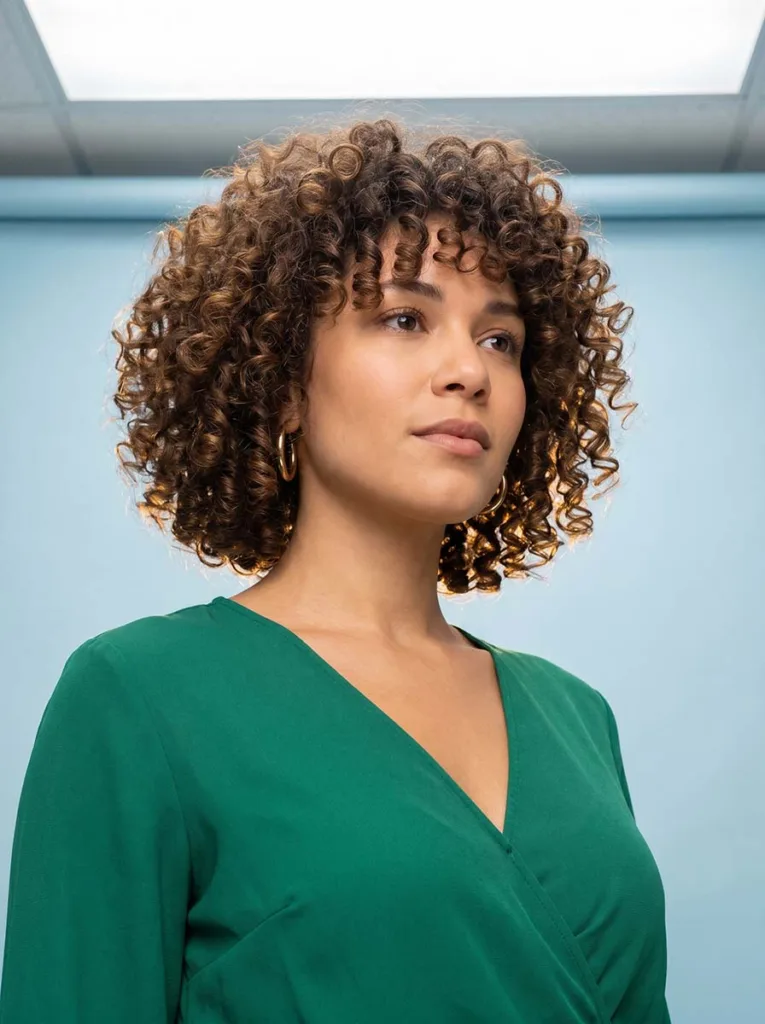
19. The Grown-Out Bixie
Around week 6–8, a bixie becomes a shaggy bob. Some people prefer this phase over maintaining the shorter shape — it’s softer, slightly longer, and needs less styling. A reasonable destination on its own.
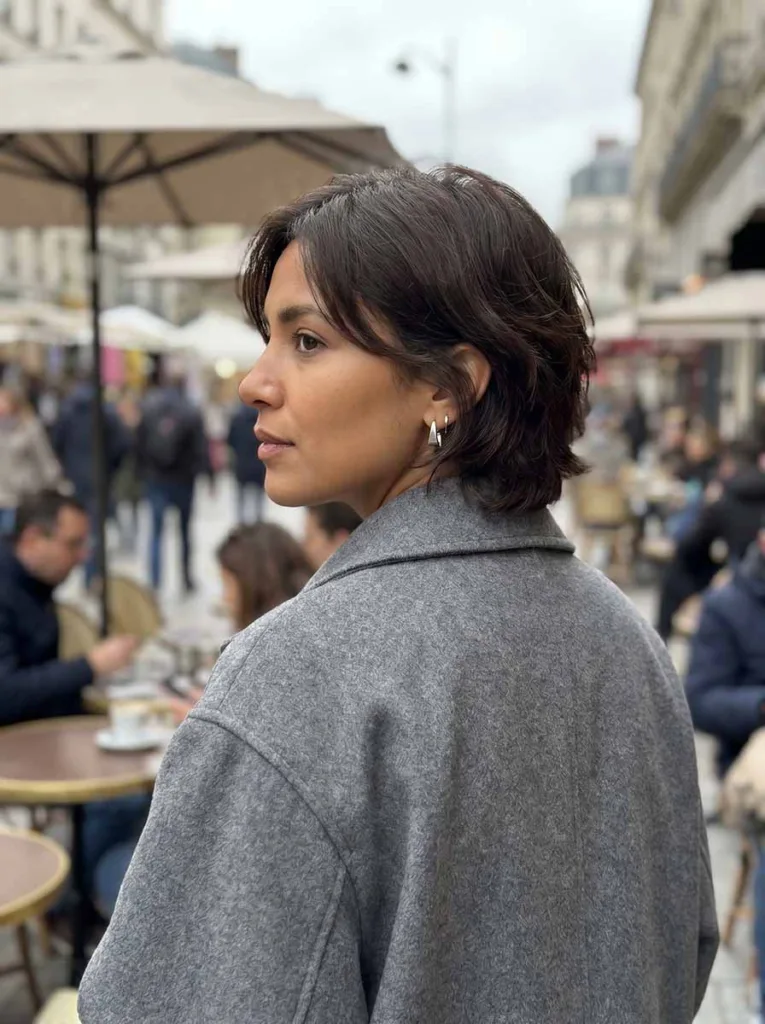
20. Minimalist Bixie
Clean lines, minimal layering, no fringe. Straight or slightly wavy hair. The sleekest version of the cut, closer to an architectural shape than a casual one. Pairs well with structured accessories or a plain outfit.
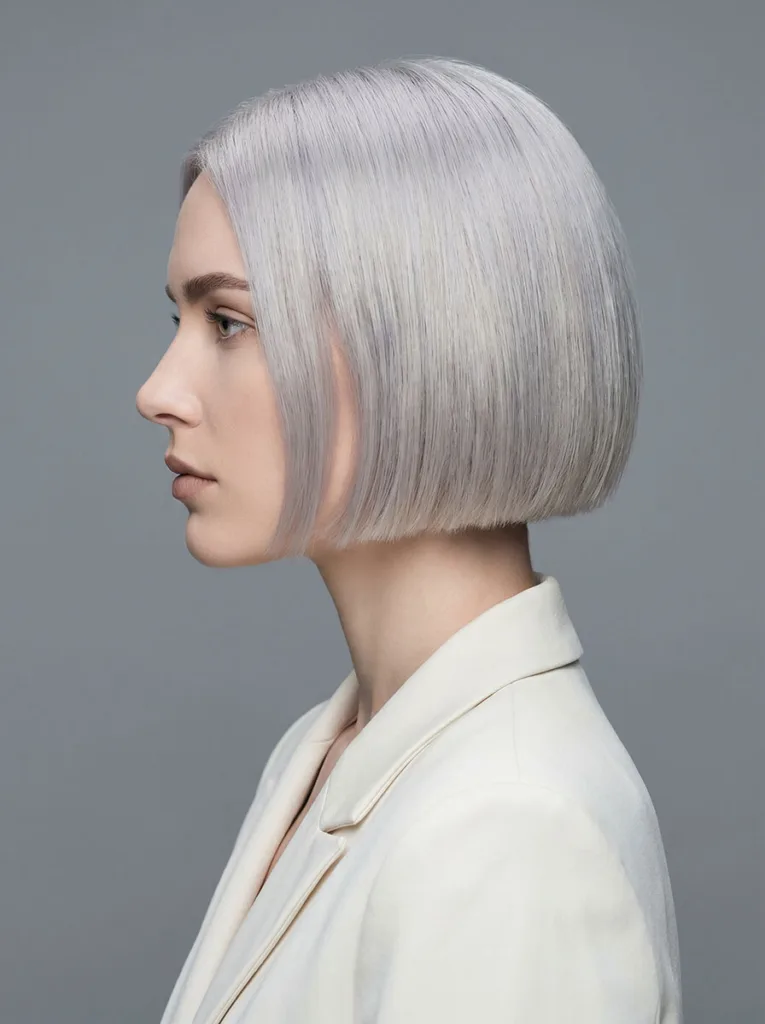
Which Face Shape Suits The Bixie?
With some adjustment, almost any face shape works.
Oval faces can handle any variation: curtain bangs, asymmetrical, micro-bangs. If you have an oval face and feel nervous about the bixie, the face shape isn’t the issue.
Round faces need height at the crown and less volume at the sides. A longer bixie with crown volume elongates the face visually. Side-swept bangs work better than blunt fringe.
Square faces do well with wispy, soft layers that soften the jaw. Curtain bangs help here. Blunt horizontal cuts repeat the squareness — avoid those.
Heart faces need balance at the chin. Layers around the cheekbones help, and curtain bangs open the forehead without adding width below it.
Long or oblong faces want width at the sides rather than more height. A bixie with fuller sides works. Heavier bangs can also shorten the face visually.
Save this section before your salon consultation — knowing your face shape before you walk in saves a lot of back-and-forth.
How To Style A Bixie Haircut: 3 Looks
Effortless Texture (5 Minutes)
- Towel-dry, apply texturizing cream or salt spray to damp hair
- Scrunch and shake out the roots
- Air dry or diffuse on low
- Separate any sections that need it by hand
Polished And Smooth (10 Minutes)
- Apply smoothing serum to damp hair
- Blow dry section by section with a small round brush, rolling under at the ends
- Flat iron any sections that need it
- Light-hold spray to set
Voluminous (8 Minutes)
- Apply volumizing mousse to roots on damp hair
- Blow dry with a diffuser or finger-dry while lifting at the roots
- Curl the longer sections with a 1-inch iron
- Flip upside down and shake once
Best Products For A Bixie Cut
Texturizing or salt spray is the one you’ll use most. Add it to damp hair for air-dried texture. Volumizing mousse matters for fine hair or root lift. Light-hold pomade or paste defines individual pieces. Strong-hold hairspray locks in the sleek look. Use heat protectant before hot tools. Curl cream goes on damp hair before diffusing for wavy or curly textures.
How Often Does A Bixie Haircut Need Trimming?
Every 4–6 weeks to keep the shape. Trims run 20–30 minutes and cost less than a full cut. Growing it out takes about 8–10 weeks before it settles into a shaggy bob with no difficult transition.
FAQ
What’s The Difference Between A Bixie And A Pixie?
A pixie sits close to the head on the sides and back with very little length anywhere. A bixie keeps length through the crown and face, closer to a short bob shape. If a pixie feels like too much, start with a bixie.
Can I Get A Bixie If My Hair Is Naturally Curly?
Yes. The curl adds volume that makes the cut look fuller. Get it cut dry if you can, or make sure your stylist knows how much your hair shrinks. Wet-cutting curly hair often produces a shorter final length than expected.
Is A Bixie A Big Commitment?
Shorter than a bob, yes. It grows into a shaggy bob without a frustrating middle stage. If you’re unsure, ask your stylist to cut it slightly longer than your reference photo on the first visit.
How Do I Ask For A Bixie?
Bring photos. Tell your stylist you want the lightness of a pixie with more face-framing length. Mention whether you want fringe, layers, or a specific texture. Most stylists know the term.
Does A Bixie Work For Women Over 60?
Yes, and stylists suggest it for this age group. Soft layers, some length around the face, highlights where the hair has lost brightness. It photographs well and takes little time to style.
Will A Bixie Work On Fine, Thin Hair?
Fine hair does better with a bixie than with longer cuts. Removing length removes weight, so the hair looks fuller. The layered structure creates movement that fine hair can’t sustain at longer lengths.
Should You Get A Bixie?
If you want a shorter cut without going full pixie, this is a practical option. It grows out cleanly, suits more hair types than most short cuts, and takes under 10 minutes to style once you know your routine.
Bookmark this page before your next appointment.
For more helpful articles related to haircut ideas, please visit blushhairflow.