18 Double Dutch Pigtail Hairs To Try
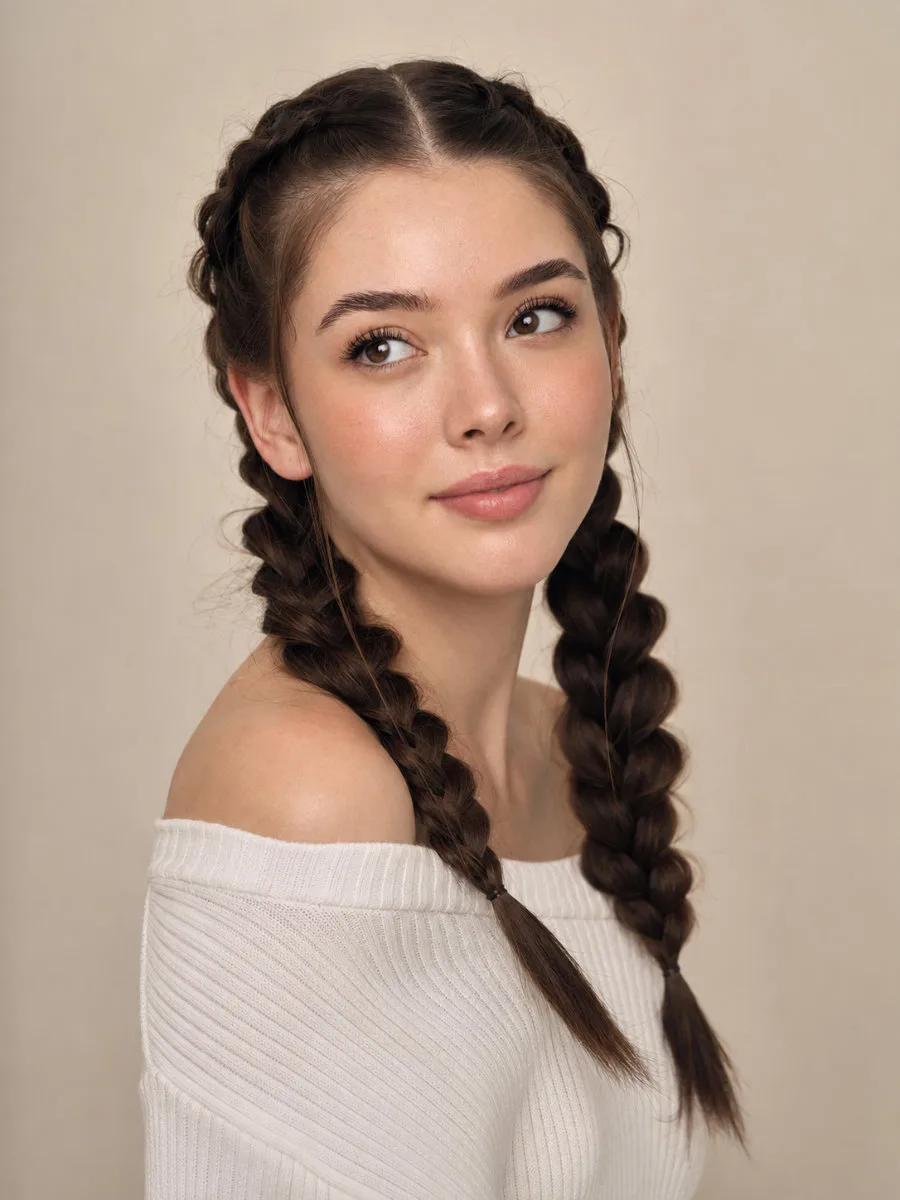
Ever tried double Dutch pigtail braids only to end up with two braids that look nothing alike?
That is the most common frustration with this style. It almost always comes down to two things: starting with the wrong section size and skipping the finishing step that makes braids look full and polished.
Double Dutch pigtail hairs are two inverted Dutch braids worn symmetrically on either side of a center part. The technique is straightforward once you understand the under-crossing method. The results are long-lasting, heat-free, and work on nearly every hair type, from fine and straight to thick and 4C natural hair.
This guide covers the complete double Dutch braid tutorial and 18 Dutch braid hairstyle ideas across every hair type, occasion, and skill level. From sleek and polished to boho, accessorized, and formal, there is a version here that works for you.
What Are Double Dutch Pigtail Hairs?
Double Dutch pigtail hairs are a style of inverted braid pigtails, one on each side of the head, that sit on top of the hair rather than underneath it. That raised, 3D effect is what gives them their signature bold, sculpted look.
The key difference comes down to the crossing direction. A French braid crosses sections over the middle. A Dutch braid crosses sections under the middle, which pushes the braid up and outward. Two Dutch braids worn as pigtails on either side of a center part that is the double Dutch style.
People also call them boxer braid pigtails, a name popularized by athletes and celebrities in the mid-2010s. The style has roots in traditional African braiding techniques and has been worn across cultures for generations. Today, it is one of the most searched and recreated Dutch braid hairstyle ideas online, valued for its mix of practicality and visual impact.
Done right, you get two thick, textured plaits that frame the face and hold all day on almost every hair type.
How To Do Double Dutch Pigtail Hairs
Most people assume this style is complicated. It is not. Once you grasp the under-crossing technique, the rest is repetition. Give yourself about 20 to 30 minutes for your first attempt. It gets faster with practice.
What You Need For Double Dutch Pigtail Hairs
Gather these before you start:
- Rat-tail comb for a clean center part
- 2 hair elastics (small, clear, or matching your hair color)
- Bobby pins for flyaway
- Texturizing spray or dry shampoo for grip (especially on fine or freshly washed hair)
- Volumizing powder if your hair is very slippery
Working with second-day hair gives you the best grip and hold. If your hair is freshly washed, apply a light texturizing spray before you start.
The Double Dutch Pigtail Braiding Technique
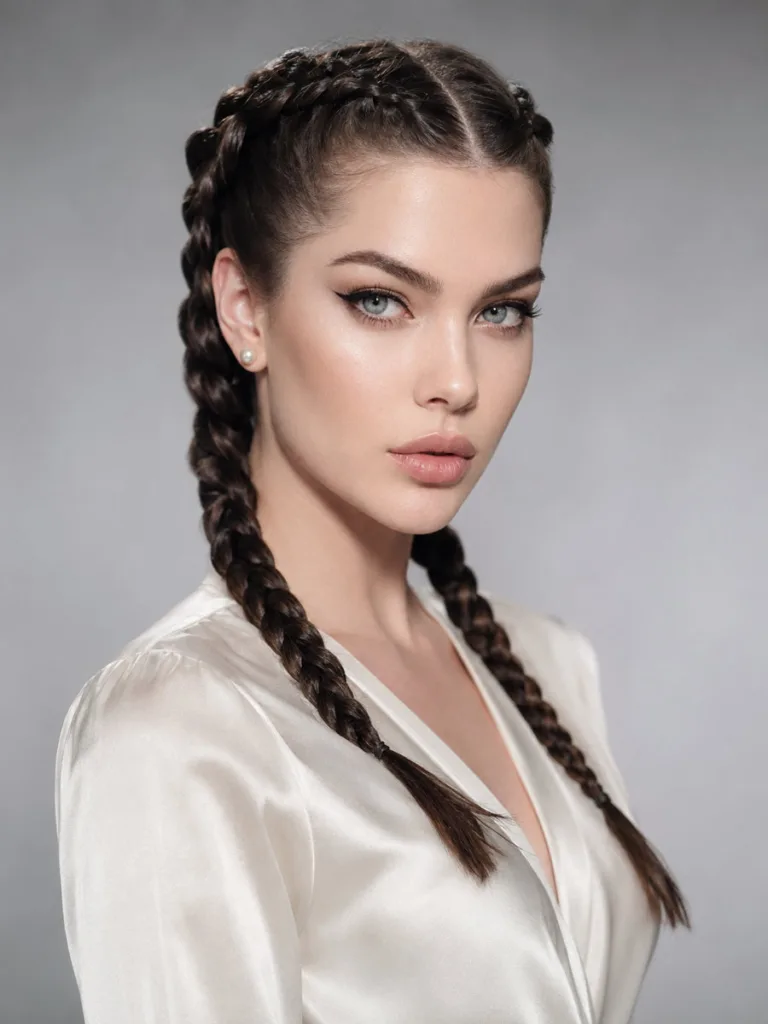
Step 1: Use your rat-tail comb to draw a clean center part from your forehead to the nape of your neck. Separate hair into two equal sections and secure one side with a clip.
Step 2: On the free side, take a small triangular section of hair at the front hairline near your forehead. Divide it into three equal pieces.
Step 3: Begin the Dutch braid by crossing the right piece under the middle piece. Then cross the left piece under the new middle piece.
Step 4: Before the next cross, add a small piece of hair from the scalp to your right section. Cross it under the middle. Add hair to the left section. Cross it under the middle.
Step 5: Continue working down toward the nape of your neck, adding hair with each cross. Keep tension even, not too tight, not too loose.
Step 6: When you reach the base of your head and have no more loose hair to add, continue braiding the remaining length as a regular three-strand braid. Secure with an elastic.
Step 7: Unclip the other side and repeat the exact same steps.
Finishing Double Dutch Pigtail Hairs
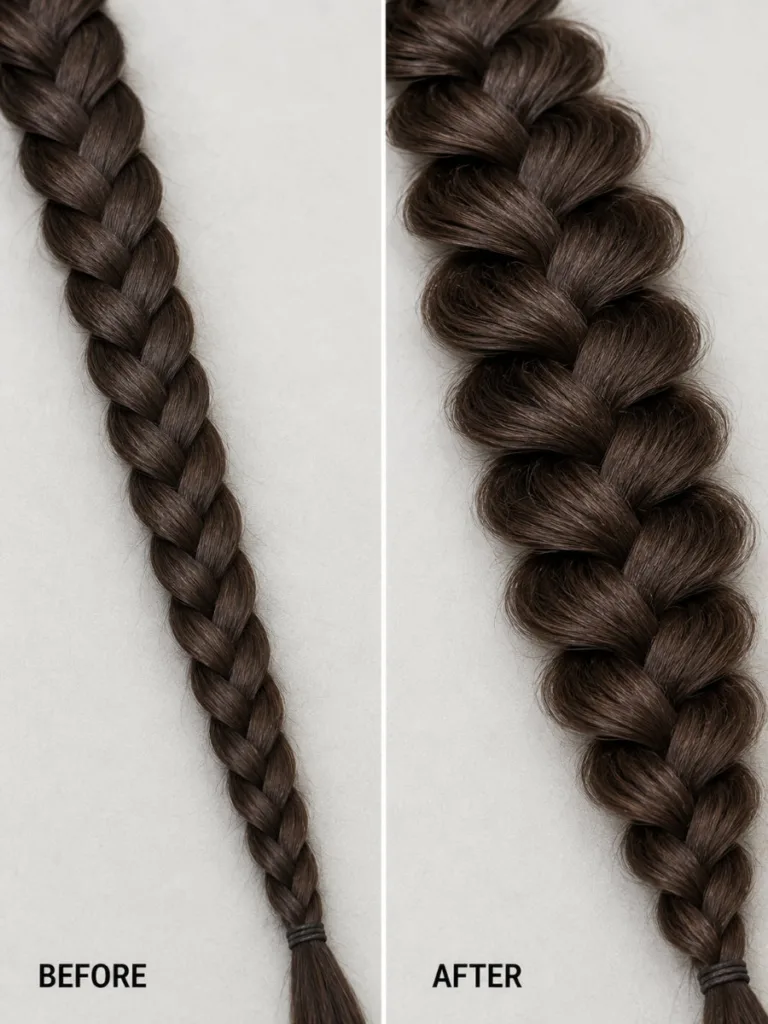
Once both braids are secured, pancake them by gently pulling the outer edges of each braid section apart with your fingertips. This widens and fluffs the braid, adding volume and making it look thicker and more sculpted.
Smooth down any flyaway with a small amount of edge control or hair oil. For extra hold, mist the finished braids lightly with flexible-hold hairspray.
18 Double Dutch Pigtail Hairs: Style Ideas
The classic technique is just the starting point. These 18 double Dutch pigtail hair ideas cover every style preference, hair type, and occasion. Try the ones that match your look.
1. Classic Sleek Double Dutch Pigtail Hairs
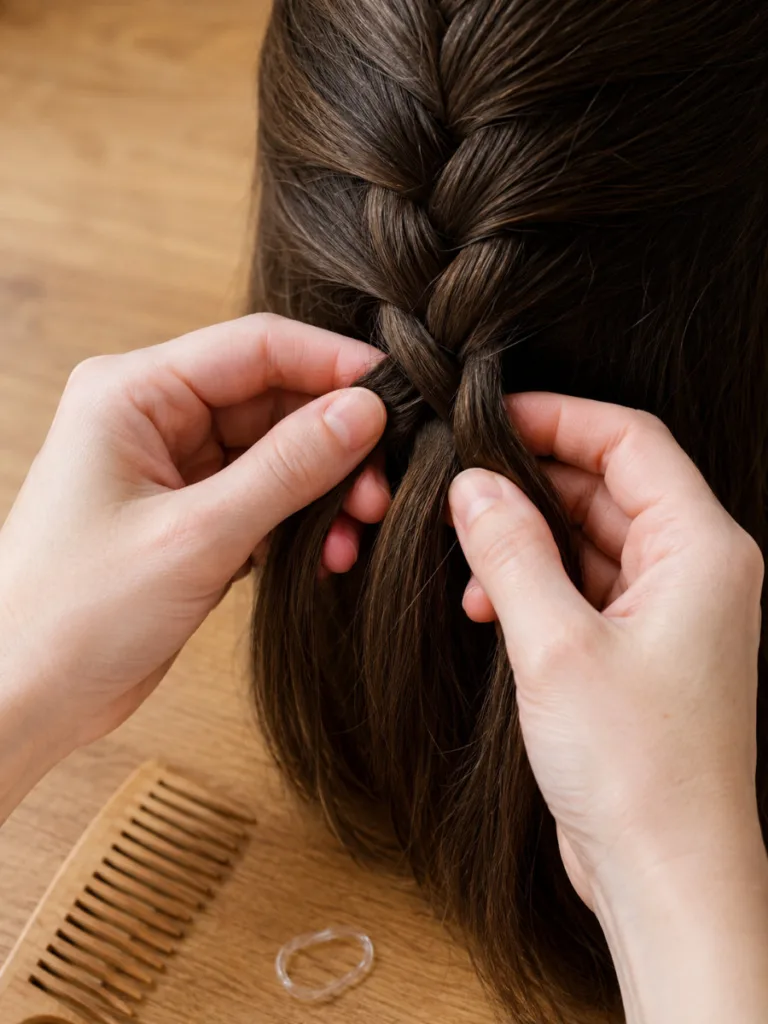
Apply a smoothing serum before braiding and keep tension firm throughout. This controls frizz and gives the finished braids a glossy, refined look. Use a fine-tooth comb to draw a clean center part, then braid each side with consistent tension from root to tip. Keep your sections even so both braids match in thickness and shape. Secure the ends with matching elastics and tuck them neatly under the braid for a clean finish. This version works for work, school, job interviews, or any day you want a put-together look without spending much time on it.
2. Messy Boho Double Dutch Braids
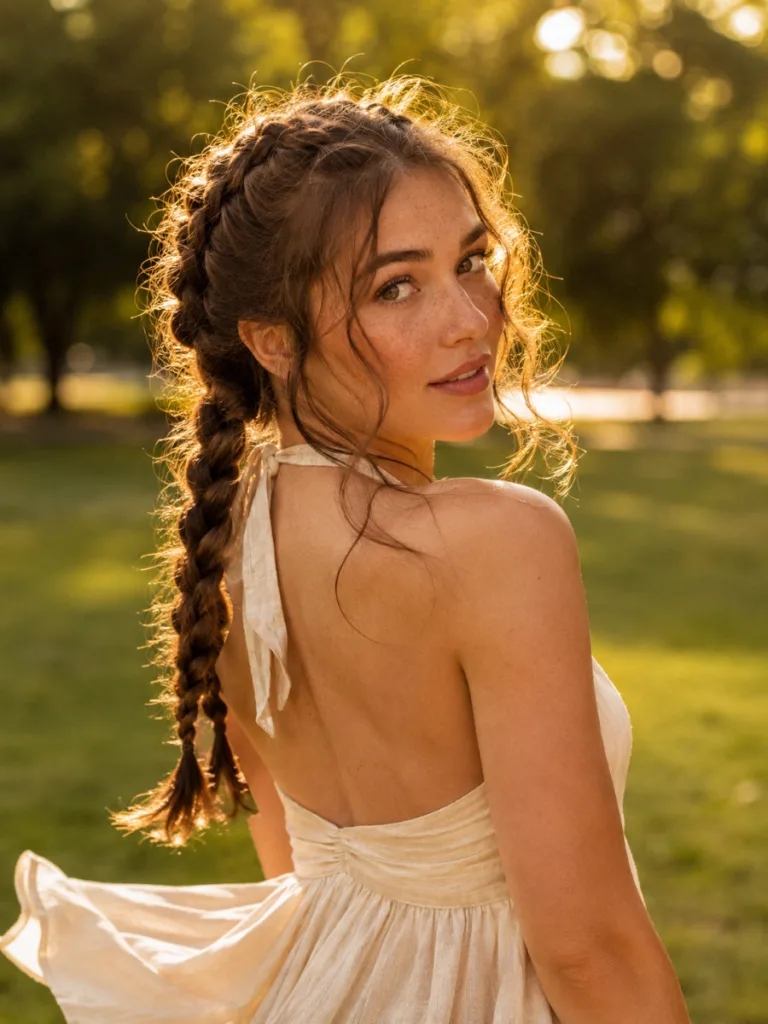
After completing both braids, pancake aggressively. Pull each loop outward with your fingertips until the braids look wide, full, and loose. Leave several face-framing pieces out at the front hairline and let them fall naturally. The goal is relaxed, lived-in texture rather than a polished finish. This pairs well with casual outfits, sundresses, and outdoor settings. On wavy or naturally textured hair, the existing movement adds extra character to the undone look. No additional product is needed.
3. Dutch Braid Pigtails Into Space Buns

Finish each braid in a bun instead of leaving it as a pigtail. Position them low at the nape for a subtle look, or high on the head for a bolder statement. Secure each bun with bobby pins and a second elastic. This keeps hair completely off the neck, which makes it a practical option for hot days and outdoor activities. The combination of braiding at the top and rounded buns at the base creates a silhouette that looks considered without being complicated.
4. Half-Up Dutch Braid Pigtails

Braid only the top section of the hair, from the temples to the crown, and secure each braid into a small ponytail behind the ears. Leave the rest loose, whether that falls in waves, curls, or straight lengths. The contrast between the tight elevated braids and the softness below is what makes this flattering on different face shapes and hair lengths. It works from casual days to semi-formal occasions without much adjustment either way.
5. Braided Pigtails With Ribbons
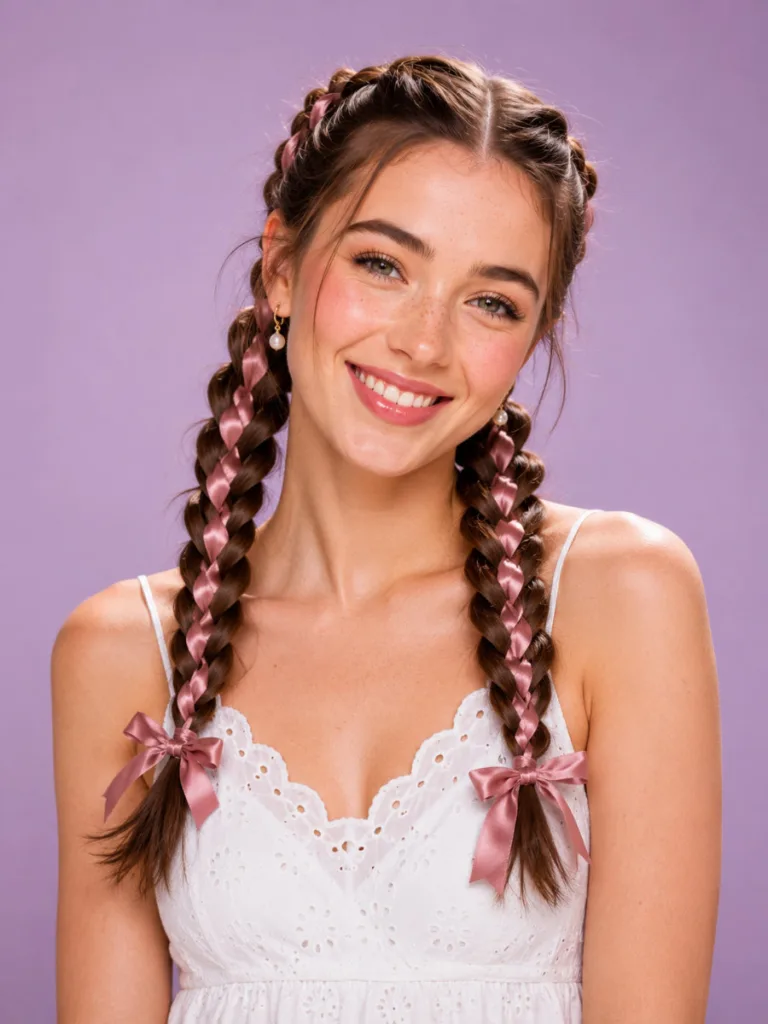
Weave a satin ribbon into each braid as a fourth strand while you go. Hold the ribbon alongside one of the three hair sections and incorporate it with each cross. Choose colors to match an outfit, holiday theme, or school uniform for a coordinated finish. At the end of each braid, tie the ribbon into a small bow. This works well for birthdays, school picture day, and holiday events, particularly on little girls, where the detail makes the style feel intentional rather than just practical.
6. Overnight Double Dutch Braids For Waves
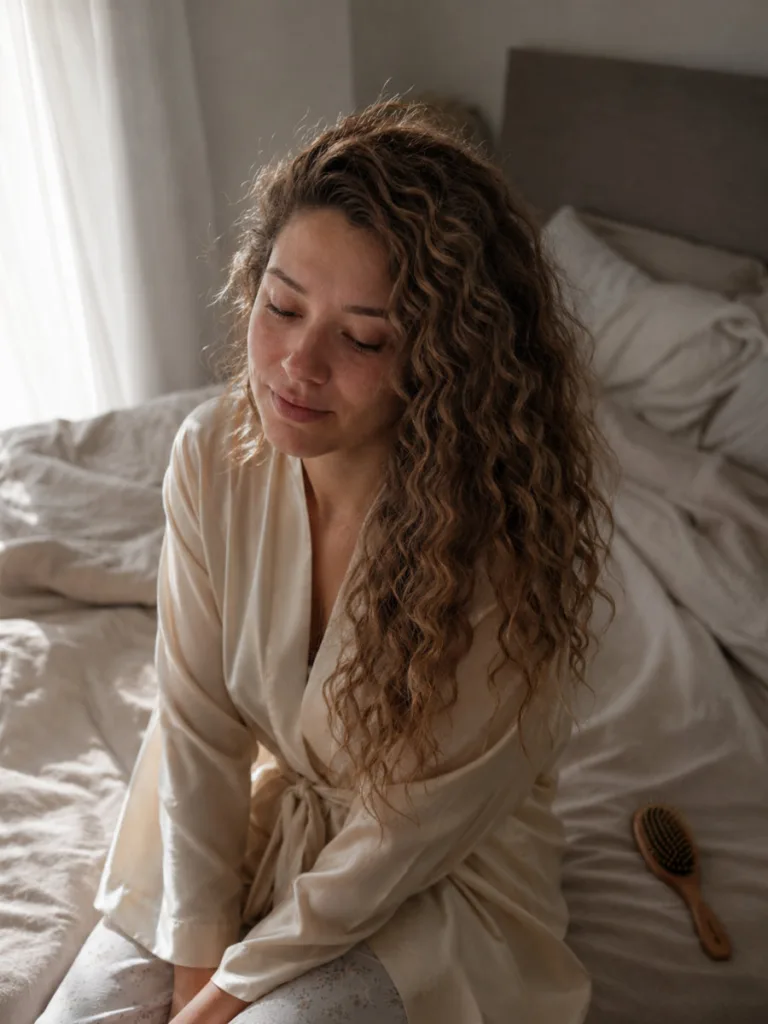
Braid slightly damp hair before bed, secure both braids loosely, and undo them in the morning. The result is crimped, textured waves with no heat involved. The tighter the braid, the more defined the wave. The looser the braid, the softer it comes out. This is a useful option for anyone who wants textured hair the next day without spending extra time in the morning with tools or products.
7. Double Dutch Pigtail Hairs On Short Hair
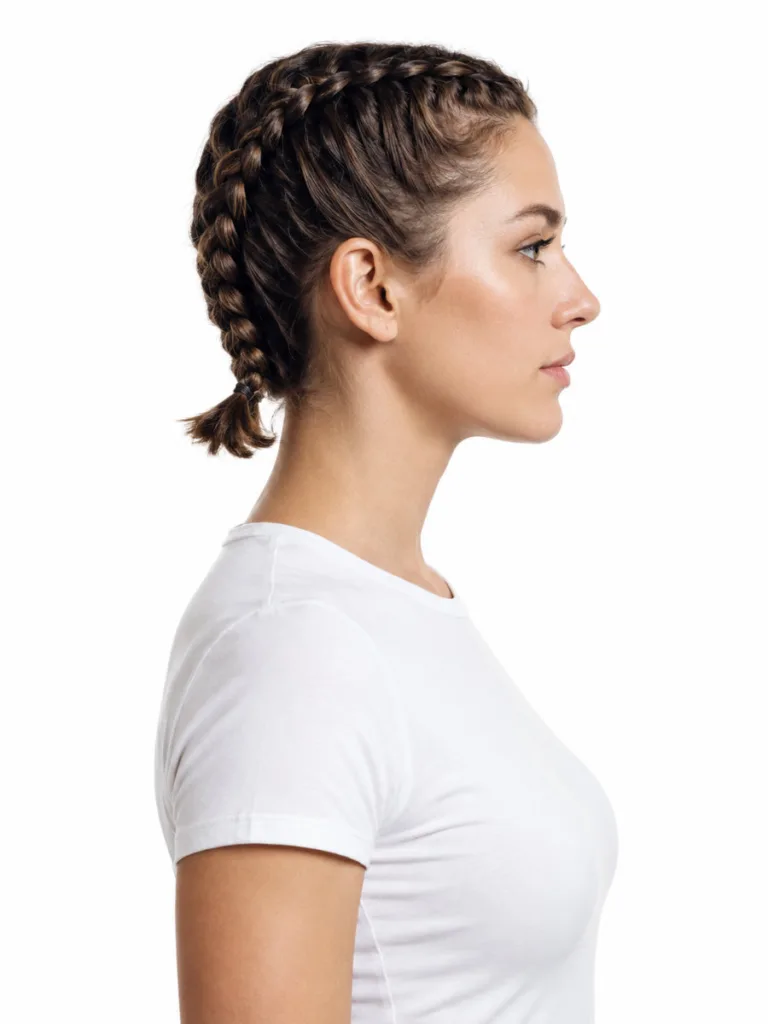
Short hair works fine for this style with a few technique adjustments. Use pomade or styling wax rather than texturizing spray, since these give stronger grip on shorter, more slippery strands. Work with smaller sections and tie off the braid earlier than you would with long hair, leaving a compact pigtail at the base rather than a long tail. The braids sit higher on the head compared to longer-hair versions, which gives the style a fresh, compact character that is different but no less striking.
8. Double Dutch Pigtail Hairs On Fine Hair
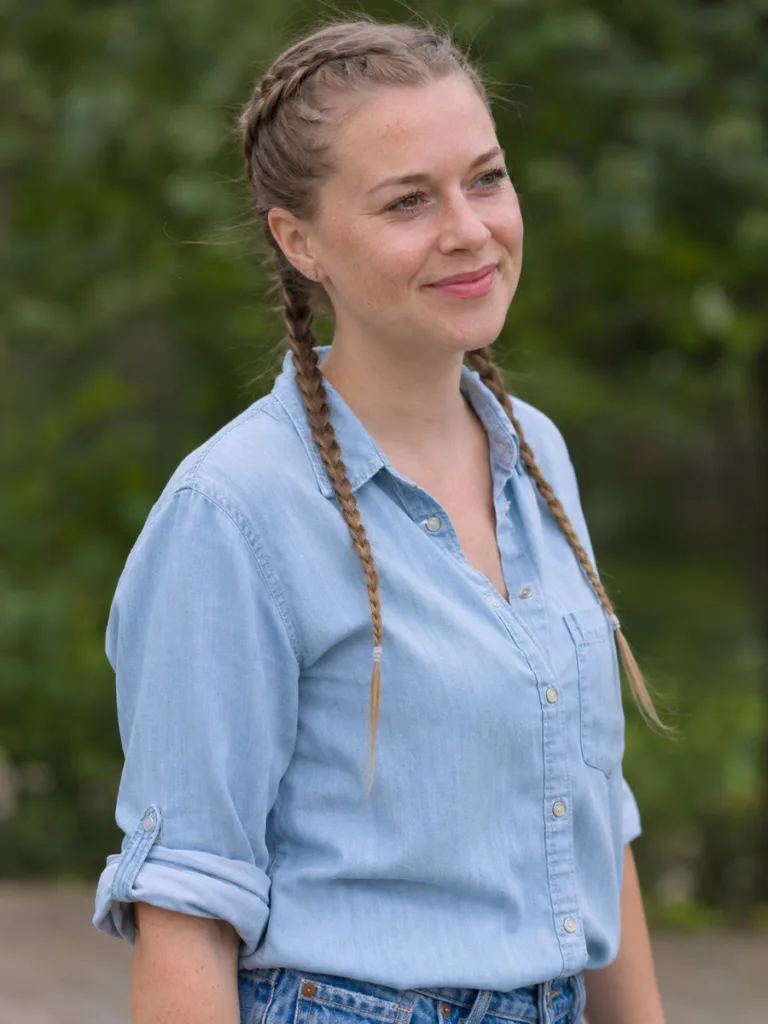
Fine hair slips out of braids easily, so preparation matters more than the braiding itself. Apply volumizing mousse or texturizing spray to dry hair before starting. This roughens the surface of the strands and creates enough grip to keep each section in place. Always work on second-day hair rather than freshly washed, since clean fine hair is especially slippery. Use smaller sections throughout for a tighter braid. Finish by securing the ends with a snag-free elastic and misting the whole style with light-hold hairspray to hold the shape through the day.
9. Double Dutch Pigtail Hairs On Thick, Curly, Or 4C Natural Hair
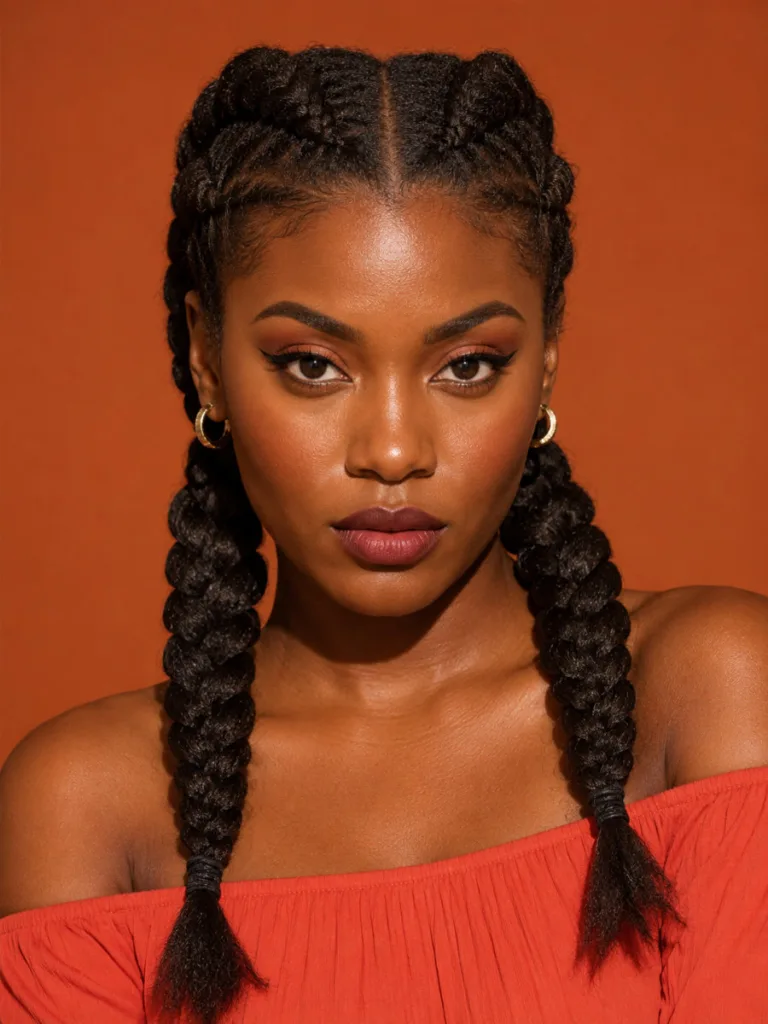
Thick and curly hair holds this style well because the existing texture provides grip without additional product. This includes 4C and natural African-American hair, where the tight coil pattern produces a bold, defined result. Divide the hair into two genuinely equal halves so neither braid ends up noticeably thicker. Apply a light moisturizing cream or braid gel before starting to smooth each section without stripping the natural texture. On very thick or densely coiled hair, braiding while slightly damp makes the process more manageable. Let the braids fully dry before pancaking to keep the shape defined and frizz-free.
10. Sporty Double Dutch Braids
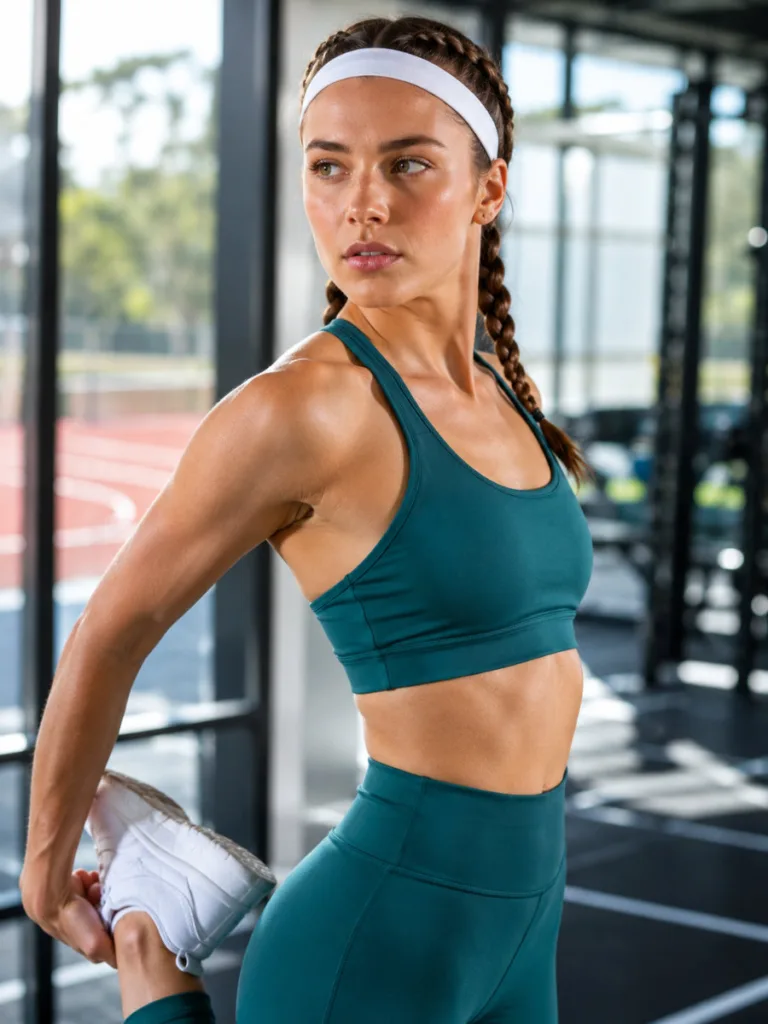
For workouts, double dutch braids are one of the most reliable braid styles available. Keep the braids tight with no pancaking. The goal here is security, not volume. Secure the ends with snag-free elastics and add a non-slip headband at the hairline before braiding to keep baby hairs controlled during movement. These braids hold through gymnastics, soccer, dance, running, and HIIT training without loosening the way ponytails do. They also reduce the friction and tangling that happens when loose hair moves during exercise.
11. Festival Braid Pigtails

Start with the messy variation, maximum pancaking and face-framing pieces, then layer in accessories. Thread wooden or acrylic beads onto braid sections as you go, or weave a thin ribbon through the finished loops for color. Add small floral pins or dried flower clips at the crown. The result is textured, layered, and personal. This looks particularly good photographed outdoors in natural light, and the accessories add enough visual detail to stand out in group settings without the style feeling overdone.
12. School-Day Double Dutch Pigtail Hairs For Kids
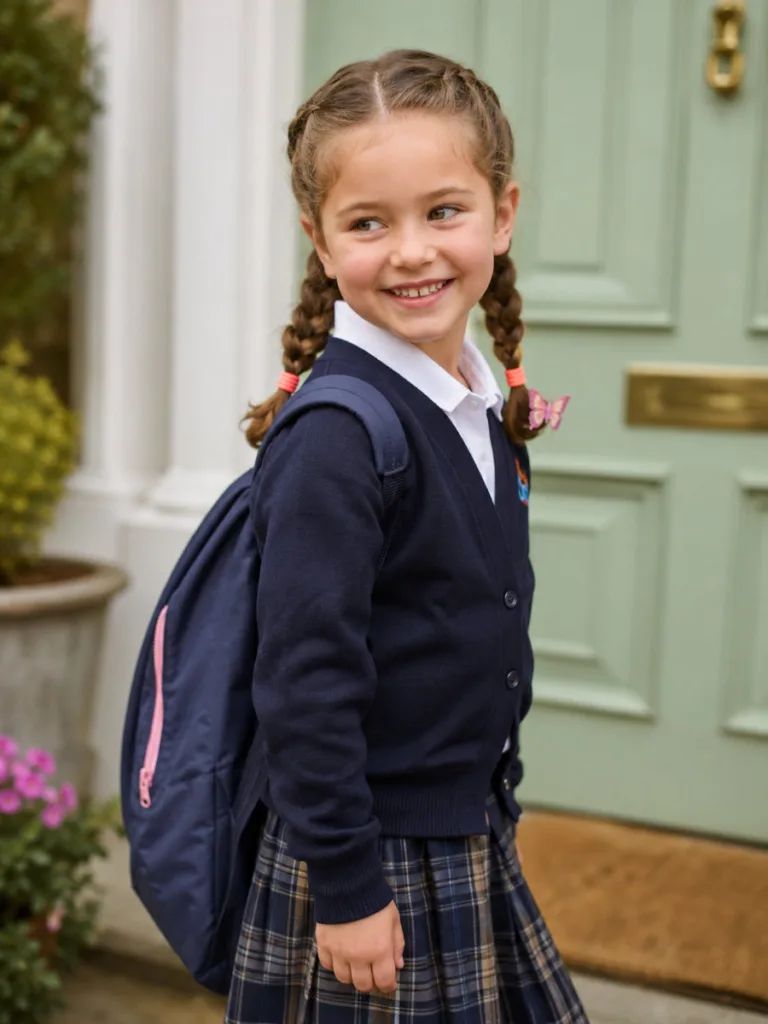
For young girls, this style covers every practical requirement: secure, long-lasting, and heat-free. For school mornings, keep the center part clean and both braids symmetrical. For children between ages 3 and 7, part slightly higher on the head so the braids frame the face rather than falling flat against the neck. Work with smaller sections to suit finer children’s hair. Finish with matching elastics and add butterfly clips, pearl pins, or small scrunchies at the ends. These braids typically hold through a full school day without requiring touch-ups.
13. Dutch Braid Pigtails With Bubble Ends
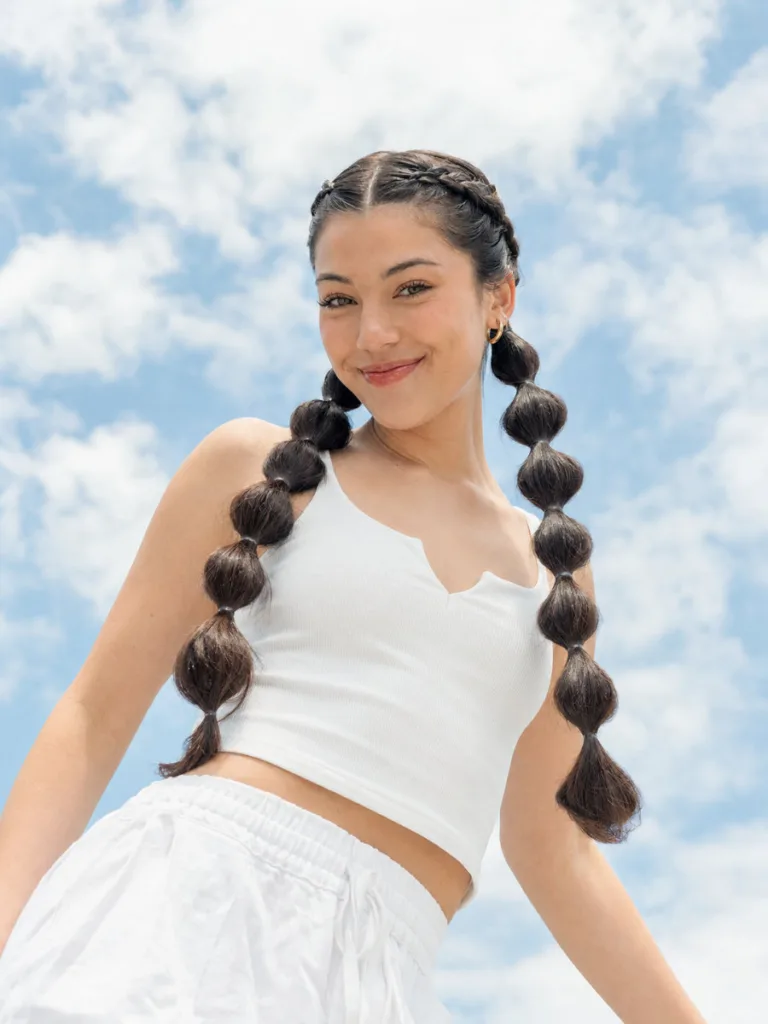
After securing the bottom of the braid, add small hair ties every 2 to 3 inches down the remaining loose tail. Once all the elastics are in, gently pull each segment outward to puff it into a rounded bubble shape. The contrast between the flat woven braid at the top and the voluminous bubble sections below creates a textural effect that reads more editorial than every day. This works on all hair lengths and is particularly striking on longer hair where there is more tail to work with.
14. Chunky Dutch Braid Pigtails
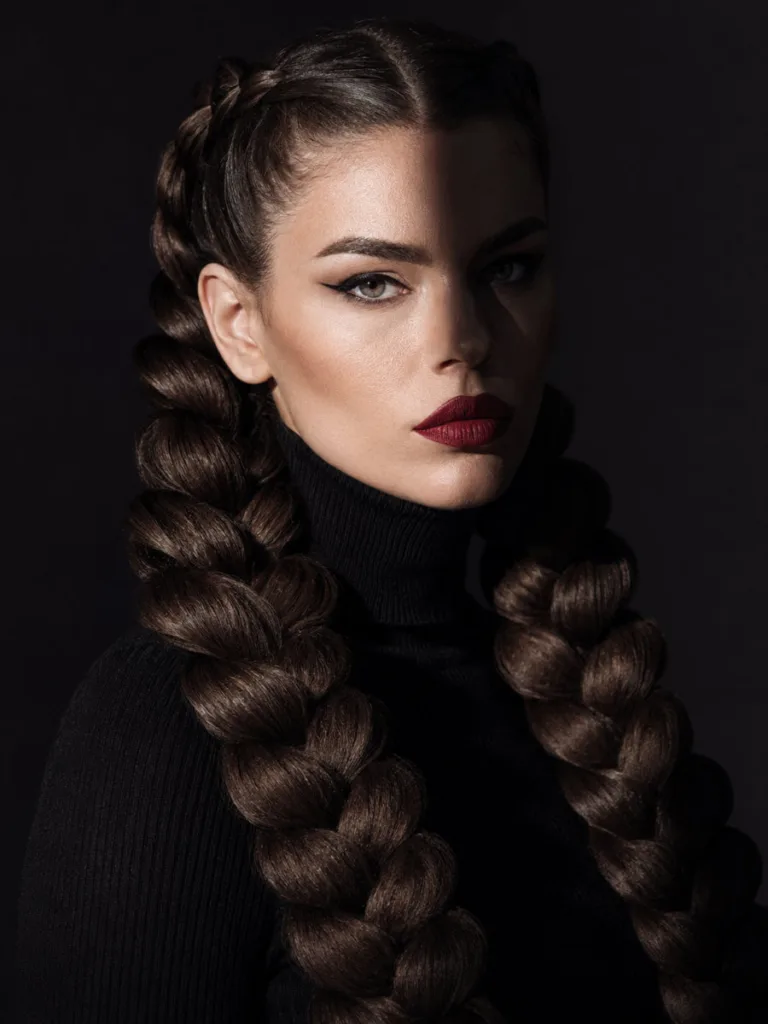
Use roughly twice the normal section width for oversized, bold braids with a sculptural look. The resulting braids will be wider, heavier, and more dramatic in appearance. Pancake generously after finishing to push the width even further. This works best on thick or medium-density hair that can hold the weight of larger sections without looking sparse. The silhouette reads as fashion-forward rather than every day, which makes it a strong choice for content creation, events, or any situation where the hair is meant to be the focal point.
15. Braided Pigtails With Beads Or Cuffs
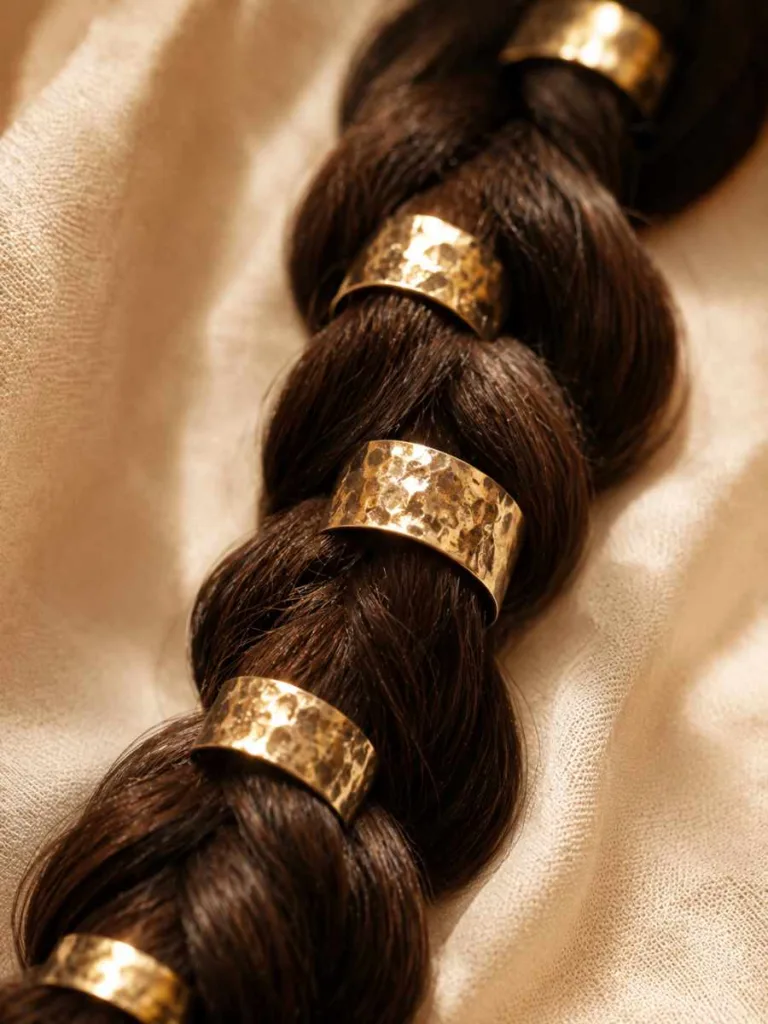
Metal hair cuffs are the easiest accessory to incorporate. Slide them onto individual braid sections before each cross and they will stay secure throughout the finished plait. Wooden or acrylic beads work the same way for a more bohemian look. For a cleaner finish, slide cuffs onto the completed braid and space them evenly from root to tip. Gold cuffs suit warmer, more elevated aesthetics. Silver or mixed-metal options work with cooler or more eclectic styles. No additional braiding skill is needed, and the visual difference is immediate.
16. Dutch Braid Pigtails With Curly Ends

Braid each side down to roughly mid-length and secure, leaving the remaining ends free. Curl the loose sections with a wand curler or flexi rods, wrapping each piece away from the face. Once the curls cool and set, release them. The transition from tight braid to soft curl creates a contrast that reads as put-together without being stiff or overly formal. This works well for semi-formal events, family portraits, and occasions where you want something a step beyond the everyday version.
17. Side-Swept Braid Pigtails
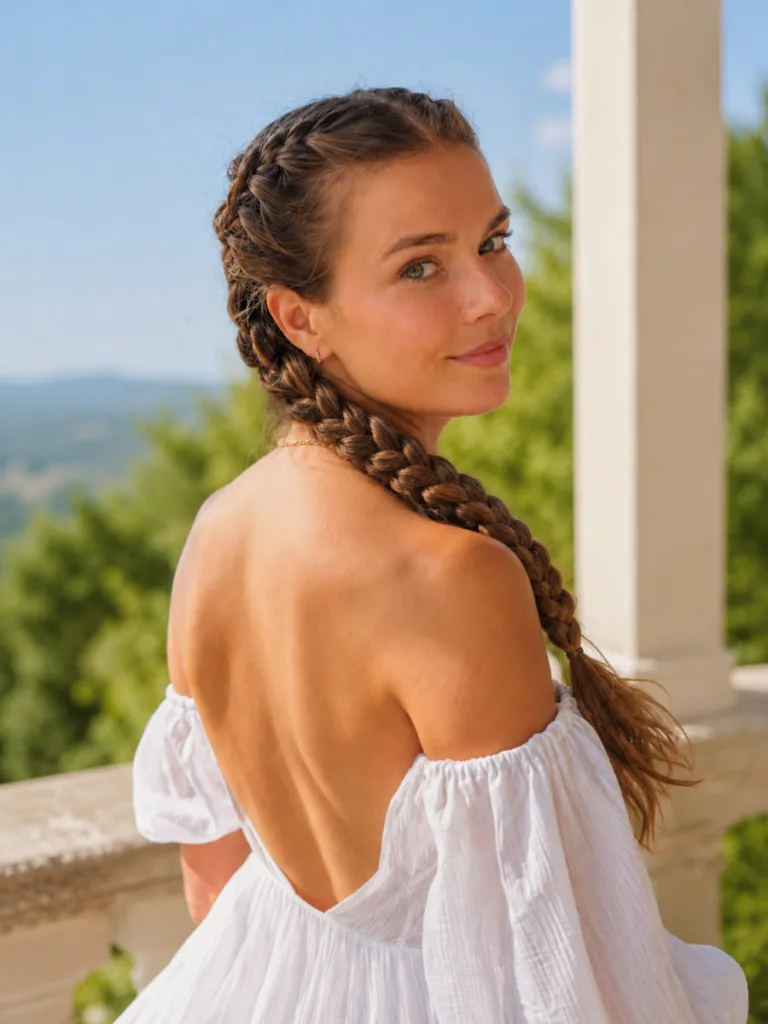
Instead of braiding straight back, angle both braids toward one side of the head. Guide each braid diagonally as you go and secure them at the nape, or drape them over one shoulder for a more dramatic finish. The asymmetric placement gives the style a modern quality the standard version does not have. This works particularly well for formal events, dinner outings, and settings where you want a more considered take on double dutch braids without adding extra styling time.
18. Formal Dutch Braid Pigtails
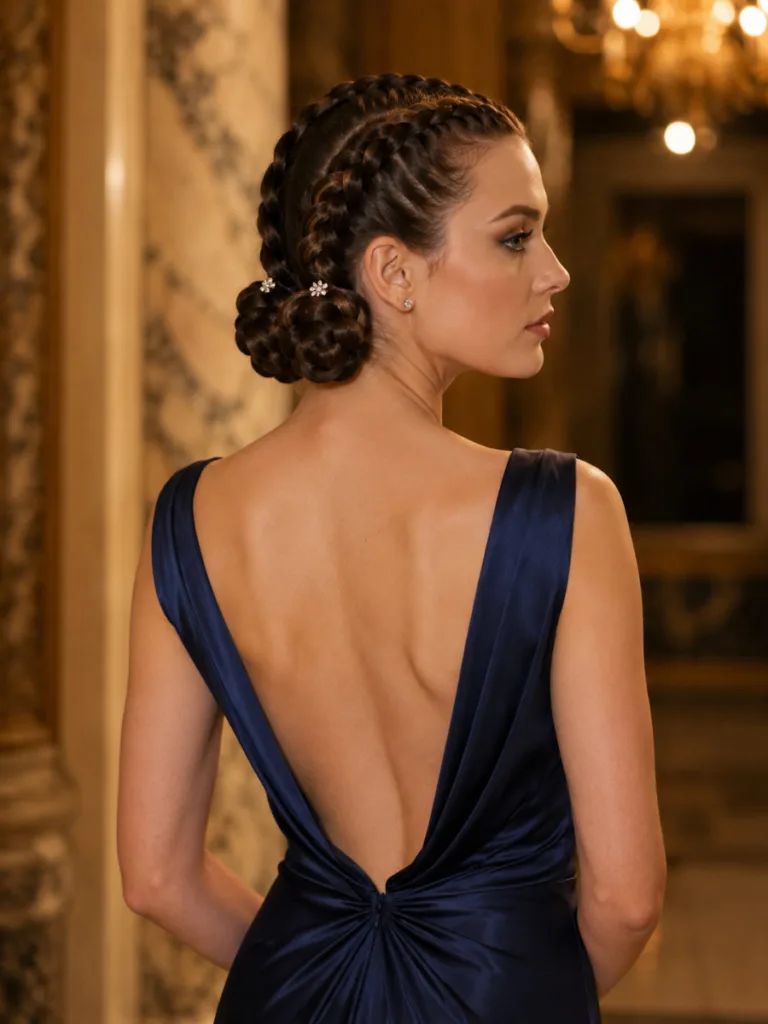
Braid both sides as tightly and smoothly as possible, keeping every section even and close to the scalp. Once complete, coil or fold each braid into a low, compact shape at the nape and secure with bobby pins. Finish with jeweled hair pins or a small sparkling clip at the base of each coil. The result is structured and elegant, and works for wedding guest appearances, graduations, and formal dinners where a well-made updo is the right call.
Double Dutch Pigtail Hairs For Kids: What Parents Need To Know
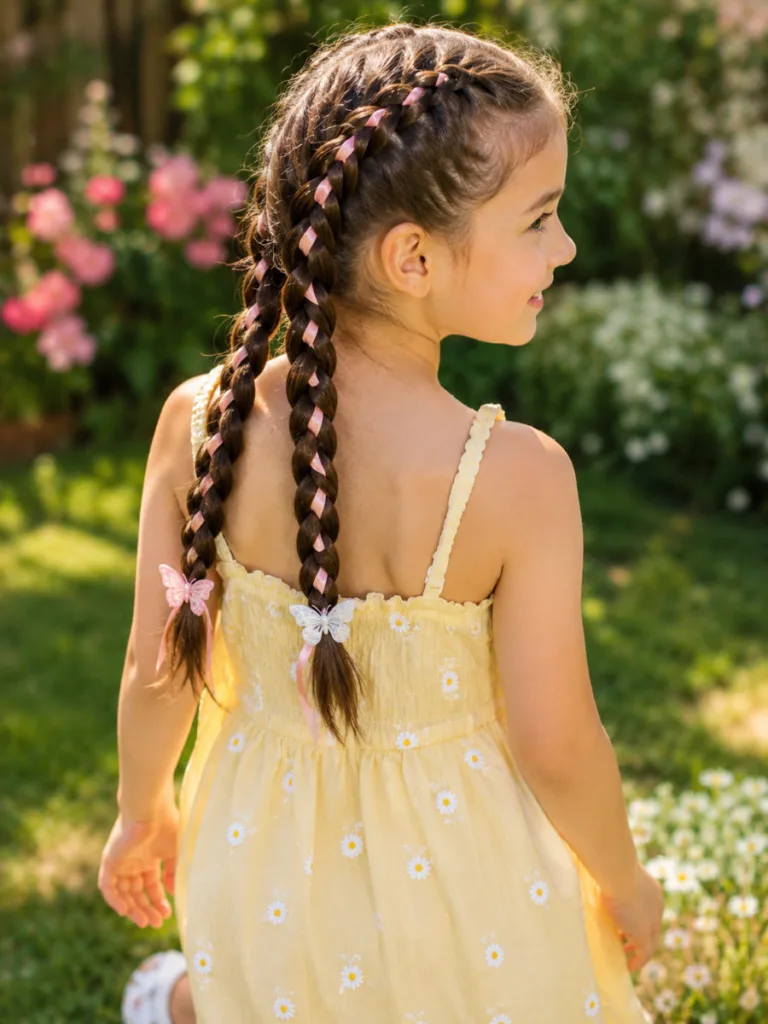
Double Dutch pigtails for kids are a practical choice for young girls. Heat-free, secure, and compatible with most children’s hair types, this style holds up better through an active school day than most alternatives. That said, styling a child’s hair is different from styling your own, and a few adjustments make the process faster and more comfortable for both of you.
Adjusting The Technique For Children’s Hair
Children’s hair, especially in the 3 to 10 age range, tends to be finer and more delicate than adult hair. Use smaller sections throughout the braid to compensate, as this creates a tighter grip that resists loosening during active play. Draw the center part slightly higher on the head than you would for an adult, so the braids frame the face rather than falling flat against the neck. Work gently and keep tension lighter than you would on your own hair. A detangling spray applied before braiding makes the process quicker and prevents unnecessary breakage or discomfort.
Accessories That Work Best For Kids’ Double Dutch Pigtails
Accessories are what make this style memorable for children. Satin ribbons woven directly into the braid during braiding are the most secure option. They will not slide out the way clips sometimes do during physical activity. At the ends, butterfly clips, star-shaped pins, pearl elastics, or mini scrunchies in coordinating colors add a cheerful finish without overwhelming the style. For school mornings, matching accessories on both braids keep the look tidy. For birthdays, recitals, or holiday events, swap in metallic or jeweled clips to dress it up without adding heat or extra styling time.
How Long Double Dutch Pigtails Last On Kids
When done with smaller sections and a light texturizing product at the roots, Double Dutch pigtails on children typically hold for a full school day without touch-ups. For longer wear, sleeping in a satin bonnet or on a satin pillowcase preserves the braids overnight and extends their lifespan considerably. Avoid cotton pillowcases, which cause friction and frizz that loosen the braid faster.
Common Double Dutch Pigtail Hair Mistakes To Avoid
Most braid failures trace back to the same four mistakes.
Uneven Sections
A crooked center part throws off the whole style. Take an extra 30 seconds to draw a clean, straight part before you start. It makes a significant difference in how symmetrical the finished braids look.
Too Much Tension At The Roots
Braiding too tightly causes discomfort and can lead to breakage over time. Keep tension firm but not painful. If your scalp aches, loosen slightly and redistribute the pressure.
Skipping The Pancake Step
Many beginners skip this and wonder why their braids look flat. Pancaking is not optional. It is what transforms a tight, narrow plait into a full, textured braid.
Braiding On Freshly Washed Hair
Clean hair is slippery. Hair prepped with texturizing spray, or simple second-day hair, holds a braid far better. This is the most common reason beginners end up with braids that fall apart before the day is done.
Frequently Asked Questions About Double Dutch Pigtail Hairs
What are double Dutch pigtail hairs?
Double dutch pigtail hairs are two side-by-side Dutch braids, one on each side of a center part. Dutch braids cross sections under the middle instead of over, which pushes the braid up and outward so it sits on top of the hair. The finished look is bold, raised, and long-lasting.
How long does it take to do double Dutch pigtail hairs?
Your first attempt takes about 20 to 30 minutes. With practice, most people finish in 10 to 15 minutes. Prepping hair with texturizing spray beforehand speeds up the process significantly.
Can you do double Dutch pigtail braids on short hair?
Yes. Use pomade or wax for grip, work with smaller sections, and expect shorter braids that sit higher on the head. The result is compact and charming and still delivers the full Dutch braid pigtail look.
Are double Dutch pigtail hairs the same as boxer braids?
Yes, they are the same style. “Boxer braids” is a nickname that became widespread when athletes and celebrities wore double Dutch braids. Both terms describe two inverted Dutch braids worn symmetrically as pigtails.
How do you make double Dutch pigtail braids last longer?
Braid on second-day hair, use snag-free elastics, and finish with a light-hold hairspray. Sleeping in a silk bonnet or on a silk pillowcase extends the style significantly. With proper care, the braids can last 2 to 3 days.
Conclusion
Double Dutch pigtail braids are one of those rare styles that look hard and wear easy. Once you nail the under-crossing technique and learn to pancake, you will reach for this style regularly. Start with the classic sleek version to get the technique right, then try bubble ends, beads, or the overnight method for variety.
Pick your favorite idea and start braiding today. Bookmark this page so you have it ready next time.
For more helpful articles related to haircut ideas, please visit blushhairflow.