
Hair Fall Remedies: Proven Fixes for Autumn Shedding

Hair fall remedies get searched the most every October, which tells you something useful about timing. The extra hair in your brush is often your follicles keeping a seasonal appointment, not a crisis. What you do in the next eight weeks still matters. The right remedies protect the hair you have while the cycle resets itself.
This guide ranks eight hair fall remedies by evidence. The list runs from a warm oil massage to 5% minoxidil foam. You will find realistic timelines for each one and honest costs. You will also learn the exact warning signs that mean skipping home remedies and booking a dermatologist. If you are searching for how to stop hair fall, this ranked list saves you the trial and error.
No miracle cures here. Just what works, what helps a little, and what to stop doing today.
The most reliable hair fall remedies are 5% minoxidil foam, scalp massage, gentle handling, and fixing confirmed nutrient shortfalls.
What Counts as Hair Fall (and What Does Not)
Losing 50 to 100 hairs a day is widely considered normal. Your scalp holds roughly 100,000 hairs, and about one in ten sits in the shedding phase at any moment. Wash day looks dramatic because several days of normal shedding arrive at once, not because your hair suddenly gave up.
Hair grows in a cycle with three main acts. Anagen is the growth phase and lasts years. Catagen is a short wind-down. Telogen is the rest phase, and exogen is when the strand finally releases. Every follicle runs its own schedule, so a steady trickle of shed hair is the system working as designed.
Hair fall becomes a problem when the trickle turns into a flood. Clumps in the shower cross the line. So do a visibly wider part and a ponytail that feels thinner each month. Telogen effluvium is the medical name for heavy shedding after a trigger like illness, major stress, crash dieting, or childbirth. It usually arrives two to three months after the trigger. That delay is why autumn shedding often traces back to a rough summer.
True hair loss looks different from heavy shedding. Shedding thins everything a little. Loss creates a shape: a widening center part, a receding hairline, or smooth bald patches. Shapes need a professional opinion. Floods often just need patience and better habits.
Is It Shedding or Breakage? Take the Strand Test
Before you buy a single serum, pick up one of the hairs you found and look at it closely. This thirty-second test decides which remedies can actually help you.
A naturally shed hair is full length with a tiny bulb at the root end. That bulb means the strand completed its cycle and released. If most of what you find looks like this, your issue is shedding, and the remedies below apply.
Broken pieces are short, with no bulb and often frayed or split tips. Breakage comes from heat styling, bleach, tight hairstyles, or rough brushing, not from the growth cycle. No scalp remedy fixes snapped mid-shafts. The fix is gentler handling, less heat, and conditioning treatments that protect the length you have.
Many women have both at once, especially in autumn. Summer sun weakens the outer cuticle layer, and by October every brush stroke snaps a few more fragile pieces. Knowing your mix keeps you from treating breakage with a scalp serum or shedding with a deep conditioner.
Why Hair Falls More in Autumn
Seasonal shedding is real, and October sits near the peak of it. Trichologist Tiffany Hall says seasonal shedding can run from late August through October. Researchers call the driver delayed telogen release. Longer, brighter summer days appear to hold more follicles in the resting phase. As daylight shortens, those resting hairs release around the same time. Her full breakdown of the autumn shed is worth a read if you want the science behind the season.
This is a normal, cyclical pattern, and for most women it settles by December or January. But Hall adds an important caveat: not every October increase is the season. Stress, low iron, thyroid issues, medications, and rapid weight loss all cause shedding too. The trigger can sit twelve weeks in the past.
That timing matters for your plan. If your shed started in October, ask what happened in July. Think back to illness, a crash diet, or a stressful stretch at work. While the cycle resets, soft autumn hairstyles with texture can make shedding less visible day to day. Seasonal shedding needs support and patience. Triggered shedding needs the trigger addressed. Throwing every hair-growth shampoo at the problem without knowing your cause wastes money. That is why the next section ranks remedies by evidence instead of hype.
8 Hair Fall Remedies, Ranked From Gentlest to Strongest
These eight hair fall remedies for women run from free habit changes upward. The last one is the over-the-counter treatment with the strongest research behind it. This order also reflects how to stop hair fall with the least effort and money first. Start at the top and work down. Most women see the best results from combining two or three, not from betting on a single one.
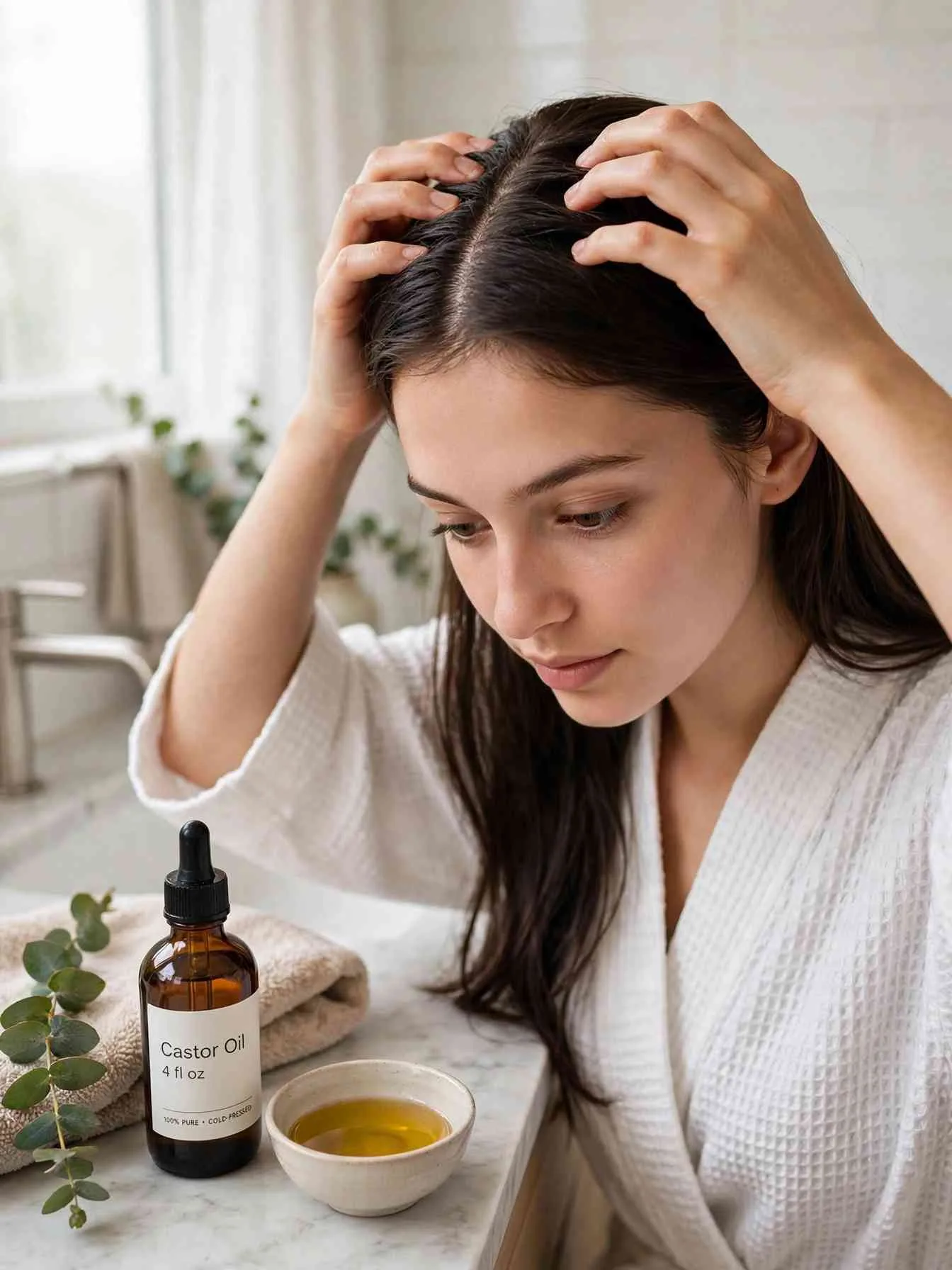
Step 1. Warm Oil Scalp Massage
Warm a tablespoon of coconut oil or castor oil until it feels comfortable on your wrist, never hot. Work it into your scalp with your fingertips in slow circles for five minutes. The massage matters more than the oil.
A small study published in Eplasty found that regular scalp massage increased hair thickness over 24 weeks. The mechanism is simple: gentle pressure boosts blood circulation to the follicles. Adding two drops of rosemary essential oil per tablespoon of carrier oil is popular. One study found it performed similarly to 2% minoxidil, though the research is still early and limited.
How often: Two to three times a week before shampooing.
Watch out: Heavy oils can clog pores on acne-prone scalps, so shampoo thoroughly afterward.
Step 2. Onion Juice Scalp Treatment
Onion juice is the home remedy with the most interesting small-scale evidence. Onions are rich in sulfur compounds, which support keratin, the protein hair is made of. One trial in the Journal of Dermatology tested onion juice on people with patchy alopecia areata. Twice-daily use brought visible regrowth within six weeks.
That trial was small and studied patchy loss, not everyday shedding, so treat it as promising rather than proven. To try it, blend one onion, strain the juice, and dab it onto your scalp with a cotton pad. Leave it for 30 minutes, then shampoo twice to clear the smell.
How often: Two to three times a week.
Watch out: Do a patch test behind your ear first. Stop if you feel burning, itching, or redness.

Step 3. Fresh Aloe Vera Gel
Aloe vera soothes the scalp the way it soothes sunburned skin. Its enzymes help clear dead skin cells that can clog follicles. It also calms the itchiness that sometimes rides along with shedding. An irritated, flaky scalp deserves attention in its own right. Follicle inflammation can contribute to the shedding.
Scoop fresh gel straight from the leaf and massage it into your scalp. Leave it for 20 minutes before rinsing. Store-bought gel works too, but check that aloe sits at the top of the ingredient list rather than alcohol.
How often: Two to three times a week.
Watch out: Aloe can irritate very sensitive skin, so patch test it like anything else.

Step 4. Fenugreek Seed Mask
Fenugreek seeds are rich in protein and nicotinic acid. Ground and mixed with liquid, they form a slippery paste that coats every strand. Soak two tablespoons overnight, blend with a spoonful of yogurt, and work the paste from roots to ends. Leave it for 30 minutes, then rinse and shampoo as usual.
The evidence here is traditional use rather than clinical trials, but the mask doubles as a conditioning treatment. Hair that is well moisturized breaks less, which means less hair in the brush even before any regrowth begins.
How often: Once a week.
Watch out: The paste has a distinct maple-like smell that fades after a proper wash.

Step 5. Eat for Your Follicles
Hair is mostly keratin, a protein, so shortchanging protein shortchanges your hair. Low iron is one of the most common nutritional drivers of shedding in women. Low vitamin D and zinc also show up in bloodwork more often than most people expect. None of this means you should self-prescribe supplements.
Build the plate first. Choose eggs, lentils, and fish for protein. Add spinach and legumes for iron, pumpkin seeds for zinc, and a daily walk for vitamin D. If shedding persists, ask your doctor for bloodwork covering ferritin, vitamin D, and thyroid function before buying any bottle. Fixing a real deficiency beats guessing with a multivitamin every time.
How often: Every meal is the intervention.
Watch out: Iron supplements without a confirmed deficiency can cause more harm than good.

Step 6. Handle Your Hair Gently
Some of the cheapest hair fall remedies are things you stop doing. Tight ponytails, slicked buns, and heavy extensions pull constantly at the roots. Over time that tension causes traction alopecia: thinning exactly where the hair gets pulled. Switch to loose styles: a soft low bun, a loose braid, or hair worn down.
Change the small friction points too. Detangle from the ends upward with a wide-tooth comb, never ripping down from the roots. Swap rough towel-drying for squeezing with a microfiber towel or an old cotton t-shirt. Sleep on a silk or satin pillowcase so your hair glides instead of snagging. Turn the shower down from scalding to warm, since very hot water strips the scalp’s natural oils.
How often: These are daily habits, not treatments.
Watch out: Wet hair stretches and snaps easily, so be extra gentle right after washing. For low-tension styling ideas, browse loose everyday styles like soft low buns and relaxed braids.

Step 7. Exfoliate Your Scalp Weekly
Follicles cannot thrive under a layer of buildup. Dry shampoo residue, heavy oils, and flaking skin can all sit on the scalp and irritate it. A weekly clarifying wash resets the surface so everything else you do works better.
Use a clarifying shampoo once a week, massaging it in with your fingertips for a full minute before rinsing. For dandruff or an itchy, flaky scalp, try a shampoo with ketoconazole or salicylic acid. Used as directed, it can calm the underlying issue. Treating the scalp condition matters more than any “hair growth” label on the bottle.
How often: Once a week for clarifying; medicated shampoos as their label directs.
Watch out: Clarifying formulas can dry the lengths, so condition the ends well after.

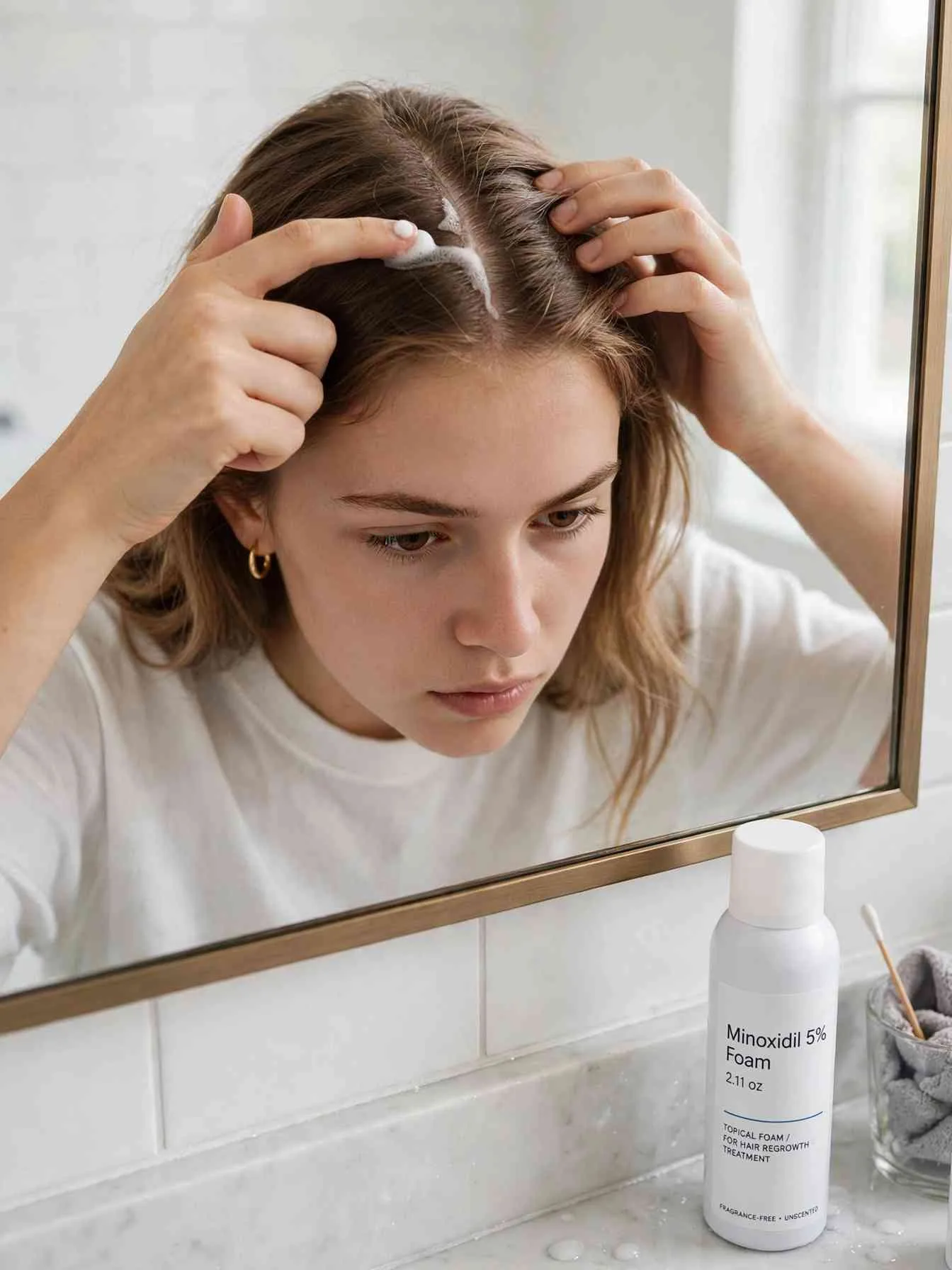
Step 8. Minoxidil 5% Foam
This is the only over-the-counter option with strong clinical evidence for regrowth in women. Minoxidil extends the anagen growth phase and improves blood flow to the follicles. The 5% foam goes on the scalp once daily. The American Academy of Dermatology notes it can reduce loss, stimulate growth, and strengthen existing strands. Dermatologists usually assess results after four to six months of consistent use.
Two things surprise first-time users. Shedding often increases in the first few weeks. Users call this the dread shed: weak hairs making room for stronger ones. And minoxidil only works while you use it: stopping lets hair return to its previous pattern within months. Buy the generic foam to save money; the active ingredient is identical to the brand name.
How often: Once daily, on a dry scalp, long term.
Watch out: Talk to a dermatologist first if you are pregnant, nursing, or have scalp irritation or heart conditions.
Hair Fall Remedies at a Glance
This table puts every hair fall remedy above side by side, so you can compare evidence and effort at once.
| Remedy | What it may help with | Evidence level | Main watch-out |
|---|---|---|---|
| Scalp massage with oil | Circulation, thickness over time | Small studies, promising | Heavy oils need thorough washing |
| Onion juice | Patchy regrowth in one small trial | Limited, specific condition | Smell; patch test for irritation |
| Aloe vera gel | Scalp soothing, flake clearing | Traditional use, thin clinical data | Can irritate sensitive skin |
| Fenugreek mask | Conditioning, less breakage | Traditional use | Distinct smell until washed |
| Protein, iron, vitamin D | Deficiency-driven shedding | Strong when a deficiency is confirmed | Test first; do not self-dose iron |
| Gentle handling | Traction loss and breakage | Strong for prevention | Consistency matters more than products |
| Scalp exfoliation | Buildup, dandruff-related shedding | Good for scalp conditions | Can dry the lengths |
| Minoxidil 5% foam | Regrowth, slowing thinning | Strongest OTC evidence | Dread shed at first; ongoing use needed |
What Hair Fall Remedies Cost
Prices for these hair fall remedies are rough US guides as of fall 2026. They vary by store and city. Start cheap. Most women never need the bottom rows.
| Remedy or treatment | Typical US cost | Notes |
|---|---|---|
| Onion, aloe plant, fenugreek seeds | Pantry staples | Pennies per use from a grocery store |
| Coconut or castor oil | A few dollars a bottle | One bottle lasts months |
| Clarifying or ketoconazole shampoo | Drugstore prices | Often under $15 a bottle |
| Generic minoxidil 5% foam | $8 to $12 a month | Same active ingredient as brands |
| Brand-name women’s minoxidil foam | $25 to $55 for a multi-month supply | You pay for the name and applicator |
| Scalp serum (caffeine or peptide) | $20 to $60 a bottle | Evidence varies by formula |
| PRP therapy | $400 to $1,300 per session; $2,000 to $4,500 in the first year for most women | Clinic procedure; needs maintenance |
When to See a Dermatologist
Hair fall remedies support healthy hair, but they should never delay a proper diagnosis. Book a dermatologist if any of these sound familiar.
See a doctor soon if: shedding has lasted more than three months with no slowdown. Or your part is visibly widening, your hairline is moving, or you notice smooth bald patches. Or shedding comes with itching, pain, scaling, or burning on the scalp. Sudden handfuls of hair, or shedding paired with fatigue, irregular periods, or other body changes, also deserve bloodwork.
A dermatologist can examine your scalp up close, sometimes with a magnified trichoscopy exam, and order the right tests. Early action preserves density: the sooner the cause is named, the sooner the right treatment starts. Bring a timeline of when the shedding began. Note anything stressful or medical from two to three months before it.
Your 8-Week Hair Fall Routine
Tape this to your bathroom mirror. It turns how to stop hair fall into a weekly checklist instead of a vague worry.
Weeks 1 to 2: Start the gentle-handling habits and switch to a silk pillowcase. Do the strand test so you know whether you are fighting shedding, breakage, or both. Begin scalp massage twice a week.
Weeks 3 to 4: Add one kitchen remedy, onion juice or aloe, twice a week. Start the weekly clarifying wash. Eat protein at every meal and book bloodwork if shedding feels heavy.
Weeks 5 to 6: Review your bloodwork with your doctor and address any deficiency found. If shedding is still heavy and no cause turned up, discuss minoxidil 5% foam with a dermatologist or pharmacist.
Weeks 7 to 8: Judge progress by the drain and the brush, not by the mirror, since regrowth takes months. If nothing has slowed, act on it. Get the dermatologist appointment on the calendar if any red flag appeared.
FAQs
Can Home Remedies Regrow Hair?
Home remedies mainly support the scalp and reduce breakage, which makes hair look fuller. True regrowth has the strongest evidence behind minoxidil. Searches for home remedies for hair fall and regrowth keep rising, but the evidence still favors minoxidil for actual regrowth.
How Long Do Hair Fall Remedies Take to Work?
Expect two to three months before judging any remedy, because the hair cycle moves slowly. Scalp massage showed thickness gains at 24 weeks in one study. Minoxidil usually needs four to six months of daily use before results are clear.
Why Is My Hair Falling Out More in October?
October sits near the peak of seasonal shedding, which often runs from late August through October. Summer daylight appears to hold follicles in the resting phase, and they release together as days shorten. It usually settles by December or January.
Does Washing Hair Daily Cause Hair Fall?
No. Washing releases hairs that already shed; it does not pull out growing ones. Someone who washes weekly simply sees a week’s worth of normal shedding at once. Use a gentle shampoo and focus the lather on your scalp.
Should I Stop Oiling My Hair if It Falls?
No, but oil the scalp lightly and shampoo it out fully. Heavy oil left sitting can irritate some scalps. The massage technique matters more than the oil itself, so keep the five-minute massage and rinse well.
When Is Hair Fall Not Normal?
Shedding that lasts past three months, a widening part, bald patches, or scalp pain and itching all deserve a dermatologist. Shedding with fatigue or hormonal changes needs bloodwork too. Seasonal shedding thins everything evenly and then settles.
Final Thoughts
October shedding feels alarming. Most of it is your hair following a seasonal rhythm older than any product on the shelf. Of all the hair fall remedies here, the gentlest ones cost nothing. Think looser styles, a silk pillowcase, and a five-minute scalp massage. Pick two remedies, run the 8-week routine, and judge by the brush, not the mirror. If any red flag appears, skip the serums and book the dermatologist this week.