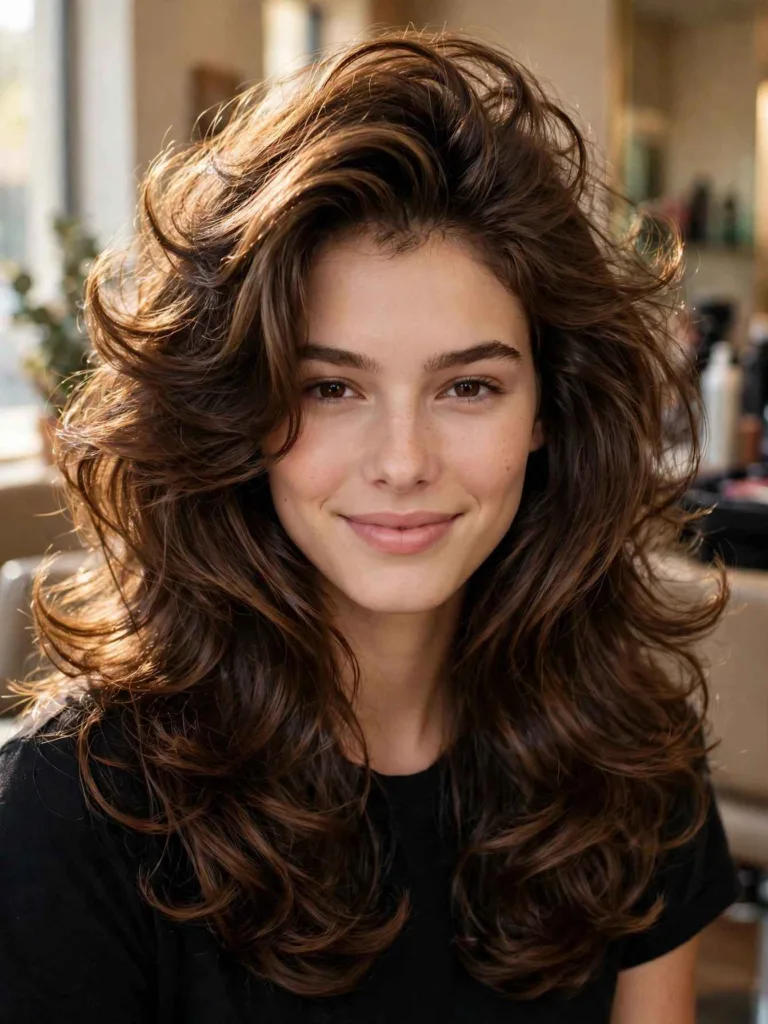
Boyfriend Bob: The Undone Cut With Real Staying Power

A boyfriend bob is the rare short cut that looks better when you stop fussing with it. It sits at or below the jaw. It keeps a strong, boxy outline. It wears soft, undone ends.
This cut is a boxy bob that sits at or below the jaw with soft, undone ends. The shape borrows from boyish cuts. The finish stays relaxed. The result reads cool without reading done up. Fall bob haircuts 2026 roundups keep naming this cut for good reason.
The name comes from the same idea as boyfriend jeans. The cut looks borrowed, a touch loose, and easy to wear. Think of a classic bob with the polish dialed down. The outline stays firm. The texture stays free.
Most versions land between the chin and the collarbone. The classic length hits at or below the jaw. A longer version can skim the shoulders. A short boyfriend bob that ends above the jaw reads sharper. The shorter end feels sharper. The longer end feels softer.
Layers stay minimal. The cut keeps weight through the ends. A few soft pieces frame the face. The perimeter does the work. That firm edge gives the cut its shape.
“Relaxed, slightly undone, and meant to feel like you didn’t overthink it” is how stylist Dimitris Giannetos describes it. That line sums up the whole cut. Movement and ease beat perfection. The goal is a shape that holds up on a normal morning.
This cut suits readers who want short hair without a stiff finish. It suits readers who air-dry more than they blow-dry. It suits readers who want one cut that can look neat or messy.

Boyfriend Bob vs Boy Bob vs French Bob vs Italian Bob
Four bobs sound alike. They cut and wear in different ways. This table clears up the mix-up. Use it before your consult. It helps you name the cut you want.
| Cut | Length | Outline | Layers | Finish | Upkeep |
|---|---|---|---|---|---|
| Boyfriend bob | Jaw to collarbone | Boxy and strong | Minimal | Undone and lived-in | Low |
| Boy bob | Jaw or shorter | Soft and rounded | Light, shattered fringe | Casual and textured | Low |
| French bob | Chin to jaw | Curved and neat | Light | Polished with fringe | Medium |
| Italian bob | Chin length | Blunt and full | Few | Glossy and voluminous | Medium |
This cut leads with its boxy outline. The boy bob sits shorter and softer. The French bob leans neat, curved, and fringe-led. The Italian bob leans blunt, full, and glossy.
If you want polish, pick French or Italian. If you want ease, pick boyfriend or boy. If you want the most undone feel, pick boyfriend. The strong edge keeps it sharp while the texture stays loose.
Readers often mix up this cut and the boy bob. The names sound close. The cuts differ in length and edge. The boyfriend Bob keeps a firmer line. The boy Bob breaks that lineup more.
For a deeper look at the polished side of the family, see the French bob haircut guide. For the blunt, glossy end, see the Italian bob haircut guide. Both show how a small shift in outline changes the whole mood.

How to Ask Your Stylist for This Cut
A good consult starts with clear words. Bring two or three photos of boyfriend bob hairstyles. Pick photos with hair like yours. Show the length you want. Point to the outline you like.
Use this script at the chair when you ask for a boyfriend bob haircut. It keeps the cut on track. It stops the stylist from adding layers you did not ask for.
Length: jaw length, or below the jaw.
Outline: boxy and strong, with a clean perimeter.
Layers: minimal. Keep weight through the ends.
Texture: soft, piecey ends with a lived-in finish.
Part: center part, with room to flip it.
Fringe: none, or a boyfriend bob with bangs in soft curtain pieces.
Ask your stylist to cut the perimeter first. Then ask for soft texture through the ends only. That order keeps the shape strong. It stops the cut from going wispy.
Talk about your hair texture. Fine hair needs a blunter edge. Thick hair needs weight taken out from inside. Wavy hair needs room to move. Curly hair needs a cut that respects the curl pattern.
Ask how the cut will air-dry. Ask where it will sit in four weeks. Ask what the trim plan looks like. A good stylist will answer all three. If the answers feel vague, ask for one more photo check.
Bring a photo of the ear tuck. The tuck shows the length in real life. It shows how the cut frames the face. It gives the stylist a clear target.

One Cut for Every Hair Texture
One cut can fit many textures. The cutting moves change. The shape stays the same. These notes help you ask for the right version.
Fine Hair
Fine hair loves a blunt edge. A clean perimeter makes ends look thicker. Too much layering thins the line out. Ask for a sharp outline with light texture only at the tips.
A center part adds a clean line. A side part adds lift at the roots. Both work. Pick the part that fits your morning routine.
Keep the product light. A pea-sized cream through the ends adds control. Heavy oils can flatten fine hair. A light texturizing spray adds grip without weight.
Thick Hair
Thick hair needs weight control. The cut can turn into a triangle without it. Ask for internal weight removal. The stylist thins from inside, not from the edge.
The outline stays strong. The bulk drops. The shape keeps its boxy line. The ends stay soft, not puffy.
Air-drying works well here. Rough-dry with fingers first. Then let the rest dry on its own. A light cream tames frizz at the ends.
Wavy Hair
Wavy hair is the sweet spot for this cut. The natural bend adds the undone finish. The cut needs less styling. The shape does more of the work.
Ask for minimal layers. Let the wave set the movement. A sea-salt spray scrunched into damp hair boosts the bend. Air-dry or rough-dry with fingers.
If one side waves more than the other, say so. The stylist can balance the weight. A small trim on the strong side evens the shape.
Curly and Coily Hair
Curly and coily hair can wear this cut well. The shape needs room for shrinkage. Dry length reads shorter than wet length. Ask the stylist to cut with your curl pattern in mind.
A slightly longer jawline length helps. It gives curls room to spring up. It keeps the outline clear. It stops the cut from riding up too high.
Moisture matters more than heat here. A leave-in cream defines curls. A gel cast can lock the shape. Scrunch out the crunch once dry.
A curl-defining cream on damp hair sets the pattern. A diffuser on low heat adds lift. Skip the flat iron unless you want a sleek day.



How to Style This Cut in 5 Steps
This routine takes about five minutes on most mornings. It works on damp or dry hair. It skips the round brush. It leans on texture, not heat.
Step 1: Start With Damp, Clean Hair
Wash and condition as usual. Towel-dry with care. Squeeze, do not rub. Rubbing roughs up the cuticle and adds frizz.
Work a small amount of leave-in through the mid-lengths. Keep the product off the roots. Roots need lift, not weight.
Step 2: Rough-Dry With Your Fingers
Flip your head down. Rough-dry with fingers on medium heat. Lift at the roots as you dry. Stop at about 80 percent dry.
Let the rest air-dry. This keeps the finish soft. It stops the cut from going too smooth.
Step 3: Add Texture Spray and Scrunch
Mist texturizing spray through the mid-lengths and ends. Scrunch with your fingers. Twist one or two pieces near the face for shape.
Keep the top smooth. Keep the ends piecey. That mix gives the undone look its edge.
Step 4: Set the Part and the Ear Tuck
Set a center part with a comb. Tuck one or both sides behind the ears. The tuck is the signature move. It shows the jawline and the outline.
If the tuck slips, pin it. Use a small pin that matches your hair color. Hide the pin under a loose piece.
Step 5: Lock the Shape and Go
Mist a light-hold spray from arm’s length. Keep it light. The cut should move when you turn your head.
Check the back in a second mirror. Smooth any piece that sticks out. Then leave it alone. The cut looks best when you stop touching it.



Is This Cut Right for You?
This cut fits a clear kind of reader. You want short hair. You want low effort. You want a shape that looks sharp without a full styling session.
It fits straight, wavy, curly, and coily hair. It fits fine and thick hair with the right cutting moves. It fits readers who wash and go. It fits readers who style in five minutes or less.
It fits readers who like a center part. A center part shows the boxy outline best. A side part adds volume on one side. Both work, but the center part is the classic read.
It fits readers growing out a pixie. This cut is a strong middle stop. It gives shape while length builds. It fits readers growing toward a lob. It holds a clean shape while ends gain length.
Think twice if you want a sleek, glassy finish every day. This cut leans undone. A flat iron can smooth it, but the shape fights polish. A French or Italian bob serves that goal better.
Think twice if you hate trims. The outline softens as hair grows. The shape needs a trim every 6–8 weeks. A quick tidy at four weeks helps if ends flip out.
Try this test. Pull your hair back at jaw length. Look at the outline it makes. If you like that boxy frame, this cut will feel right. If you want more layers, ask for a shaggy bob instead.

What This Cut Costs and How Often to Trim It
Cost varies by salon, city, and stylist level. Ask for an estimate before the cut. The range below gives a rough guide. It is not a fixed price.
As a rough US guide as of fall 2026, expect about $50 to $120 at a mid-range salon. That range covers this cut. Chain shops list cuts near $15 to $35. Senior stylists list $125 or more. See one real salon price menu for how tiers break down.
Three factors move the price. The city and salon tiers matter most. Stylist level matters next. Hair thickness and add-ons matter too. A wash and blow-dry adds cost at many salons.
Trims hold the shape. Book a trim every 6–8 weeks. The perimeter blurs as hair grows. The ends lose their edge. A trim resets the line.
A tidy-up at four weeks can help. The stylist cleans the nape and the perimeter. The cut keeps its shape between full trims. Many salons price this lower than a full cut.
Budget for product too. One texturizing spray lasts months. One light cream covers daily use. You need less product than with long hair. Short hair dries fast and uses less.

Growing Out This Cut
Grow-out works best with a plan. The cut passes through clear stages. Each stage needs a small trim, not a full cut.
Weeks 1 to 6 hold the shape well. The outline stays clean. The ends stay soft. Style as usual.
Weeks 6 to 10 push the length past the jaw. The shape loosens. The ends flip out more. Book a trim that cleans the perimeter only. Keep the length.
Months 3 to 4 reach a short lob. The cut looks like a grown-out bob. Add a few long layers if the shape feels heavy. The layers keep movement while length builds.
Month 5 and past reach lob length. At this point, pick a path. Keep the bob with regular trims. Or grow toward shoulder length with dusting trims.
Dusting trims remove split ends only. They keep length while ends stay healthy. Ask for one every 8 to 10 weeks during grow-out.
If you started from a pixie, the boyfriend bob is the middle step. It gives the pixie a frame. It turns a grow-out into a style. Many readers keep it once they reach it.

Mistakes That Kill the Undone Finish
Small habits can flatten this cut. Most of them come from over-styling. The fix is often to do less.
Over-layering tops the list. Layers thin out the boxy edge. The cut loses its shape. Ask for minimal layers and soft texture only.
Over-smoothing comes next. A flat iron on every strand kills the undone feel. Use heat on one or two pieces only. Let the rest keep its natural bend.
Heavy product weighs the cut down. Oils and thick creams flatten fine hair. Use a light cream or spray. Keep product on mid-lengths and ends.
Skipping trims softens the outline. The shape turns shaggy in a bad way. Book the 6–8 week trim. The line stays sharp.
Blow-drying with a round brush can over-polish the cut. Rough-dry with fingers instead. The finish stays relaxed. The shape stays modern.

FAQs
What Is a Boyfriend Bob?
A boyfriend bob is a relaxed, boxy bob at or below the jaw with soft, undone ends.
How Long Is a Boyfriend Bob?
It most often sits at or below the jaw. Longer versions reach the collarbone or skim the shoulders.
Does It Work on Fine Hair?
Yes. A blunt edge makes fine hair look fuller. Keep layers minimal and use light product.
Does It Work on Thick Hair?
Yes. Ask for internal weight removal. The outline stays strong while bulk drops.
Does It Work on Curly Hair?
Yes. Cut with the curl pattern in mind. A slightly longer length gives curls room to spring up.
How Do I Style It Each Morning?
Rough-dry with fingers, add texturizing spray, scrunch, set a center part, and tuck behind the ears. The routine takes about five minutes.
How Often Does It Need a Trim?
Book a trim every 6–8 weeks. A quick tidy at four weeks helps if ends flip out.
How Do I Grow It Out?
Trim the perimeter only for the first few months. Add long layers near month four. Dust ends every 8 to 10 weeks.
Is a Boyfriend Bob the Same as a Boy Bob?
No. This cut keeps a firmer, boxier line. The boy bob sits shorter with a softer, more broken edge.
Is It Low Maintenance?
Yes. It needs a trim every 6–8 weeks but little daily styling. Wash, rough-dry, add texture, and go.
Final Thoughts
The boyfriend bob earns its place by doing less and looking sharp. It keeps a strong outline. It lets texture do the rest. It fits a busy morning.
Book the cut with a clear script. Bring photos. Name the length and the outline. Ask for minimal layers. Clear words at the chair make the difference.
Try it for one trim cycle. Wear it tucked, tousled, and sleek. Keep the version that fits your life.