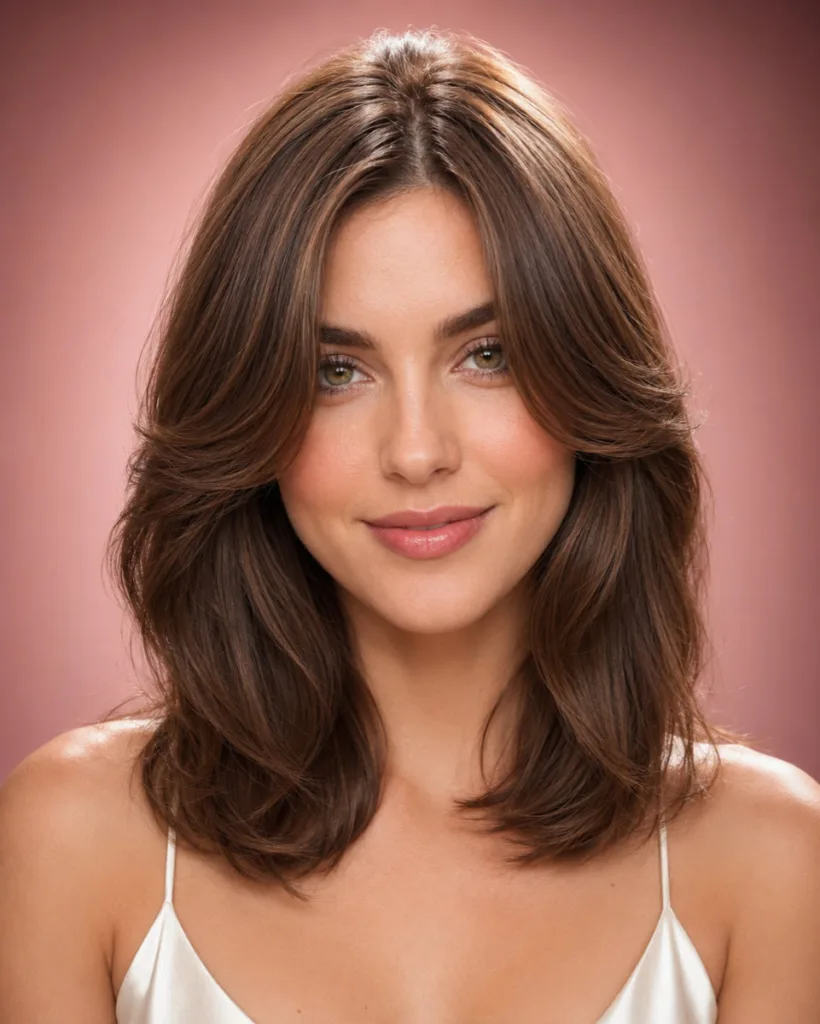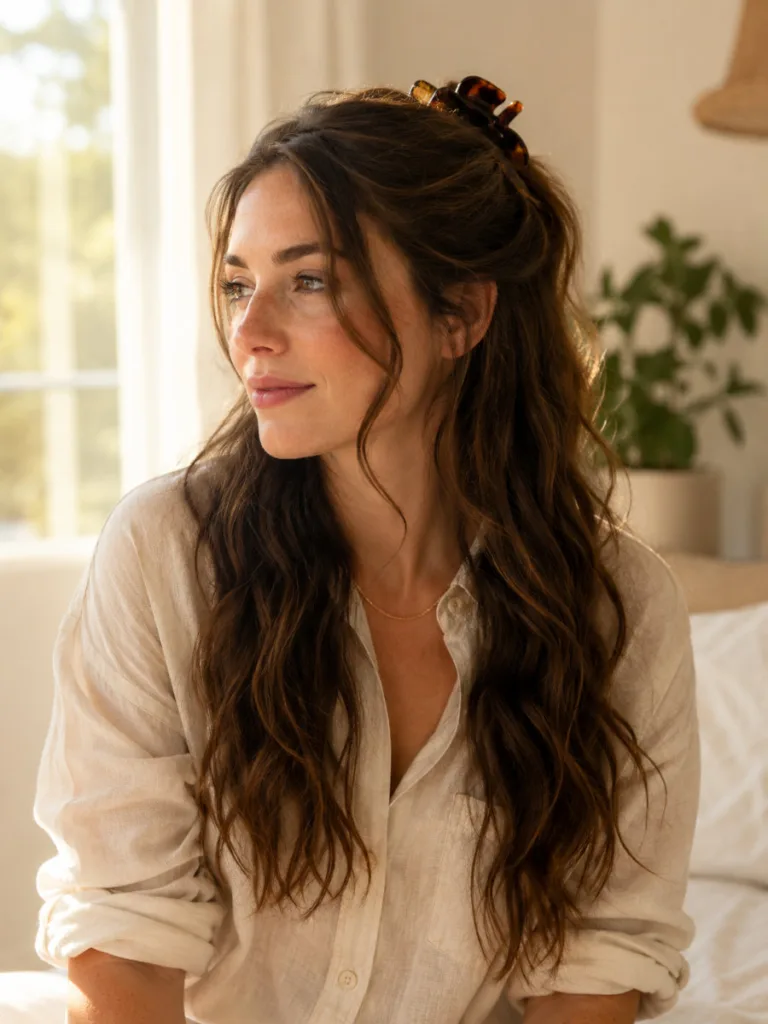
18 Stunning Mushroom Brown Lob Hair Ideas
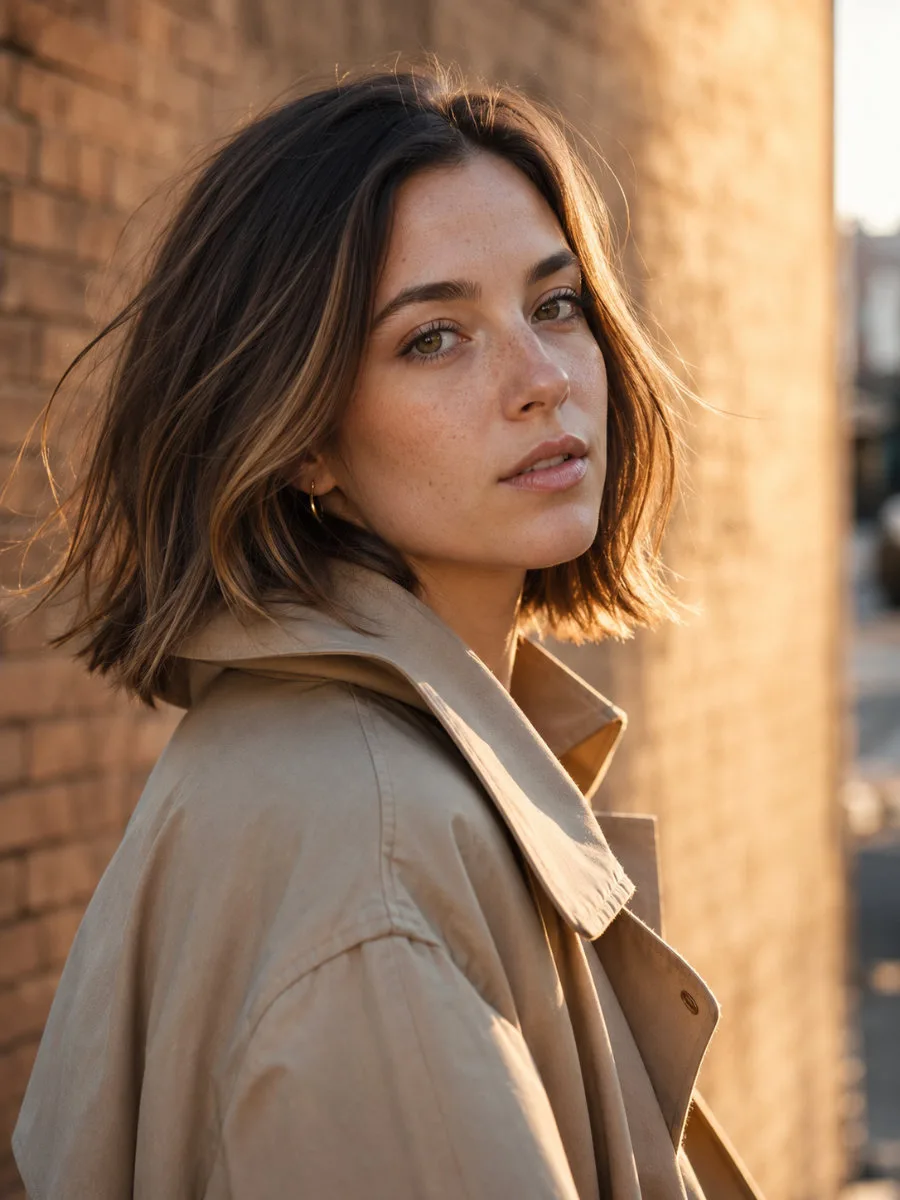
Does your hair color look perfect week one, then turn warm and flat before you’re due for a trim? The problem isn’t your products. It’s the color.
Mushroom brown lob hair fixes that. It’s a cool, ashy, multi-dimensional brunette shade built from highlights, lowlights, and a cool toner that resists brassiness, grows out well, and suits most face shapes. Pair it with a lob cut from jaw to collarbone and you get a combination that holds its color longer, photographs cleanly, and doesn’t need touch-ups every six weeks.
This article covers 18 mushroom brown lob variations, a face shape guide, what to say to your colorist, and how to maintain the color at home.
What Is Mushroom Brown Lob Hair?
Mushroom brown lob hair combines two things that work well together: a cool, ashy, multi-dimensional brunette color and a long bob cut falling anywhere from just below the jaw to a couple of inches past the collarbone. The mushroom brown lob haircut is one of the most searched color-cut combinations right now, and it’s easy to see why. It’s sometimes called an ashy brown lob hairstyle, particularly when the color skews cool without full balayage.
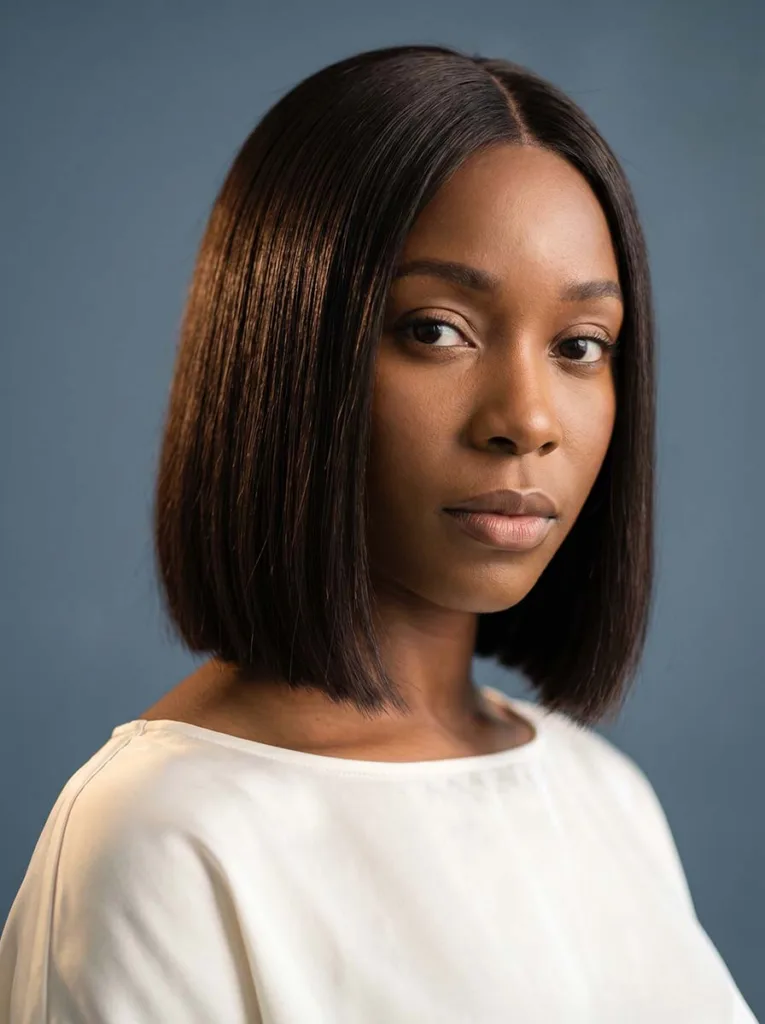
Unlike warm browns (chestnut, caramel, auburn), mushroom brown pulls toward taupe, gray-beige, and smoky ash. It mimics the earthy, muted tones on a portobello mushroom cap. The lob suits it well because the cut shows off dimension. At lob length, color placement (balayage, babylights, or money pieces) catches the light with movement, giving the hair a multi-tonal finish warm browns can’t replicate.
What Goes Into Mushroom Brown Lob Hair?
The color is built in layers:
| Layer | What It Does |
| Ashy brown base | The cool, muted foundation |
| Highlights | Beige-blonde or silver strands that add brightness |
| Lowlights | Darker brown or taupe tones that create depth |
| Cool toner gloss | Unifies the palette and neutralizes brassiness |
The end result is what people call “natural but better”: hair that looks like your highlights developed on their own.
18 Mushroom Brown Lob Hair Ideas To Inspire Your Next Look
No two mushroom brown lobs look the same. Your colorist adjusts the color to your base, skin tone, and how much upkeep you want. These mushroom brown hair color ideas range from lived-in balayage to precise money pieces, so there’s a variation for every starting point.
1. Textured Balayage Mushroom Brown Lob
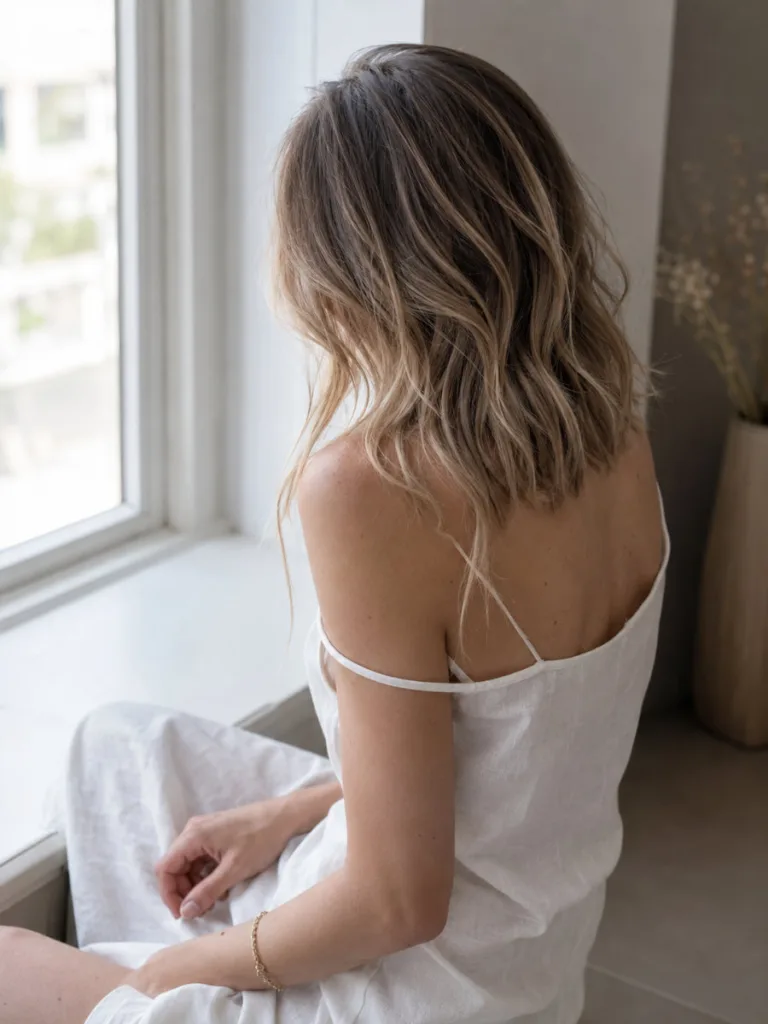
The mushroom brown balayage lob is the most-requested variation in salons right now. Hand-painted stripes in dirty blonde and beige sweep from mid-shaft to ends, blending into a cool, ashy brown base. The result looks like your color faded out naturally over months rather than something you sat in a salon chair for. Add loose waves, and the multi-tonal depth shows up clearly. The balayage grows out cleanly, so touch-ups are only needed every 12–16 weeks. Best for: the most lived-in, low-maintenance finish.
2. Mushroom Brown Lob With Money Piece Highlights
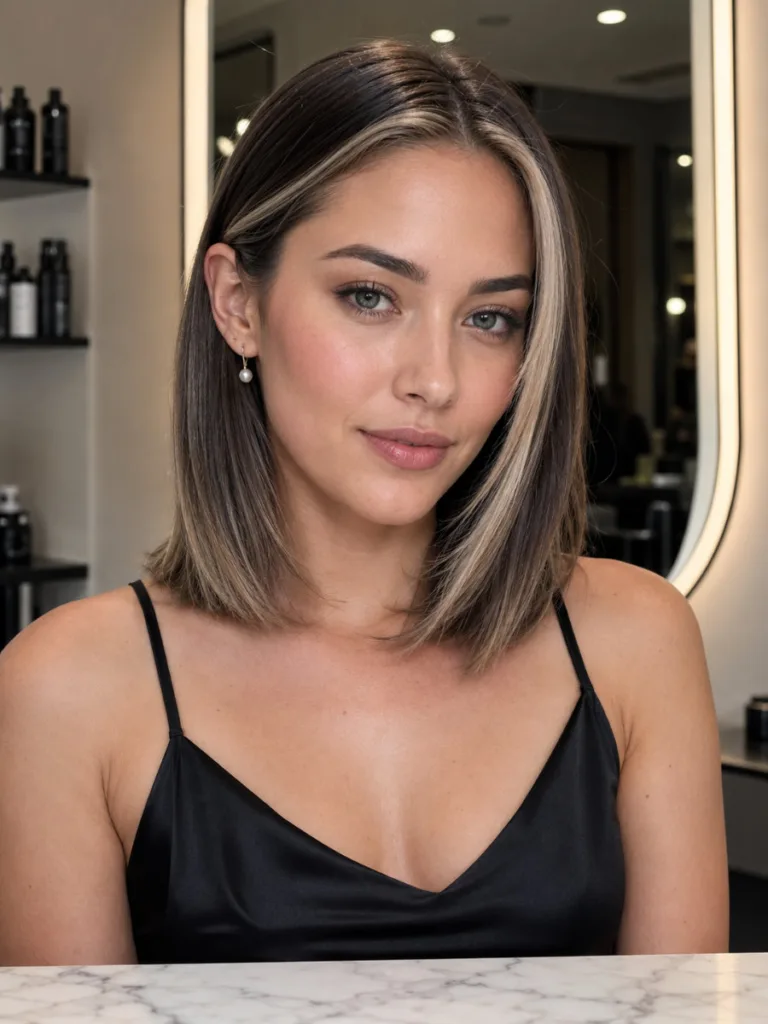
Money pieces are face-framing sections of brighter color placed right around your face. On a mushroom brown lob, they create contrast that looks modern without requiring a full highlight service. Ask for ashy blonde or silver-toned pieces against a deeper mushroom base. The lighter sections catch light around your face and brighten the complexion without touching the rest of the hair. Processing time is shorter than highlights, and maintenance between appointments is simpler. Best for: high visual impact with the least amount of color work.
3. Blunt Mushroom Brown Lob In Ombre
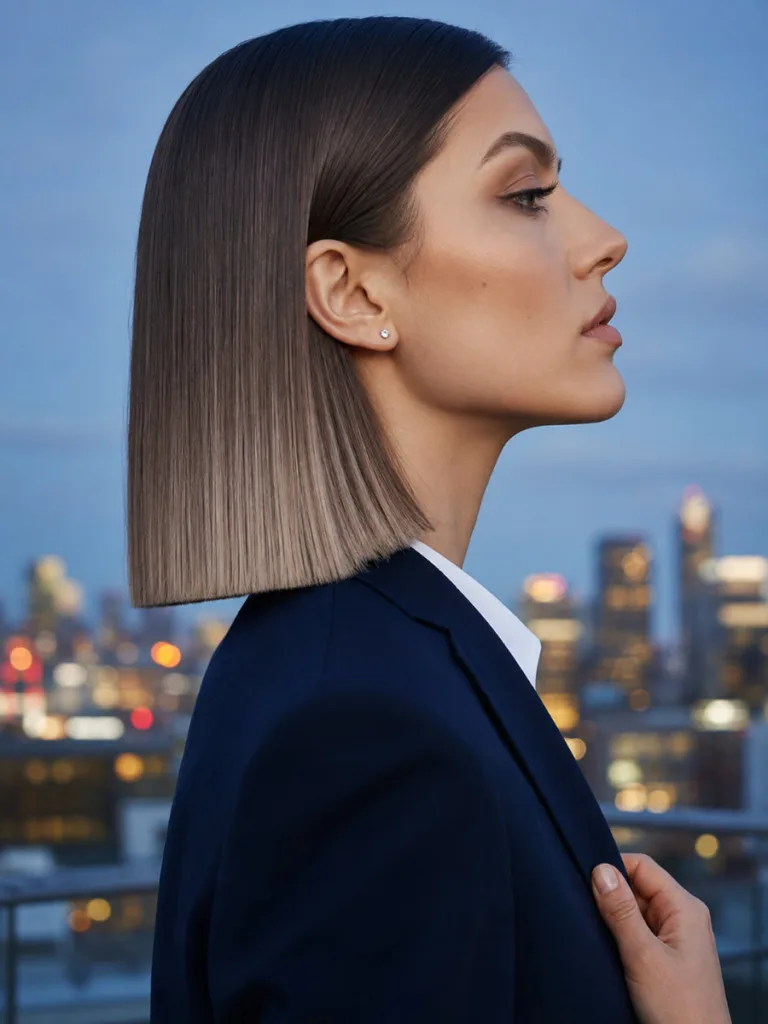
The blunt mushroom brown lob in ombre is for people who like clean lines. The cut is precise: no layers, no graduation, just a flat, strong hemline. The ombre takes dark mushroom roots and transitions them gradually into lighter, ashy ends through the mid-lengths. On a blunt cut, the gradient is uninterrupted, which makes the color transition look considered rather than accidental. Works best on straight or slightly wavy hair, where the hemline stays sharp. Best for: straight or slightly wavy hair where the cut and color can both show up clearly.
4. Wavy Mushroom Brown Lob With Babylights
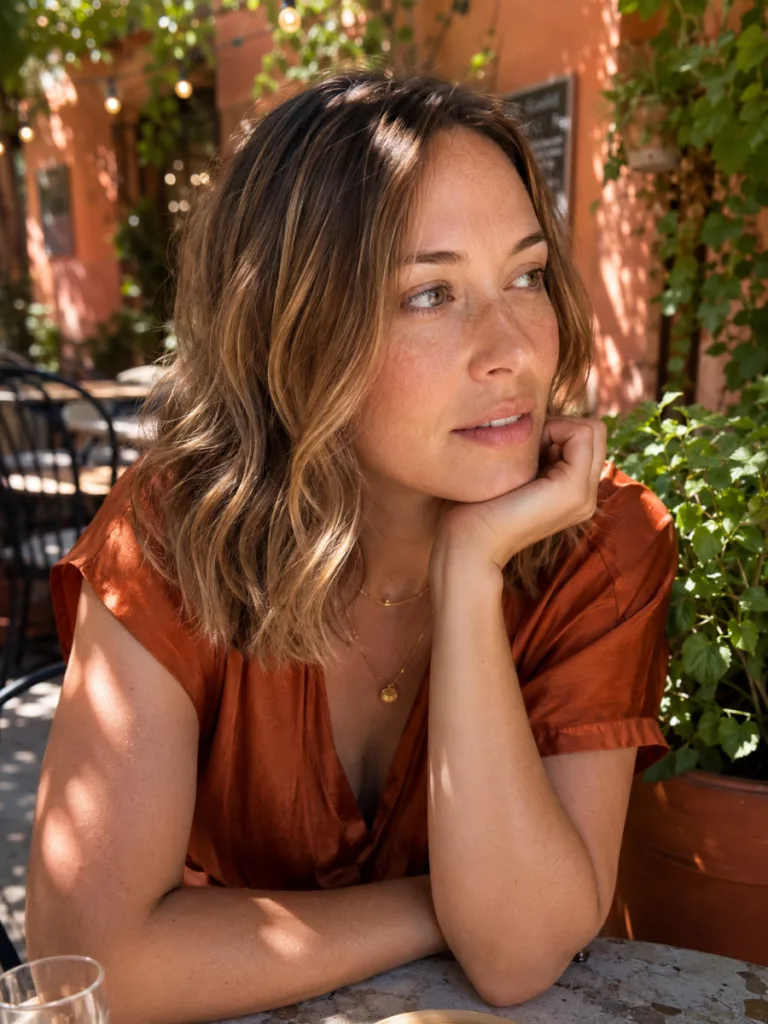
Babylights are the finest highlights available, placed in tiny sections to mimic the natural color variation children’s hair has before years of sun and washing flatten it out. On a wavy mushroom brown lob, they add a luminous quality that’s hard to pin down but easy to notice. You can’t really see the individual pieces. The color just looks more alive. The waves help, since each crest and dip reflects the lighter tones differently. Best for: low-contrast color that still looks dimensional in real life.
5. Mushroom Brown Lob With Curtain Bangs
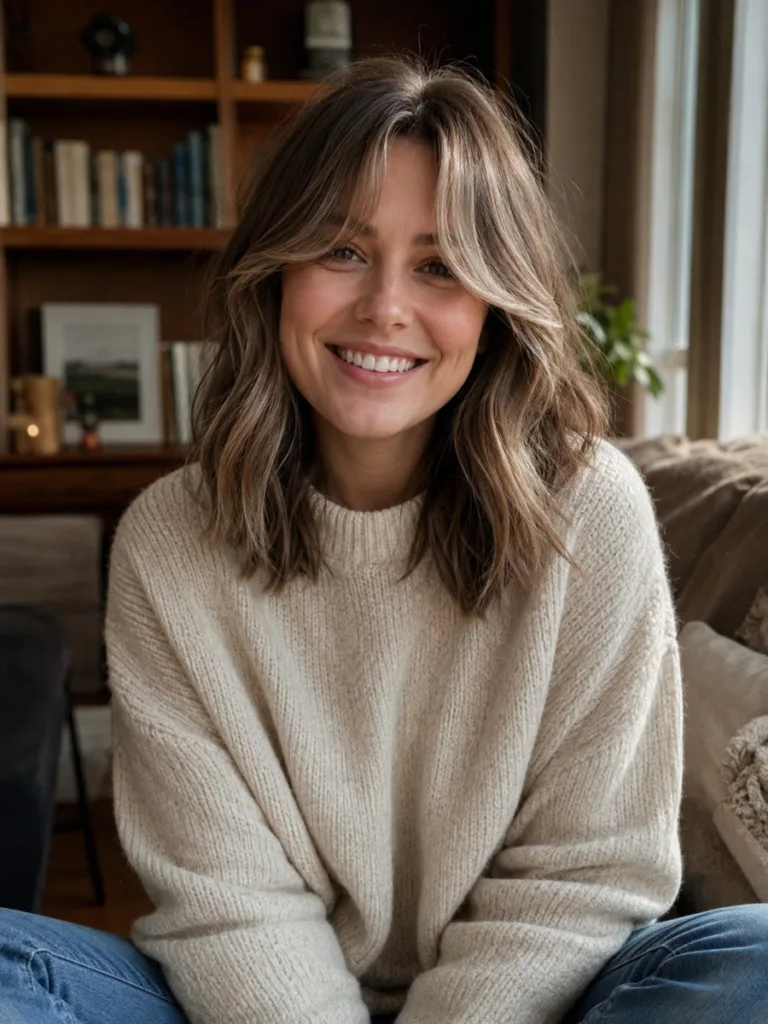
Curtain bangs part in the center and sweep to either side, framing the face without the maintenance of a full fringe. With a mushroom brown lob, they add softness to what can otherwise be a very clean, cool-looking cut. Ask your colorist to concentrate lighter, ashy blonde pieces around the bang area and face-framing sections. It brightens the front and makes the transition from the lighter fringe to the darker body of the hair look deliberate. Best for: a finished look with built-in face framing.
6. Sleek Straight Mushroom Brown Lob
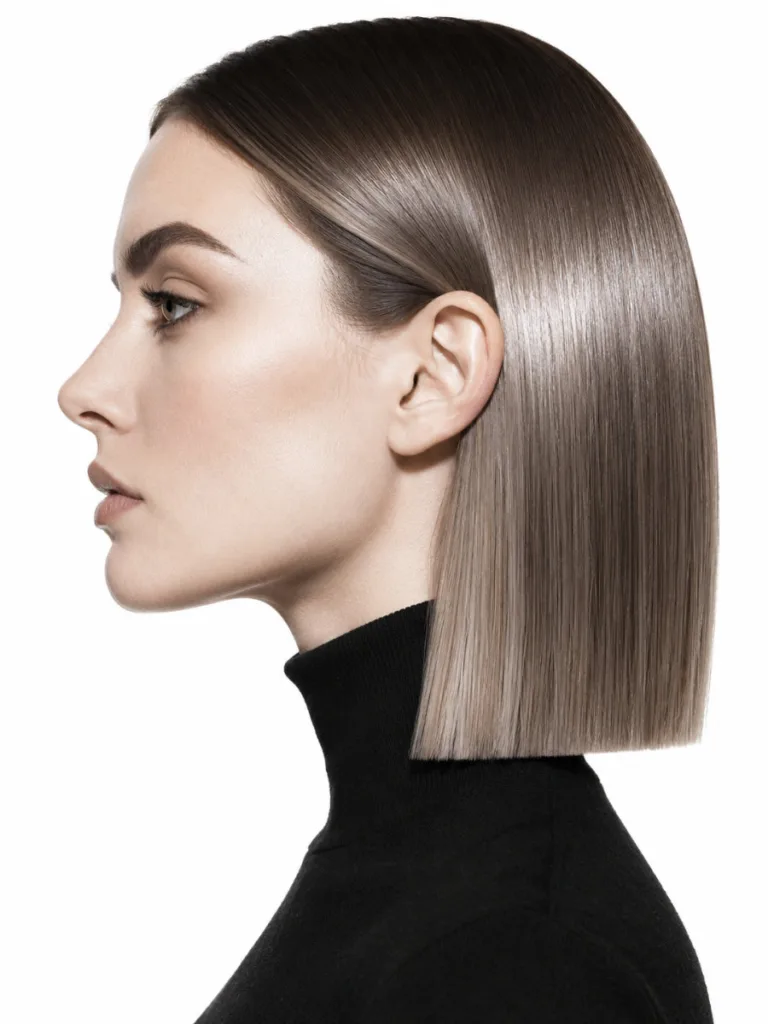
The sleek straight mushroom brown lob removes any competition with the color. No waves, no texture. Just a smooth, mirror-like finish where the cool undertones and ashy depth have nothing to hide behind. A glossing toner at the salon gets you the high-shine finish that makes this work. Without it, straight hair reads flat rather than glossy. Prep matters here, but the payoff is a version of mushroom brown most people haven’t seen before. Best for: making the color the whole point.
7. Layered Mushroom Brown Lob
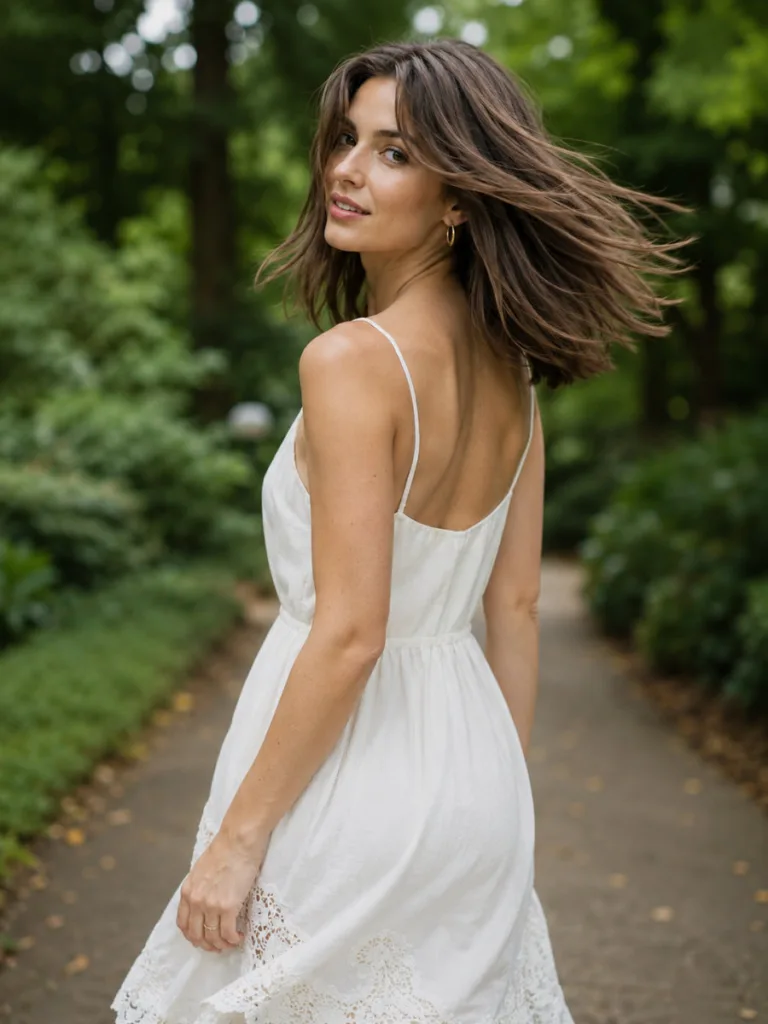
Layers give a mushroom brown lob movement it wouldn’t otherwise have. Ask for face-framing layers at the front and interior layers throughout the length. The result is a soft, feathered finish where each layer sits at a slightly different angle, so the color tones catch light differently depending on how the hair falls. This also adds volume for fine hair and removes bulk for thick hair. Best for: thick hair that needs shape, or fine hair that needs volume.
8. Dark Mushroom Brown Lob
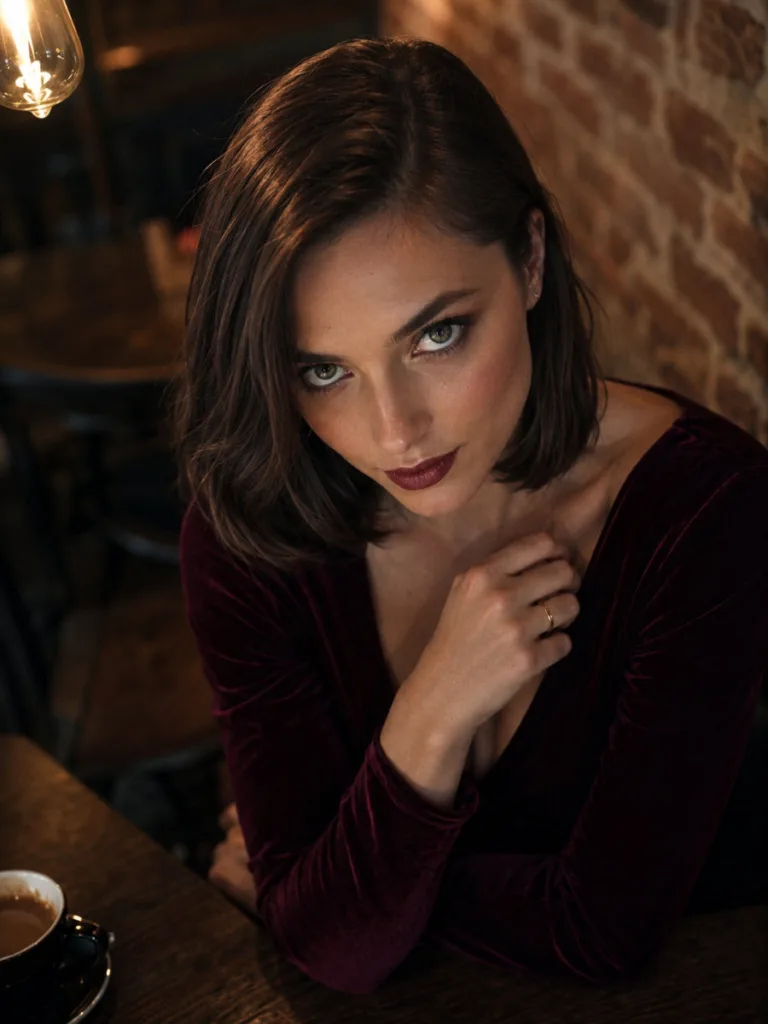
The dark mushroom brown lob is for people who love dark hair and want more going on than a flat, single-process color without actually going lighter. The base is a deep, cool-toned ashy brown with a handful of highlights woven in. They’re subtle enough that the overall color reads dark, but present enough to add texture and depth. In low light, the hair looks almost uniform. In natural light, the tonal layers come through. Best for: those who want depth and complexity without lightening their hair overall.
9. Light Mushroom Brown Lob
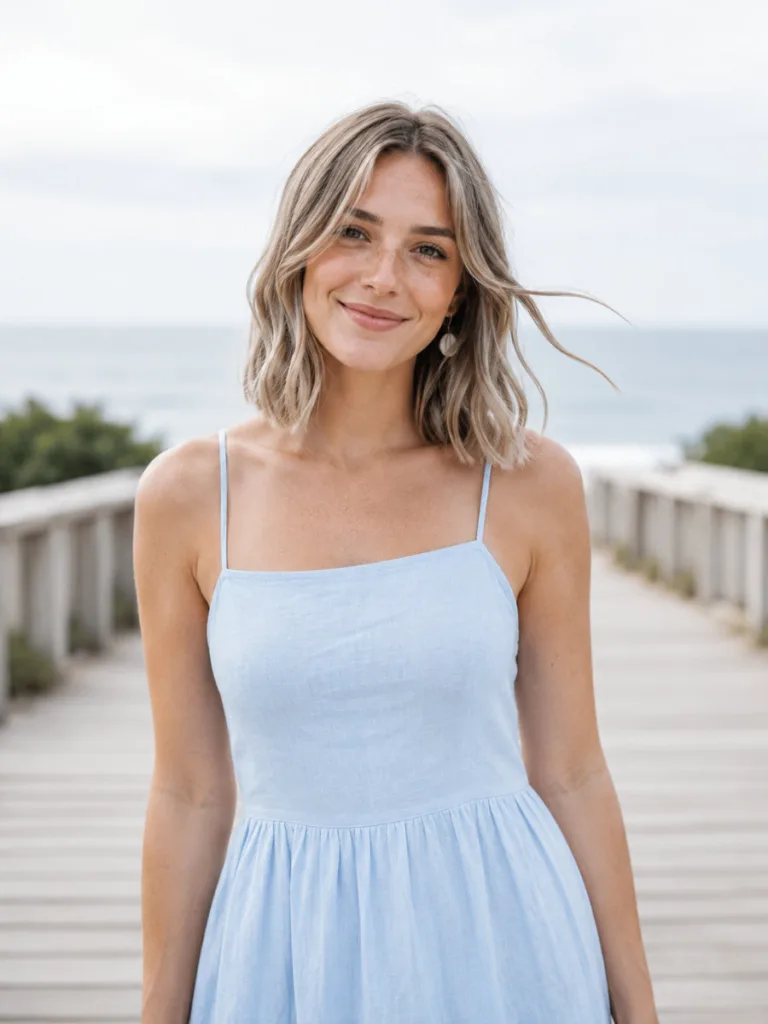
At the lighter end of the spectrum, this sits closer to an ashy blonde-brown than a true brunette: cool, faded, without crossing into full blonde. It looks naturally lightened rather than color-treated, which is what makes it hard to place. Getting there requires more initial lightening than darker variations, and the maintenance is more involved, but a consistent toning shampoo routine at home keeps it in check. Best for: naturally lighter brunettes, or anyone comfortable with a proper bleaching session.
10. Mushroom Brown Lob With Silver Money Pieces
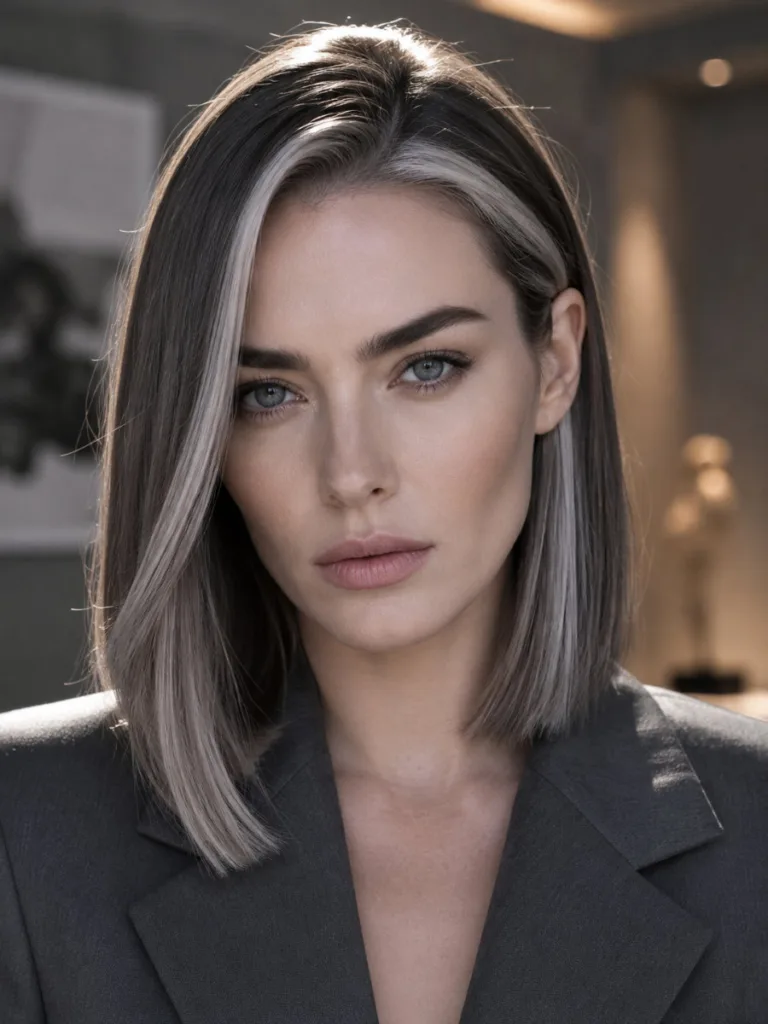
If regular money pieces feel too subtle, swap the ashy blonde for silver or platinum-toned pieces instead. Against a deep mushroom brown base, silver creates real contrast that looks current and deliberate. The cool metallic tones connect to the ashy undertones in the base rather than clashing with them. In natural light, the silver pieces reflect noticeably. It’s the bolder version of this look, but it doesn’t tip into trendy-for-its-own-sake territory. Best for: a high-contrast take on mushroom brown that still feels grounded.
11. Collarbone-Length Mushroom Brown Lob

Collarbone length is the classic lob. The hemline sits right at the collarbone: long enough to wear multiple ways, short enough to avoid feeling heavy or dated. At this length, the hair grazes the collarbone in a way that draws the eye down and makes the neck look longer. It works on basically every face shape. Paired with mushroom brown, it’s a combination that doesn’t need much else. Best for: a versatile length that suits all face shapes and most occasions.
12. Shoulder-Length Mushroom Brown Lob
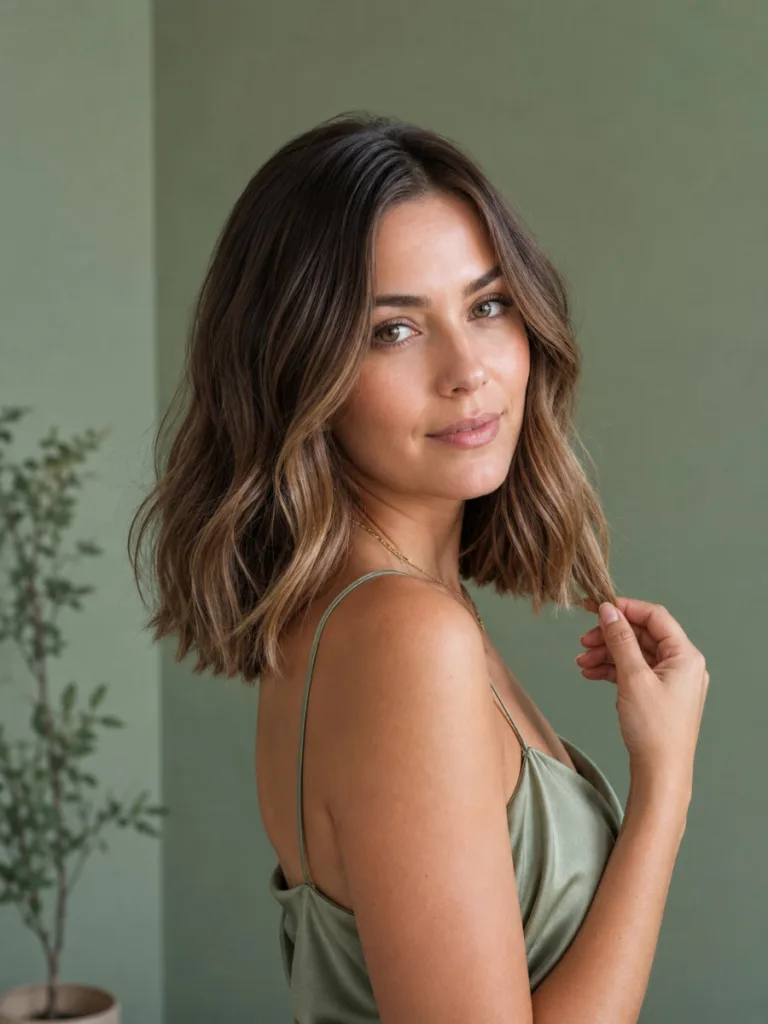
The shoulder-length version sits at or just past the shoulder instead of the collarbone. The extra length gives you more to work with for styling and creates a softer overall silhouette. For round and heart face shapes, this length adds visual length at the chin and jaw, which helps balance proportions. The slightly longer hair also gives the colorist more room to create gradual, natural-looking color transitions in the balayage. Best for: those who want the lob shape with a bit more length to play with.
13. Tousled Mushroom Brown Lob
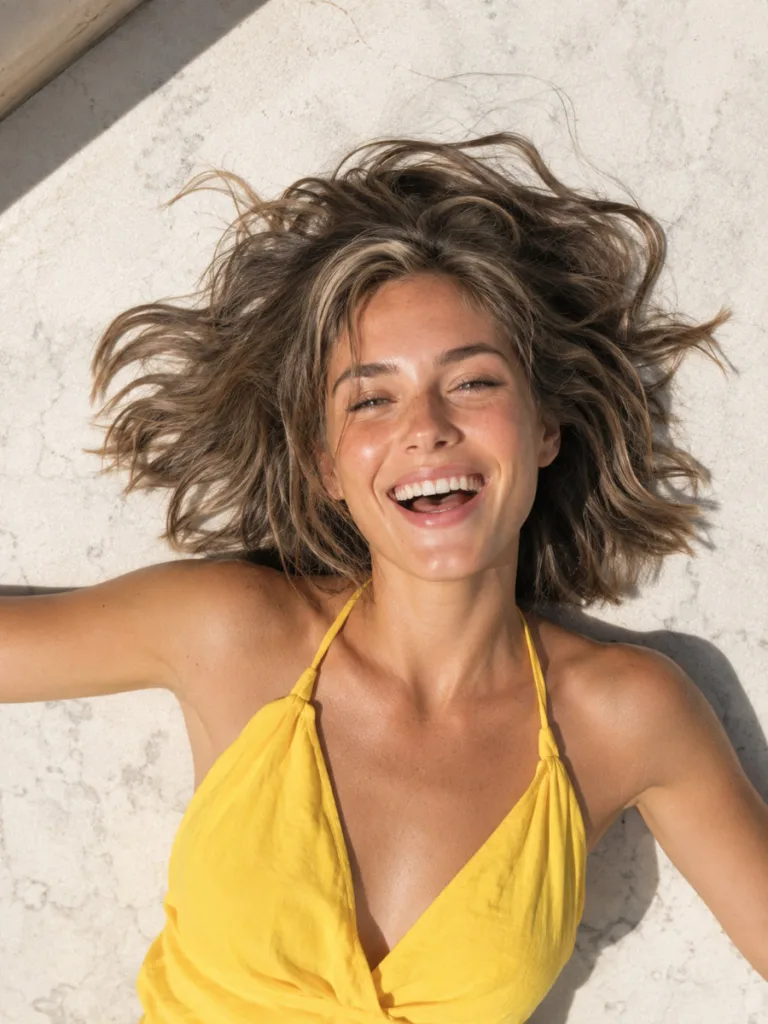
The tousled mushroom brown lob leans into texture rather than fighting it. Salt spray or texturizing mousse scrunched into damp hair is the whole technique. Because every strand sits at a slightly different angle, the tonal variation in the mushroom brown color catches light constantly and differently throughout the day. No heat means less fading and less damage over time. It’s also the fastest version of this look to put together in the morning. Best for: those who want maximum texture with minimal morning effort.
14. Lived-In Mushroom Brown Lob
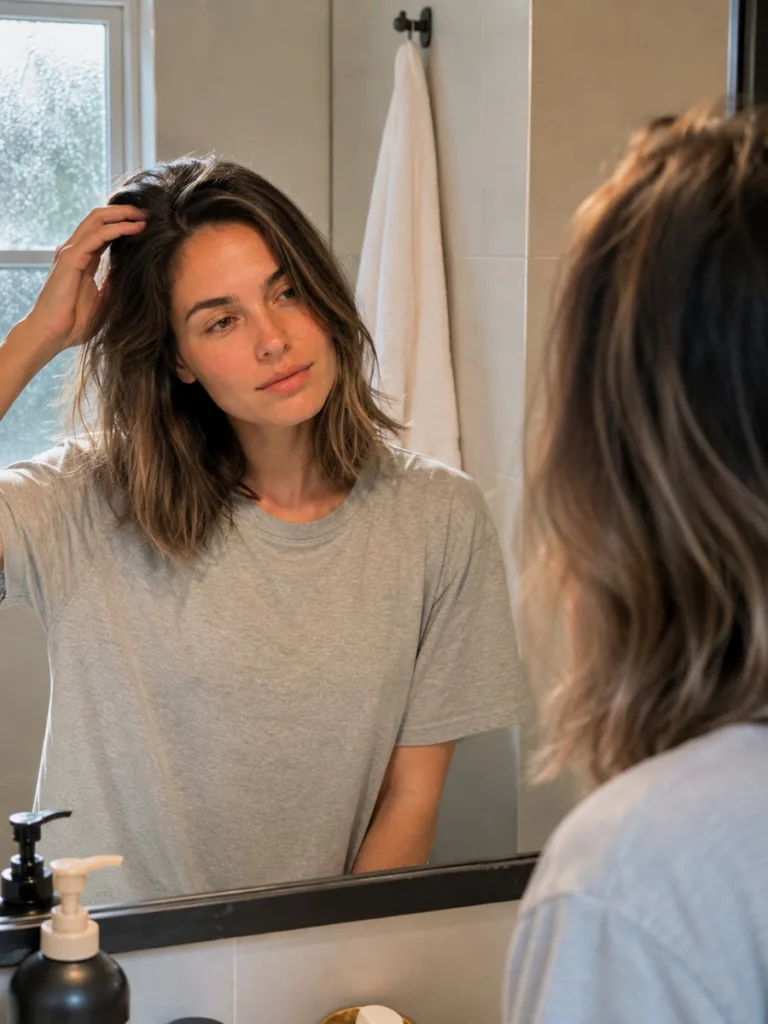
The lived-in mushroom brown lob treats root growth as part of the look rather than a problem to fix. Roots come in at their natural darker color and transition gradually into the balayaged mushroom brown at the mid-lengths and ends. The contrast is soft and grows out in a way that looks deliberate rather than neglected. This version needs the fewest salon visits: touch-ups every 14–16 weeks instead of 8–10. Best for: those who want low-maintenance mushroom brown hair without sacrificing color quality.
15. Mushroom Brown Lob For Dark Hair
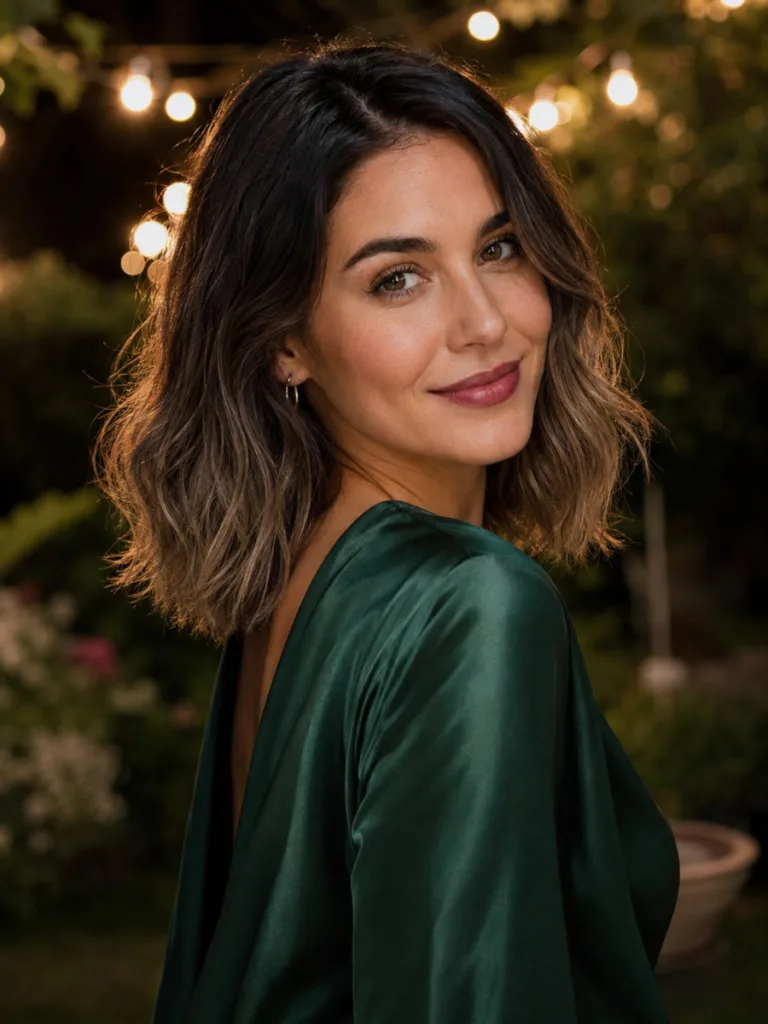
Starting from dark brown or near-black hair, this variation uses targeted lightening and cool toning to get to mushroom brown. Because the starting point is darker, the contrast between roots and the lighter mushroom tones is more pronounced than in lighter variations, which gives the color more drama. Pre-lightening targeted sections before toning usually takes one to two salon visits to avoid damaging the hair. The final result has more depth than versions starting from a lighter base. Best for: dark-haired women transitioning to a cool-toned mushroom brown.
16. Warm-Toned Mushroom Brown Lob
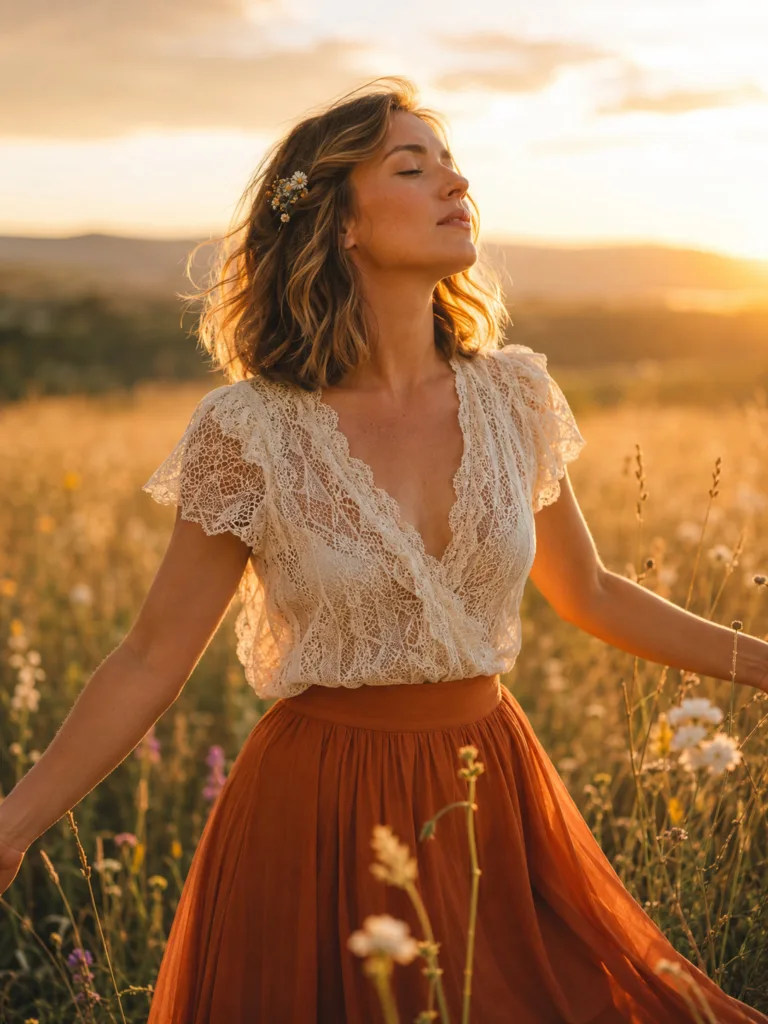
Not everyone wants a strictly cool result. The warm-toned version swaps the cool ash toner for a beige or golden-beige one and uses honey-blonde highlights instead of silver-leaning ones. The color stays multi-tonal and earthy, but the overall tone reads warmer and more golden. It works better on warm, golden, or olive skin tones where a strictly cool color can look flat or gray against the complexion. Best for: warm skin tones that find cool colors draining.
17. Mushroom Brown Lob With Face-Framing Lowlights
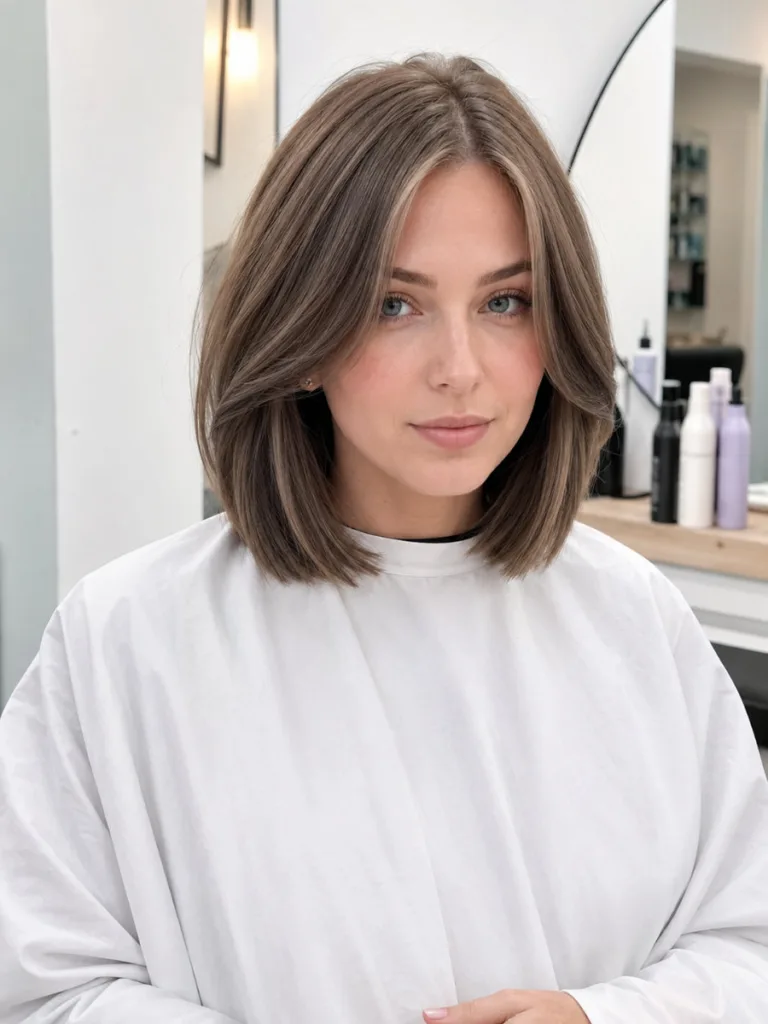
Most mushroom brown variations add lighter pieces around the face. This one does the opposite: slightly darker, taupe-toned lowlights placed around the face to create shadow and definition instead of brightness. The darker pieces carve out the appearance of stronger cheekbones and a more defined jaw. It’s less commonly requested than face-framing highlights, which means most colorists won’t suggest it unless you ask. Particularly effective on lighter or more uniform skin tones where the added shadow shows up clearly. Best for: those who want sculpting and definition around the face rather than brightness.
18. Mushroom Brown Lob With Soft Gray Blend
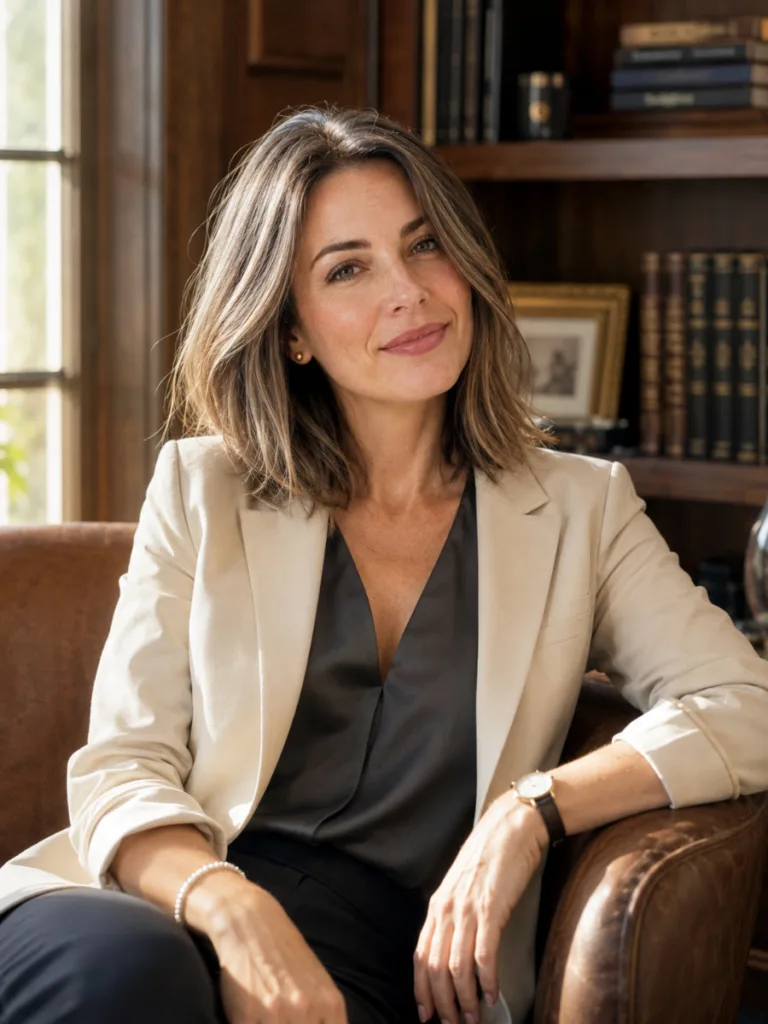
The mushroom brown lob with a soft gray blend works with incoming gray hair instead of covering it. Cool gray tones are added to the mushroom brown palette deliberately, so the gray looks like part of the color rather than something that happened between appointments. The ashy undertones of mushroom brown blend naturally with gray, which is why this combination works when other colors don’t. For those not yet going gray, the same effect can be achieved with silver toning techniques. Best for: women in their 30s and 40s who want their natural gray to read as a color choice, not an oversight.
Which Face Shape Does The Mushroom Brown Lob Flatter?
The lob suits most face shapes, and mushroom brown’s cool, muted tones make it adaptable across skin tones too.
| Face Shape | Best Lob Length | Best Style Detail |
| Oval | Any length works | You have the most options here |
| Round | Collarbone or below | Angled cut with layers; money pieces to elongate |
| Square | Shoulder length | Soft waves + curtain bangs to soften the jaw |
| Heart | Shoulder length | Side part + loose waves to add width at the chin |
| Diamond | Collarbone length | Curtain bangs + layers to soften the forehead and chin |
| Long / Oblong | Collarbone length | Blunt cut or soft waves; avoid extra length that elongates further |
Round face tip: Avoid blunt cuts that land straight at jaw level. They visually widen the face. Ask for a slightly angled lob with subtle layers instead.
Long face tip: A blunt collarbone-length lob adds the illusion of width and breaks up the length of the face. Avoid adding volume at the crown.
How To Talk To Your Colorist About Mushroom Brown Lob Hair
Walking in and saying “I want mushroom brown lob hair” is a start, but it doesn’t always translate at the chair. You can also say “a cool-toned brown lob hairstyle”; colorists recognize that immediately. These five points will help.
- Bring reference photos. Save 3–5 mushroom brown lob images to your phone. A picture eliminates guesswork and ensures you and your colorist are looking at the same thing.
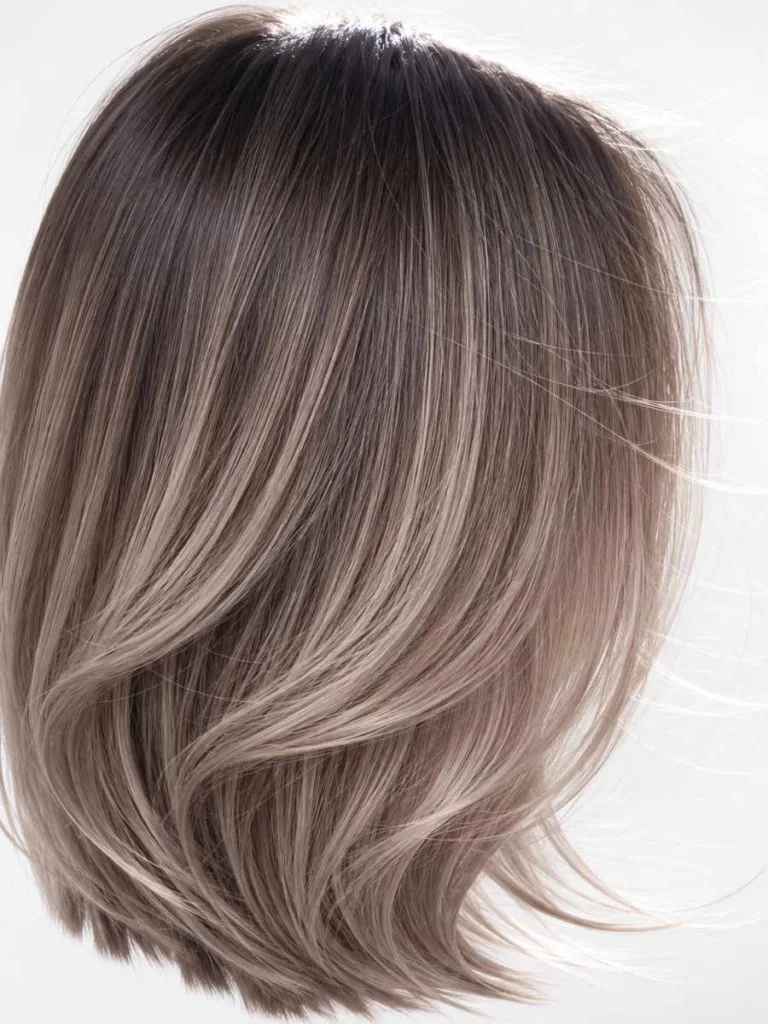
- Describe the undertone clearly. Say, “I want a cool, ashy brown. No warmth, no orange or red. Think taupe and grey-beige, not caramel or honey.”
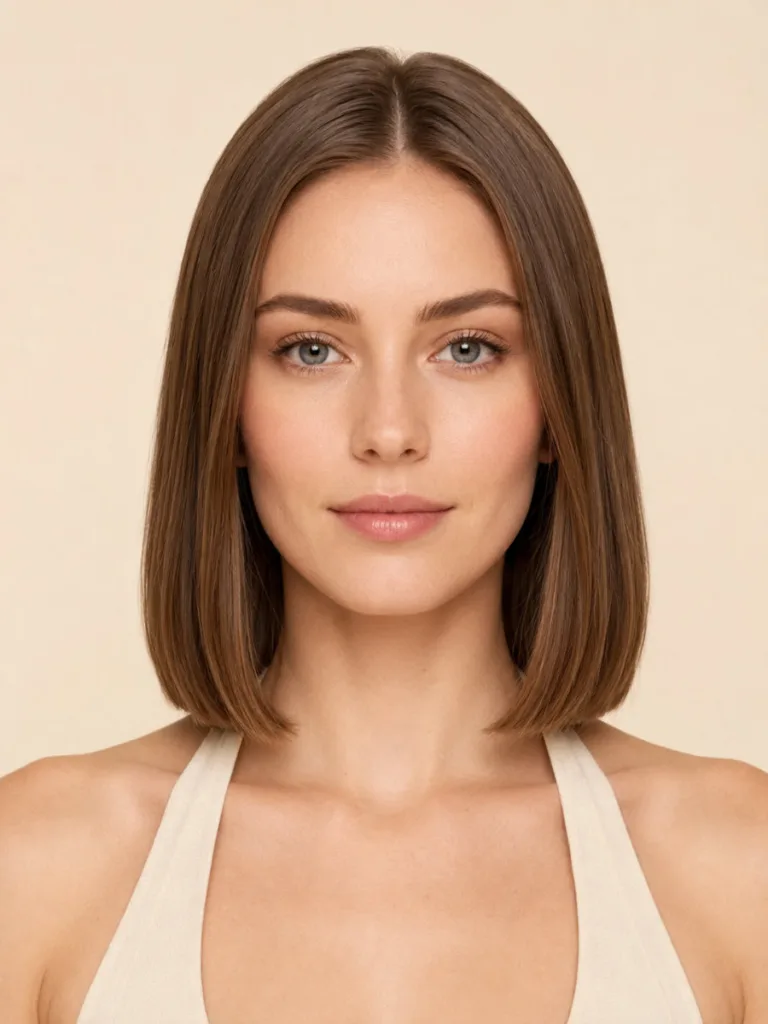
- Specify the technique. Are you after balayage (hand-painted, natural gradient) or traditional highlights (more structured, even placement)? Babylights (very fine, subtle) or chunkier money pieces?
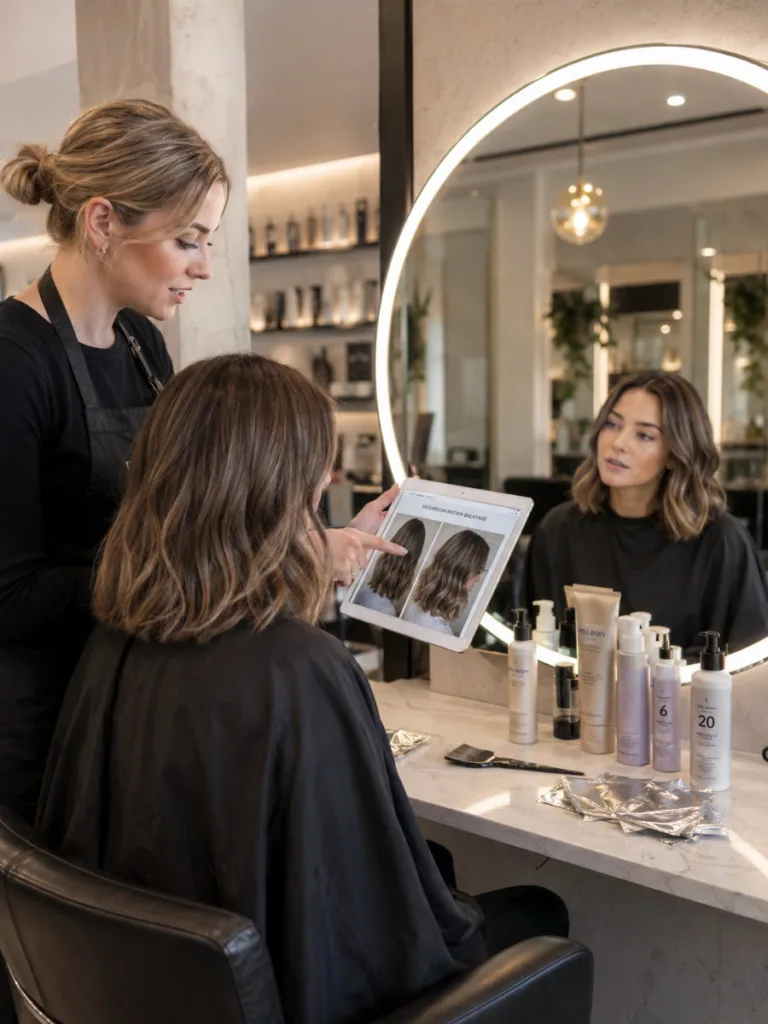
- Be honest about maintenance. A lived-in balayage with natural roots showing needs touch-ups every 12–16 weeks. A more structured, precise result needs attention every 8–10 weeks.
- Ask about a toner gloss. A cool toner applied at the end unifies the color and keeps it from pulling warm. This is the step that separates mushroom brown from a generic ash brown.

How To Maintain Your Mushroom Brown Lob Hair
Cool, ashy tones fade faster than warm ones. These habits and product choices will keep your mushroom brown lob looking like itself between appointments.
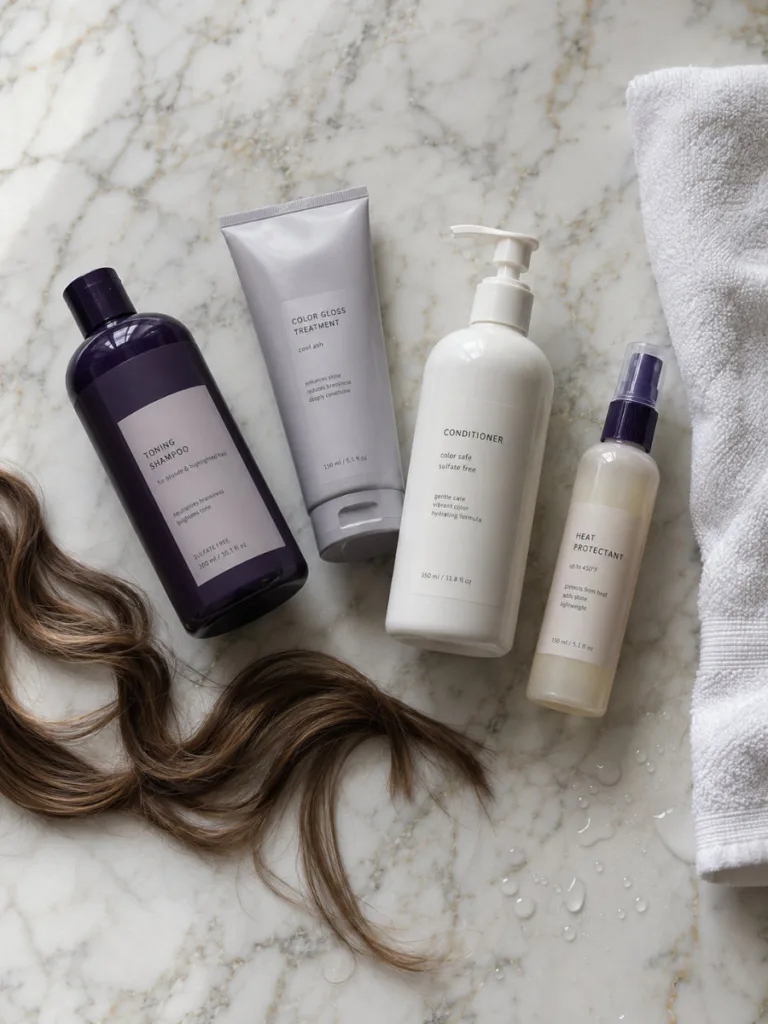
- Sulfate-free shampoo, always. Sulfates strip color fast. Look for shampoos labeled “color-safe” or “color-protecting” with gentle cleansing agents like sodium cocoyl isethionate rather than harsh sulfates. Switch to one from day one.
- Purple or blue toning shampoo, 1–2x per week. This is the most effective thing you can do at home for cool tones. Choose a formula with actual violet or blue pigment in it, not just one that claims to be “brightening.” Use it in place of your regular shampoo once or twice a week, leave it on for 3–5 minutes, and rinse. It neutralizes brassiness before it sets in.
- A color-depositing conditioner or gloss mask monthly. A cool-toned gloss mask used once a month adds a light layer of ashy pigment back into the hair, keeping the mushroom brown tone fresh between salon toner appointments. Look for products described as “ash,” “cool brunette,” or “taupe” toned.
- Wash in cool or lukewarm water. Hot water opens the hair cuticle and lets pigment escape with every wash. Cooler water seals the cuticle and keeps color locked in significantly longer.
- A keratin-based or silicone-free heat protectant every time you use heat. Not all heat protectants are equal. Look for ones that add shine and seal the cuticle, since those also help the color stay glossy after styling rather than dull.
- Toner refresh at the salon every 6–8 weeks. The base color can go 12–16 weeks without a full recolor, but a regular toner gloss appointment is what maintains the cool, ashy quality that defines mushroom brown. Without it, the color shifts warm and loses its character.
FAQ
What is mushroom brown hair?
Mushroom brown hair is a cool, ashy, multi-dimensional brunette color that mimics the earthy, muted tones of a portobello mushroom cap. Unlike flat ash brown, it’s built from layers: a cool base, highlights in beige-blonde or silver, lowlights for depth, and a cool toner gloss to unify the palette. The result looks dimensional and natural rather than color-treated.
Is mushroom brown hair good for dark hair?
Yes, but it takes more work. Starting from dark brown or near-black hair usually requires targeted pre-lightening before toning. Plan for one to two salon sessions rather than one, and consult a colorist before attempting it at home. The contrast between the dark roots and the lighter mushroom tones actually adds more depth than lighter starting points achieve.
What skin tones does mushroom brown lob hair suit?
It works best on cool and neutral skin tones, where the ashy, taupe undertones sit naturally. Warmer skin tones can wear it too, but ask your colorist to add beige-blonde highlights to warm the palette. Without them, a strictly cool mushroom brown can look flat against warmer skin.
Is mushroom brown lob hair high-maintenance?
It depends on the technique. A lived-in balayage with a natural root needs salon visits every 12–16 weeks. A more structured, precise result needs toning every 6–8 weeks. A toning shampoo at home between visits extends the color in either case.
Does mushroom brown hair require bleach?
If your hair is dark brown or black, some lightening is usually necessary to hit the lighter, ashy tones. For medium to light brown hair, a colorist may be able to get there with targeted highlights and toner alone. Consult a professional first. The answer depends heavily on your starting color.
What’s the difference between mushroom brown and ash brown hair?
Ash brown is a cool, flat color. Mushroom brown layers highlights, lowlights, and a cool toner over an ash base to create a multi-dimensional, textured result. Ash brown is the foundation. Mushroom brown is what you build on top of it.
How long does mushroom brown lob hair take in the salon?
Budget 2.5 to 4 hours for the color service, depending on your starting color and chosen technique (balayage takes longer than traditional highlights). Add 30–45 minutes for the lob cut itself.
Can I achieve mushroom brown lob hair at home?
A basic ashy brown base can be applied at home with box dye. But the multi-dimensional highlights and lowlights that make mushroom brown look the way it does are hard to replicate without training. The same goes for the lob cut. For either, a professional colorist is the better option.
Is Mushroom Brown Lob Hair Worth It?
Yes — if you want a cool-toned brunette color that holds its dimension, grows out cleanly, and suits almost every face shape, it’s one of the best combinations you can book.
Mushroom brown lob hair works because the color and the cut genuinely complement each other. The lob’s length shows off the dimension in the color; the color’s cool tones give the cut a more considered feel. Together they look more expensive than either does alone.
Pick the variation that fits your starting color and maintenance tolerance, bring reference photos to your colorist, and ask about a toner gloss at the end. That last step is what most people skip and what makes the most difference.
For more helpful articles related to haircut ideas, please visit blushhairflow.