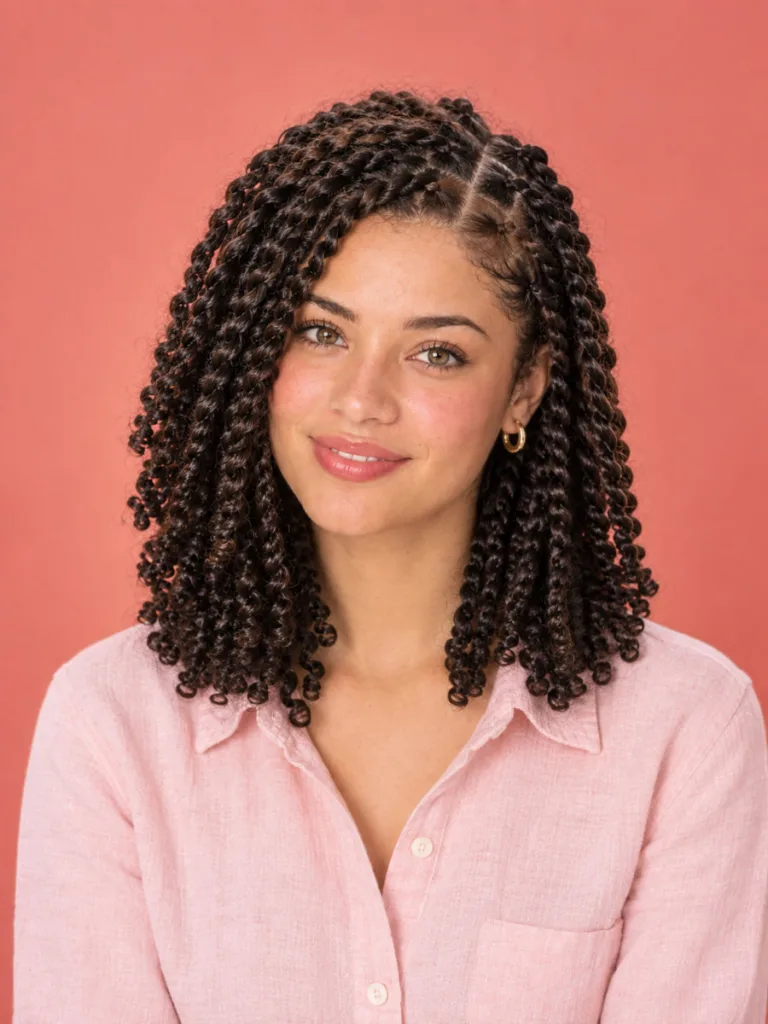
22 Cozy Winter Braid Hairstyles to Try This Season

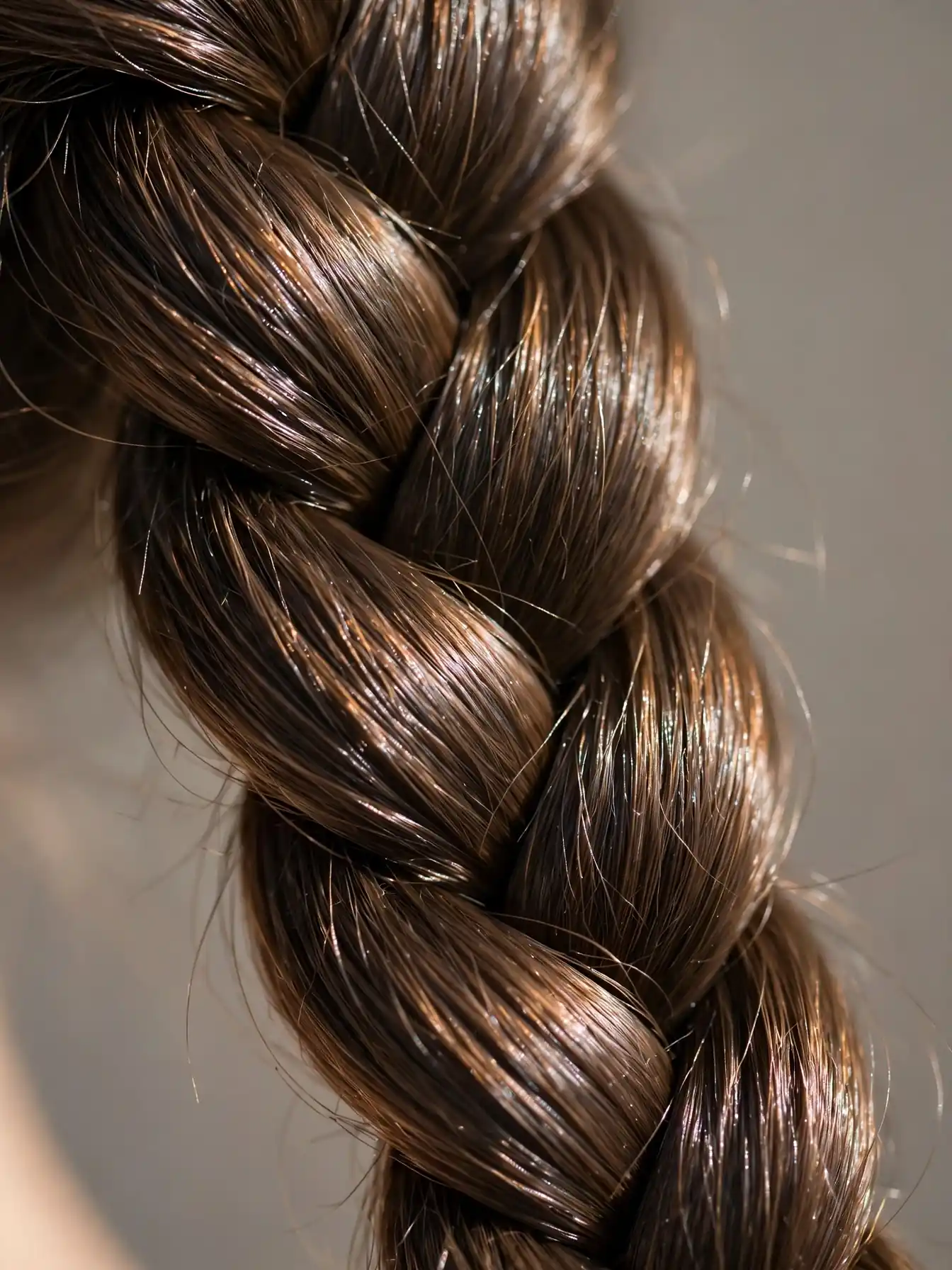
Winter braid hairstyles solve the two biggest cold-weather hair problems at once: they look good and they protect your strands. Cold air pulls moisture from hair. Wool scarves and coat collars create friction. Beanies flatten everything by noon. A well-chosen braid keeps ends tucked, cuts daily handling, and still looks intentional under a hat. This list covers 22 options for every texture, length, and skill level. Some take five minutes. Others last for weeks. Each one earns its place by doing something winter actually demands.
Match Your Braid to Your Winter Problem
Before picking a style, name the problem you are actually solving. That single step saves more frustration than any tutorial. The winter braid hairstyles below are grouped so you can match the style to the problem first. Static and flyaways respond best to sleek, close-to-scalp braids with a smoothing product. Hat hair calls for styles that sit flat at the crown, like low braids or braided buns. Scarf friction at the nape means tucking ends up, not leaving them out. Dry, brittle ends need protective styles that hide ends for days or weeks. Fine hair does better with looser, pancaked braids that add visual thickness. Thick hair holds heavier protective installs with less strain. Beginners should start with rope twists or bubble braids, which need almost no technique. Match the braid to the winter, not the other way around.
1. Classic Three-Strand Side Braid
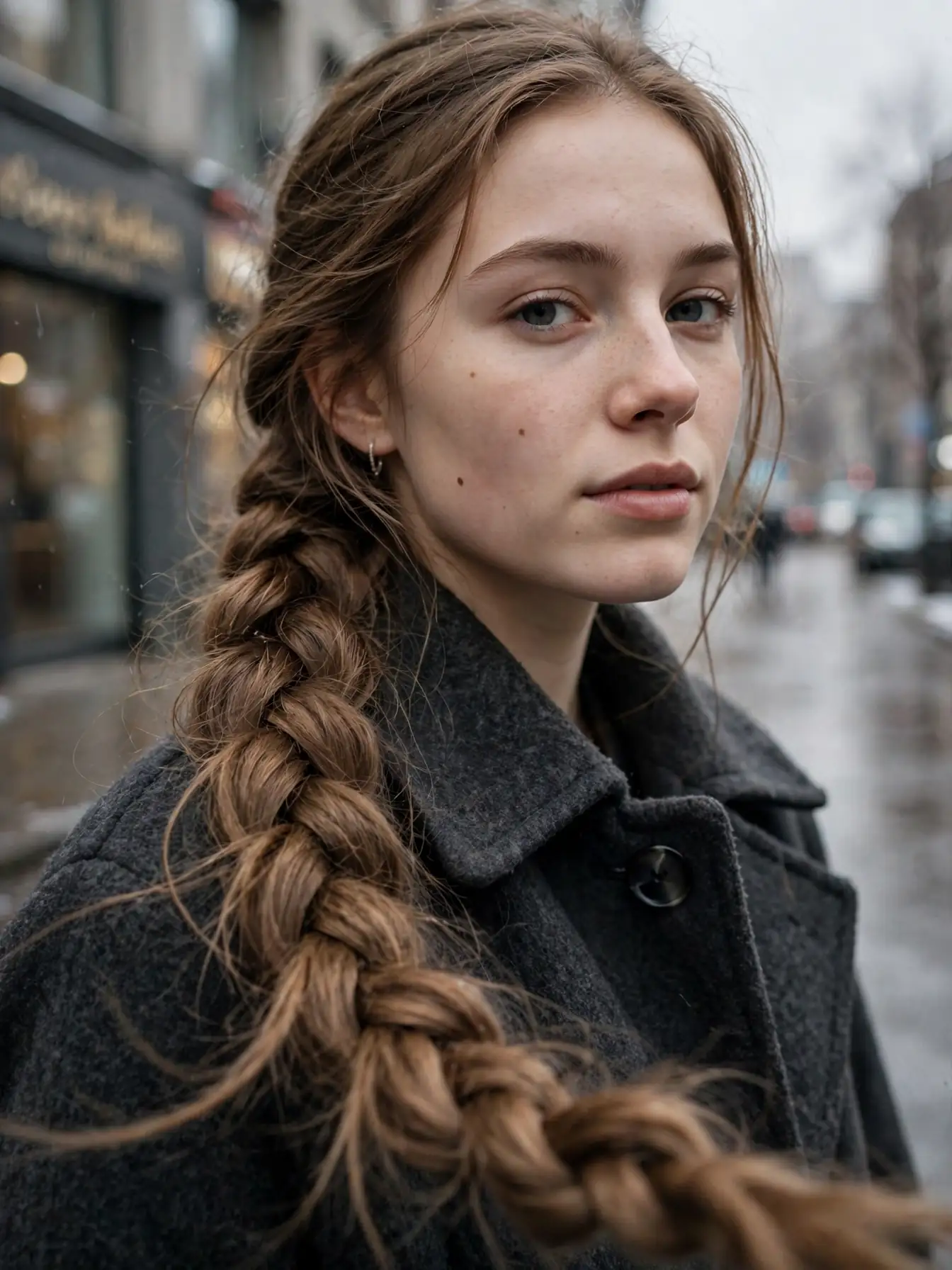
The three-strand braid is the workhorse of winter braid hairstyles, and there is no shame in starting here. It takes five minutes, holds through wind, and looks deliberate with almost any winter outfit. Sweep all hair over one shoulder before braiding so the bulk sits forward, clear of your coat collar. That one choice cuts the friction that snaps ends on scarves. A light leave-in conditioner worked through damp hair before braiding keeps strands flexible instead of stiff. Finish with a satin scrunchie rather than a tight elastic to avoid creases and snagging. Pancake the edges gently for a fuller look that reads soft, not sloppy.
Best for: Beginners, school mornings, and anyone who wants a reliable everyday braid.
Ask your stylist for: Clean sectioning and advice on the right braid placement for your neckline length.
2. Sleek French Braid
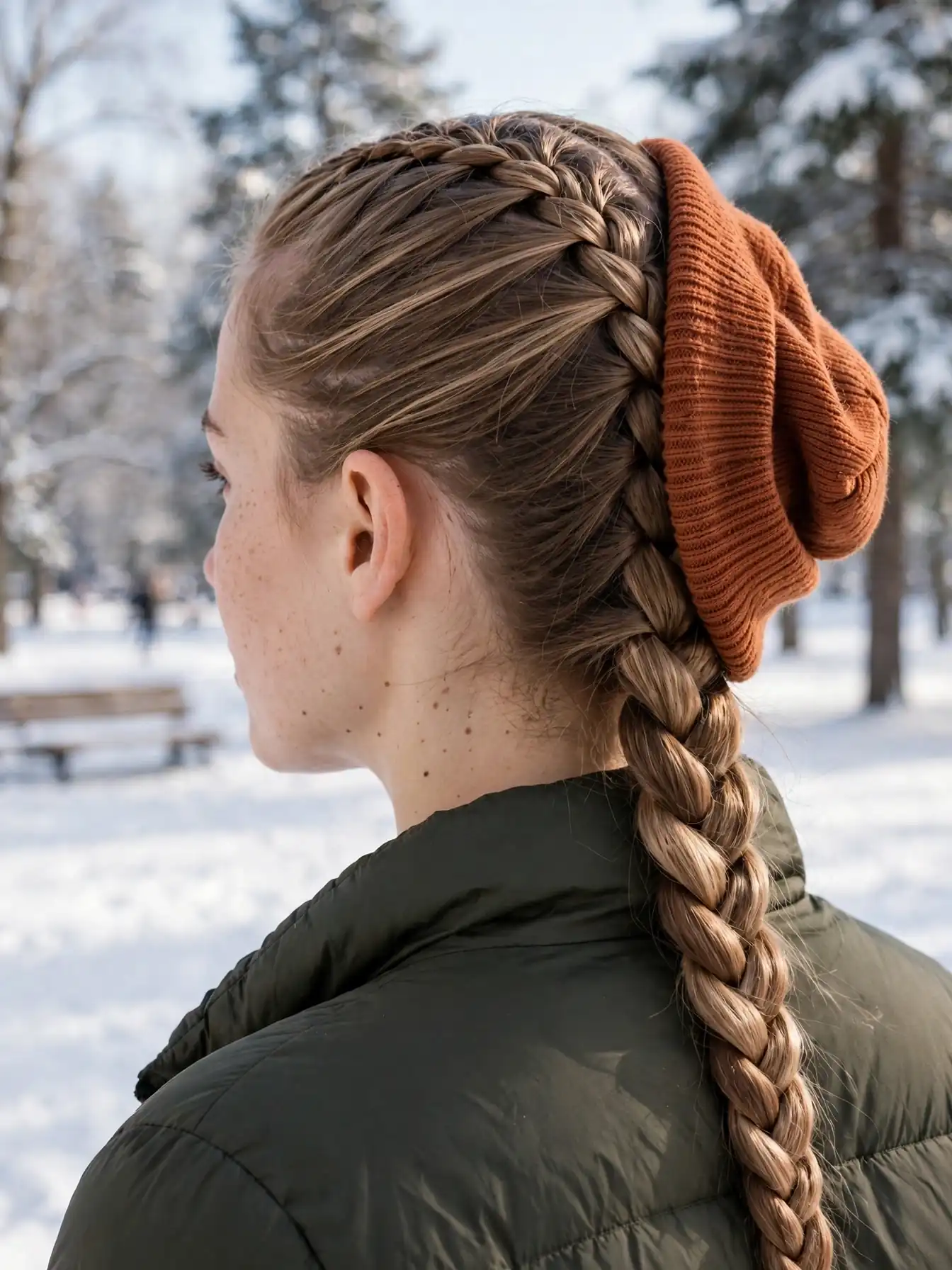
A French braid anchors hair from the crown down. That makes it one of the flattest, most hat-compatible winter braid hairstyles in this list. Hair feeds in gradually along the scalp, so nothing bulges under a beanie. This structure also tames layers and shorter face-framing pieces that winter wind loves to whip around. Braid on slightly damp hair with a pea-sized amount of smoothing cream for grip without crunch. Keep tension firm at the scalp but ease off through the lengths to avoid stress on fine hair. A French braid typically lasts one to two days, longer if you wrap it in satin overnight.
Best for: Hat wearers, layered cuts, and anyone fighting winter flyaways.
Ask your stylist for: A demonstration of finger placement so you can keep sections even at home.
3. Chunky Dutch Braid
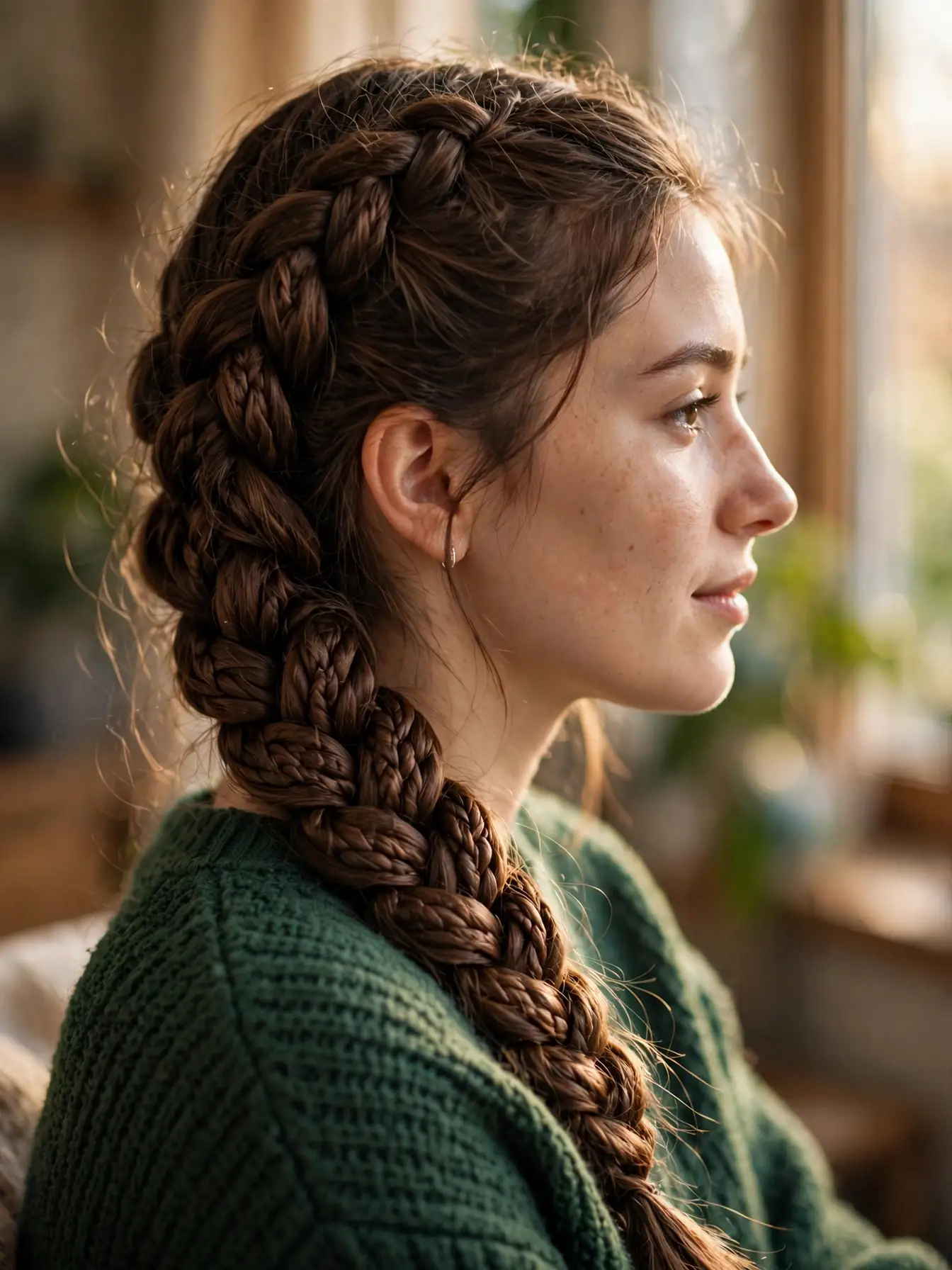
Dutch braiding weaves strands under instead of over, which pushes the braid outward for a bold 3D ridge. On fine or thin hair, that raised profile is pure gold in winter, when flat hair looks even flatter. The style handles damp weather well because the underhand weave locks sections tightly together. Start at the crown and braid straight back. Or go off-center for an asymmetrical look that shows under a slouchy beanie. A dusting of texturizing powder at the roots before braiding gives fine hair something to grip. This braid photographs beautifully against chunky knit sweaters and wool coats.
Best for: Fine or thin hair that needs visible fullness, and statement winter outfits.
Ask your stylist for: Tension balance tips, since Dutch braids can pull if started too tight.
4. Elegant Fishtail Braid

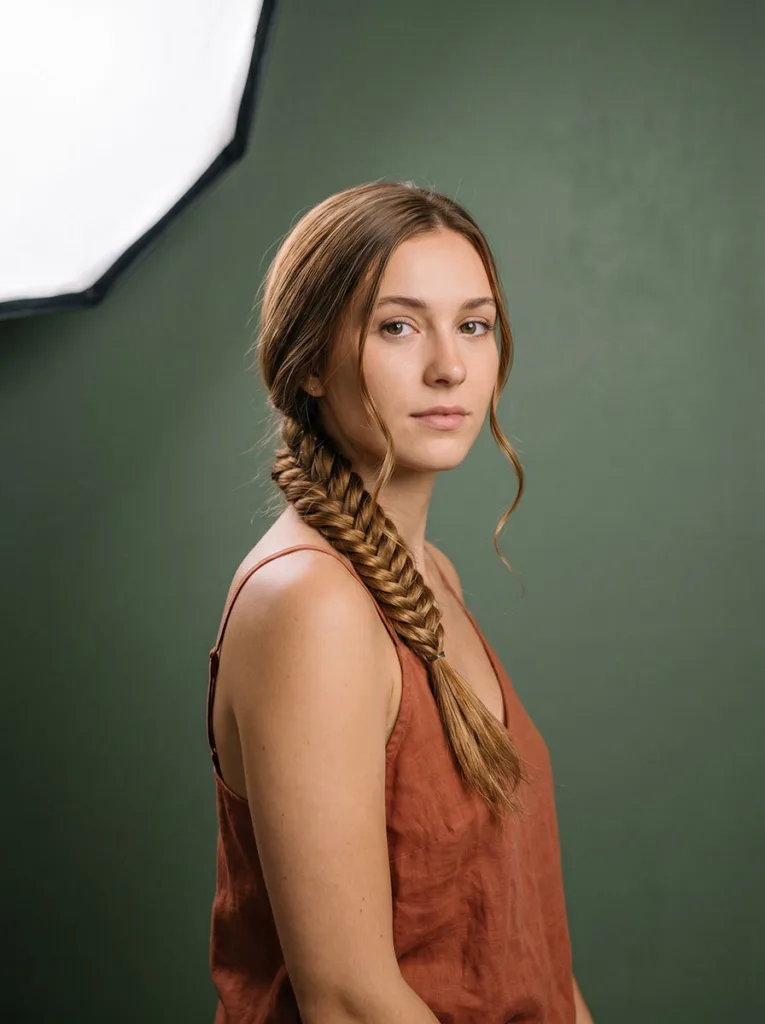
The fishtail uses only two sections, woven in thin alternating pieces. The result is a herringbone texture that looks detailed without much effort. It reads elegant, which makes it a strong pick for holiday dinners and winter weddings. The fine weave lies close to the head, so it slides under hats without bulk. It takes longer than a three-strand braid, roughly 10 to 15 minutes on medium hair, so budget accordingly. Work with a lightweight hair oil on your fingertips to stop thin pieces from slipping apart. For more on variations of this weave, browse our fishtail braid tutorials for styling ideas beyond winter.
Best for: Holiday events, date nights, and anyone who wants a refined winter look.
Ask your stylist for: The ideal section size for your hair density, since too-thin pieces can look sparse.
5. Easy Bubble Braids
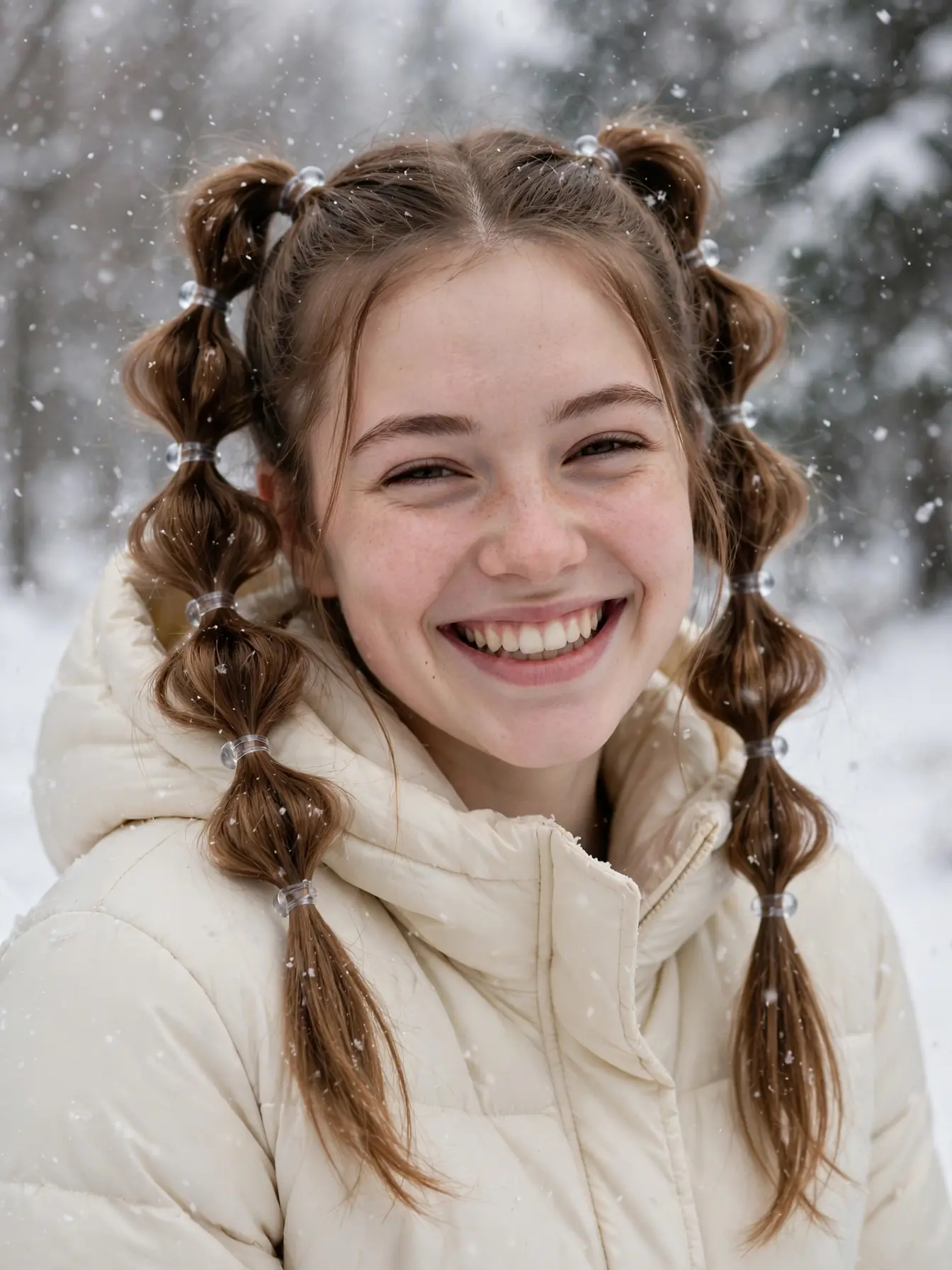
Bubble braids are the most beginner-proof entry on this list. Tie a ponytail, add elastics every two inches, and puff each section out. There is no actual braiding involved, which is exactly the point. The segmented shape looks intentional and playful. It pairs perfectly with beanies and earmuffs since the bubbles start below the hat line. Among all winter braid hairstyles, bubble braids demand the least skill. Space the elastics evenly and use snag-free elastics to protect strands. This style works on hair as short as shoulder length and survives a full school or workday. It also refreshes well: tighten a sagging bubble in seconds without redoing the whole thing.
Best for: True beginners, kids, and rushed winter mornings.
Ask your stylist for: Elastic placement that suits your hair length so bubbles sit evenly.
6. Cozy Braided Low Bun
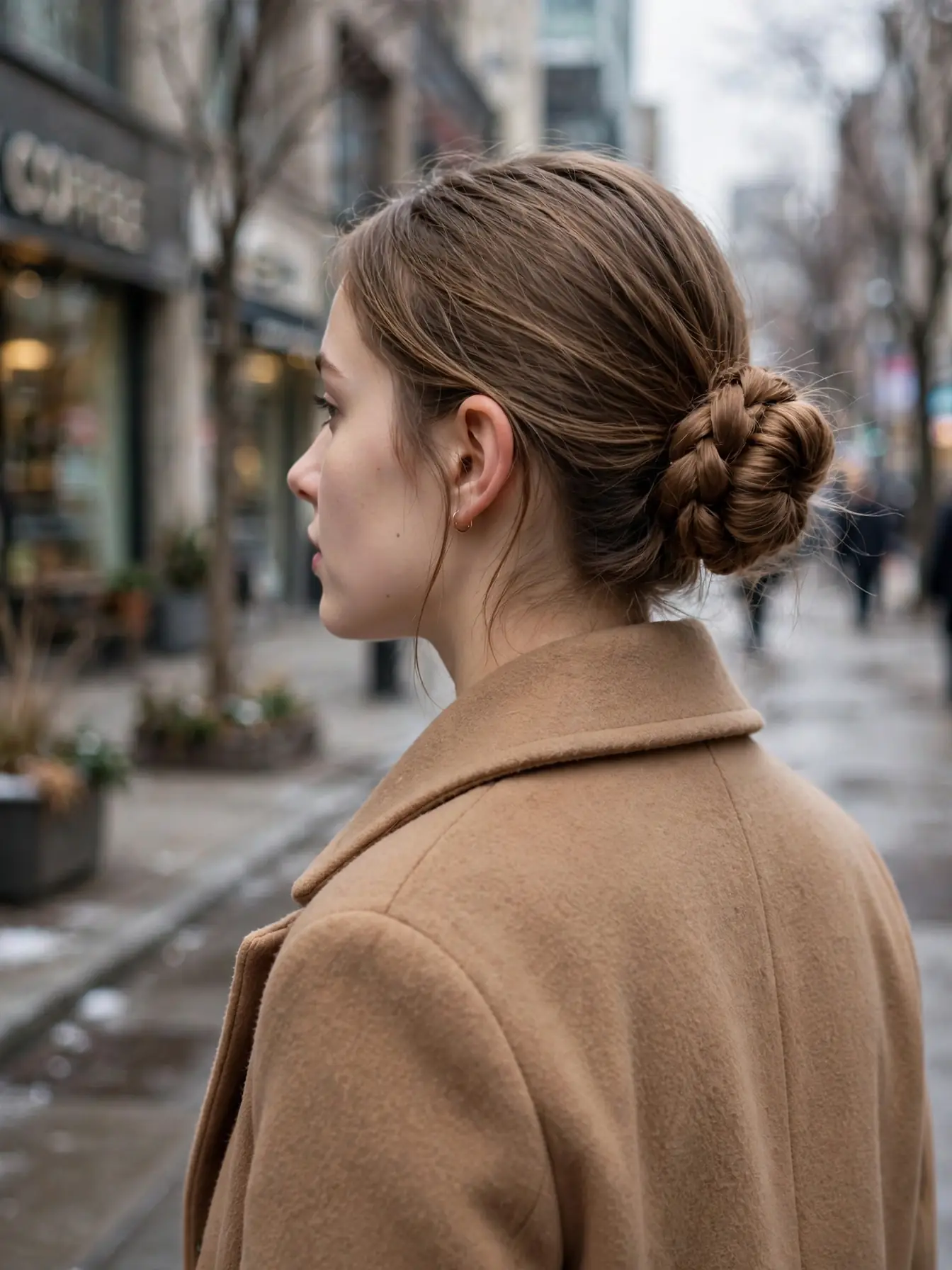
When wind and snow are at their worst, nothing beats getting every strand off your neck. Braid the hair into one or two simple braids, then coil them into a low bun at the nape. The result hides ends completely, which shields the oldest, driest part of your hair from cold air and scarf friction. Secure with U-shaped hair pins instead of a tight elastic to distribute weight and avoid a headache by afternoon. A low placement means most beanies still fit comfortably over it. This is the style I reach for on genuinely miserable weather days, when fussing with hair is the last priority.
Best for: Snow days, commutes, and anyone protecting fragile ends.
Ask your stylist for: Pin placement that holds heavy hair without pulling at the hairline.
7. Milkmaid Braid Crown

Two braids pinned across the top of the head form a crown. It keeps every strand off your neck and shoulders. Few winter braid hairstyles handle high collars as gracefully. That matters in winter because collars, scarves, and coat zippers are constant sources of breakage. The crown shape also looks striking with turtlenecks and high collars, turning a practical choice into a style statement. Braid each side loosely, then pancake for width before pinning across. Hide the ends under the opposite braid and anchor with pins crossed in an X. A spritz of flexible-hold hairspray keeps the crown intact through a full day without stiffness. It works on medium to long hair and suits formal winter occasions.
Best for: Scarf and turtleneck wearers, holiday parties, and elegant winter evenings.
Ask your stylist for: The best pinning pattern for your head shape so the crown sits balanced.
8. Braided Halo With Twists
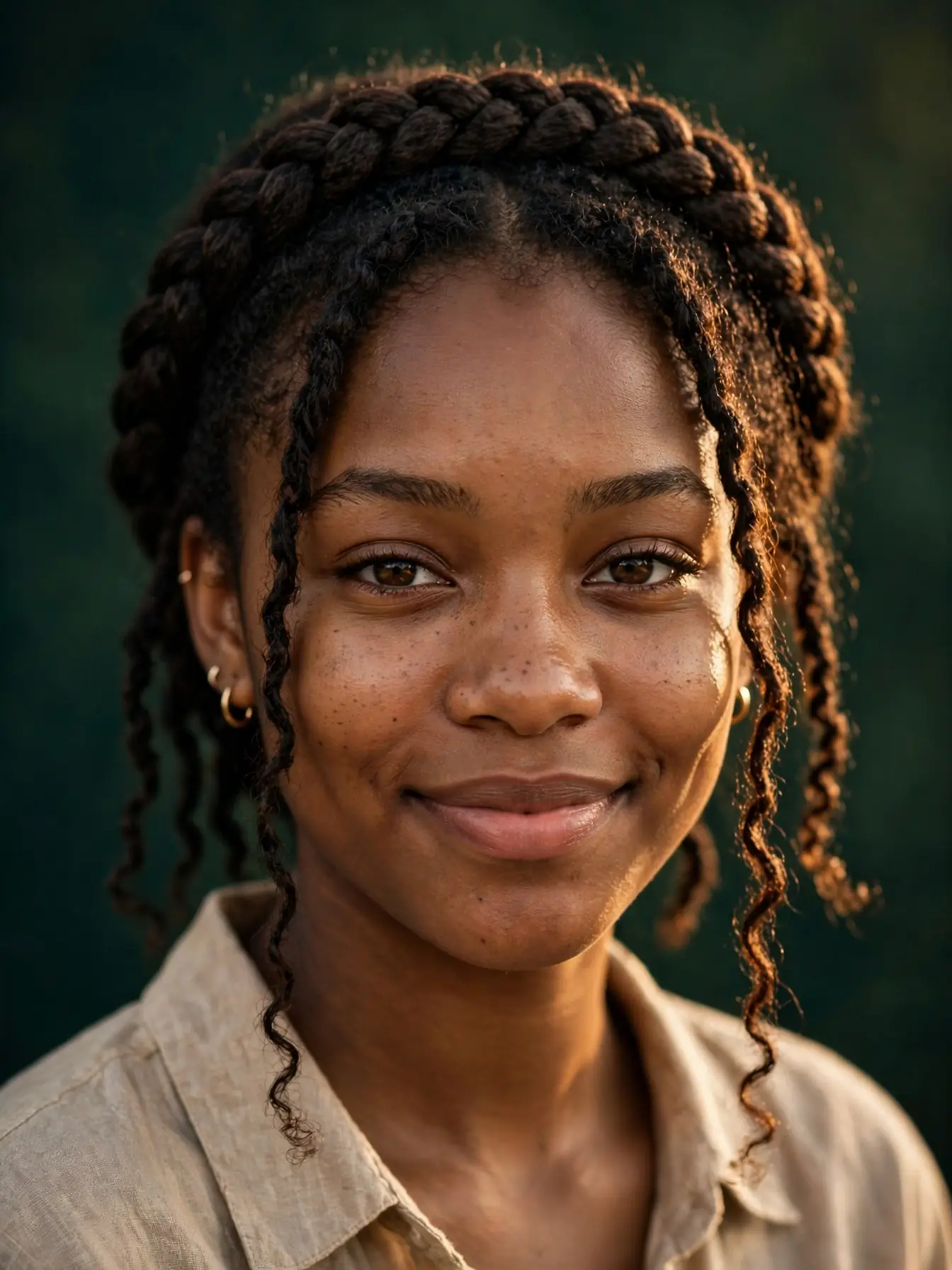
A halo braid wraps a single braid around the head like a headband. Soft twists at the front keep the look gentle rather than severe. Pulling a few face-framing pieces loose before pinning stops the style from reading too tight. This is a strong choice for textured and curly hair. The braid follows the natural curl pattern at the edges. Keep the braid slightly loose to avoid tension headaches, especially if you wear it all day. Edge control gel smoothed along the hairline gives a polished finish that lasts. The halo pairs beautifully with statement earrings, since the ears stay fully visible.
Best for: Curly and textured hair, and anyone who wants an updo that still shows softness.
Ask your stylist for: Guidance on braid size relative to your hair density for the most flattering proportion.
9. Simple Rope Twist
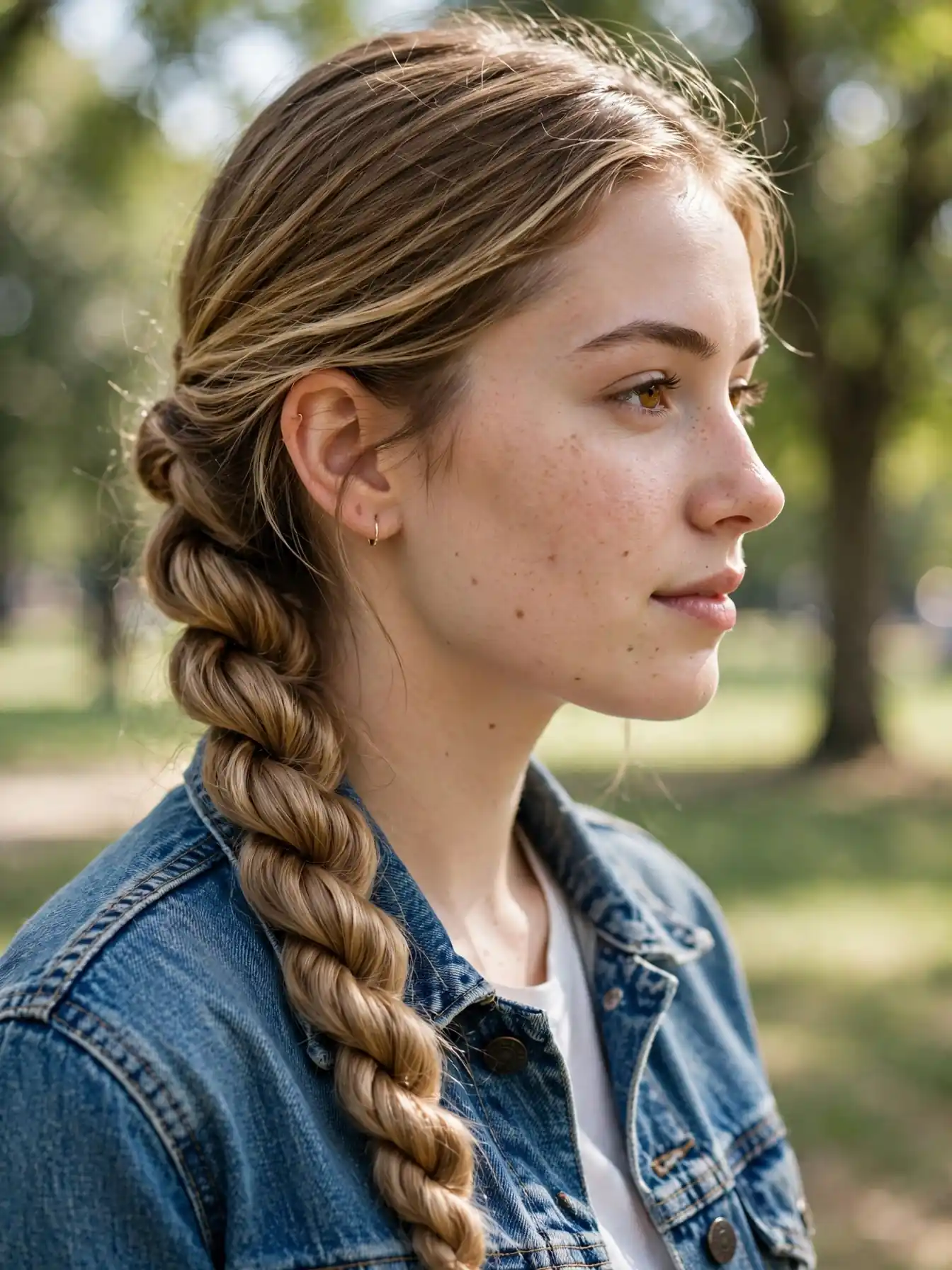
Rope twists need only two sections twisted in the same direction, then wrapped around each other. That is the entire technique, which makes this the easiest genuinely protective option here. Twists hold well in winter because the coiled structure resists unraveling in wind better than a loose braid. They also work on shorter hair that cannot hold a French braid yet. Apply a cream-based moisturizer before twisting so each section stays pliable and sealed. Two rope twists pulled into a low ponytail make a tidy gym or errand style. For a truly low-effort entry among winter braid hairstyles, the rope twist is hard to beat. The whole thing takes under ten minutes once your hands learn the motion.
Best for: Beginners, short to medium hair, and quick protective styling.
Ask your stylist for: The right product weight for your texture so twists do not feel heavy or greasy.
10. Classic Box Braids
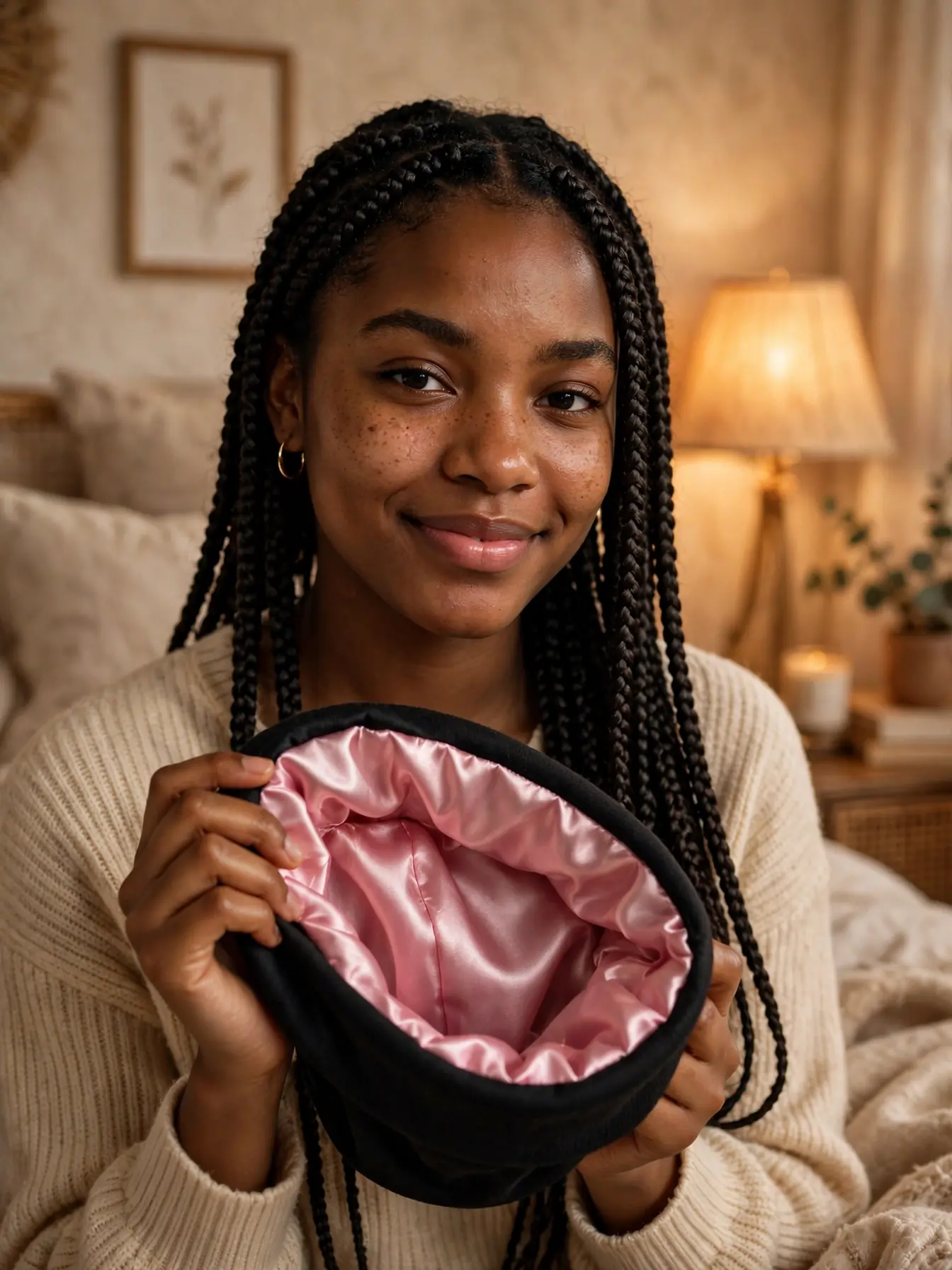
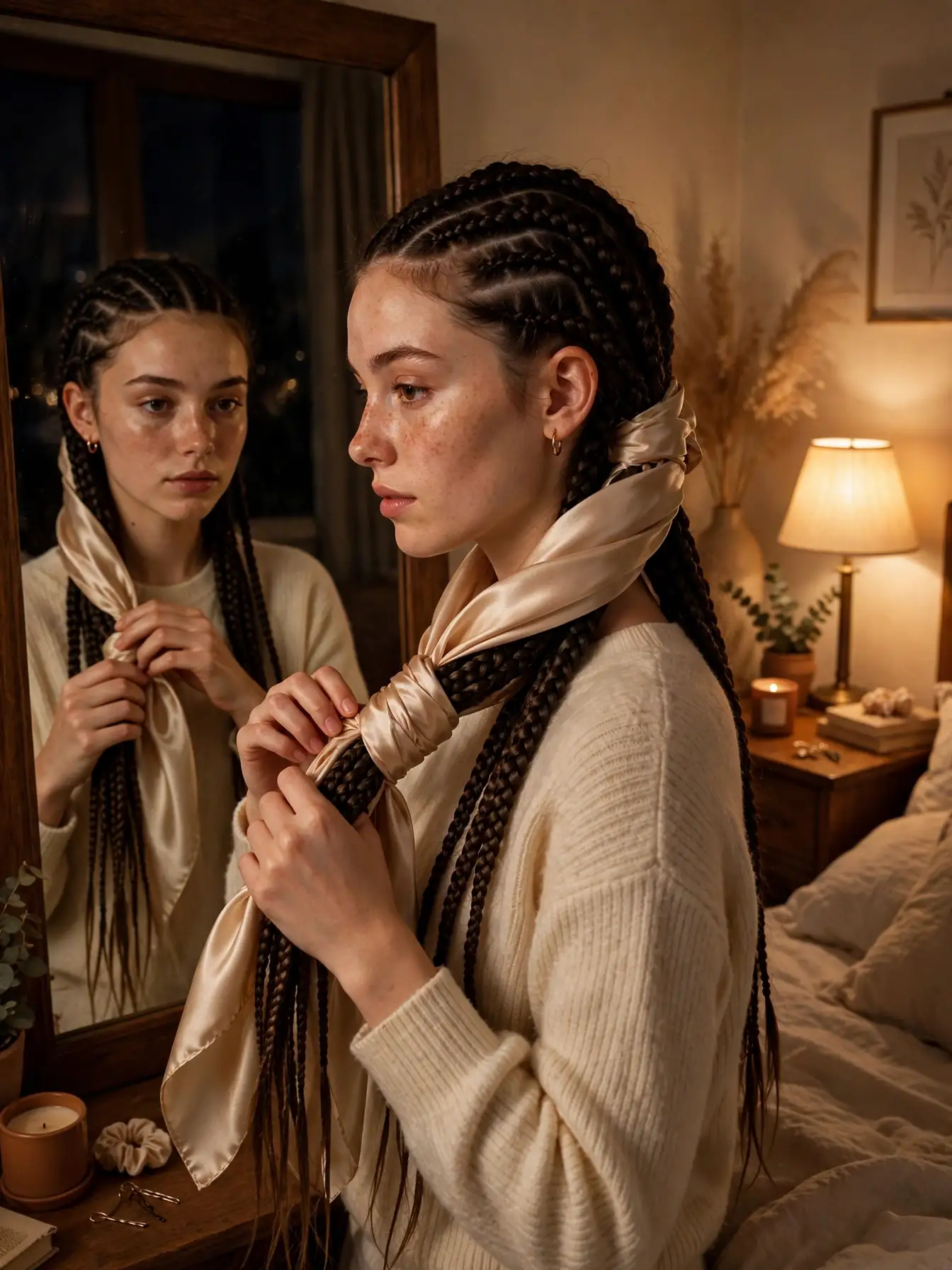
Box braids are the long game of winter hair. Installed once, they protect your natural hair for four to eight weeks while cold air does its worst outside. Among winter braid hairstyles, they offer the longest stretch of full protection. Your ends stay tucked, daily manipulation drops to nearly zero, and styling takes minutes. Choose a medium size: jumbo braids look striking but pull more, while very small braids take many hours to install. Keep the scalp clean with a diluted shampoo applied along the parts. Oil the scalp lightly once or twice a week. A satin-lined beanie over box braids prevents the friction that causes frizz at the roots. Nighttime wrapping in a satin scarf extends the style noticeably.
Best for: Anyone who wants weeks of low-maintenance winter protection.
Ask your stylist for: A comfortable braid size and a realistic install-time estimate for your hair length.
11. Gentle Knotless Braids
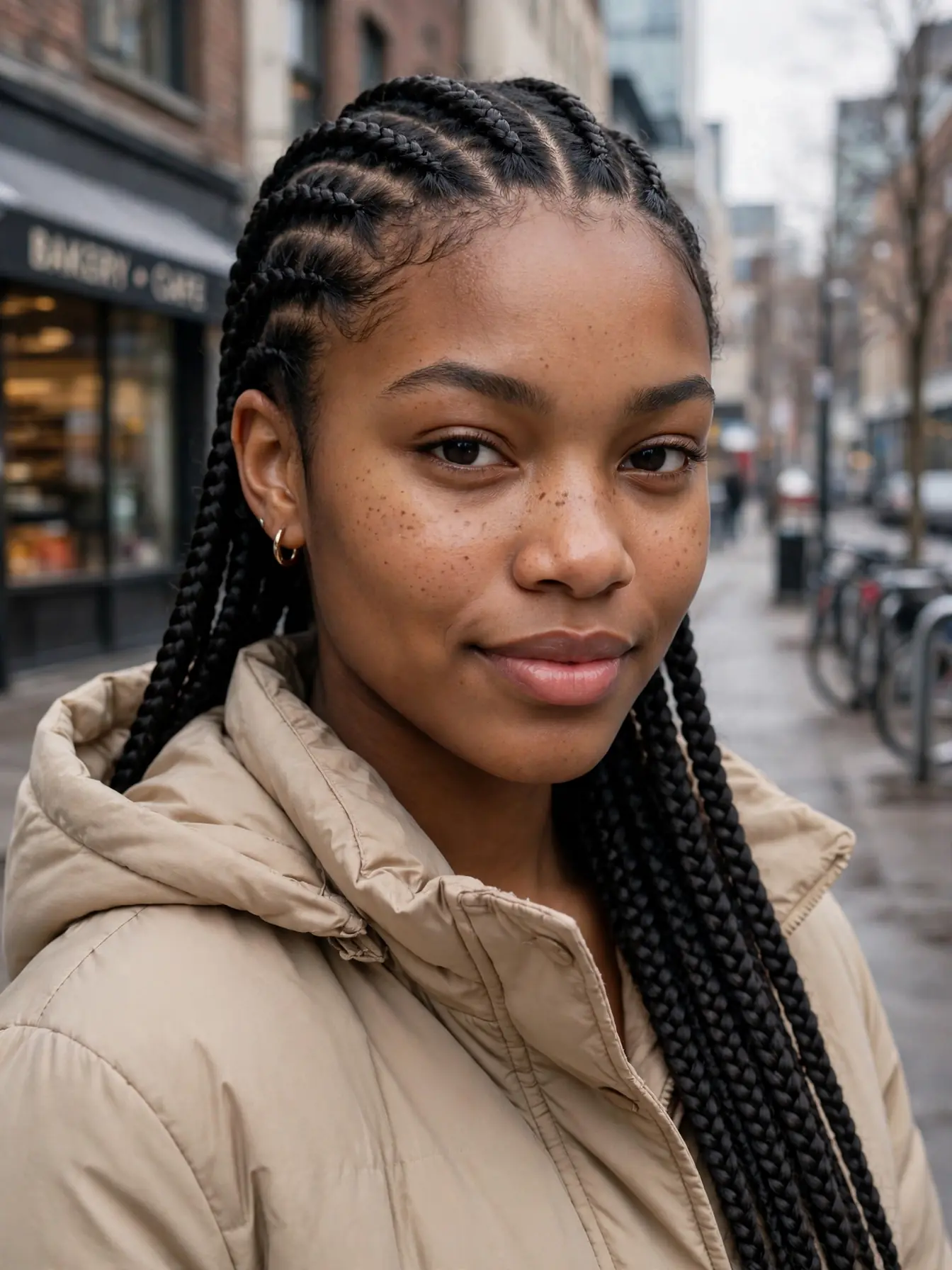
Knotless braids start with your natural hair. Extension hair feeds in gradually, so there is no tight knot at the root. That single difference makes them noticeably easier on edges and the hairline, which winter dryness already stresses. They lie flatter than traditional box braids, which means hats sit better over them. The install takes longer and typically costs more, but many wearers find the comfort worth it. Moisturize the scalp with a lightweight oil rather than heavy grease to avoid buildup along the parts. Knotless braids usually last four to six weeks with good care.
Best for: Sensitive scalps, fine edges, and hat wearers who want protective length.
Ask your stylist for: An honest tension check during install, since comfort at the chair predicts comfort for weeks.
12. Boho Goddess Braids
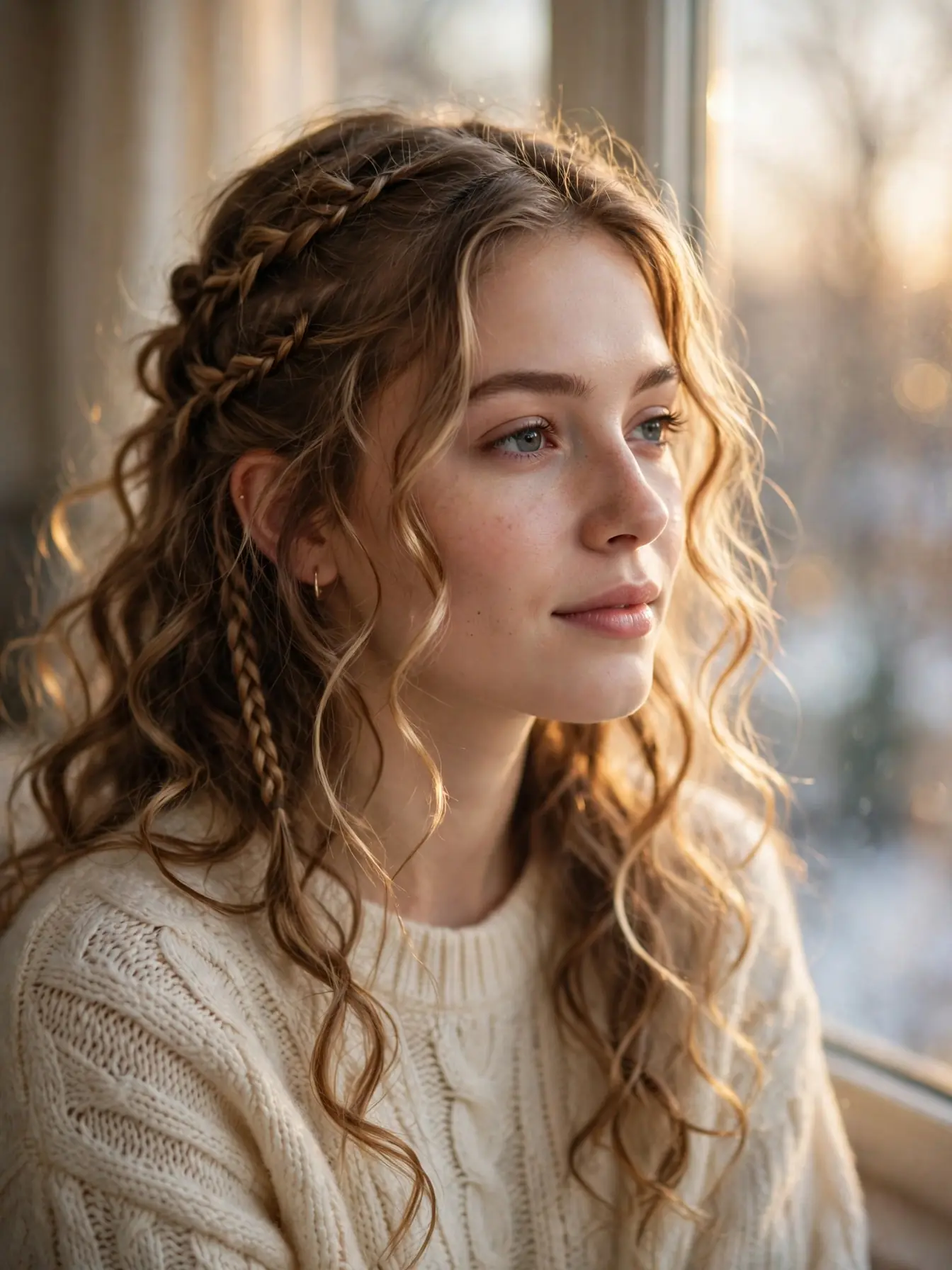
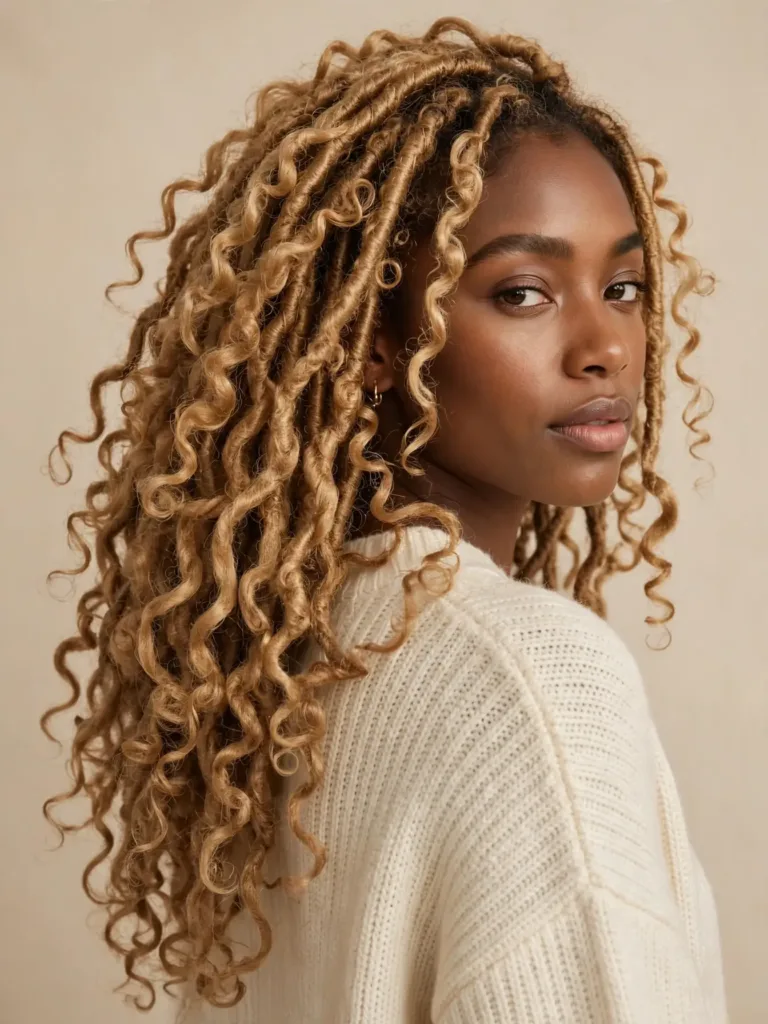
Boho or goddess braids mix braided sections with loose, curly pieces left out for a soft, romantic finish. Celebrity stylist Jennie Roberts has pointed to boho and goddess braids as ideal winter protective styles. She notes they prevent breakage and keep hair hydrated with a lightweight leave-in applied before braiding. The loose curls need a bit more attention in dry air. Refresh them with a curl-defining cream every few days. This style suits medium to long hair and photographs beautifully in winter light. It bridges the gap between a full protective install and wearing your texture out.
Best for: Anyone who wants protection without giving up visible curls and movement.
Ask your stylist for: Curl placement that frames your face and blends with the braided sections.
13. Cornrows Into a Braided Ponytail
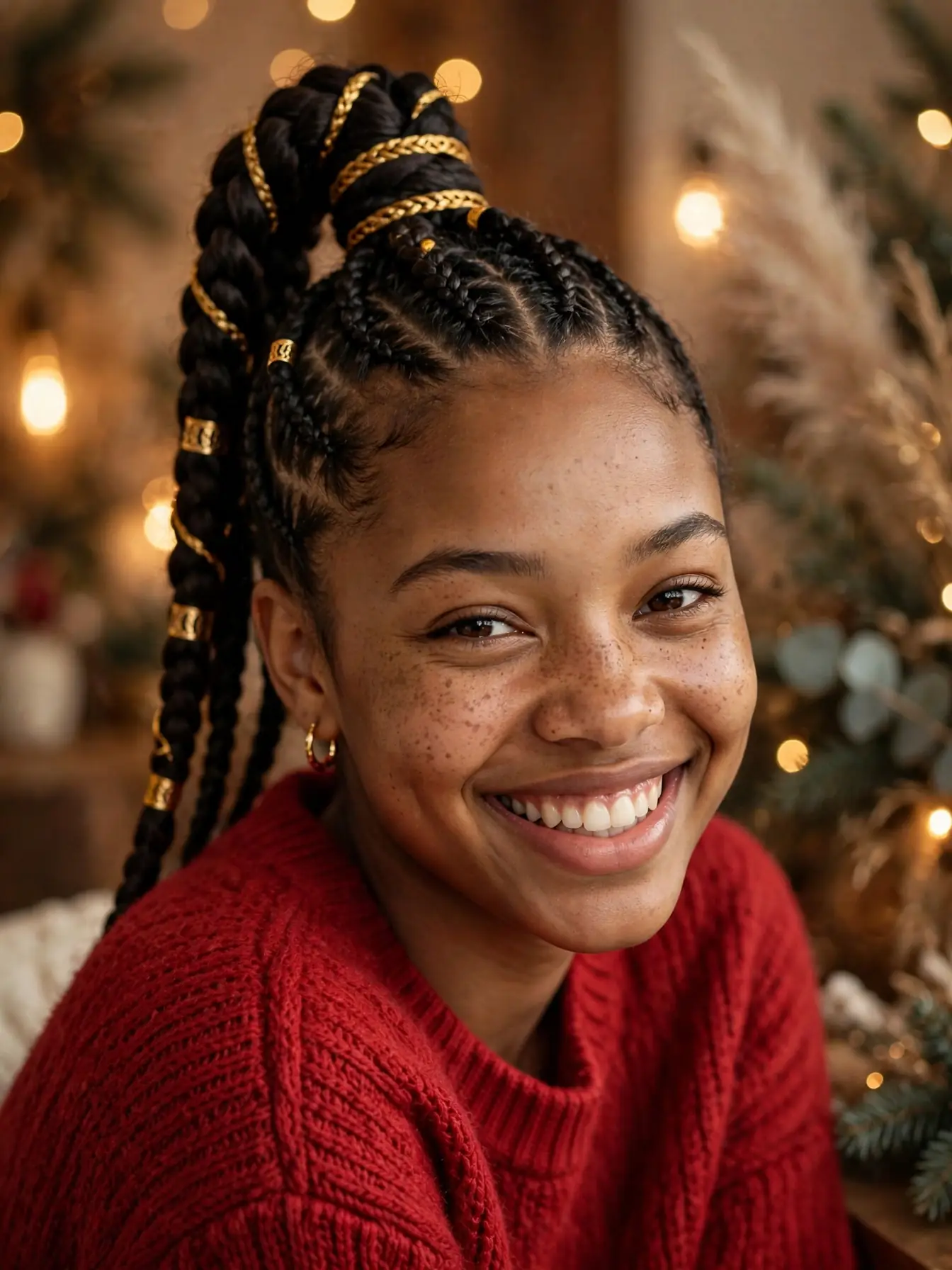
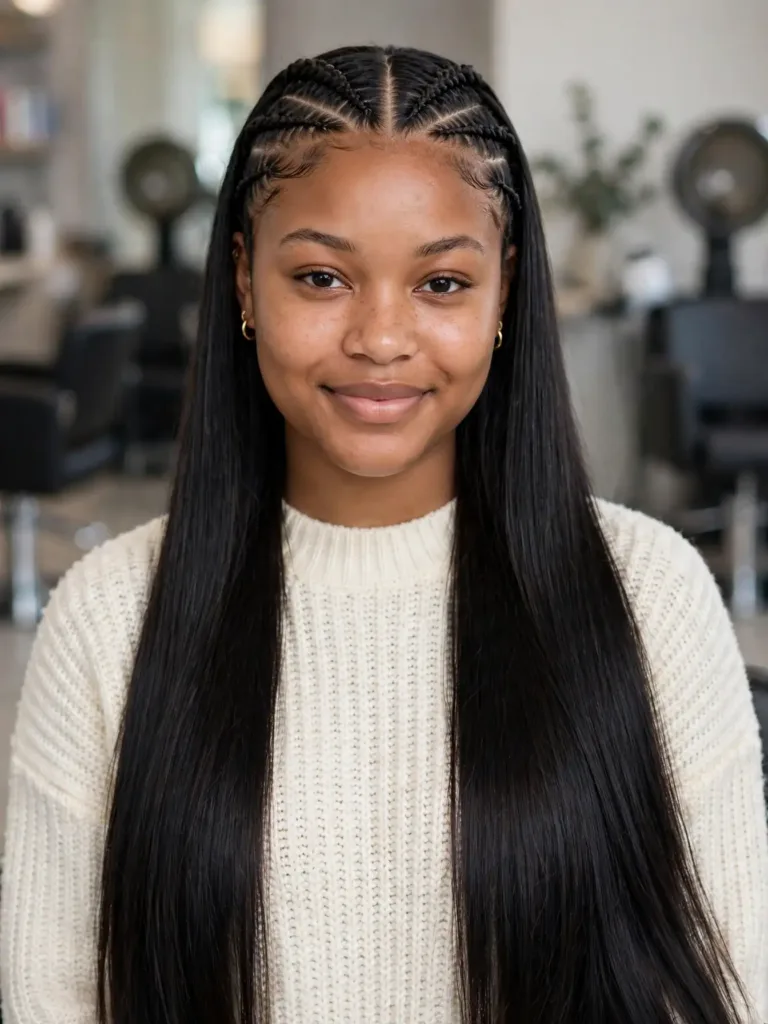
Cornrows braided back into a single ponytail combine scalp-level neatness with a swinging, feminine finish. The cornrowed base keeps the front completely controlled under hats. The ponytail can be worn high, low, or to the side. This is one of the most versatile winter braid hairstyles for active schedules. A few gold braid cuffs on the ponytail give a festive touch. They take zero extra effort for the holiday season. This style lasts one to two weeks on most textures and refreshes easily at the edges. Sleep in a satin bonnet to keep the cornrows crisp and the ponytail smooth. It is a strong pick for active winter schedules, from workouts to travel days.
Best for: Active lifestyles, holiday accessorizing, and two-week wear.
Ask your stylist for: Cornrow sizing that balances scalp comfort with how long you want the style to last.
14. Side-Swept Elsa Braid
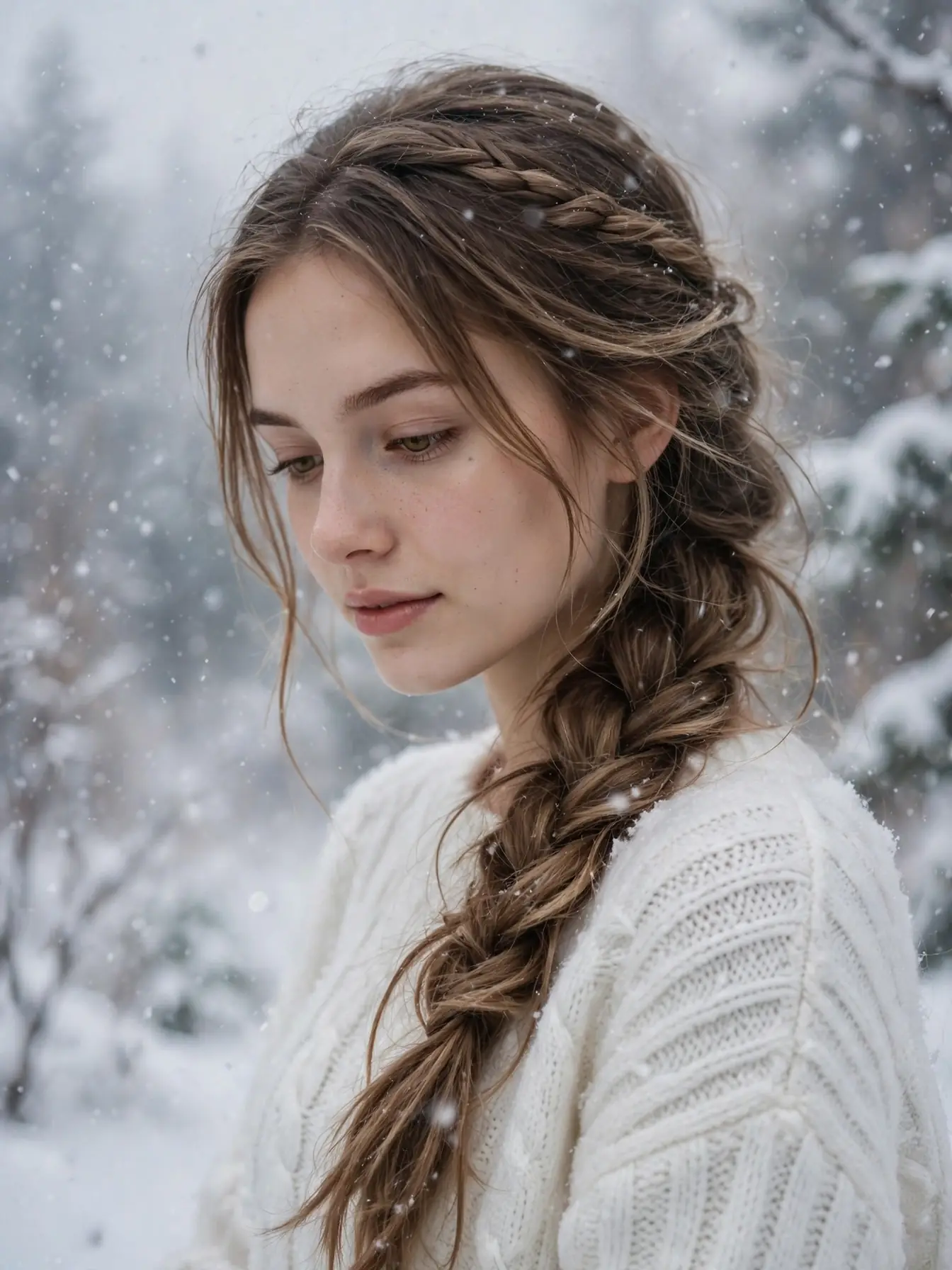
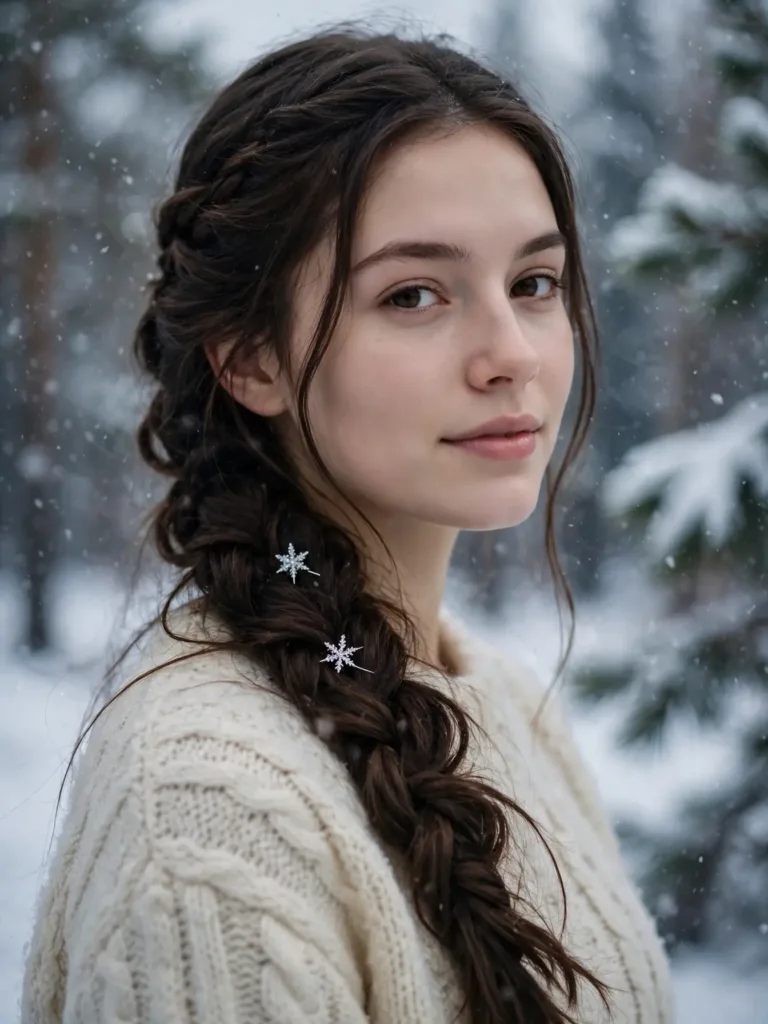
The side-swept French braid draped over one shoulder has serious winter appeal. It keeps hair forward, away from backpack straps and coat collars. It looks straight out of a snow globe. Braid loosely from a deep side part. Pull the finished braid over the shoulder, pancaking the edges for that thick, storybook fullness. A few curled face-framing pieces softened with heat protectant before curling add romance without much effort. This style photographs exceptionally well against snow and winter landscapes, which explains its constant popularity in holiday photos. It works best on long hair with some layers for movement.
Best for: Holiday photos, winter weddings, and long layered hair.
Ask your stylist for: Layer placement that gives the braid natural movement instead of a stiff column.
15. Half-Up Dutch Braids

Two small Dutch braids across the crown, joined at the back, give you real options. The front stays controlled while the lengths hang free. Half-up styles rank among the most wearable winter braid hairstyles for everyday life. This suits people who hate the feeling of all their hair down in winter wind. It works when you do not want a full updo. The braids hold back layers and bangs that would otherwise tangle in a scarf. Keep the lower hair smooth with a smoothing serum so the two textures read intentional, not unfinished. The style takes about ten minutes and suits medium to long hair. It also layers well under a beanie, since the braided section sits flat.
Best for: In-between styling, layered cuts, and beanie wearers who want some hair down.
Ask your stylist for: Braid width advice, since too-thick braids can overwhelm fine hair here.
16. Braided Ponytail With Velvet Ribbon
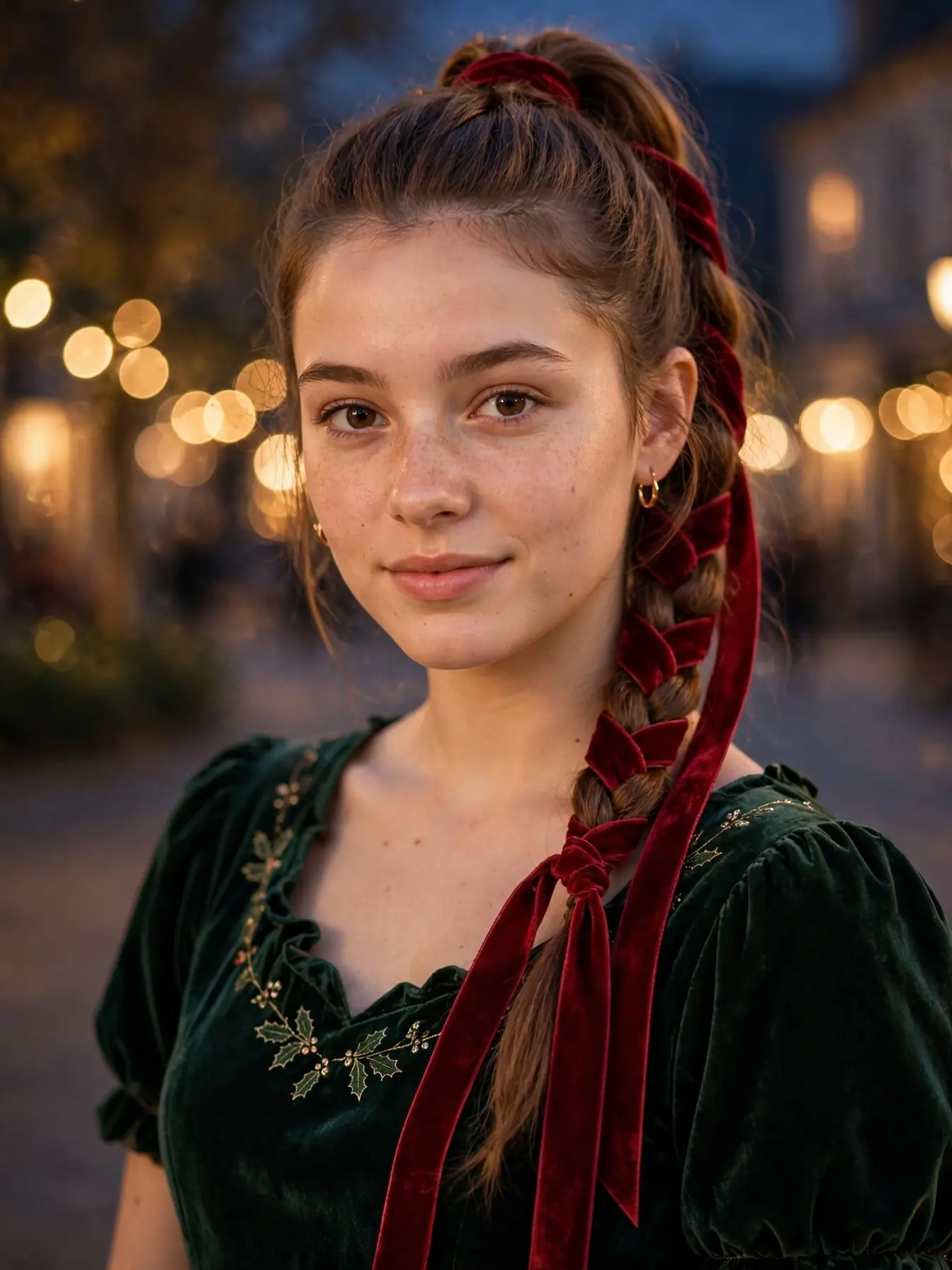
A high or mid ponytail with the tail itself braided gets an instant winter upgrade. A velvet ribbon woven through the plait does the work. Velvet reads seasonal without trying, and the soft fabric is gentler on hair than wire-edged ribbon. Weave the ribbon in as you braid, letting the ends hang long for movement. The braided tail keeps hair from whipping in wind, a real issue with loose winter ponytails. Anchor the base with a wrapped hair strand instead of a visible elastic for a cleaner finish. This style moves easily from daytime errands to evening events with zero changes.
Best for: Holiday gatherings, festive photos, and anyone who loves accessorizing.
Ask your stylist for: Ribbon length guidance so the tails balance your ponytail length.
17. Pancaked Knit-Look Braid
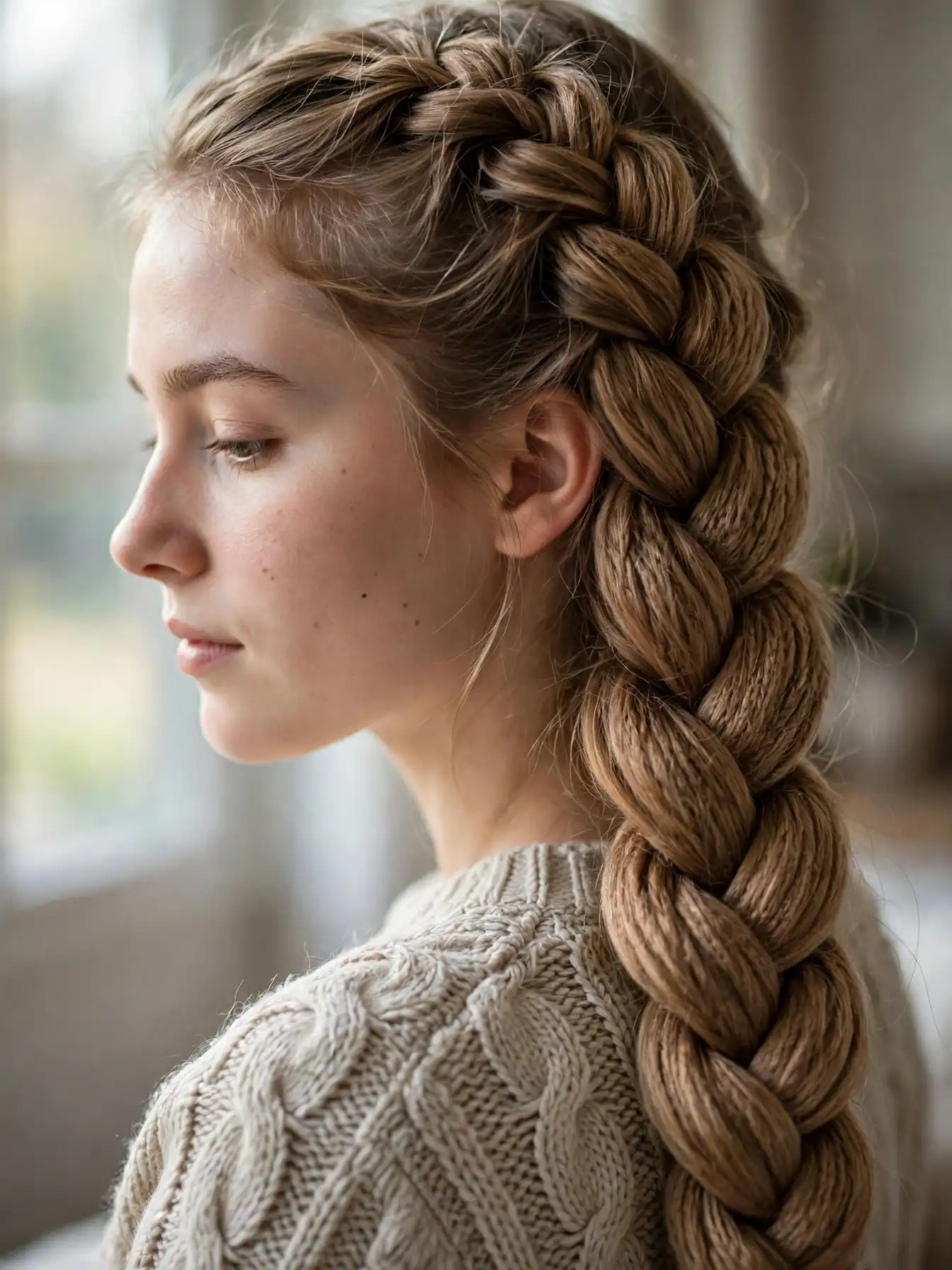
Pancaking means tugging each loop of a finished braid outward to widen it. The result is a thick, textured plait that resembles chunky knitwear. The pancaked braid is one of the most photogenic winter braid hairstyles for sweater weather. The visual echo with winter sweaters is exactly why this style feels so seasonal. Start with a Dutch or three-strand braid, then work from the bottom up, gently pulling each section wider. A dry texturizing spray applied before braiding gives the loops grip so they hold their width. This technique adds dramatic fullness to fine hair without extensions. The finished braid looks elaborate but takes only a few extra minutes beyond a basic braid.
Best for: Fine hair that needs fullness, and cozy sweater-weather outfits.
Ask your stylist for: How far to pancake without the braid falling apart by midday.
18. Face-Framing Accent Braids

Two tiny braids along the hairline add detail without a full braided style. Wear the rest of the hair down or in a low bun. They keep front layers out of your eyes on windy days and look delicate against winter coats. The trick is keeping them slim: sections about half an inch wide braid neatly and pin invisibly behind the ears. A dab of clear styling gel on fingertips prevents the small sections from frizzing out. This is also a good grow-out strategy for bangs in winter, when frequent trims feel like a chore. The whole addition takes under five minutes.
Best for: Bang grow-out, minimal-effort detail, and pairing with any base style.
Ask your stylist for: Placement that flatters your part, since center and side parts change the effect.
19. Double Dutch Pigtails
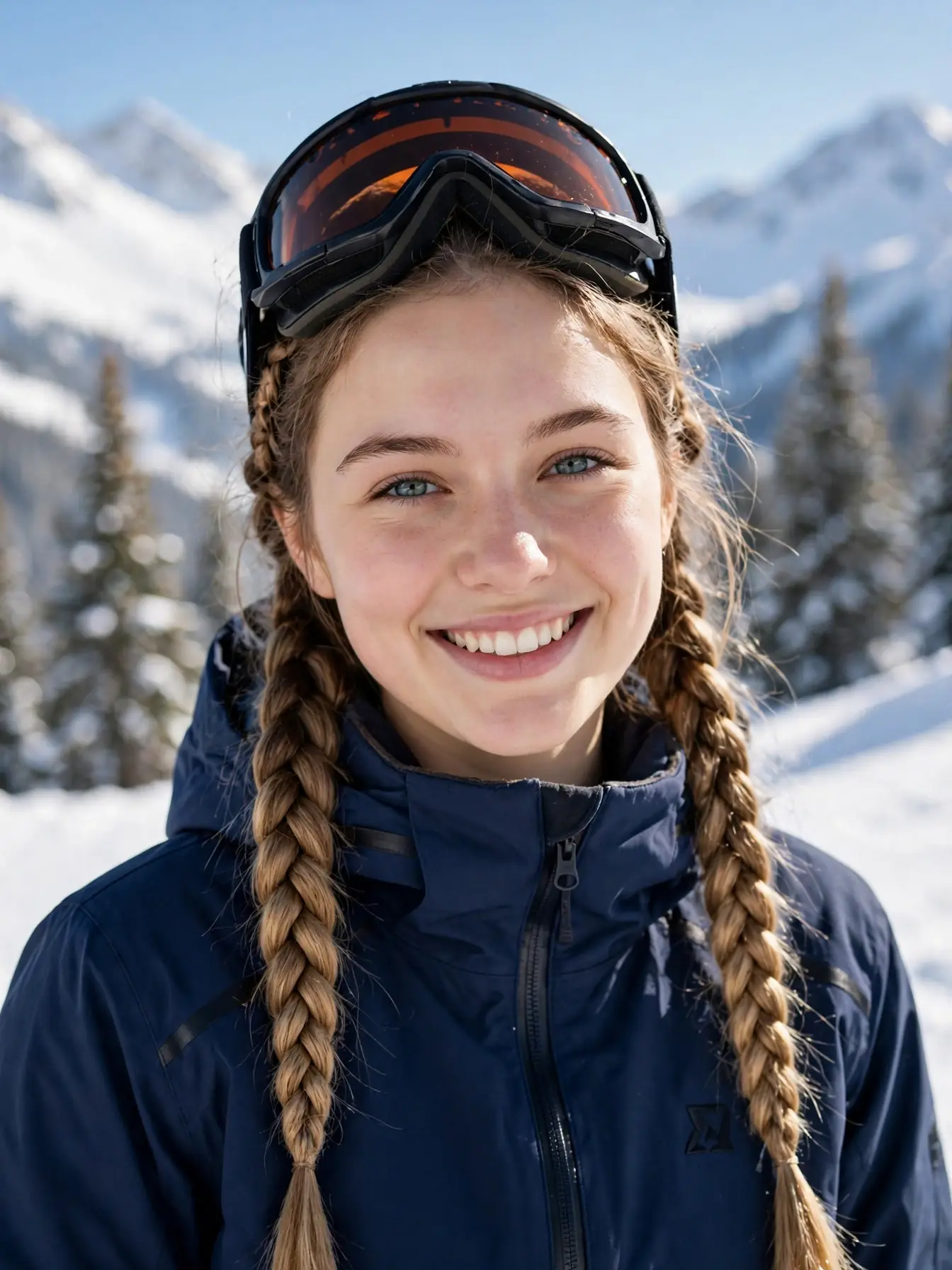
Two Dutch braids, one on each side, are sporty, youthful, and extremely practical in winter. The symmetrical braids stay put under helmets, hoods, and beanies. That makes them a favorite for ski trips and snowy commutes. Double Dutch pigtails are the sportiest winter braid hairstyles on this list. They also distribute weight evenly, so the style stays comfortable all day. Braid tightly at the scalp for hold, then pancake the lengths for a softer finish. For more double-braid inspiration, see our guide to double Dutch braids for variations on this classic. Finish the ends with fabric-covered elastics to avoid breakage at the tie point.
Best for: Ski days, workouts, and anyone who wants a secure all-day style.
Ask your stylist for: Parting advice, since a zigzag part hides the center line more naturally.
20. Low Twisted Chignon With Braided Ends
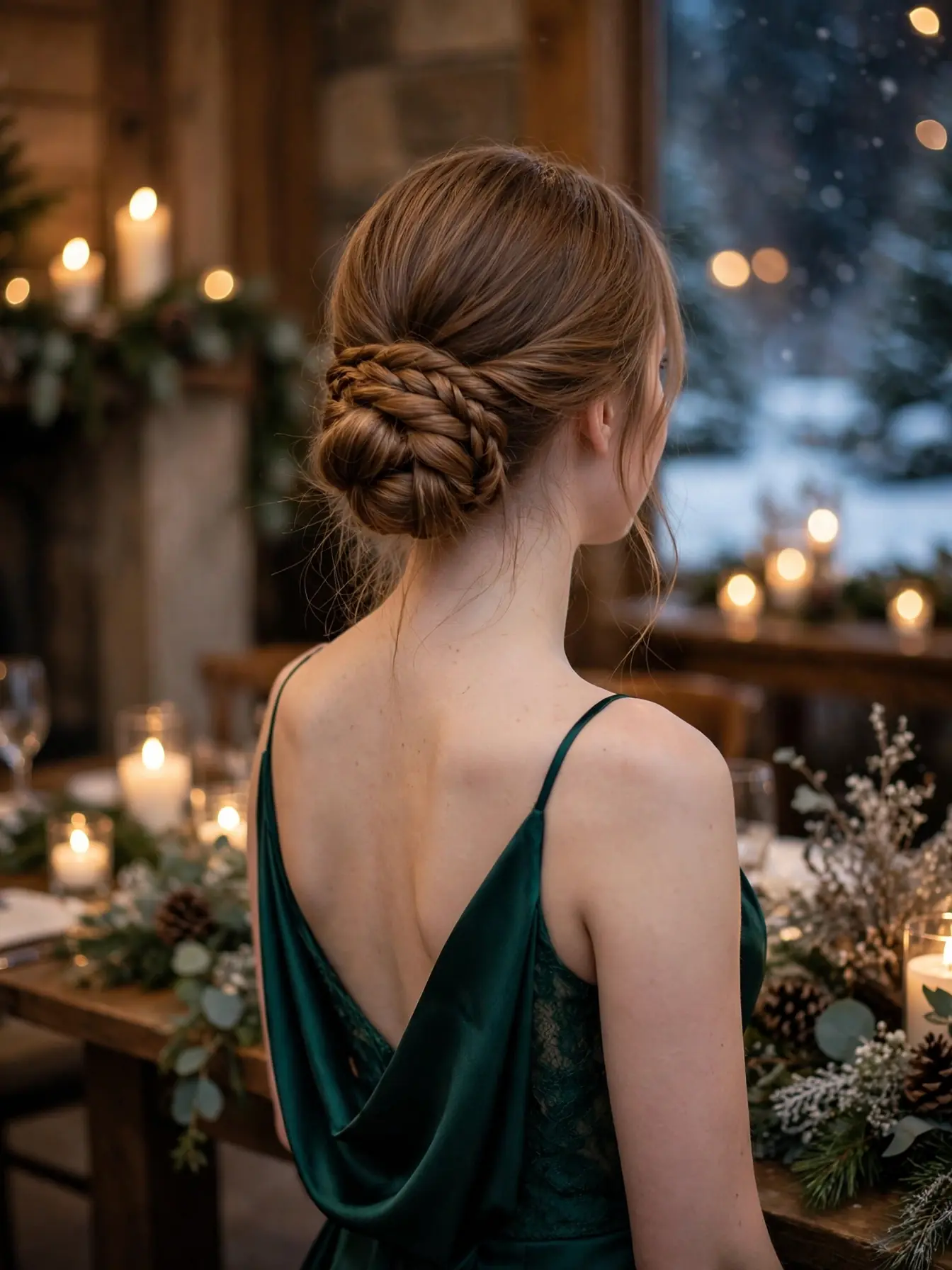
This hybrid starts as a low twisted chignon and finishes with the remaining ends braided and wrapped around the base. The result looks like a salon updo but uses only basic twisting and three-strand braiding. It is one of the dressiest winter braid hairstyles for a formal winter calendar. Every end is tucked, which makes it one of the most protective evening styles here. It suits winter weddings, office parties, and anywhere you want polish without an elaborate install. Secure the chignon with spin pins, which hold better than bobby pins in thick hair. A light mist of medium-hold hairspray keeps the twist smooth through a long event.
Best for: Winter weddings, formal events, and elegant evenings out.
Ask your stylist for: Twist direction that complements your natural growth pattern at the nape.
21. Scarf-Proof Braided Chignon
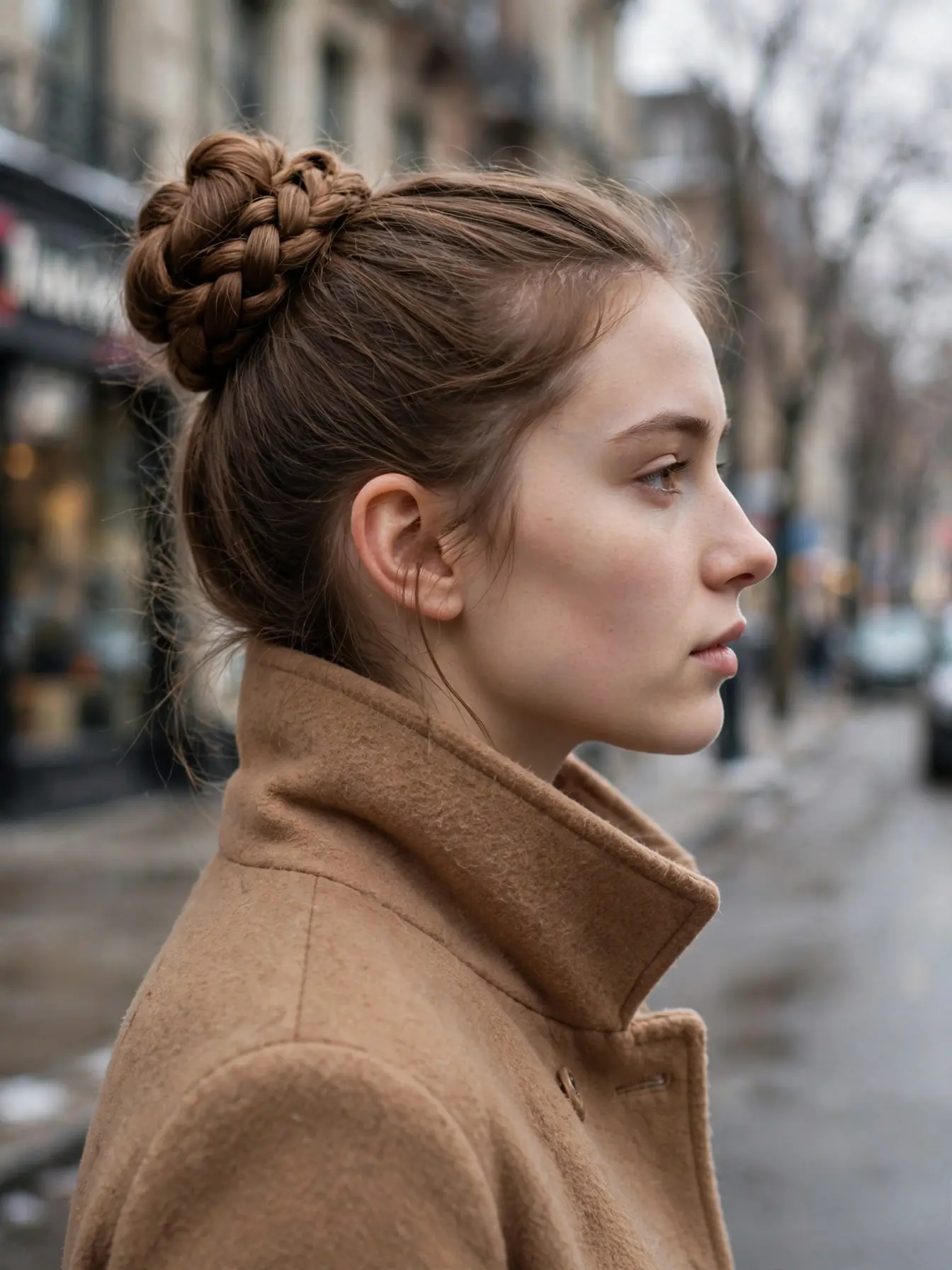
A braided chignon worn high at the crown clears scarves, coat collars, and turtlenecks completely. Braid the ponytail first, then wrap it around its own base and pin. The braided texture gives the bun visual interest that a smooth bun lacks. It also holds its shape far longer in winter wind. Because the style sits high, most coat collars slide underneath without disturbing it. Work a volumizing mousse through damp hair before styling for grip and lift at the crown. This is a reliable choice for long workdays when you cannot touch up your hair.
Best for: High-collar coats, long workdays, and maximum end protection.
Ask your stylist for: Bun size proportionate to your features, since oversized buns can overwhelm petite frames.
22. Messy Pull-Through Braid

The pull-through braid creates a thick, textured plait using only ponytails looped through each other. No actual braiding skill is required. It closes this list of winter braid hairstyles with maximum impact and minimum technique. The result looks like an elaborate fishtail and holds remarkably well in winter wind because each section is independently secured. It works beautifully on layered hair, since shorter pieces get caught in each segment instead of slipping out. Use clear mini elastics at each step so the hardware disappears into the style. Gently tug each segment for fullness, but stop before the structure loosens. This is the style to try when you want maximum impact with minimum technique.
Best for: Layered hair, braid beginners, and high-impact styling with low skill.
Ask your stylist for: Segment sizing for your hair length so the braid looks balanced, not bulky.
Winter Braid Prep Checklist
Good winter braid hairstyles start before the first section is divided. Run through this list and your style will hold longer and your hair will thank you.
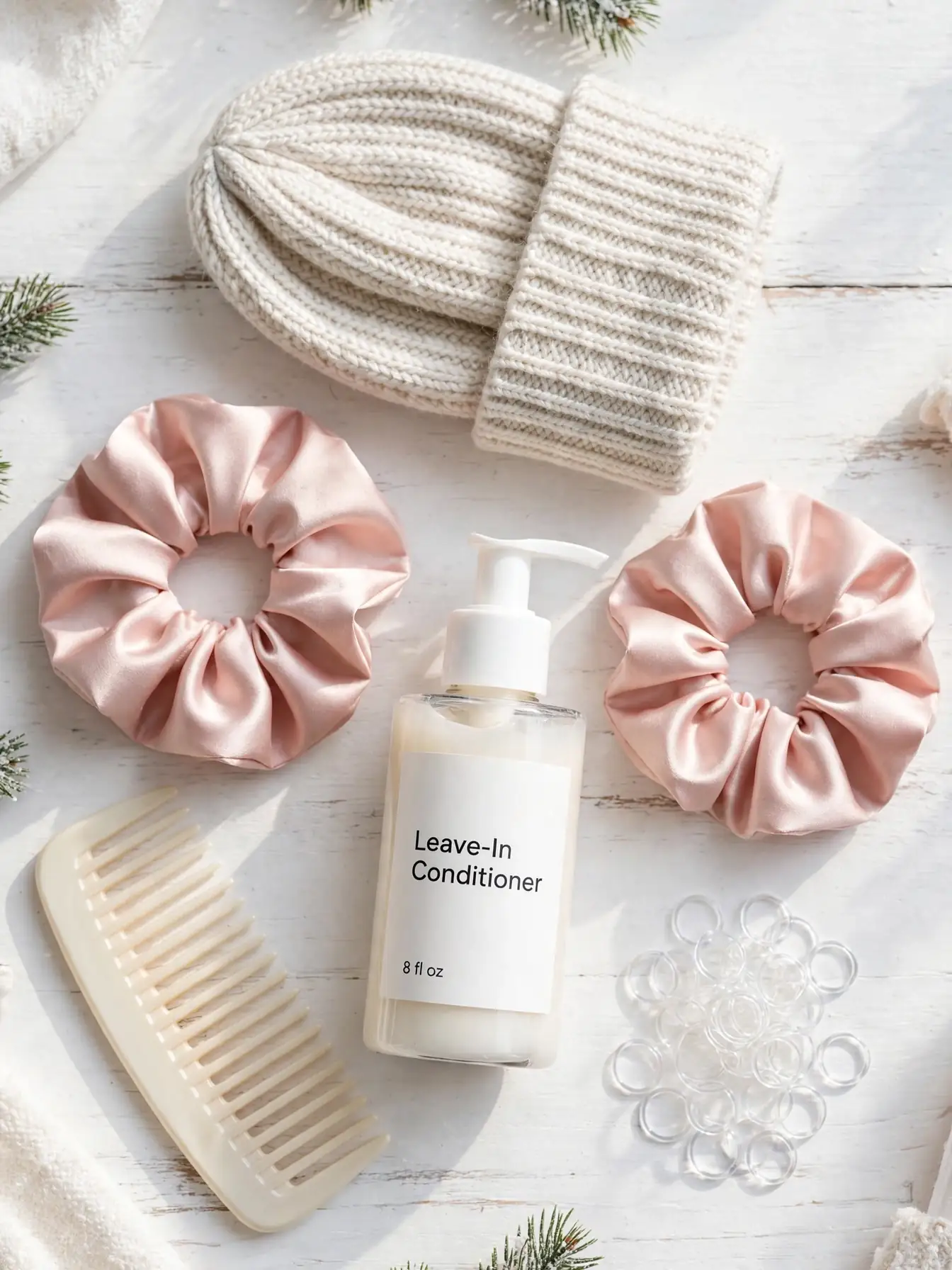
Moisturize first. Cold air dehydrates hair, so apply a leave-in conditioner or light oil to damp hair before any braid. Dry-braided hair is more prone to snapping.
Detangle gently. Work through knots with a wide-tooth comb from ends to roots. Braiding over tangles locks them in and causes breakage later.
Choose the right tie. Fabric-covered elastics, satin scrunchies, and spiral ties cause less damage than thin rubber bands. Keep spares in your coat pocket.
Protect the hairline. Avoid braiding too tightly at the edges, especially with protective installs. Tension plus winter dryness is a fast track to breakage.
Wrap at night. A satin scarf, bonnet, or pillowcase preserves braids and cuts morning frizz. Cotton pillowcases pull moisture from hair while you sleep.
Refresh the scalp. For long-wear styles, cleanse along the parts with diluted shampoo. Follow with a light scalp oil once or twice a week.
The best winter braid hairstyles protect ends from cold air and friction. They stay secure under hats. French braids, Dutch braids, and box braids are among the most reliable options.
Frequently Asked Questions
What Are the Best Winter Braid Hairstyles for Beginners?
Bubble braids, rope twists, and the classic three-strand side braid are the easiest starting points. They need almost no technique and hold well in winter wind. A pull-through braid looks advanced but uses only ponytails.
Do Braids Protect Hair in Winter?
Yes. Winter braid hairstyles reduce daily handling and keep ends tucked away from cold air, scarves, and coat collars. Celebrity hairdresser Charlotte Mensah recommends protective styling like braids and twists in winter. These styles retain moisture and reduce tangling.
How Long Do Winter Protective Braids Last?
It depends on the style. Simple braids last one to three days. Cornrows last one to two weeks. Box braids and knotless braids typically last four to eight weeks with proper scalp care and nighttime wrapping.
Can I Wear Braids Under a Beanie?
Yes. Choose styles that sit flat at the crown, like French braids, low braided buns, or knotless braids. A satin-lined beanie reduces friction and frizz. Avoid high buns that push the hat up.
Should I Braid Wet or Dry Hair in Winter?
Braid on slightly damp, moisturized hair for the best hold and flexibility. Never go outside with soaking wet braids in freezing temperatures, since wet hair is more fragile and can freeze.
How Do I Stop Static in Winter Braids?
Static comes from dryness. Moisturize before braiding, use a leave-in conditioner, and smooth a tiny amount of oil over the finished braid. A humidifier at home helps more than any product.
Are Tight Braids Bad in Winter?
Very tight braids stress the hairline and scalp, and winter dryness makes the problem worse. Keep edges comfortable during install. If a braid hurts or pulls, it is too tight and should be loosened or redone.
What Products Work Best Before Winter Braiding?
Start with a leave-in conditioner for moisture. Seal it with a light oil. Add a smoothing cream or edge gel for hold. Heavy products cause buildup, so keep layers light and refresh the scalp weekly.
Final Thoughts
Winter asks a lot of your hair, but the right braid gives back more than it takes. Pick the style that matches your actual winter: the commute, the hat, the dry air. Start with one new technique this week and see how it holds. These winter braid hairstyles make cold-weather hair one less thing to worry about. Your ends will feel the difference by the holidays, and your mornings will get easier starting tomorrow.