
15 Protective Styles For Natural Curls You Must Try
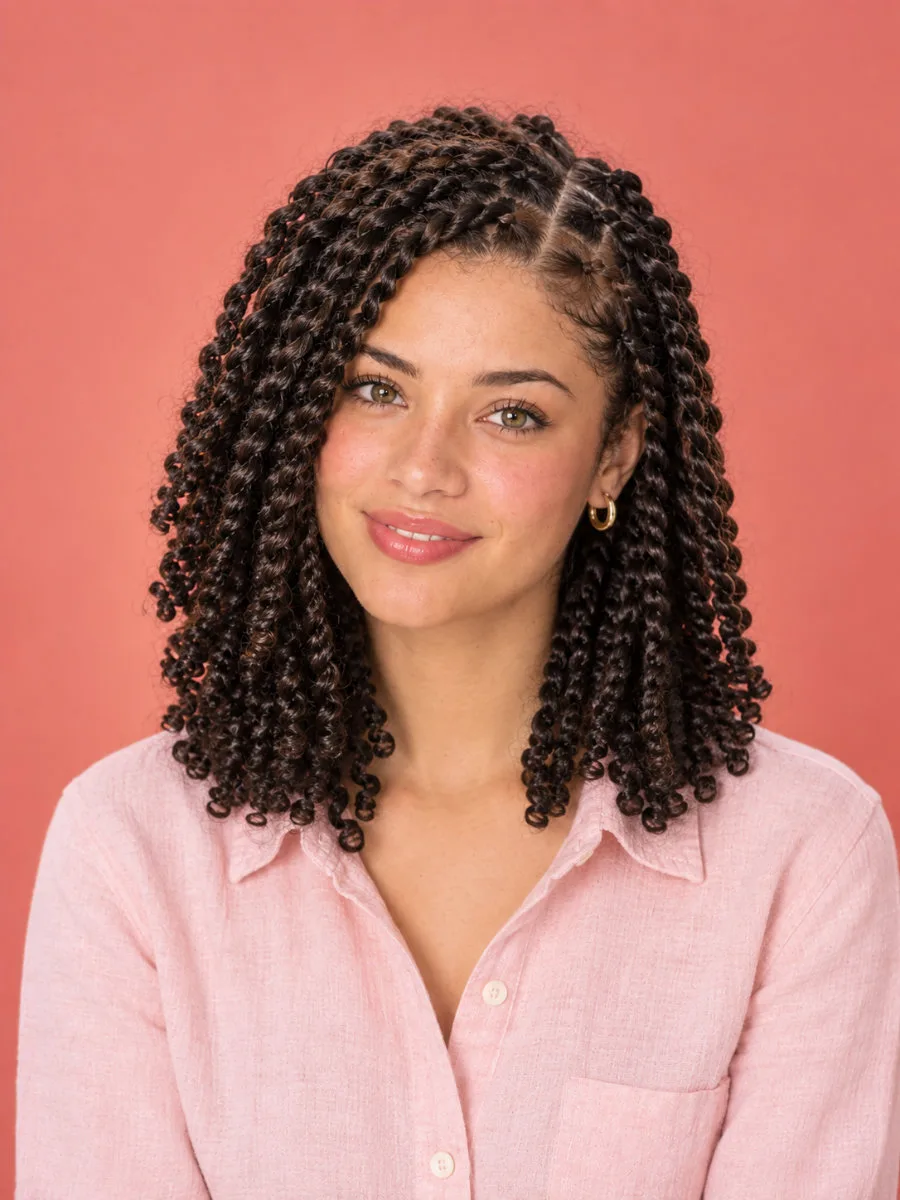
Are your curls snapping off just as they start to gain length? You’re not alone, and it’s not your fault. Curly ends are fragile. Each wash, comb, and night on a cotton pillow chips away at them. So your length seems stuck in place.
Protective styles for natural curls fix that. They tuck your ends away and give your hands a break from daily styling. A bad install can still do harm, though. Tight braids pull on your edges, and skipped wash days leave your scalp dry and itchy.
Below are 15 looks grouped by effort, from five minute buns to braids that last for weeks. Each one lists the curl types it suits and how long it lasts. You’ll also see how to keep it gentle on your hair. Save the ones that match your curls and your schedule.
Quick Picks
- New to protective styling? Start with two-strand twists or flat twists.
- Loose 3A or 3B curls? Try loose Dutch braids or crochet curls.
- Want the longest wear? Faux locs and medium box braids last 6 to 8 weeks.
- Thin or fragile edges? Pick a glueless wig or chunky cornrows.
What Makes A Style Truly Protective?
Good protective hairstyles for curly hair follow three rules. They keep your hair ends tucked in, limit daily handling, and stay put for days or weeks. Anything that meets those rules counts, from a simple bun to box braids.
Why Curly Hair Breaks So Easily
Each bend in a curl is a weak point where the strand can snap. Natural oil from your scalp also travels slowly down a coiled strand. So the ends stay dry and brittle. Less combing means fewer snapped ends and better length retention.
The Comfort Rule
Tension is the one thing to watch. The American Academy of Dermatology (AAD) warns that hairstyles which pull on the scalp can cause traction alopecia. Over time, that hair loss can become permanent. A style only protects your hair if it feels comfortable from day one.
How to Match a Style to Your Curl Type
Your curl type changes how long a style lasts and how well it holds. Looser curls slip out of twists faster. Tighter coils grip better and can handle smaller sections.
| Curl type | What works best | What to limit |
| 3A to 3B (loose, springy curls) | Loose braids, low buns, crochet curls, wigs | Tiny twists that unravel in days |
| 3C to 4A (tight curls, visible S pattern) | Flat twists, two-strand twists, knotless braids | Heavy extensions on fine strands |
| 4B to 4C (tight coils, Z pattern) | Twists, Bantu knots, cornrows, faux locs | Very small braids that stress the root |
Not Sure Of Your Curl Type?
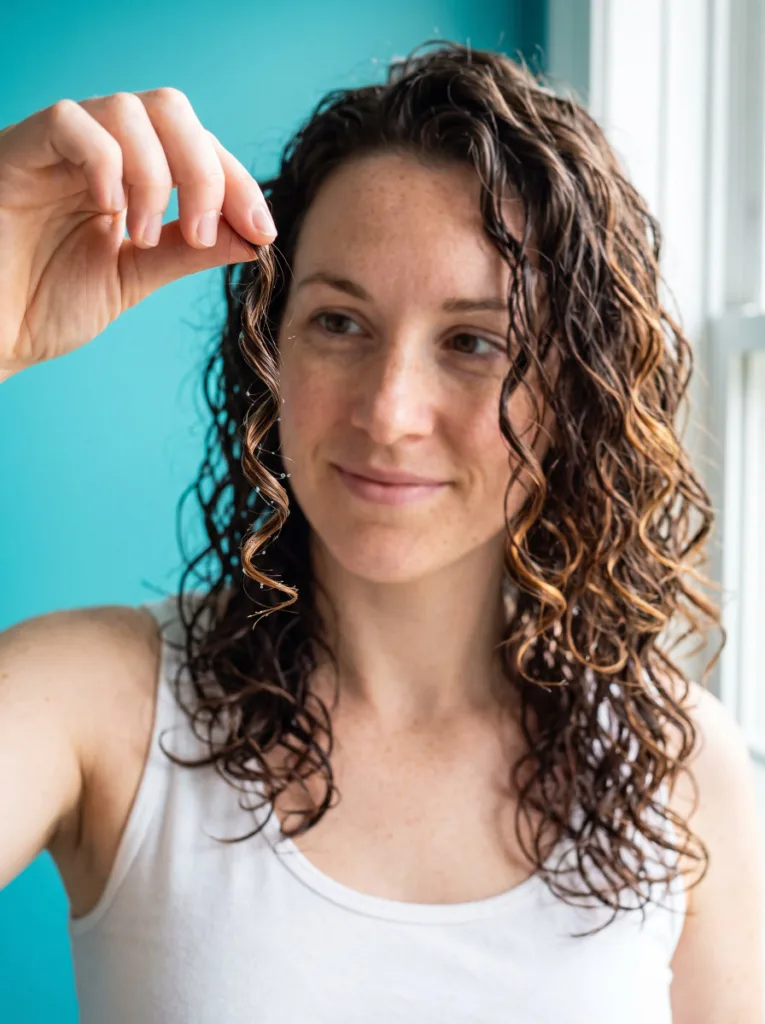
Look at a single clean, wet strand. Does it form a wide S? You likely sit in the 3 range. Does it coil as tight as a pen spring? You’re closer to 4. Many heads mix two types, so choose for your tightest section. Want more ideas sorted by texture? Browse our curly and wavy hairstyles collection.
Check Your Strand Thickness Too
Strand thickness matters as much as curl type. Fine hair does best with lighter styles and less added hair. Coarse hair can carry more weight without strain. Roll a strand between your fingers. If you can barely feel it, treat your hair as fine.
Protective Styles For Natural Curls Without Extensions
These five protective styles without extensions need only your own hair, a few products, and some patience. They’re low cost, low tension, and easy to redo at home. Start here if you’re new to protective styling.
1. Two-Strand Twists
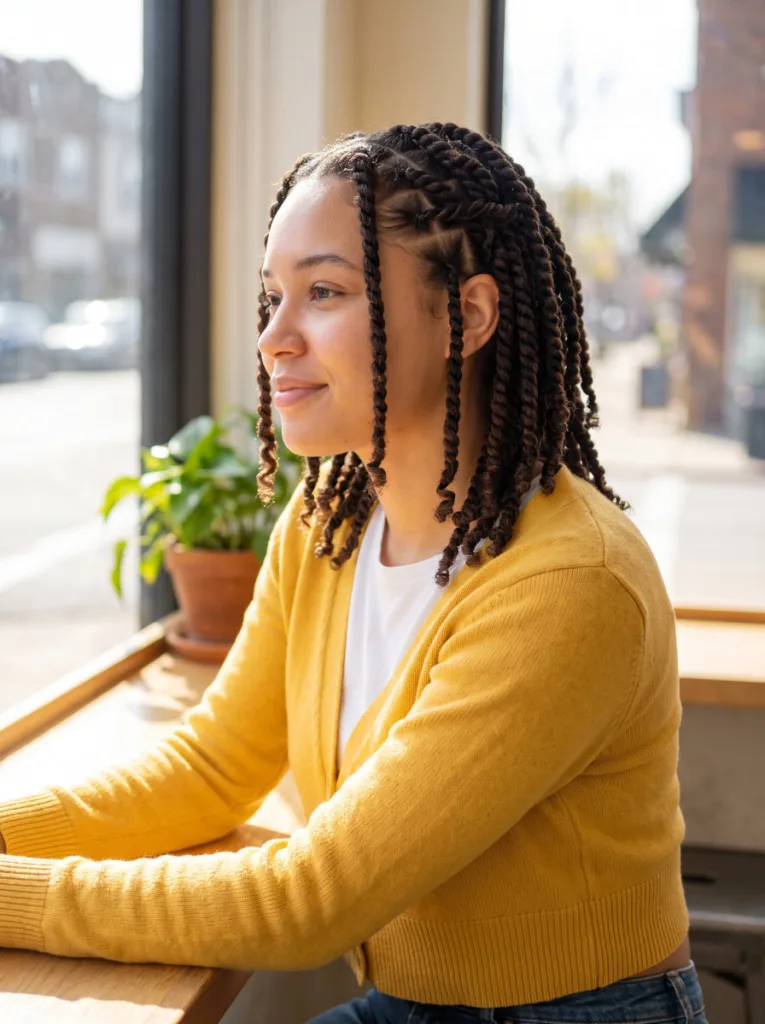
Best for: 3C to 4C curls, any strand thickness, beginners
Two-strand twists are the easiest place to start. All you need is your hands, a comb, and a leave-in conditioner.
Section damp hair into squares about the size of your fingertip or bigger. Split each section in two. Twist the pieces around each other all the way to the ends. Seal the tips with a little shea butter or oil so they don’t unravel.
Bigger twists go faster and pull less. Smaller ones last longer. Most people get 1 to 2 weeks out of a set.
When they start to look fuzzy, don’t toss the look. Unravel them for a soft, defined twist out. You’ll get a few more days of wear with zero extra effort.
2. Flat Twists
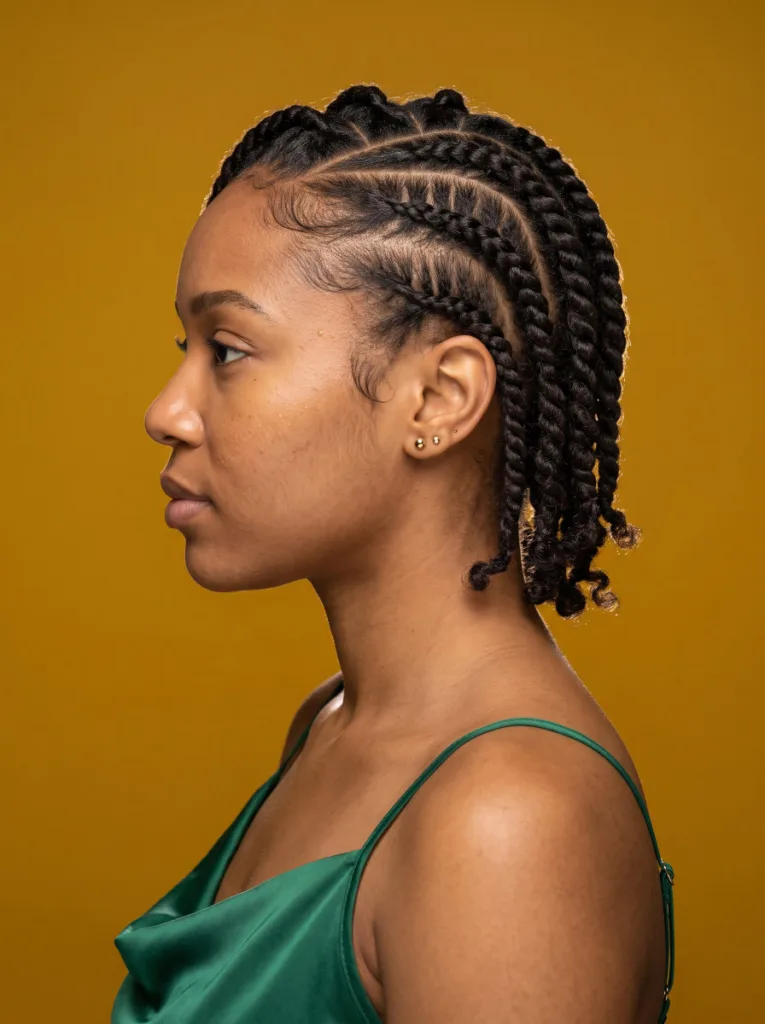
Best for: 3C to 4C curls, beginners, a flat base under wigs
Flat twists sit close to your scalp like cornrows. The difference is the motion. You twist two strands and pick up hair as you go, instead of braiding three. Most beginners find that much easier to learn.
Part your hair into rows from front to back. Want a sleeker look? Try a deep side part. Keep each row snug but never tight at the hairline.
Flat twists last about 1 to 2 weeks. They also make a flat, smooth base under a wig or a headwrap.
Take them out after a week and you get a stretched, wavy texture without heat. This works well on 4A to 4C hair that shrinks a lot.
3. Bantu Knots
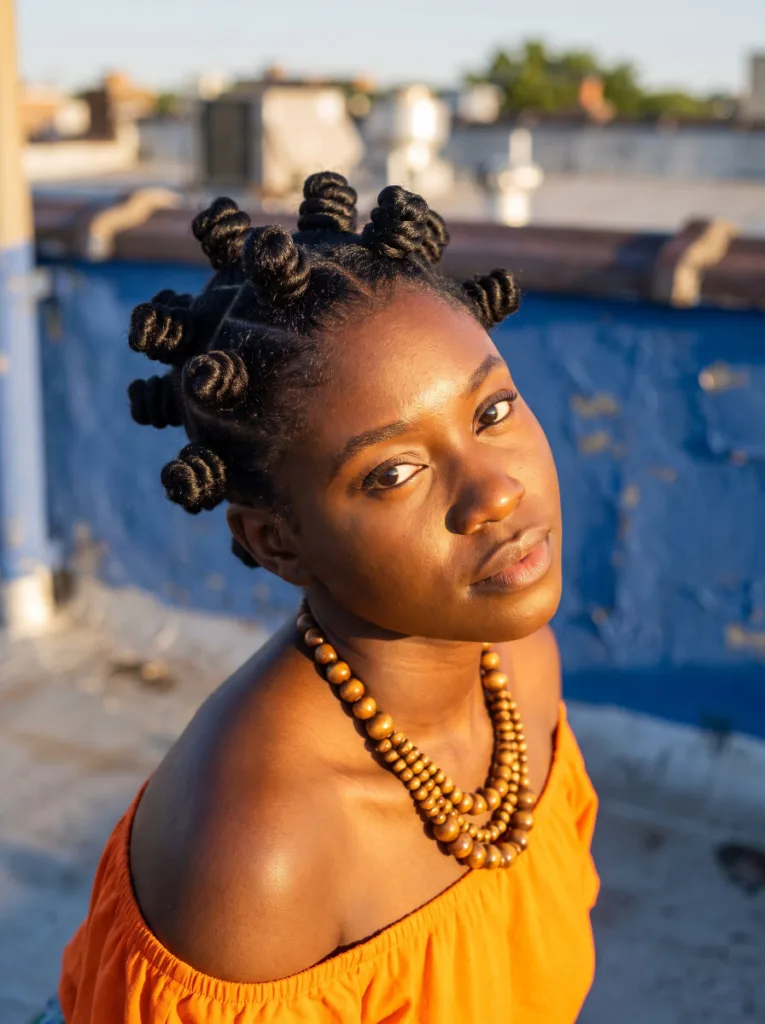
Best for: 4A to 4C coils, short to medium length
Bantu knots trace back to Southern Africa and take their name from the Bantu peoples. Twist a section of hair, then wrap it around itself until it forms a small knot at the base. Tuck the end under and you’re done.
Each knot hides your ends. That makes it one of the most protective quick styles out there. Expect 3 to 7 days of wear.
Keep the knots firm, not painful. If your scalp throbs, the base is too tight. Sleep in a satin bonnet so the knots don’t flatten.
When you take them down, you get bouncy, defined curls. That look is called a Bantu knot out.
4. Chunky Cornrows
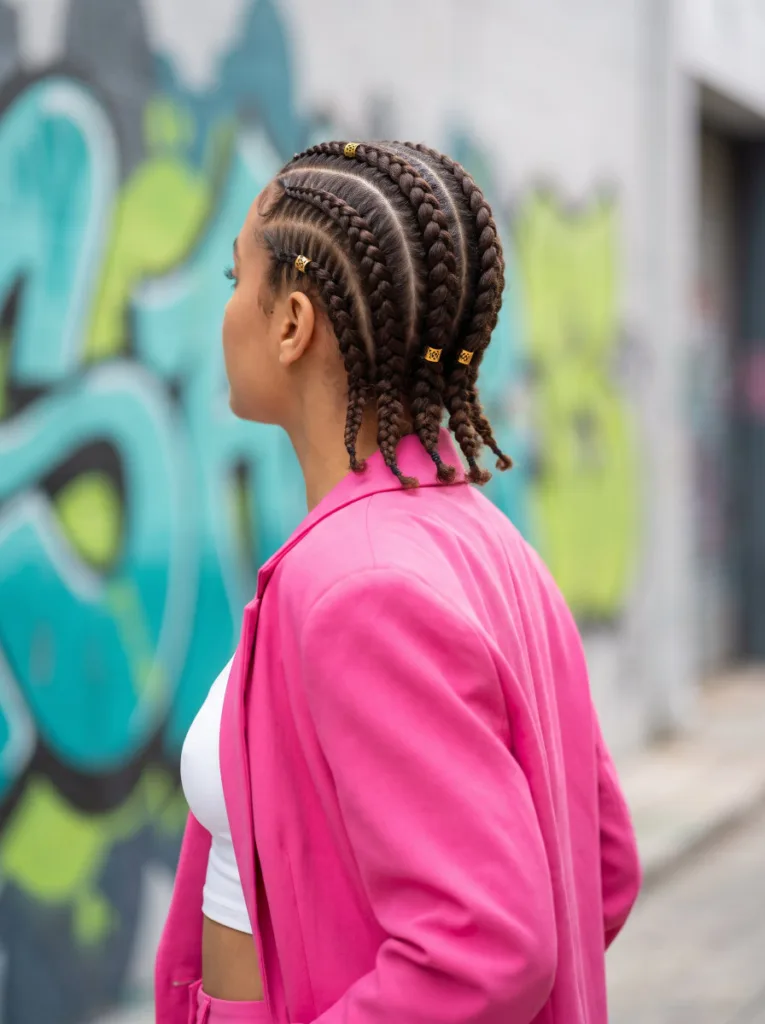
Best for: 3C to 4C curls, medium to thick strands
Big cornrows are a smart middle ground. They last longer than twists but put less strain on your roots than tiny braids. Four to eight rows is a good range. Fewer rows means each braid has a thicker base, and that spreads the tension.
Without extensions, cornrows hold for 1 to 3 weeks. Straight back rows are the classic choice. Zigzag parts or side swept rows add some personality.
Scalp care matters more here because so much skin shows. Dab a light scalp serum along the parts between washes. It calms itching and keeps flakes away.
Want to dress them up for the weekend? Slide on a few beads or gold hair cuffs.
5. Loose Dutch Braids

Best for: 3A to 3B curls, medium to long length
Looser 3A and 3B curls need their own options. These curls are slippery. Twists often fall apart within two days. Two relaxed Dutch braids hold much better because each strand crosses under, not over, and grips your hair.
Braid on damp hair with a light curl cream. Keep the braids loose at the root so you don’t pull your edges. Tie the ends with soft, snag free elastics.
They last 3 to 5 days, and they pull double duty. While you wear them, your ends stay tucked. When you take them out, you get soft, even waves with zero heat.
Braid them before bed on a weeknight and you’re set until the weekend.
Low Manipulation Updos For Everyday Wear
Not every protective style needs hours in a chair. These three low manipulation styles take minutes and still keep your ends safe. Use them between longer installs or on busy days.
6. Pineapple Updo

Best for: All curl types, shoulder length or longer, overnight care
The pineapple is more of a nightly habit than a style. It still protects your ends every single night.
Flip your head forward and gather all your hair loosely at the very top of your head. Secure it with a silk scrunchie or a soft fabric tie. Don’t pull it tight.
This keeps your curls on top instead of crushed under your head all night. Less friction means less frizz and fewer snapped ends. Cover it with a satin bonnet or sleep on a silk pillowcase for extra protection.
In the morning, take the tie out and shake your roots. Your wash and go looks fresh for another day or two. Long curls? Try two or three pineapples instead of one.
7. Low Twisted Bun

Best for: 3A to 4C curls, medium to long length, busy mornings
This is the five minute look for busy mornings. Split your hair into two sections. Twist each one into a rope. Then wrap the ropes around each other at the nape of your neck. Pin the bun with bobby pins or a claw clip.
Skip tight elastics. They snag and snap curls right where the band sits.
Keep the bun low, too. High, tight buns pull on your crown and edges day after day, and that strain adds up to thinning.
A twisted bun fits the office, the gym, and a weekend brunch. It works on stretched hair or a few days old wash and go. Wear it for a couple of days, then give your hair a rest.
8. Halo Crown Braid
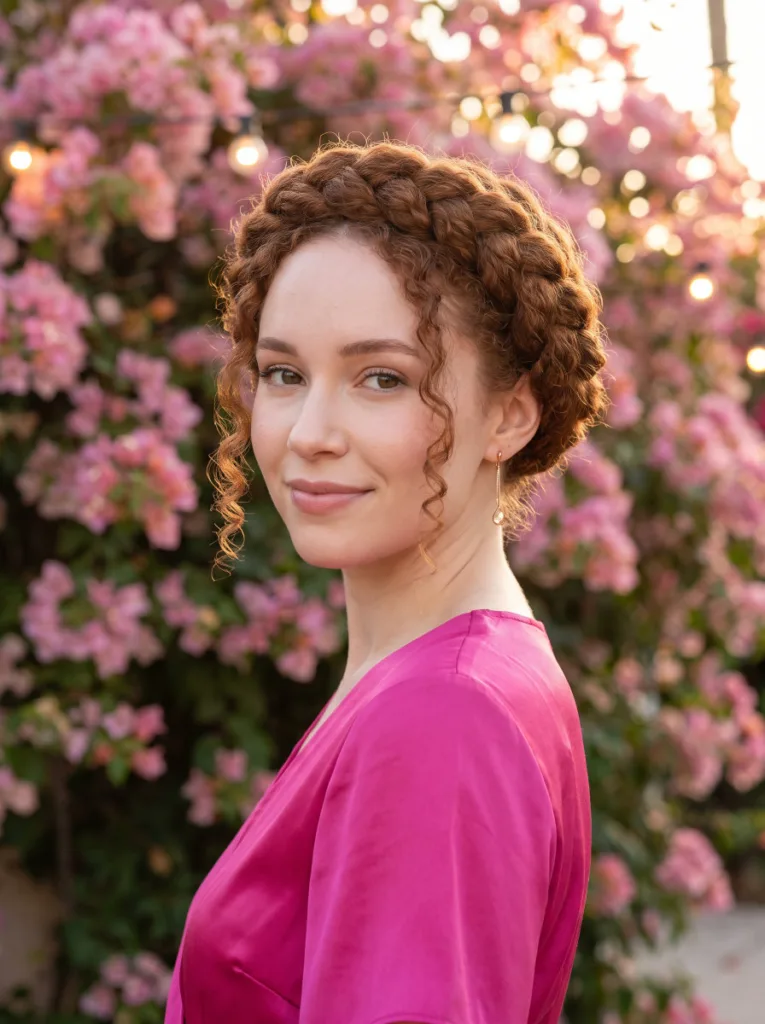
Best for: 3A to 4C curls, medium to long length, special events
A crown braid wraps around your head like a headband. Every end tucks away, so it’s one of the most protective updos you can do yourself. It also looks polished enough for a wedding or a job interview.
You’ll need medium or long hair. Make one or two long braids. Wrap them over the top of your head and pin them in place.
On 3C to 4C hair, stretch your curls first with twists or braids. That makes the braid smoother and much easier to wrap.
It lasts 3 to 5 days with a satin scarf at night. Short on length? Pin on a pre-braided piece of braided hair for the same look.
Extension Styles That Last for Weeks
Extensions buy you the longest break from daily styling. Most looks here are braids and twists for natural hair, with added hair for length and grip. Extensions also add weight, so smart choices matter more here. Pay attention to section size, length, and how long you keep each style in. Dermatologists share more tips to prevent damage from weaves and extensions, including taking breaks between installs.
9. Knotless Braids
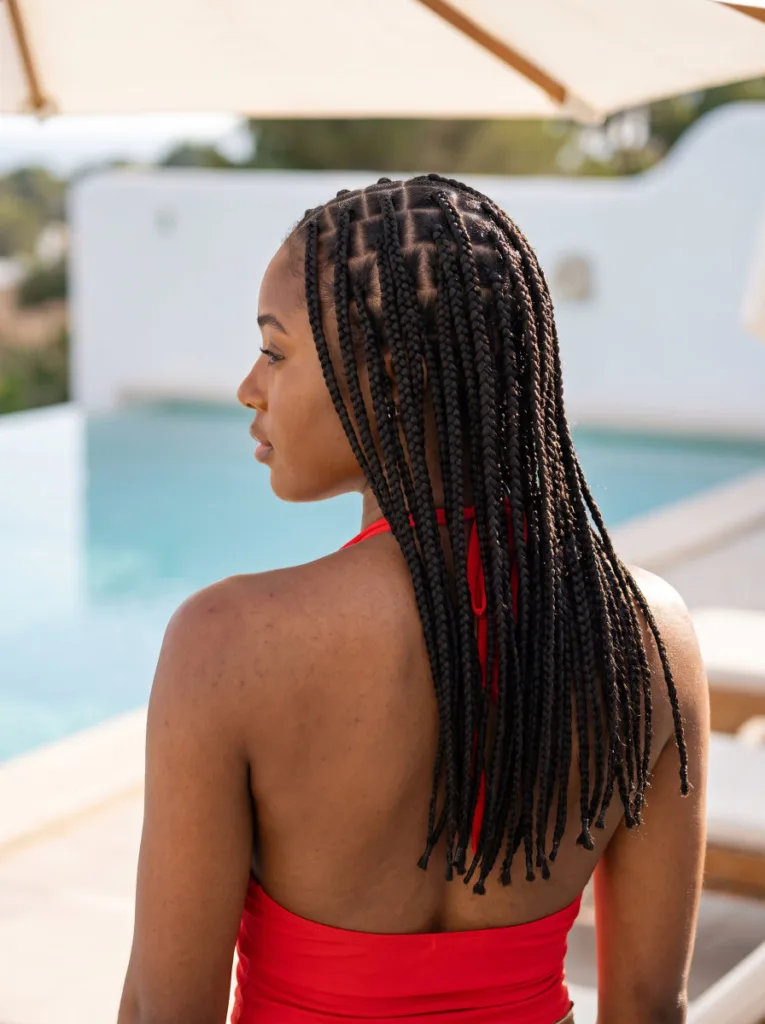
Best for: 3C to 4C curls, medium strands, tender scalps
Knotless braids start with your own hair at the root. Your stylist then feeds in extension hair little by little. There’s no hard knot at the base. That means less weight on each follicle and less pull than classic box braids.
They also lie flatter from day one. Most people skip the painful “tight week” that classic braids bring.
Expect a 4-6-hour install at a salon and 4 to 6 weeks of wear. Ask for medium or large sections. You’ll sit for less time and carry lighter braids.
Go for mid-back length rather than waist length. Long braids look great, but the extra weight adds up fast. For styling ideas, see our guide to boho braids with accessories.
10. Passion Twists

Best for: 3C to 4C curls, tender scalps, a lighter extension style
Passion twists use wavy or curly extension hair. The result looks soft, full, and a little bohemian. They’re lighter than most braids. That makes them a good pick if your scalp feels sore under heavy styles.
The install runs about 3 to 5 hours. Plan on 4 to 6 weeks of wear. Bob length passion twists take even less time and put less weight on your roots.
The curly hair does frizz over time. Many people like that lived in look. To keep them fresh, spritz with water and a little leave-in each week. Smooth any fuzz with a dab of mousse.
Avoid heavy oils. They sit at the base and cause buildup.
11. Marley Twists
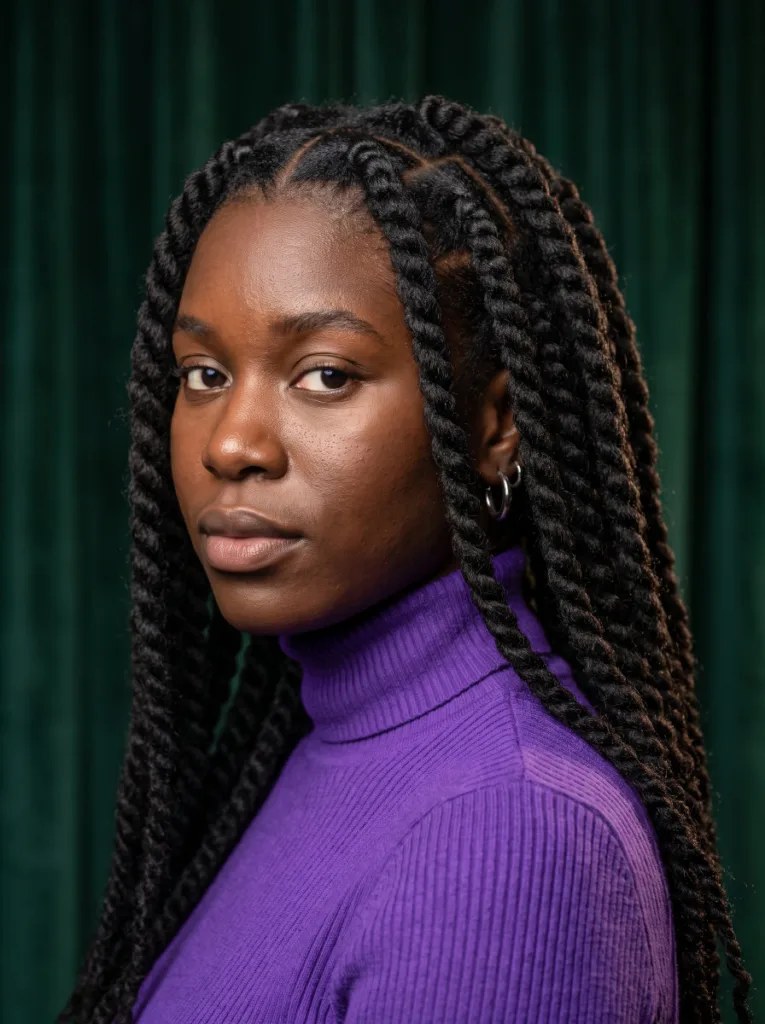
Best for: 4B to 4C coils, medium to thick strands
Marley hair has a coarse, matte texture that looks a lot like natural 4B and 4C hair. That’s the main reason to choose it. The twists blend right into your roots, and the hair grips so well that twists rarely slip.
Most installs take 4 to 6 hours and last 4 to 6 weeks. Stick to medium sections. Tiny Marley twists take forever and put more roots under strain at once.
One tip before you book. Marley hair can feel scratchy on your neck at first. Many braiders soak synthetic hair in an apple cider vinegar rinse before install. It removes the factory coating and cuts down on itching.
Moisturize your own hair at the root, not the synthetic lengths.
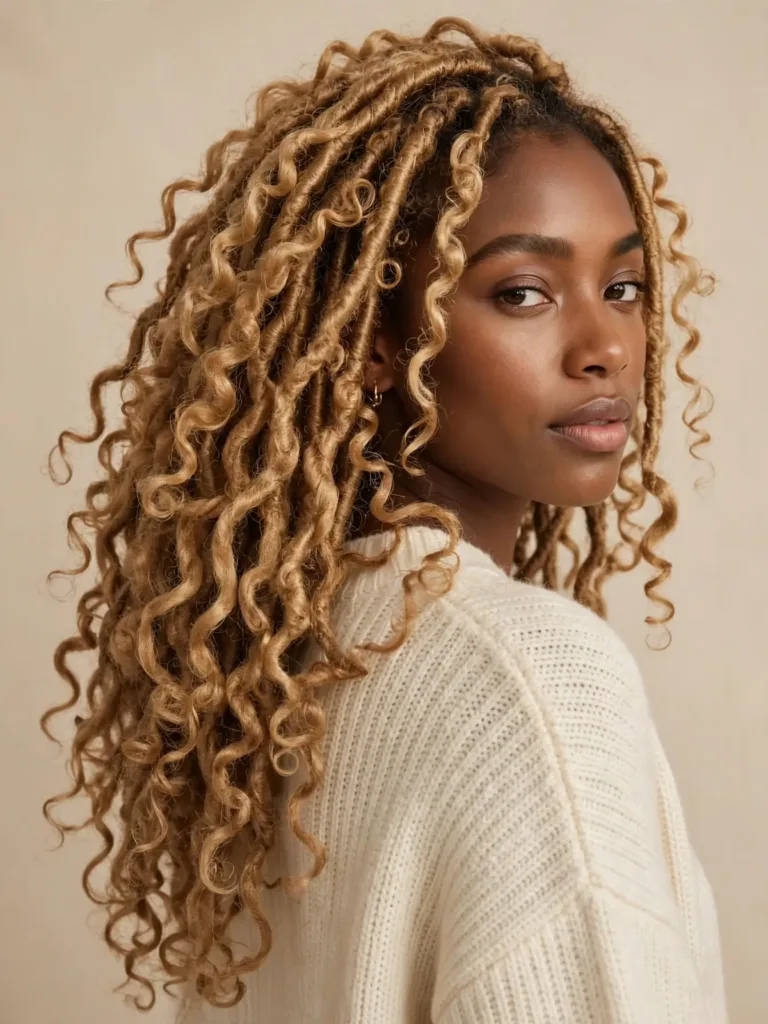
12. Faux Locs
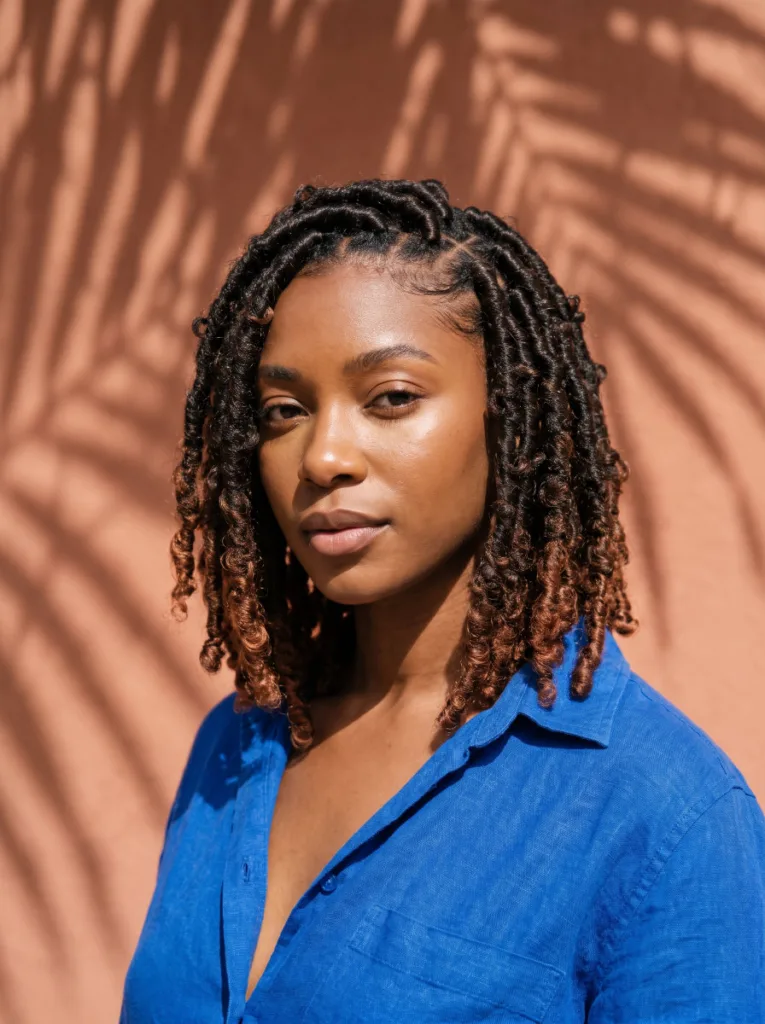
Best for: 4A to 4C curls, thick strands and strong edges
Faux locs wrap extension hair around braids or twists to look like real locs. You get the look without years of commitment. At 6 to 8 weeks, they’re one of the longest-lasting options here.
The tradeoff is weight. Faux locs are heavy, especially at waist length. If your edges are thin or fragile, pick a shoulder-length loc bob or butterfly locs. Both use less hair and feel lighter.
Installation takes 4 to 8 hours, depending on length and method. Removal takes time too.
Budget a full afternoon for takedown and use plenty of conditioner. Rushing it is the fastest way to lose hair you worked hard to grow.
13. Medium Box Braids
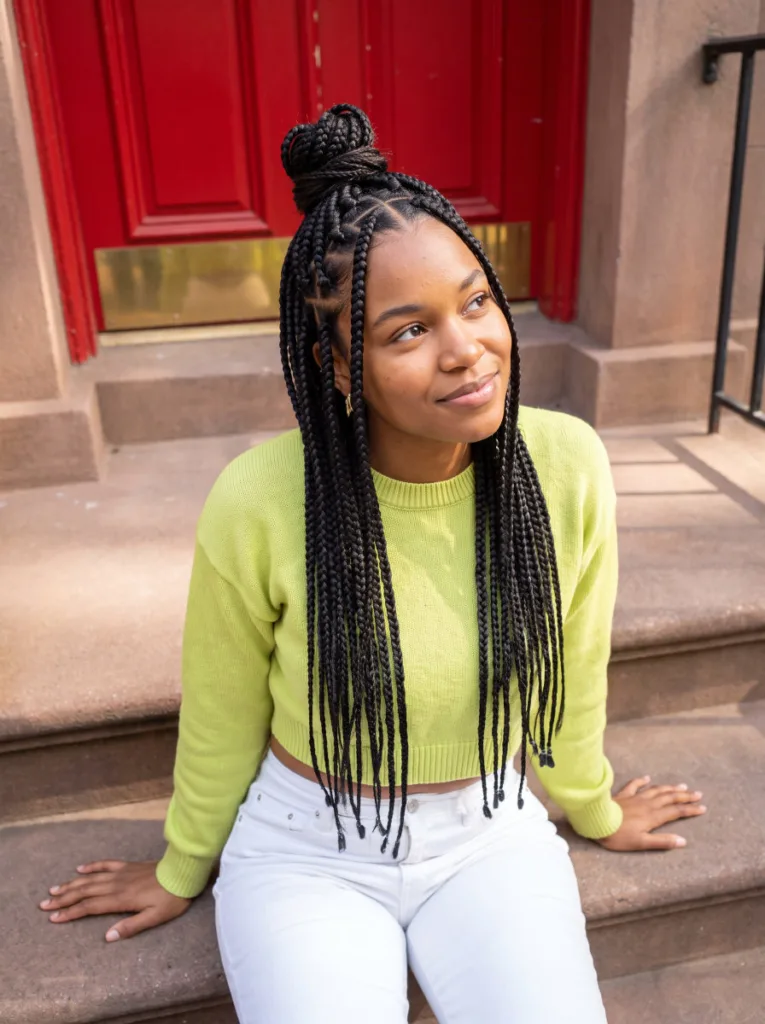
Best for: 3C to 4C curls, medium to thick strands
Box braids stay popular because they’re easy to live with. You can wear them up, down, or in a bun for weeks. Section size makes the biggest difference.
Pick medium sections over micro braids. Tiny braids look neat. But they can take 8 hours or more to install, and just as long to remove. They also pull on more roots at once. Medium braids give you a clean look with far less stress.
Most stylists cap box braids at 6 to 8 weeks. After that, new growth starts to tangle and mat at the base.
Ask your braider to leave the braids along your hairline slightly looser. The AAD recommends this to protect your edges.
14. Crochet Curls
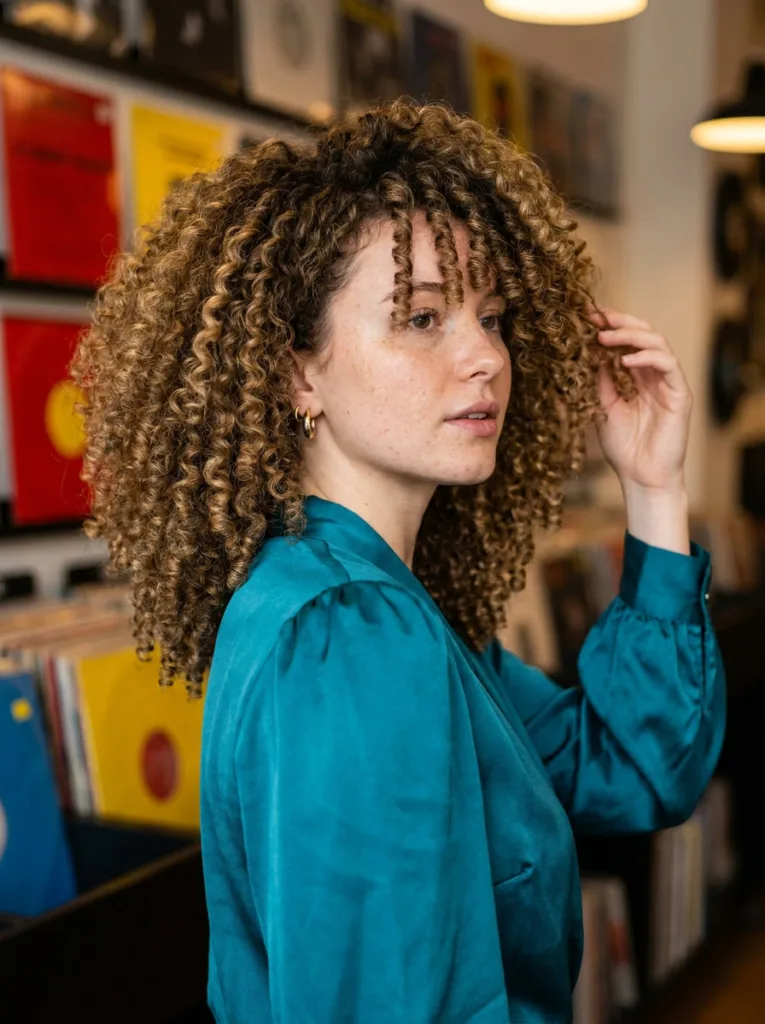
Best for: 3A to 3C curls, volume without heat
Crochet braids loop curly extension hair through a base of cornrows with a latch hook. Your own hair stays braided flat and hidden underneath. The install takes just 2 to 3 hours, which is fast for an extension style.
This works well for 3A to 3C curls that want big volume without heat. The curl options are huge. Pick loose waves, tight coils, or anything in between.
Plan on 2 to 6 weeks of wear. Keep the cornrows underneath chunky so they don’t strain your scalp.
Spray your scalp and base braids with a light moisturizer every few days. Refresh the curls with water and mousse, not heavy creams.
15. Glueless Wig Over Cornrows
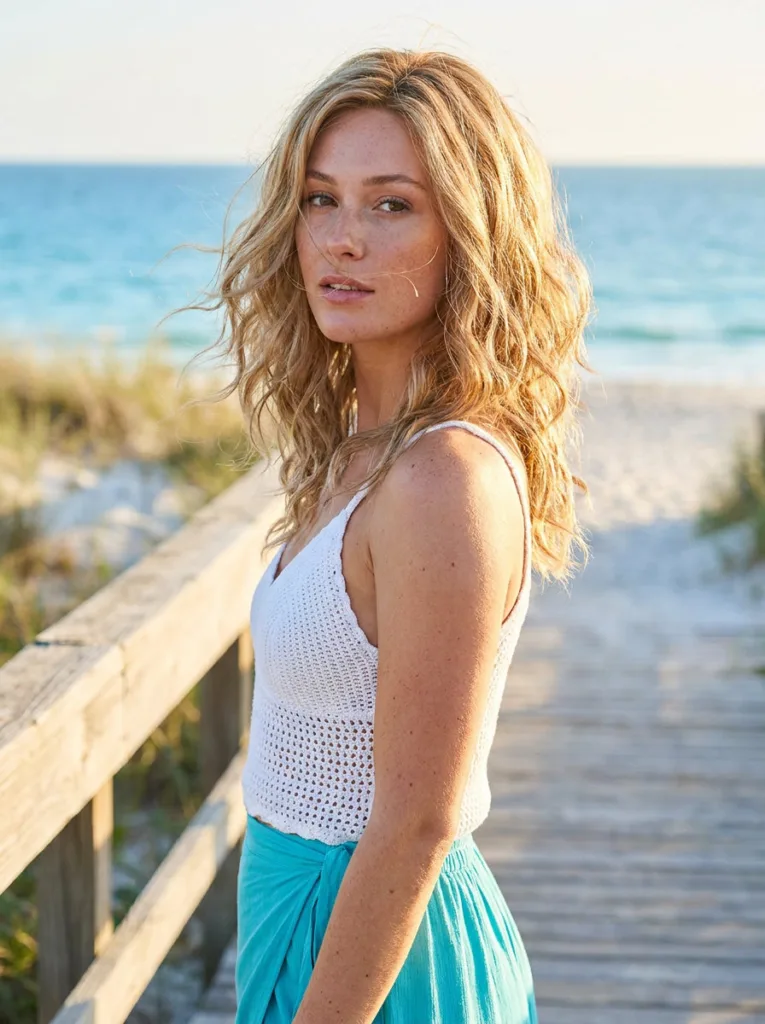
Best for: All curl types, fragile edges, testing a new color or cut
A glueless wig is the most flexible option on this list. It sits on flat cornrows with an adjustable band and combs. No adhesive touches your hairline. You can take it off every single night.
Taking it off daily means you can oil your scalp, moisturize your braids, and let your skin breathe. It also lets you test a new color or cut without touching your own hair.
Redo the cornrows underneath every 2 to 3 weeks. Wear a wig grip band if the cap slides around.
Try a wavy unit if you love the look of a coastal cowgirl wave hairstyle without the heat tools.
Quick Comparison: Wear Time, Tension, And Effort
Still deciding? Picking a style comes down to three questions. How long do you want it? How much weight can your hair carry? Can you do it yourself?
| Style | Wear time | Tension level | DIY friendly |
| Two-strand or flat twists | 1 to 2 weeks | Low | Yes |
| Bantu knots, Dutch braids, crown braid | 3 to 7 days | Low | Yes |
| Pineapple, low bun | Nightly or daily | Very low | Yes |
| Chunky cornrows | 1 to 3 weeks | Medium | With practice |
| Knotless, passion, Marley twists | 4 to 6 weeks | Medium | Salon recommended |
| Box braids, faux locs | 6 to 8 weeks | Medium to high | Salon recommended |
| Crochet curls, glueless wig | 2 to 6 weeks | Low to medium | Yes, with practice |
A good rule: switch between a long install and a low tension style. Give your roots at least 1 to 2 weeks off between heavy looks.
How To Prep, Maintain, And Remove Your Style
Most breakage happens during install and takedown. The weeks in between are usually the gentle part. These habits protect your hair at both ends.
Before You Install
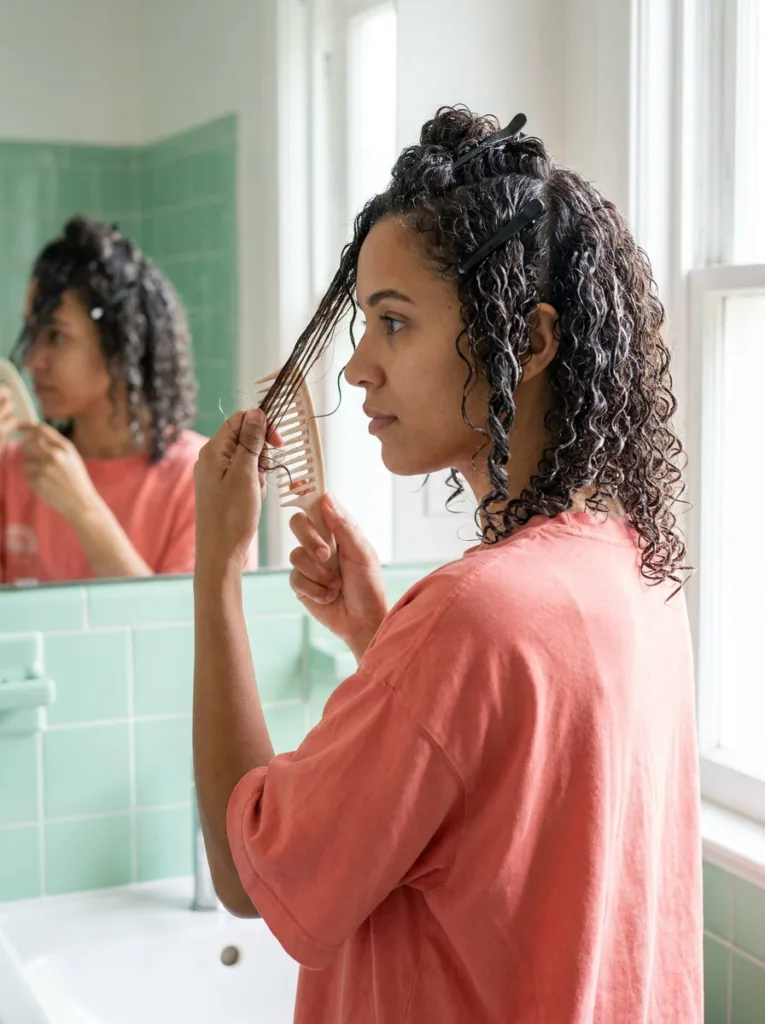
- Wash with a clarifying shampoo to remove buildup.
- Apply a deep conditioner and leave it on for 15 to 20 minutes. The AAD’s everyday hair care tips stress coating your ends, since they’re the oldest part of each strand.
- Detangle with your fingers or a wide-tooth comb while the conditioner is still in.
- Trim split ends so they don’t tangle inside braids.
While You Wear It
- Spray a water based moisturizer on the lengths every 2 to 3 days.
- Oil your scalp only if it feels dry.
- Cleanse your scalp every 1 to 2 weeks with diluted shampoo in an applicator bottle.
- Sleep in a satin bonnet or on a silk pillowcase every night.
Taking It Down
Block out a full afternoon, because rushing is how hair snaps. Coat each section with conditioner or oil. Remove braids slowly, then gently pull out the shed hair that collected.
A big clump of loose hair looks scary, but it’s normal. The AAD notes that you shed about 50 to 100 hairs a day. A braid holds weeks of it.
Warning Signs Your Style Is Hurting Your Hair
Your scalp usually warns you before real damage starts. Act on these signs in the first few days instead of waiting for your next appointment.
Signs To Watch For
- Pain, stinging, or headaches in the first 48 hours
- Small bumps or pimples around the hairline
- Thinning edges or a receding hairline after several installs
- Constant itching that doesn’t stop after a wash
Cleveland Clinic also lists hairline changes and scalp irritation as signs that you’re losing more than normal shedding.
What To Do Next
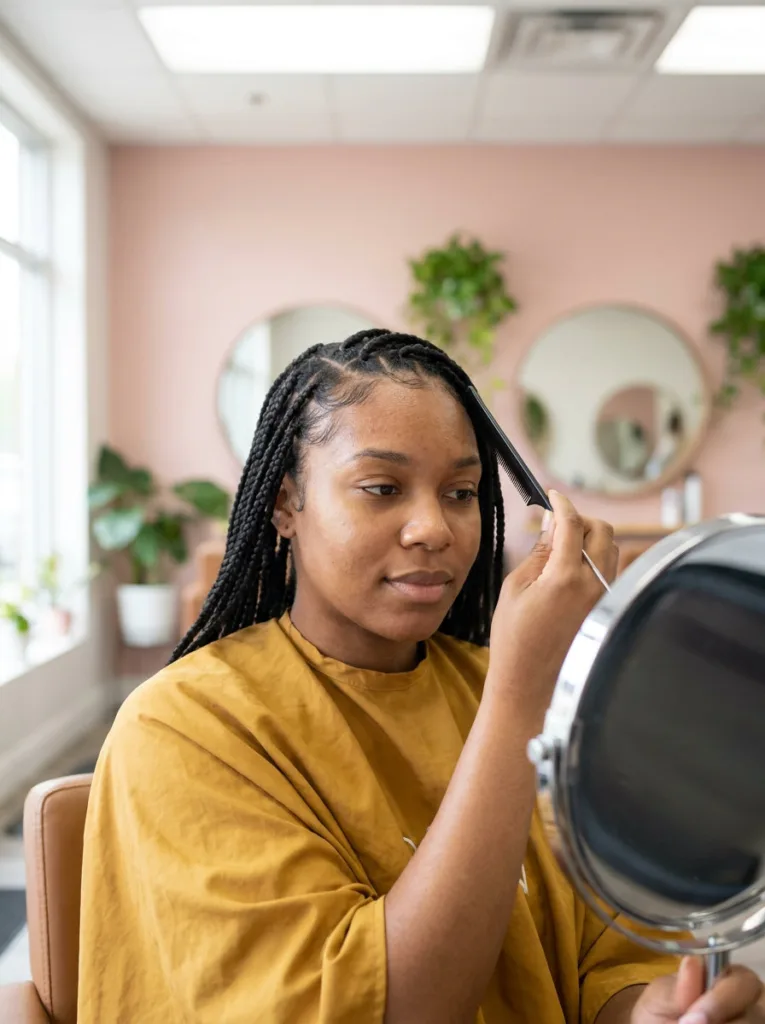
- Loosen the braids along your hairline first.
- Take the style out if the pain doesn’t ease. The AAD advises removing any style that hurts.
- See a board-certified dermatologist if thinning continues. The AAD’s Find a Dermatologist tool lists doctors near you.
Caught early, traction alopecia can often reverse. Left alone, the damage can become permanent.
The Most Common Mistake
Many people keep a style too long to save money. Matted roots take far more time and far more hair to undo than a fresh install costs. Book your takedown when you book your install.
Protective Styling Faqs
What Is The Best Protective Style For Natural Curls?
Two-strand twists are the best all around choice. They put little tension on the scalp and need no extensions. They also work on most curl types from 3C to 4C.
How Long Should You Keep A Protective Style In?
Keep braids and twists with extensions in for 6 to 8 weeks at most. Styles without extensions usually last 1 to 2 weeks before they need a redo.
Do Protective Styles Help Natural Hair Grow?
They help you retain length, not grow faster. Your hair grows about half an inch per month either way. Protective styles cut down on breakage at the ends.
Can You Wear Protective Styles On 3A Curls?
Yes. Looser curls do best with loose braids, low buns, crochet curls, and wigs. Small twists tend to unravel quickly on 3A hair.
Final Thoughts
The best protective style is the one that feels comfortable and fits your curl type. Tight doesn’t mean better. Gentle, consistent care is what helps you keep your length.
Start small. Pick one style from the no-extension section. Prep with a clarifying wash and a deep conditioner. Then install it this weekend. Watch your edges for two weeks. If your scalp stays calm, you’ve found a style worth keeping in your rotation.
Taking your protective style down before the holidays? Our flowy butterfly layer holiday hairstyles guide has 20 ways to style those curls once they’re loose again.
For more helpful articles related to haircut ideas, please visit blushhairflow.



One Comment