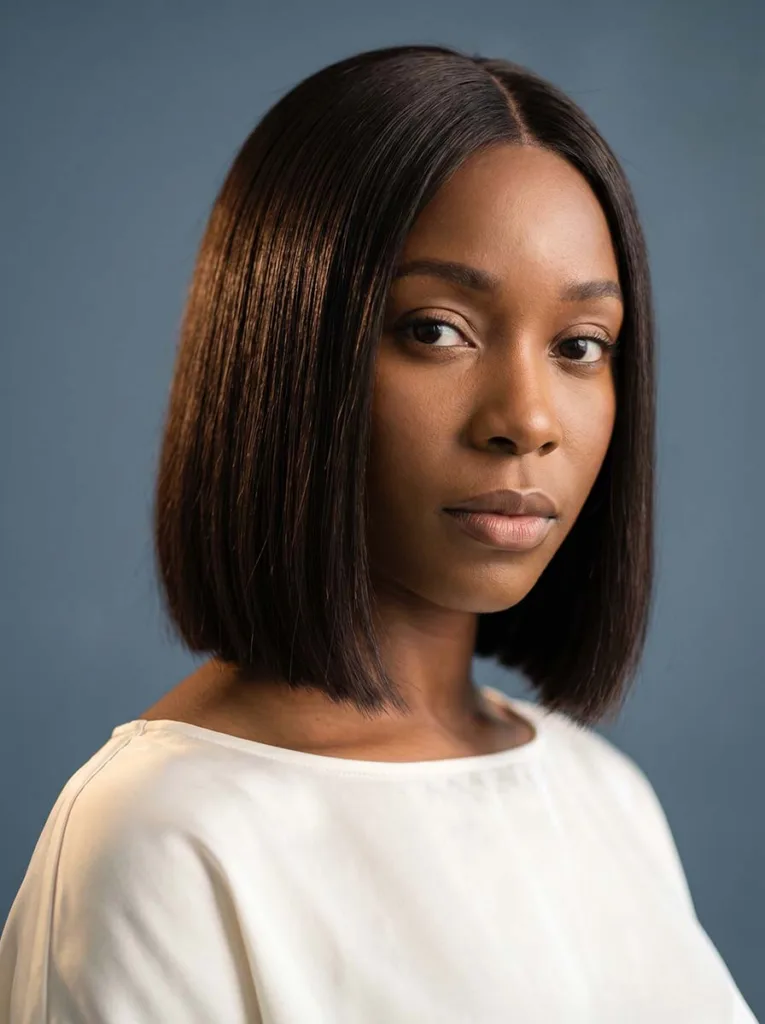
Wavy Bob Haircut Ideas: 20 Styles For Your Face Shape

Most wavy bobs look effortless in photos but slightly off in real life. The stylist is not the problem. The missing piece is face shape matching: knowing which length and wave style suits your specific proportions.
Length is where most people go wrong. A jaw-length wavy bob widens a round face. The same cut balances a long one. A shoulder-length lob softens a heart face. A collarbone cut draws the eye away from a square jaw. The difference is usually two inches in the wrong direction.
This guide covers 20 wavy bob ideas matched to face shape and hair type, with styling tips for home.
What Makes A Wavy Bob Different From A Regular Bob
The difference between a wavy bob and a standard blunt cut is movement.
Waves soften the geometric edge of a traditional bob. The result feels lived-in and dimensional. They also add visual volume without adding weight, which is why this cut works on both fine hair and thick hair. A blunt bob can look heavy on fine hair and stiff on thick hair. Waves fix both.
Wavy Bob Vs. Lob Vs. Beachy Bob
Stylists use these three terms interchangeably, but they mean different things.
A wavy bob sits anywhere from the jaw to the collarbone with a wave pattern through the body. A lob (long bob) lands at or just below the collarbone and becomes a wavy lob when styled with texture. A beachy bob is more about the styling approach, loose salt-spray waves, than a specific cut length. You can have a beachy bob at any length.
Knowing which one you want helps you communicate clearly at the salon. Jaw-length with movement? Say wavy bob. Shoulder-length with that undone feel? Ask for a textured lob.
Wavy Bob Hairstyles By Face Shape
Face shape is one useful starting point. Your stylist will also weigh hair texture, density, and how much time you want to spend styling. But knowing what works for your face shape handles most of the decision.
Oval Face Shape
An oval face is forgiving. Chin-length, shoulder-length, and lob all work here.
A classic wavy bob at chin length with soft layers and a center part is a reliable choice. The symmetrical framing balances proportions without complication. A tousled, lived-in wave pattern works well for this shape.
Round Face Shape
A round face does better with length and some angle. Aim for a wavy bob that hits below the jaw, ideally at the collarbone or just above. Cuts that end right at the cheekbone can emphasize width, so avoid those.
A deep side part with face-framing waves elongates the face and draws the eye downward. A wavy lob with a slightly angled front section is the most flattering option here.
Square Face Shape
A square face has a strong jawline, and loose, flowing waves soften it naturally. Tight or very defined curls can add visual width, so steer toward beachy waves instead.
A shoulder-length wavy bob with curtain bangs and face-framing pieces works well here. The soft wave movement diffuses the angles of the jaw while curtain bangs redirect attention toward the center of the face.
Heart Face Shape
A heart face is wider at the forehead and narrower at the chin, so the goal is to add visual weight lower on the face.
A chin-length wavy bob does this well. Waves that curl under slightly at the ends draw the eye outward at the jaw, which balances the wider forehead. Skip styles that stack volume at the crown.
Long Or Oblong Face Shape
A long face needs width more than length. Shorter wavy bobs ending at the jaw or just below are most flattering because they interrupt the vertical line of the face.
A blunt-edge wavy bob with full waves works well here. The horizontal line of the blunt cut adds visual width, and the waves soften it so it does not look severe. Very long lobs tend to emphasize length, so keep the cut shorter.
20 Wavy Bob Haircut Ideas Worth Bookmarking
Every length, color, and texture combination worth bookmarking is covered below.
Short Wavy Bobs (Above The Jaw)
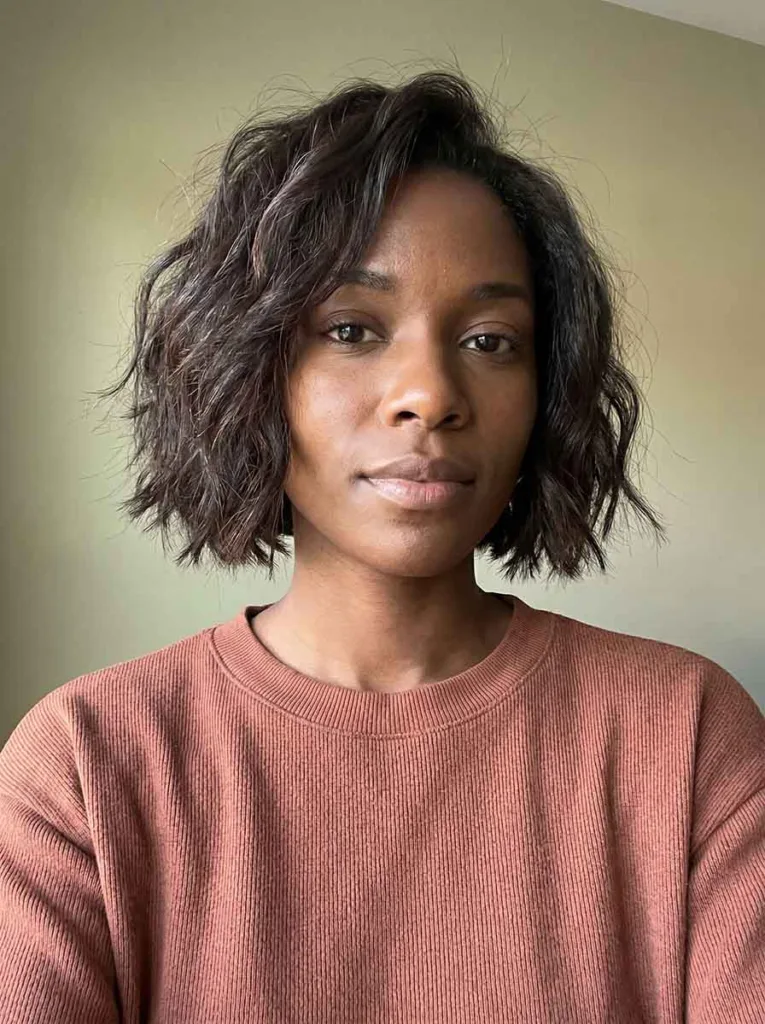
1. Choppy Short Wavy Bob
The choppy short wavy bob ends above the jaw with razored, uneven ends that break up the silhouette. The razored technique removes weight from thick hair without losing the wave pattern. The tousled crown adds volume without product. This cut is best for thick or medium density hair, fine hair can look wispy at this length with razored ends. Ask your stylist for a textured, point-cut finish rather than a straight scissor cut at the perimeter. Because the ends are short and razored, they lose shape faster than blunt cuts. Plan on a trim every 5 to 6 weeks.
2. Short Wavy Bob With Baby Bangs
Baby bangs sit just above or at the brows and cut the face horizontally, which suits oval and long face shapes well. Paired with a jaw-length wavy bob, the fringe creates contrast—structured and precise at the front, relaxed and loose through the body. The key is keeping the bangs flat and straight while leaving the rest of the hair textured. Use a small flat iron or blow dry the bangs only with a fine-tooth comb. This style draws attention to the eyes and brows, so both need to be well-defined for the look to land correctly.

3. Blunt Short Wavy Bob
The blunt short wavy bob is cut with a straight scissor line at the jaw, creating a clean, defined perimeter. The waves through the body soften what would otherwise be a sharp, geometric shape. This cut reads polished even when unstyled because the clean edge holds the form. It works on fine to medium hair — the dense, even perimeter creates the illusion of thickness. On very thick hair, the blunt edge can look heavy without internal thinning. Tell your stylist you want a clean scissor cut with no razoring at the ends. Refresh every 6 to 7 weeks.
Chin-Length Wavy Bobs
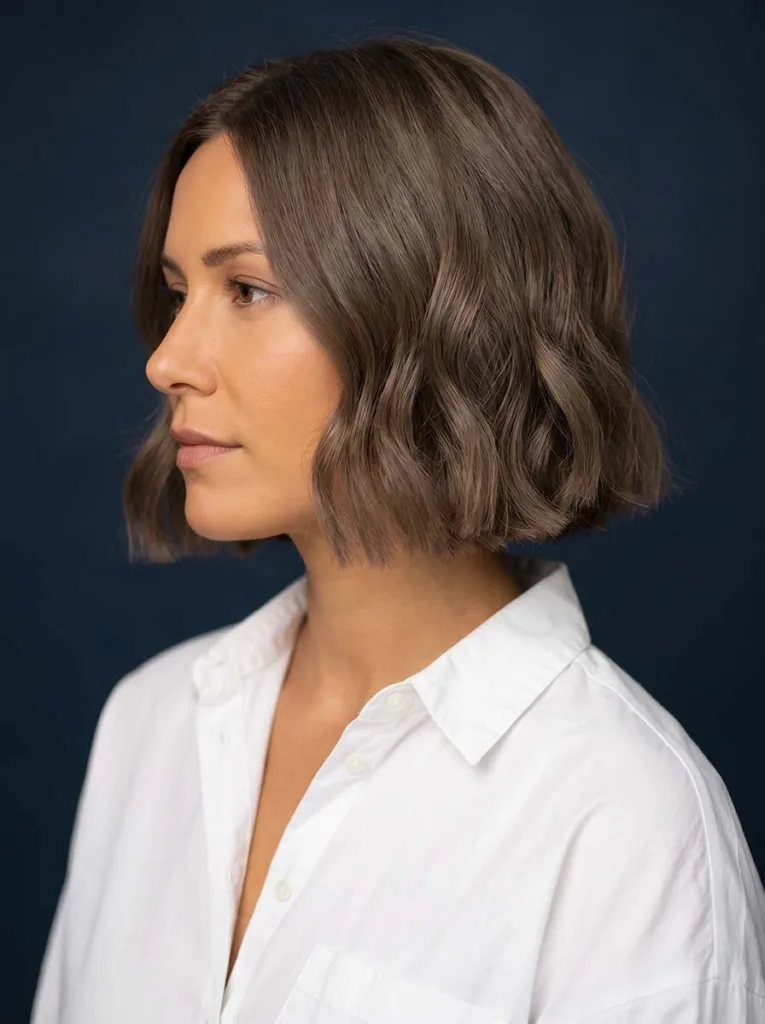
4. Classic Chin-Length Wavy Bob
The chin length hits the face at a sweet spot for most face shapes — long enough to soften a square jaw, short enough to add width to a long face. Waves at this length hold their definition without weighing down the hair. A center part gives a symmetrical, balanced look. A side part creates more asymmetry and movement. Either works depending on your face shape and preference. This length needs a trim every 6 to 8 weeks to keep the wave pattern clean. It suits most hair densities and works equally well with natural or heat-styled waves.
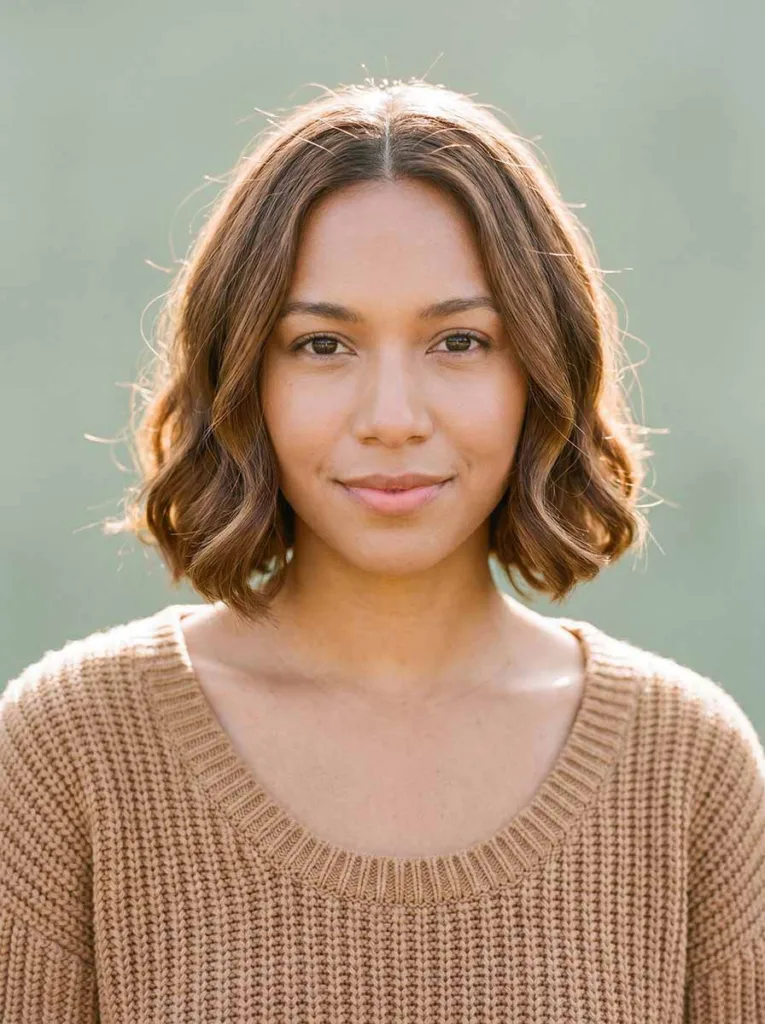
5. Chin-Length Wavy Bob With Curtain Bangs
Curtain bangs are center-parted and fall to cheekbone level on either side, framing the face without covering the forehead. On a chin-length wavy bob, they add a face-framing layer that suits round, square, and heart face shapes by drawing the eye toward the center and slightly downward. Blow dry the bangs with a round brush or use your fingers and a hair dryer to get the soft, outward curve. They grow out gradually and can be pushed back or tucked behind the ear between trims. Trim the bangs separately every 4 to 5 weeks to keep the shape.

6. Copper Chin-Length Wavy Bob
Copper is a red-orange tone that sits between auburn and bright red. On a chin-length wavy bob, the color develops through each wave and catches light at different angles, making the hair appear dimensional even without highlights. Copper suits warm skin tones with golden or peachy undertones. It fades faster than darker colors, shifting brassy after 4 to 6 weeks without maintenance. Color-safe shampoo and a monthly toner are necessary to keep the saturation. Ask your colorist specifically for copper, not auburn — auburn reads more brown, copper reads more red-orange.

Shoulder-Length Wavy Bobs
7. Beachy Shoulder-Length Wavy Bob
The beachy shoulder-length wavy bob is defined by texture rather than a specific cut. The length sits at or just below the shoulder, and the waves are loose and imperfect on purpose. Sea salt spray applied to damp hair and left to air dry gets the closest result to natural beach texture. A diffuser on medium heat also works. This style suits people with naturally wavy or slightly wavy hair because the texture is easier to enhance than create from scratch. Heat tools are optional. It is the most low-maintenance version of the wavy bob.

8. Layered Shoulder-Length Wavy Bob
Without layers, shoulder-length waves fall as a flat, heavy curtain. Interior layers remove weight from the mid-shaft while keeping the exterior length intact, and each wave section moves independently rather than as one mass. This gives the overall style lift and bounce. It works best on medium to thick hair. On fine hair, too many layers reduce density at the ends and make the hair look thin. Ask for face-framing layers starting at the cheekbone and interior layers starting mid-shaft. Avoid layers at the very ends — they add frizz without improving the wave shape.
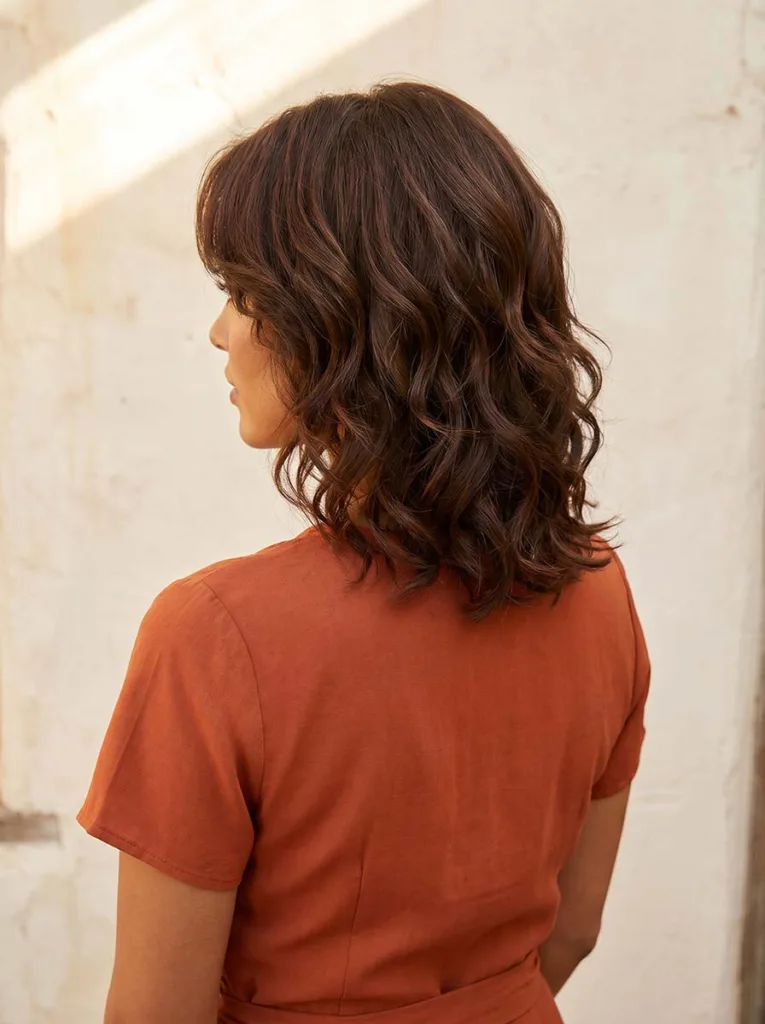
9. Shoulder-Length Wavy Bob With Highlights
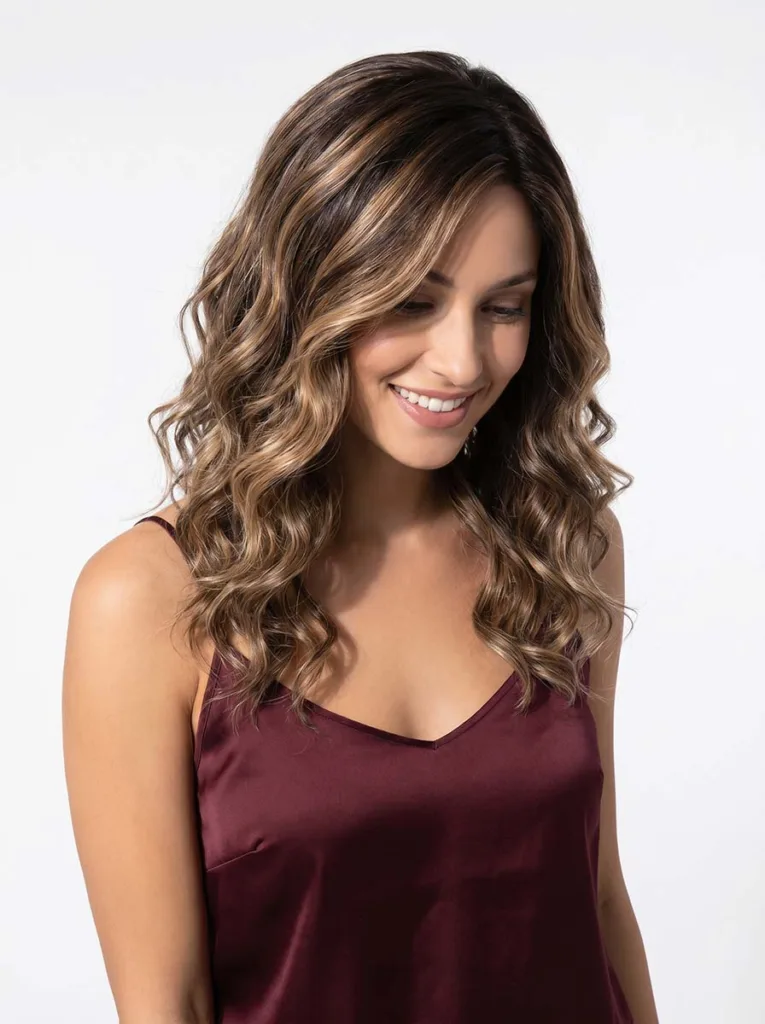
Balayage highlights painted from mid-shaft to ends means the lighter color sits exactly where the waves bend and catch light. Each wave reads differently depending on whether it carries a highlighted section or a darker root area, which creates natural-looking dimension. Caramel and sandy blonde are the most popular choices on brunette bases. The mid-shaft application means roots grow in gradually with no harsh line, reducing color appointments to every 3 to 4 months. Use color-safe shampoo and a hydrating conditioner to slow fade between appointments.
Wavy Lobs (Long Bobs)
10. Tousled Wavy Lob
The tousled wavy lob sits at the collarbone and is styled to look slightly undone — waves that have settled naturally rather than been freshly curled. At collarbone length, waves hold their shape overnight, which means second-day hair often looks better than day one. A small amount of texturizing spray scrunched into the ends refreshes the look without restyling from scratch. This cut suits all face shapes at collarbone length and works on most hair densities. It is the easiest version of the wavy bob to maintain long term. Plan trims every 8 to 10 weeks.

11. Wavy Lob With Curtain Bangs
At lob length, curtain bangs create a frame running the full length of the face — from the forehead to the collarbone — giving the whole style a cohesive, pulled-together look. The bangs add movement at the top of the face while the waves carry that movement through the body of the hair. This suits oval, round, and square face shapes. The bangs need a separate trim every 4 to 5 weeks to stay at the right length. Between trims, they can be clipped back or tucked behind the ears for a cleaner look without losing the style.
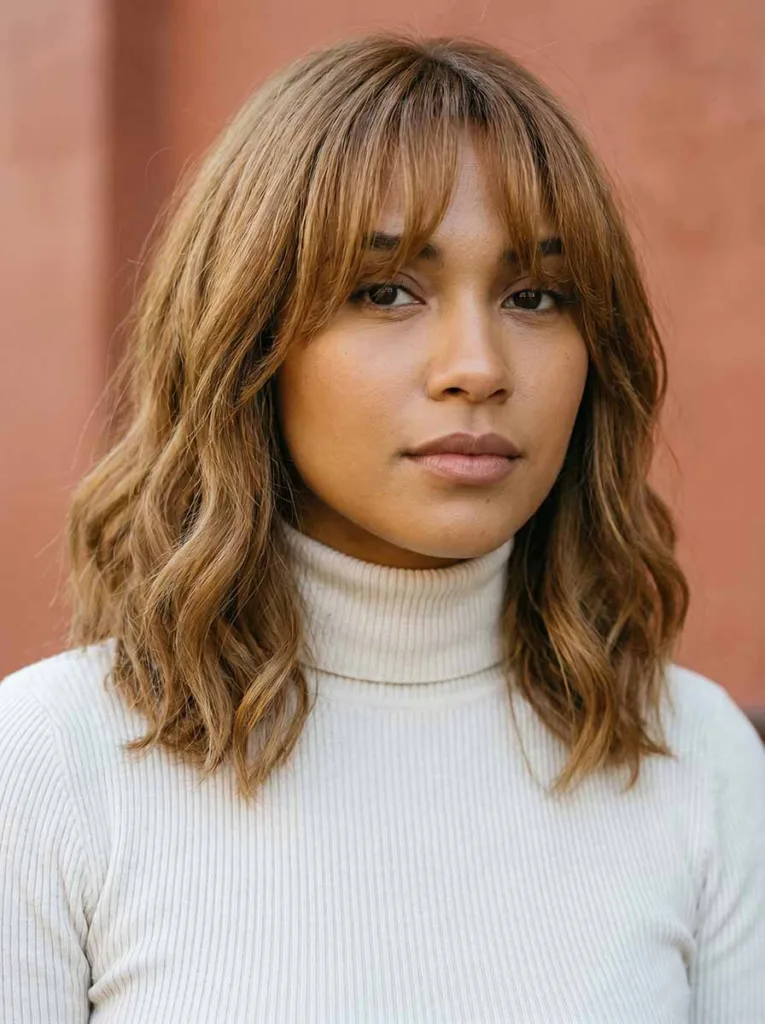
12. Caramel Balayage Wavy Lob
Caramel balayage transitions from a darker brunette root to warm golden-brown ends. At lob length, the color has enough hair to develop through fully, and the transition from dark to light is gradual rather than striped. Caramel suits warm and neutral skin tones and complements most natural brunette bases from dark brown to medium brown. The color glows in warm light and reads more dimensional in sunlight than under indoor lighting. Root touch-ups are needed every 3 to 4 months. A purple shampoo used sparingly prevents the caramel from turning too golden as it fades.

Wavy Bobs By Color
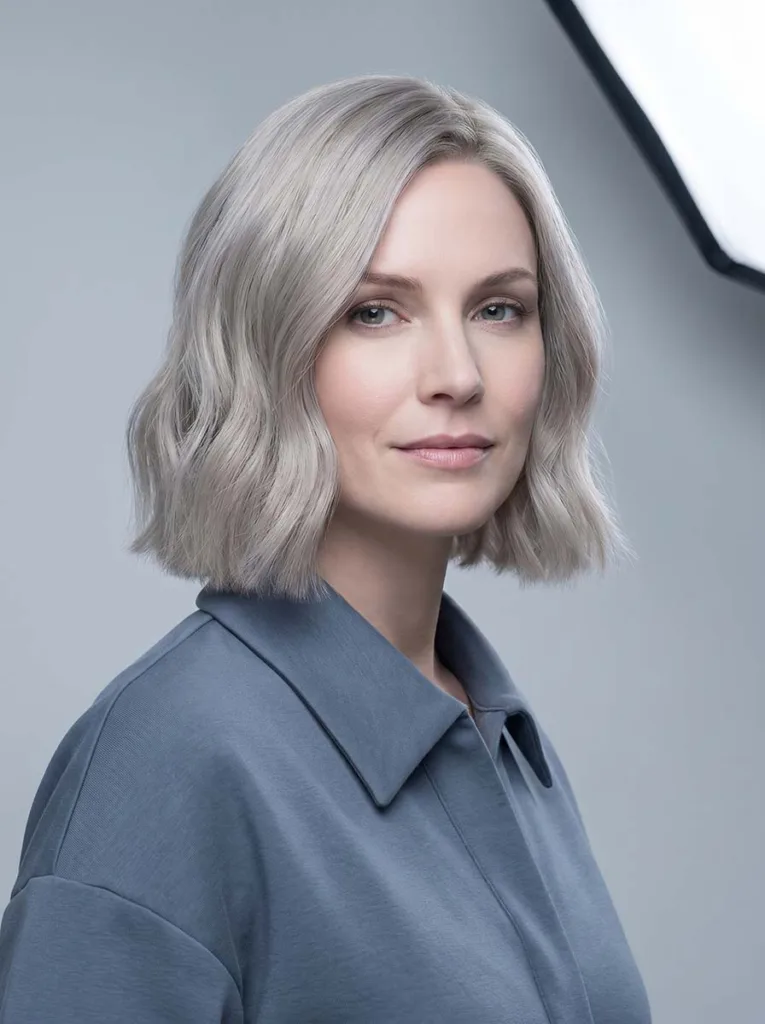
13. Ash Blonde Wavy Bob
Ash blonde has silver and beige undertones with no warmth. On a wavy bob, the cool tone reads clean and modern. It works best on fair to light-medium skin with cool or neutral undertones — warm skin tones can find ash blonde draining, making the complexion look flat. Ash blonde requires toning every 4 to 6 weeks because hair naturally pulls warm as the color fades. A purple or blue shampoo used twice weekly between toner appointments slows the warmth from coming back. Ask for a toner in the platinum or beige-ash range to maintain the cool tone.
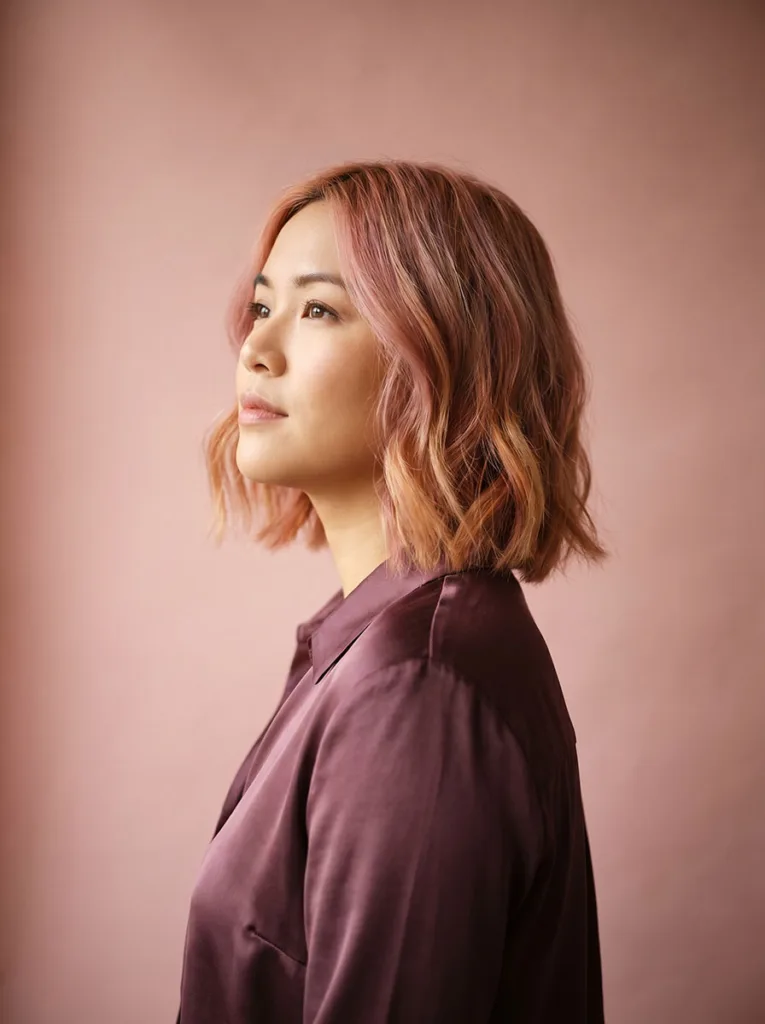
14. Rose Gold Wavy Bob
Rose gold blends dusty pink, warm blonde, and soft peach. It is more wearable than full pastel pink because the warm-blonde base keeps it grounded. On a wavy bob, the color shifts with the light — peachy indoors, more golden in sunlight, and slightly pink under cool-toned lighting. It suits fair to medium skin tones with warm or neutral undertones best. Rose gold fades faster than natural-looking tones and can shift pale or washed-out as it fades. A toning gloss every 3 to 4 weeks helps maintain the color depth. Use sulfate-free shampoo daily.
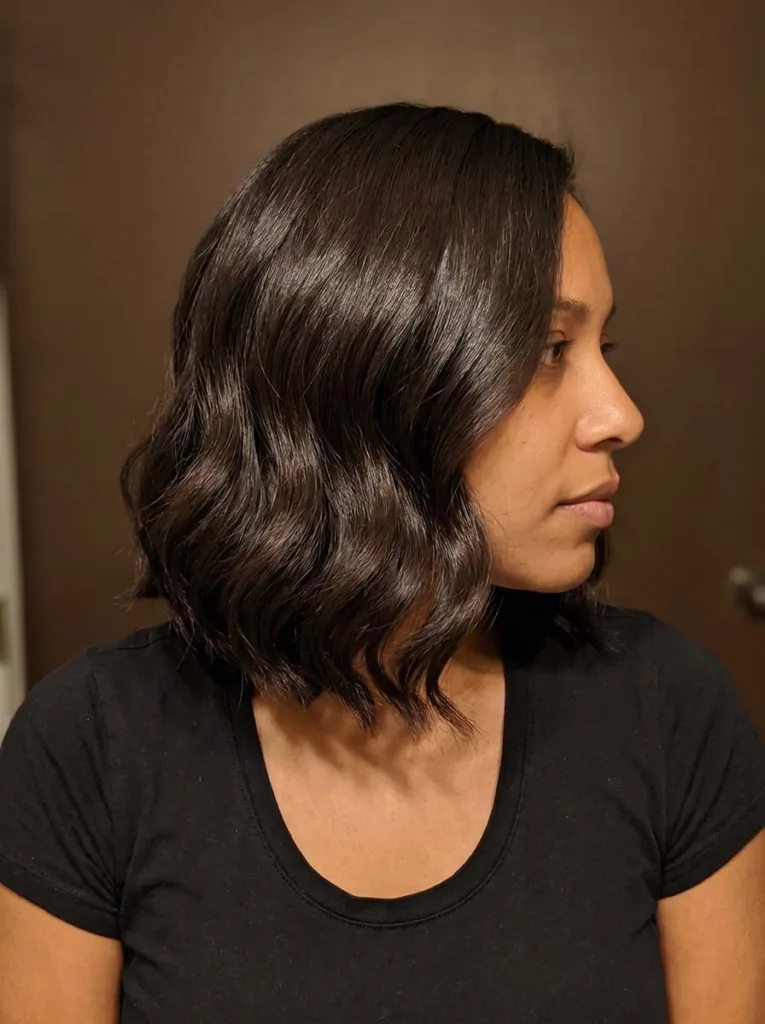
15. Dark Brown Wavy Bob
Dark brown on a wavy bob highlights the natural gloss of brunette hair. Light reflects off the top curve of each wave and creates visible dimension without any color treatment. This makes it the lowest-maintenance color option — no highlights, no toner, no balayage required. Warm dark browns with chocolate undertones suit olive and golden skin tones. Cooler dark browns with ash undertones suit neutral and cool complexions. Glossing treatments every 2 to 3 months enhance the shine and keep the color from fading flat between salon visits.
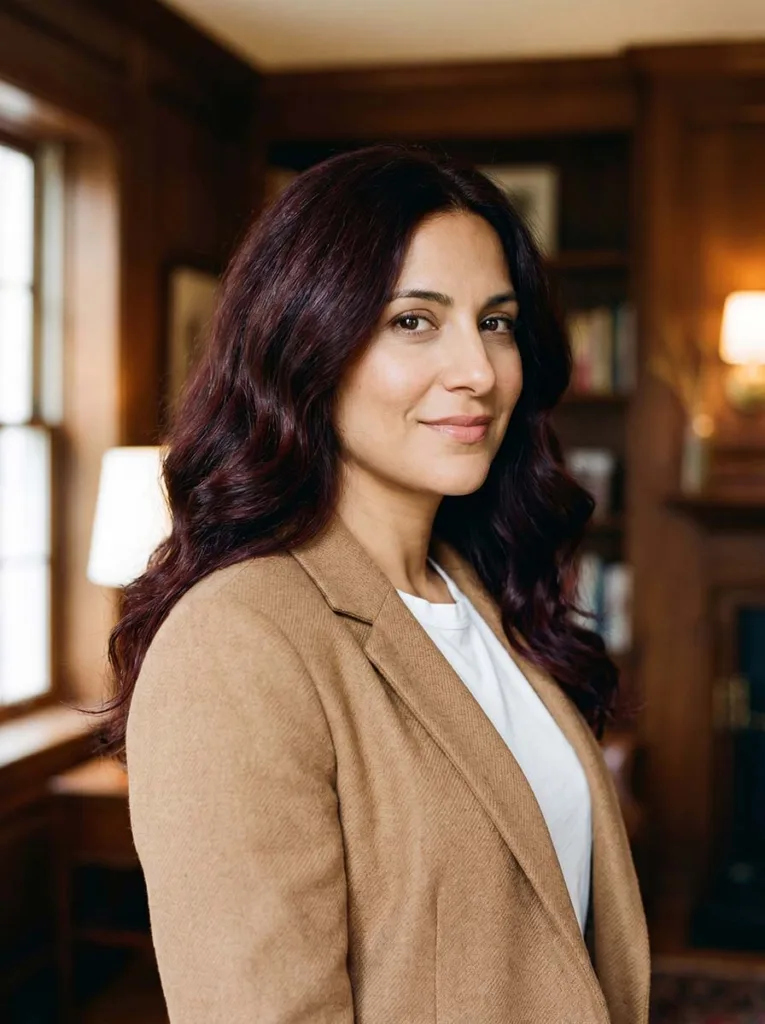
16. Mahogany Wavy Lob
Mahogany is a deep red-brown with purple-red undertones that separate it from standard auburn, which reads more orange. On a wavy lob, the color has enough length to show the full tonal range from roots to ends. Warm indoor lighting pulls out the red; cooler light shows more brown, giving the hair a shifting quality. Mahogany suits medium to deep skin tones with warm or olive undertones. It fades toward a reddish-brown as it loses pigment. A color-depositing conditioner in a red or burgundy tone used once a week slows the fade significantly.
Wavy Bobs By Texture
17. Wavy Bob For Fine Hair
Fine hair loses volume quickly in a layered cut because layers expose how thin individual strands are. A blunt wavy bob at chin to collarbone length solves this by keeping the ends dense and even — the clean perimeter reads as more hair than is there. Light waves, not tight curls, add movement without separating the strands too much. Use a volumizing mousse on damp hair before diffusing to build body at the roots. Avoid heavy curl creams and oils, which weigh fine hair down. Dry shampoo at the roots adds lift on day two.

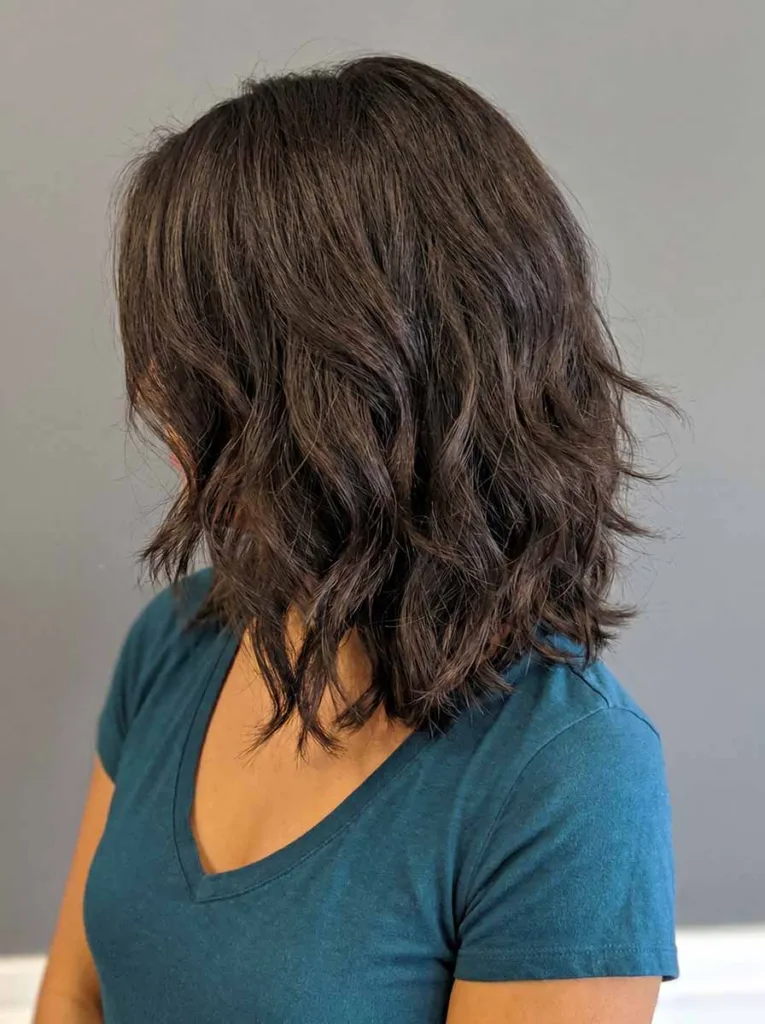
18. Wavy Bob For Thick Hair
Thick hair has high density that feels heavy in a blunt bob where all the weight sits at one length. Interior razoring removes bulk from individual sections without shortening the length, and layers separate the hair into sections that move independently rather than as one solid mass. This gives the waves room to move and the style a lighter, bouncier feel. Ask your stylist for interior layers with point-cut ends rather than a straight scissor cut at the perimeter. The goal is bounce and lightness, not volume reduction. Refresh the cut every 6 to 8 weeks.
Wavy Bobs With Styling Accents
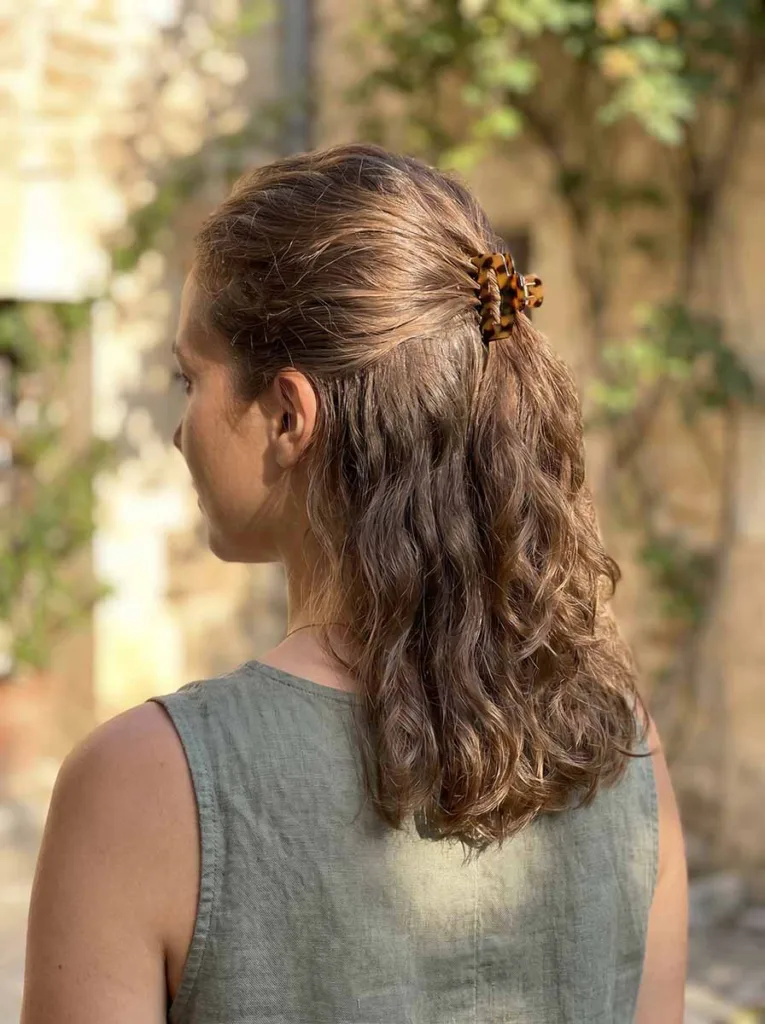
19. Half-Up Wavy Bob
The half-up wavy bob is a styling option that works on any shoulder-length or longer wavy bob — it does not require a different cut. Take the section of hair from temple to temple at the crown, twist it loosely, and secure it with a claw clip or two crossed bobby pins. The waves fall freely underneath. It takes under a minute and moves the look from casual to more polished without any restyling. It works especially well on second-day waves when the roots have gone flat — the half-up pin hides the flatness at the crown entirely.
20. Wavy Bob With Braided Accent
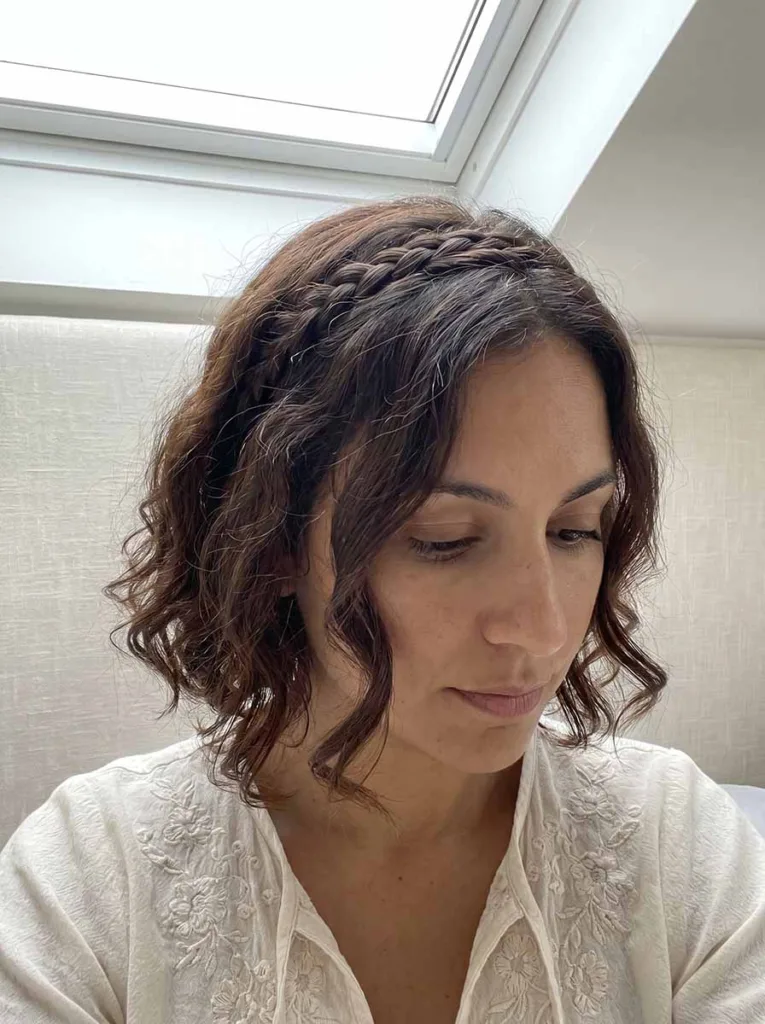
A thin braid woven along the crown from one temple to the other adds detail to a plain wavy bob without altering the cut. Take a small section at one temple, braid loosely using two to three fingers’ width of hair, and pin it at the opposite temple with a bobby pin tucked underneath. The braid should be thin and relaxed — tight braids look too deliberate on an otherwise casual style. This works best on second-day hair when the waves have fully dried and settled. It holds well throughout the day without additional product and takes three to four minutes.
How To Style A Wavy Bob At Home
A wavy bob is one of the easier cuts to maintain at home. Less hair means less time with the wand, and waves at shorter lengths hold their shape longer than waves on long hair. The whole routine takes about ten to fifteen minutes once you have it down.
Tools You Need
- 1-Inch Or 1.25-Inch Curling Wand —the right barrel size for wavy bobs; too small gives ringlets, too large gives subtle bends with no real wave
- Sea Salt Spray Or Texturizing Spray — adds the gritty, beachy hold that keeps waves in place
- Heat Protectant — non-negotiable before any hot tool
- Light-Hold Hairspray — finishes the look without making it stiff
- Wide-Tooth Comb — for detangling after washing, before any heat
Step-By-Step: Beachy Wavy Bob
This works on natural wave patterns and straight hair.
- Apply heat protectant to damp hair and rough-dry with a diffuser or your hands until about 80% dry
- Divide hair into 3 to 4 sections, two at the front and one or two at the back
- Wrap 1-inch sections around the barrel, alternating the direction with each section (one toward the face, the next away from it). That alternating direction is what makes it look like waves instead of curls
- Hold each section for 8 to 10 seconds, then release without brushing out
- Once everything is cool, run your fingers loosely through the waves to break them up
- Mist with sea salt spray and scrunch lightly
- Finish with a light-hold hairspray
Enhancing Your Natural Wave Pattern
If your hair already waves on its own, you do not need any heat tools. Apply a curl-enhancing cream or gel to damp hair and scrunch upward. Squeeze out excess water with a microfiber towel — rubbing creates frizz. Air-dry or use a diffuser on low heat. Once dry, break the gel cast by scrunching with your palms. The result is a defined, frizz-free wave that looks intentional without much effort.
Wavy Bob Maintenance: What To Expect
Regular trims keep a wavy bob looking intentional rather than grown-out.
Most wavy bobs need a trim every 6 to 8 weeks. Blunt-edge versions show growth faster because the clean line becomes uneven once the ends start to grow. Layered wavy bobs can usually stretch to 8 to 10 weeks between trims.
Products That Keep Waves Healthy
- Moisturizing Shampoo And Conditioner — waves need hydration to avoid frizz; sulfate-free formulas help preserve moisture
- Leave-In Conditioner — apply to damp hair before styling to reduce frizz and add definition
- Color-Safe Products if your wavy bob has highlights or balayage — color fades faster without them
- Smoothing Serum Or Oil — a small amount through the ends prevents dryness and adds shine
What To Tell Your Stylist
Stylists work visually, so specific requests get better results.
Cover three things: length, wave style, and finish.
For length: “I want it to hit at my jaw / just below my chin / at my collarbone.” For wave style: “I want loose beachy waves” or “I want more defined texture” or “I want the cut to work with my natural waves.” For finish: “I want blunt edges” or “I want a choppy, razored finish.”
Bring saved photos to the appointment from Instagram, hair blogs, or anywhere you collect inspiration. Save 2 to 3 images that capture what you want, not just one. Hair color, texture, and lighting all affect how the same cut reads, so a few references give your stylist a clearer target than one alone.
FAQ
What Is A Wavy Bob Haircut?
A wavy bob haircut is a shorter cut — typically jaw to collarbone length — with a wave pattern through the body. It combines the clean structure of a bob with soft, textured movement.
Is A Wavy Bob Good For Fine Hair?
Yes. A blunt wavy bob is one of the best cuts for fine hair because the clean edge creates the illusion of thickness, and light waves add volume without weighing the hair down.
How Long Does It Take To Style A Wavy Bob?
With a curling wand and texturizing spray, 10 to 15 minutes. Natural wave patterns can be enhanced in even less time using just a curl cream and diffuser.
What Is The Difference Between A Wavy Bob And A Lob?
A wavy bob typically ends between the jaw and the collarbone. A lob (long bob) sits at or just below the collarbone. A wavy lob is the longer version of the same idea.
Does A Wavy Bob Work For Curly Hair?
Yes. Naturally curly or wavy hair often looks best at bob length because the curl pattern stays bouncy and defined. Ask your stylist to cut it dry to account for shrinkage.
What Face Shape Suits A Wavy Bob Best?
Almost every face shape works. Oval and heart faces suit chin-length versions best. Round and square faces tend to look better with shoulder-length or lob-length wavy bobs.
Conclusion
Most people who struggle with a wavy bob pick the wrong length for their face shape. Now you know which one to ask for. The styling guide is here when you need it, and the stylist section covers exactly what to say at the appointment. Save this and bring it with you.
For more helpful articles related to haircut ideas, please visit blushhairflow.