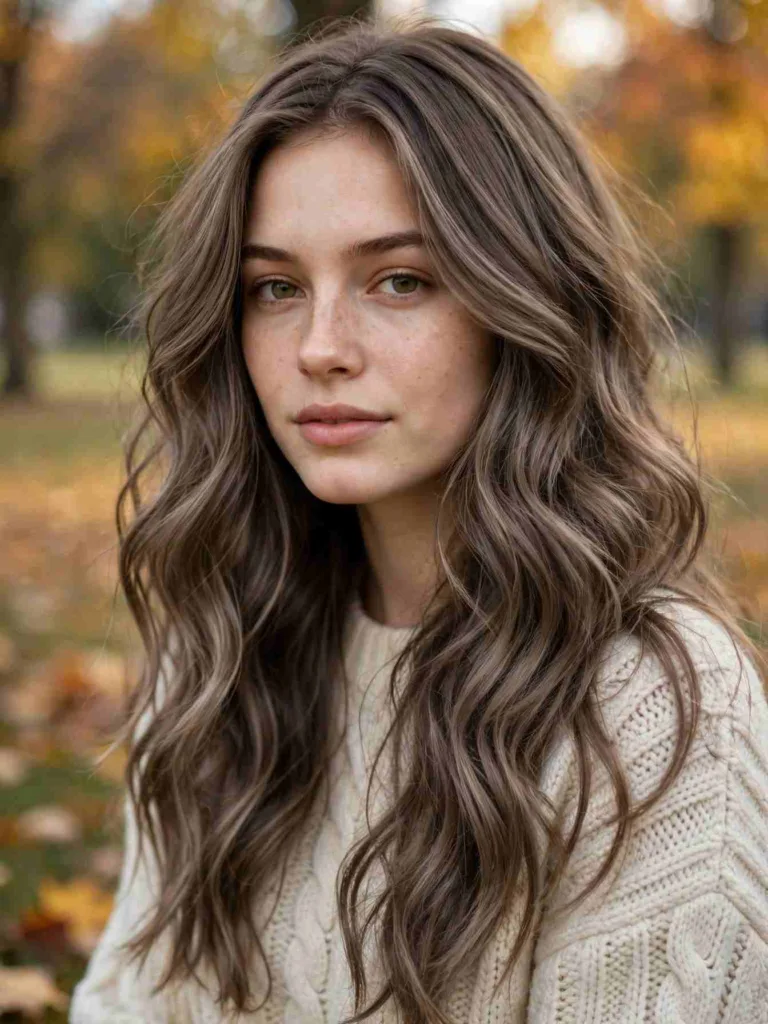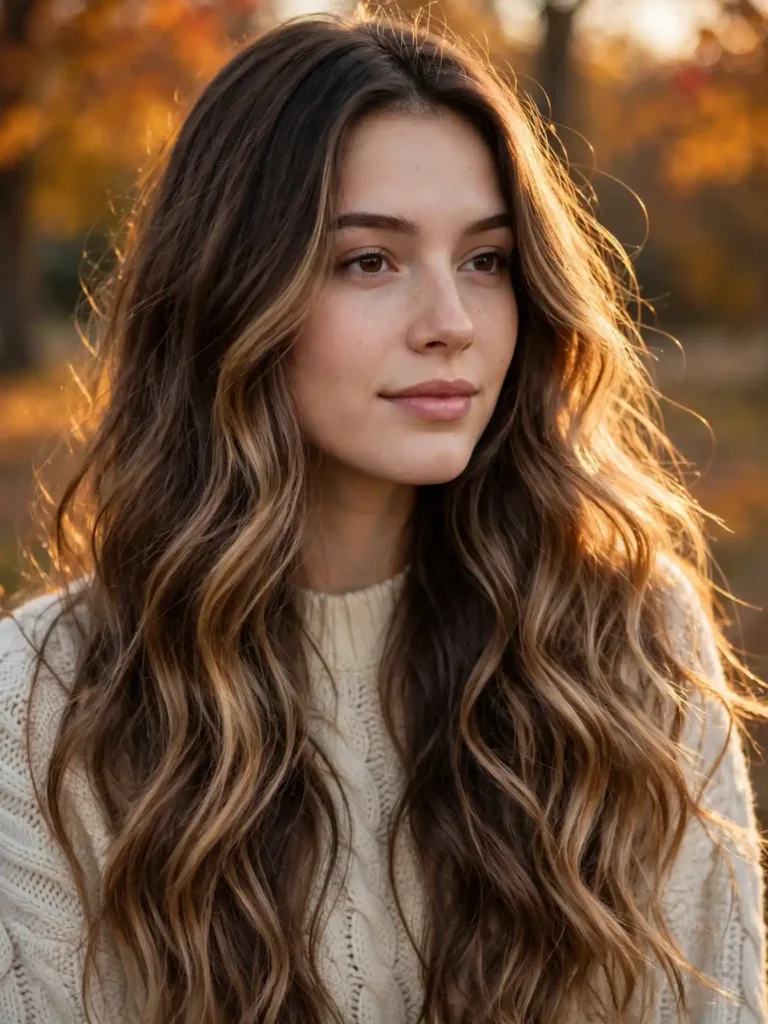
22 Winter Blonde Hair Color Ideas Glowing Into 2026
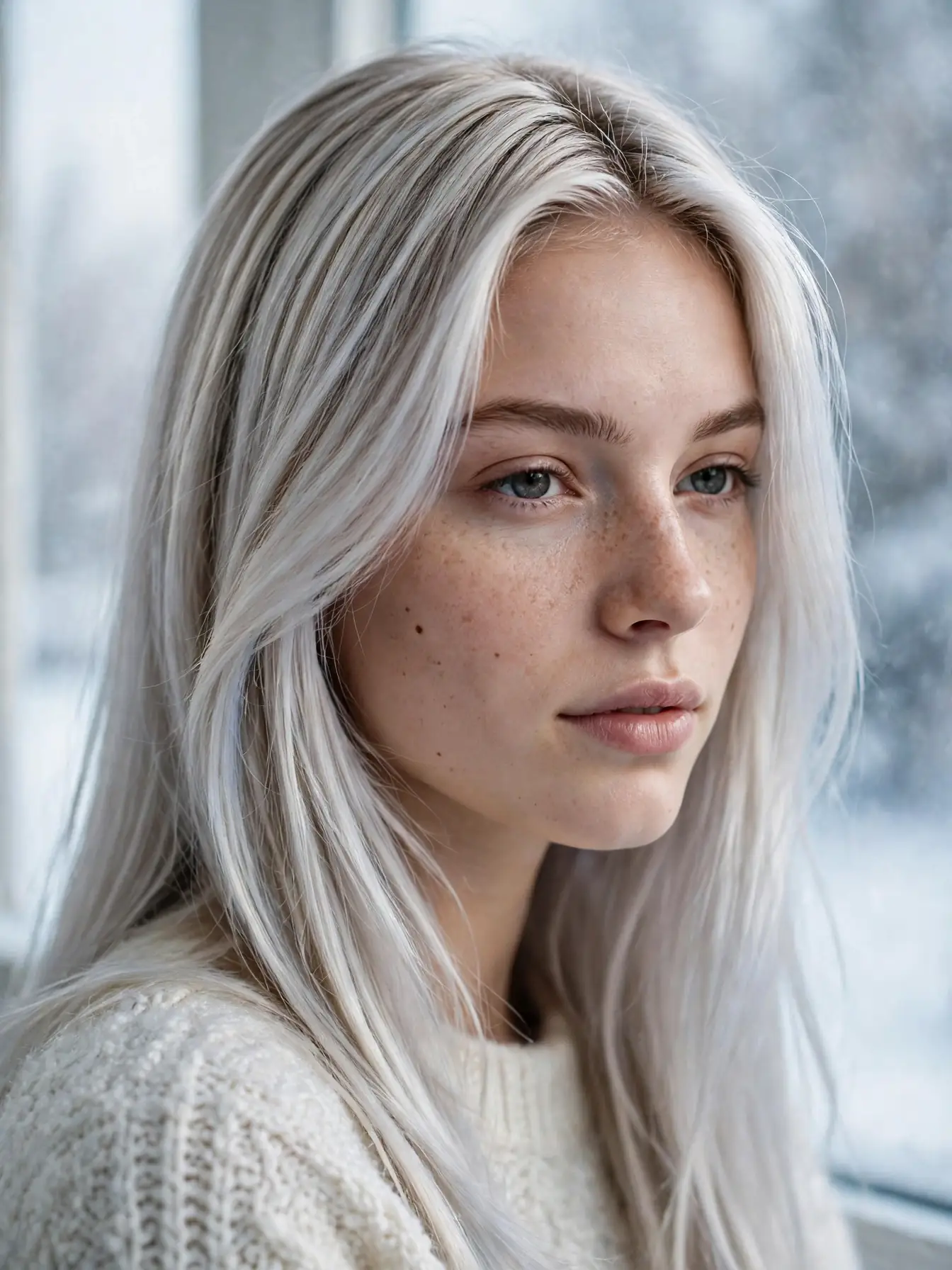
Winter blonde hair color does not mean going darker. These 22 shades prove light hair can hold its own through the coldest months. Many people assume blonde belongs to summer. Colorists disagree. Cool blonde tones look sharp against gray skies and pale winter skin. The trick is picking the right cool tone for your undertone. Then you protect it from dry air and brassiness.
This list covers every winter blonde worth asking for this year. You will find icy platinum, champagne frost, smoked ash, and soft beige blends. Each shade explains who it suits and what to say at the salon. A skin-tone matching guide follows the list. A winter maintenance plan closes it out. By the end, you will know exactly which blonde to book.
Winter blonde hair color means cool-toned blonde, from icy to champagne, that stays bright through the cold months.
1. Icy Platinum
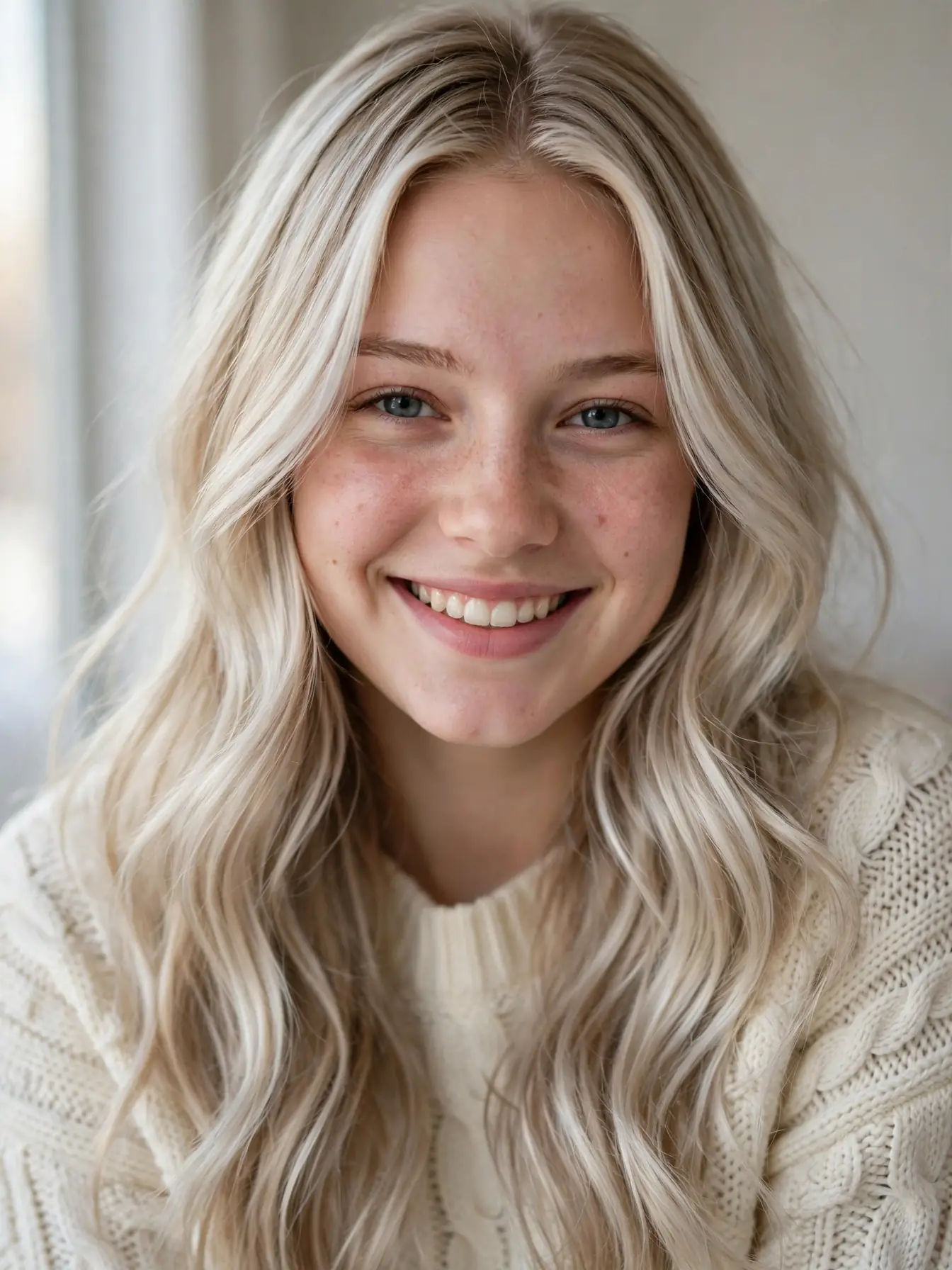
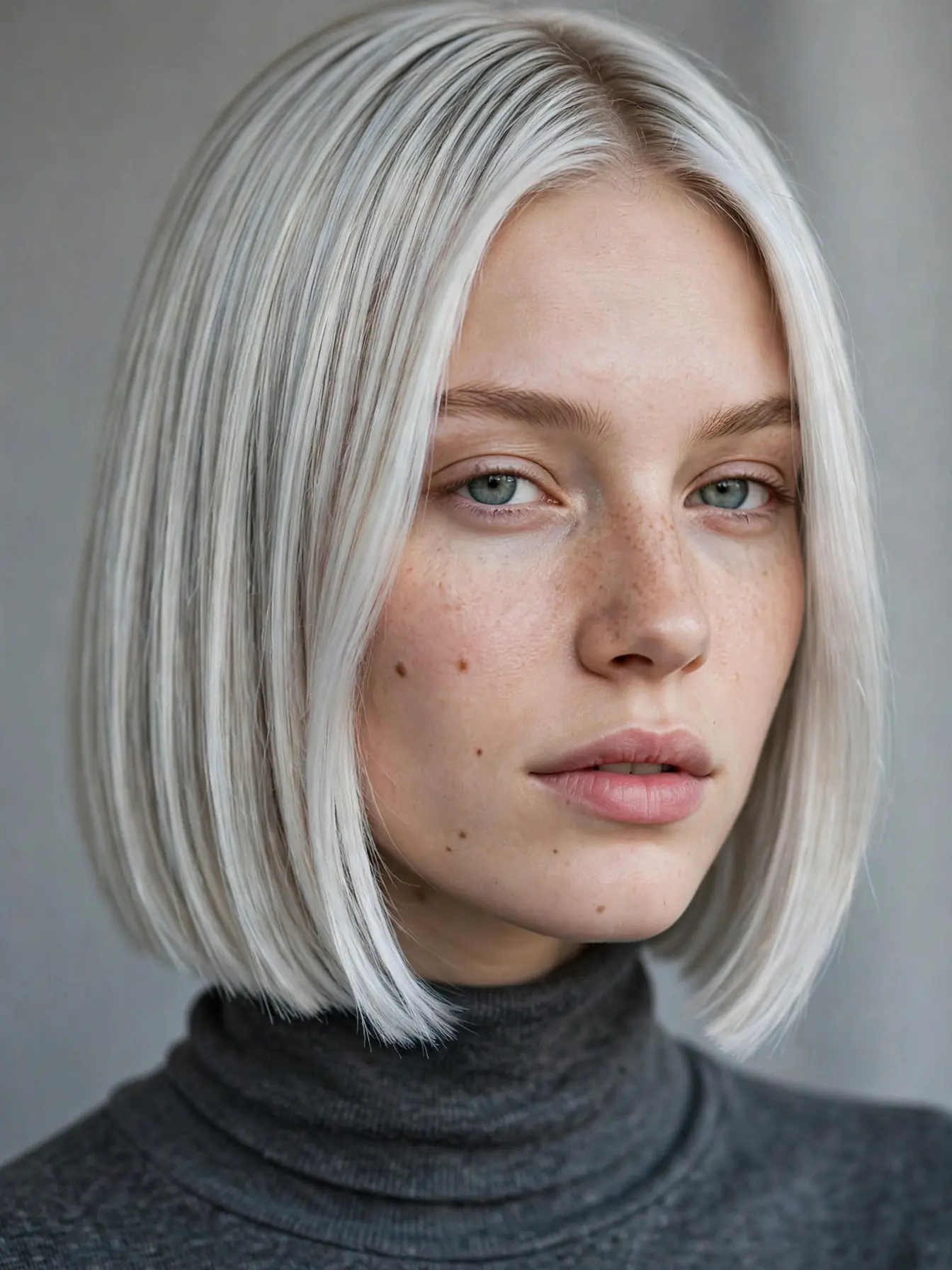
Icy platinum is the coldest blonde on this list. Hair is lifted to a near-white base. Then a silver toner removes every trace of yellow. The result looks like fresh snow in morning light. It pairs well with sharp bobs and blunt cuts. The solid color reads clean on straight lines. This shade demands commitment. Roots need a touch-up every 4 to 6 weeks. Brass creeps back fast without a weekly toning shampoo.
Best for: Fair to light skin with cool undertones, and anyone ready for regular salon visits.
Ask your stylist for: “Full bleach to level 10, finished with a silver toner.” No gold, no warmth.”
2. Champagne Frost
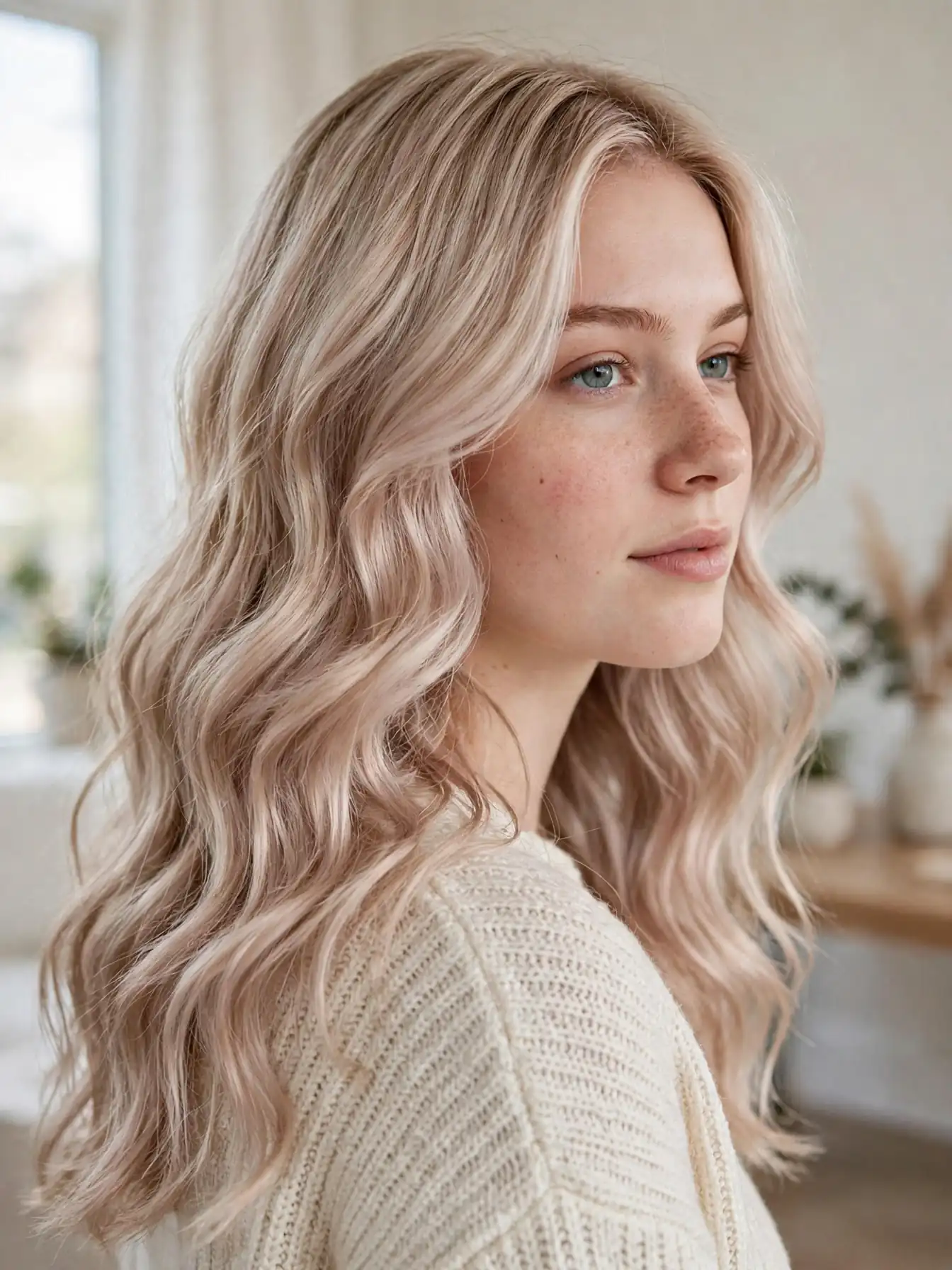
Champagne frost is pale blonde with a soft pink-beige cast. It reads cooler than gold but warmer than platinum. That middle ground makes this winter blonde hair color easy to live with. The shade looks polished under winter sunlight. It also photographs well, which matters for holiday events. Grow-out is gentler than full platinum. Ask for a demi-permanent gloss between appointments to keep the tone fresh.
Best for: Fair to medium skin with neutral undertones, and blondes who want brightness without harshness.
Ask your stylist for: “Pale champagne blonde with a cool frost finish, kept sheer at the roots.”
3. Silver Ash
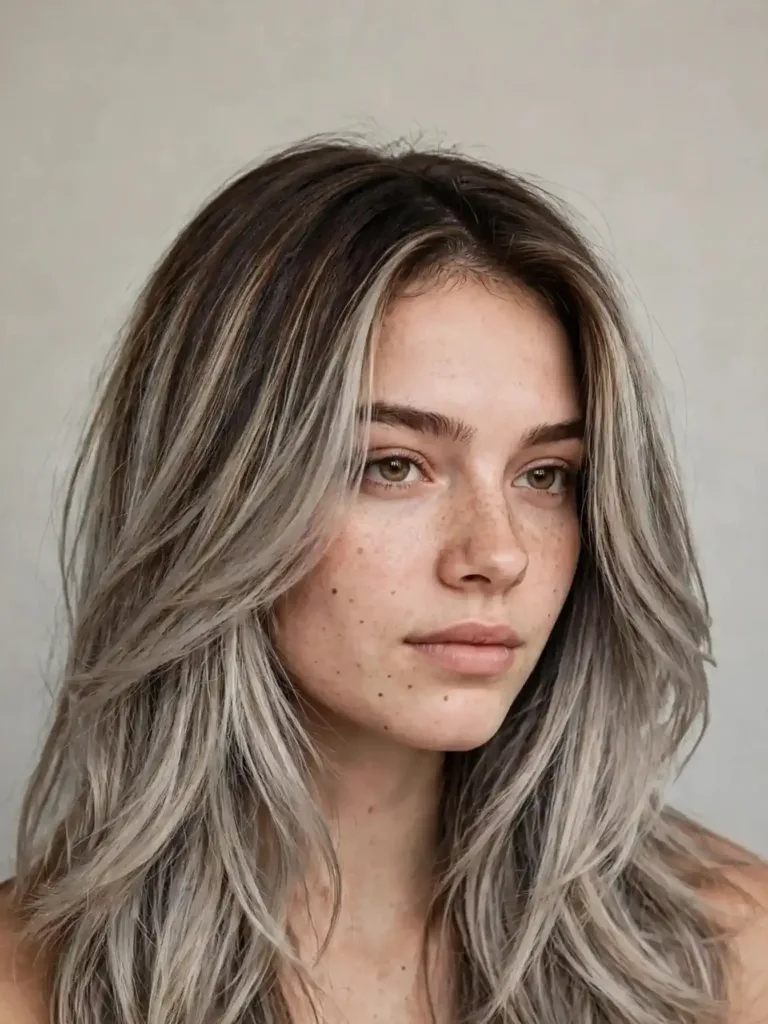
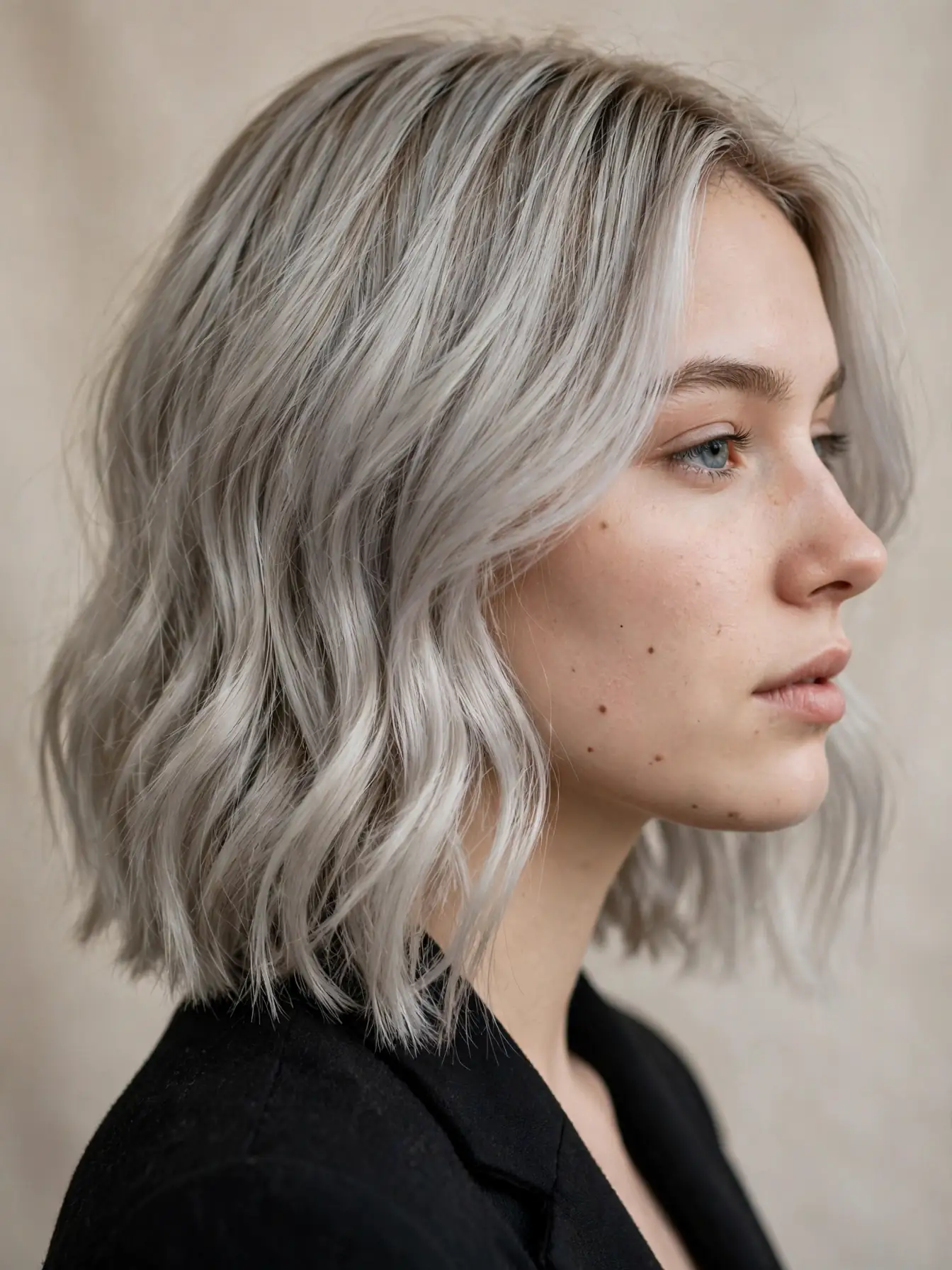
Silver ash pushes ash blonde toward true silver. The finish is matte, with zero gold. It gives dark blondes a clear path to winter blonde without going white. The tone also blends first grays well. Many colorists use it as a grow-out shade for clients leaving platinum. It needs purple shampoo to stay silver instead of sliding yellow.
Best for: Light to medium skin with cool undertones, and anyone blending early gray.
Ask your stylist for: “Ash blonde lifted to level 9, toned silver with no warm reflect.”
4. Pearl Blonde
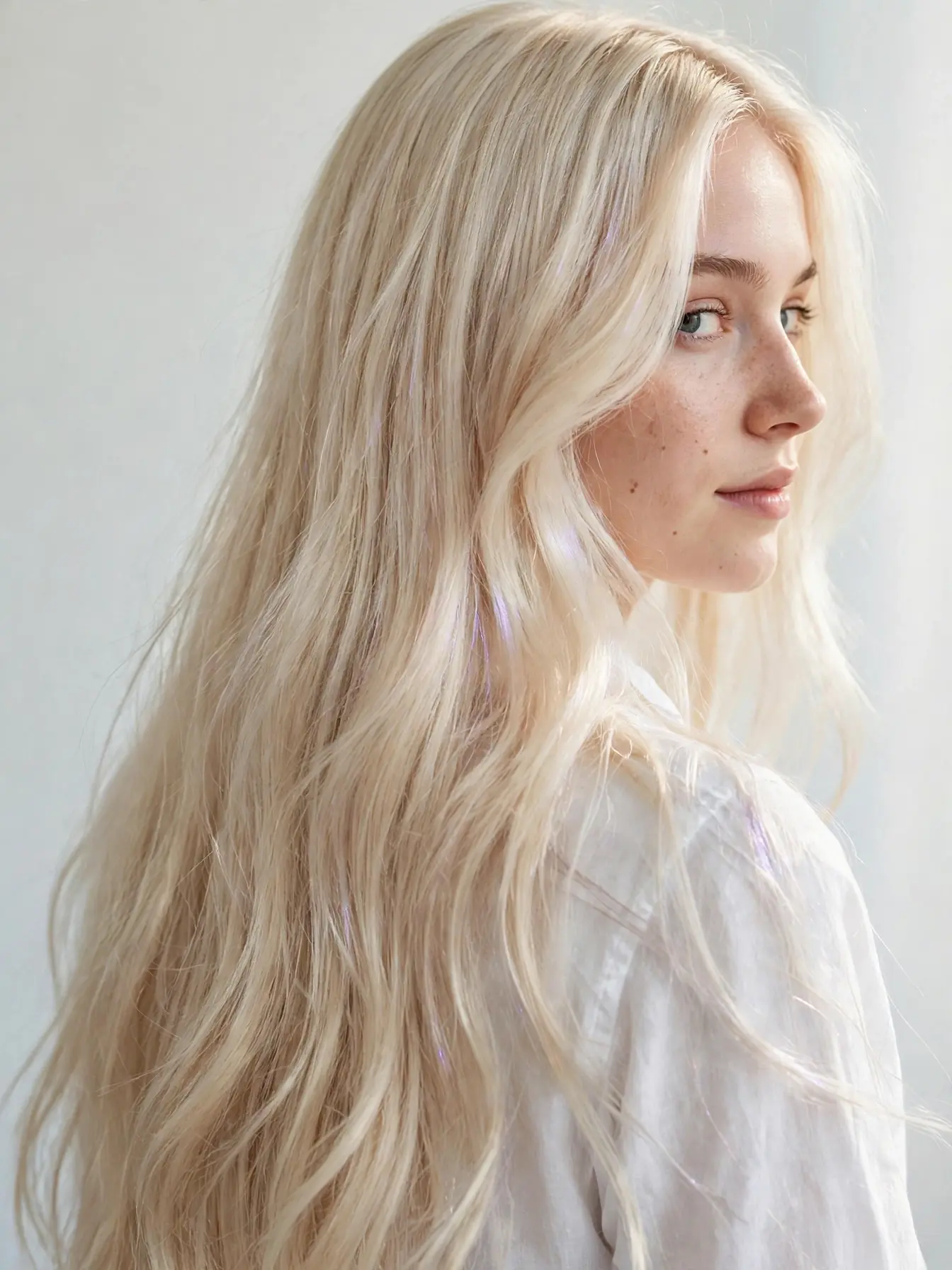
Pearl blonde carries an iridescent violet-blue reflect. The color shifts as light hits it. One angle looks silver, the next looks pale lavender-gray. It suits long hair best, where the shift has room to show. The effect comes from toner, not fashion dye. That means it fades softly over 4 to 6 weeks. A color-depositing mask keeps the pearl alive between toners.
Best for: Fair skin with cool or neutral undertones, and long hair that shows dimension.
Ask your stylist for: “Pale blonde with a pearl toner, violet base, sheer through the ends.”
5. Frosted Beige Balayage
Frosted beige balayage paints cool beige blonde through the mid-lengths. Roots stay deeper for contrast. The grow-out is soft, with no hard line. This is the lowest-maintenance way to wear winter blonde. If you like a painted color that grows out clean, see our guide to ash blonde melt hair color. It shows how a soft balayage blends without a harsh line. The same placement logic applies here, just in cooler tones.
Best for: Medium skin with neutral undertones and anyone who stretches salon visits past 10 weeks.
Ask your stylist for: “Cool beige balayage, painted from mid-lengths down, with a shadowed root.”
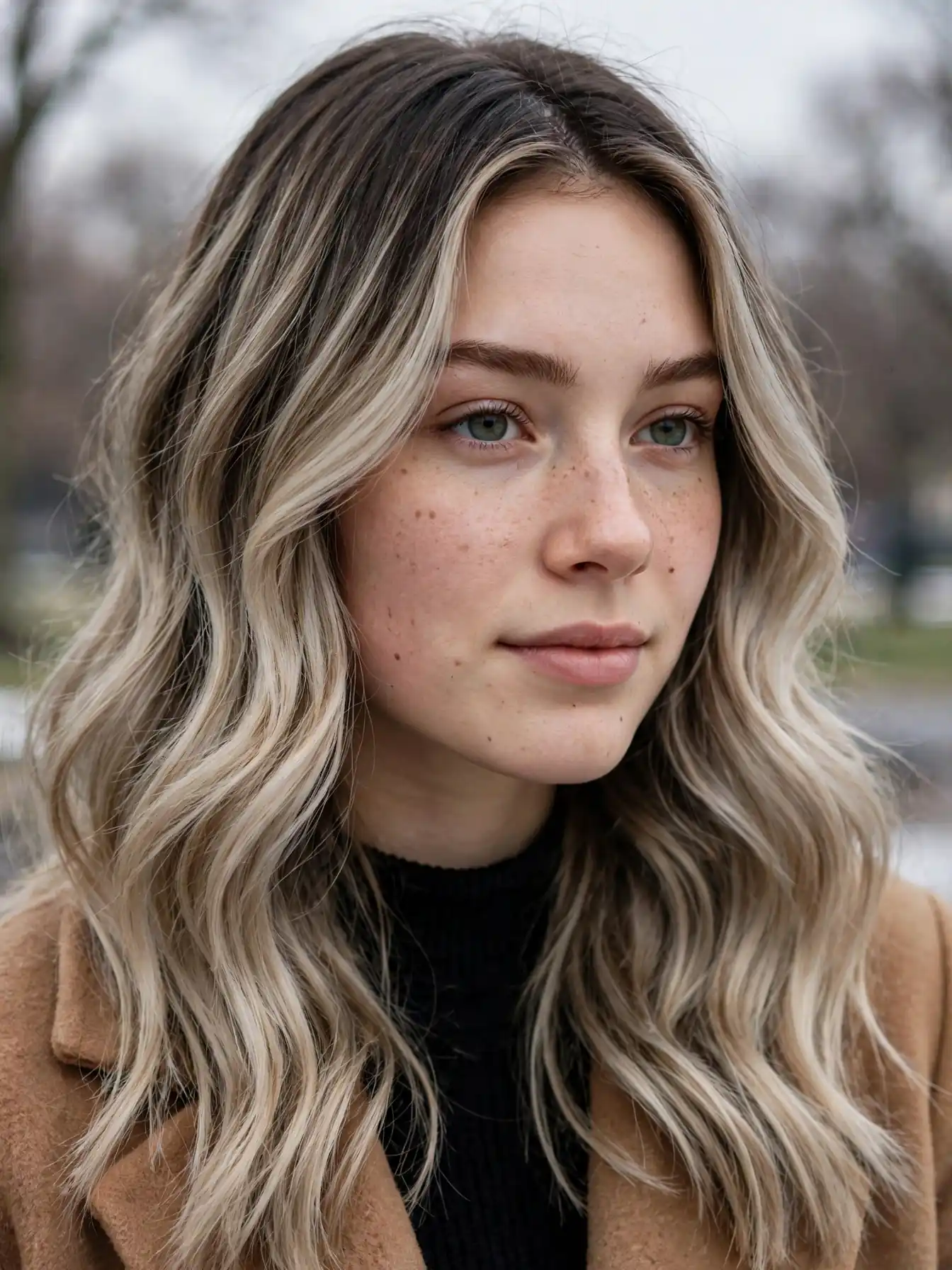
6. Winter Wheat
Winter wheat is a soft neutral blonde, pale like dried wheat. It sits between cool and warm. That balance makes it one of the easiest winter blondes to wear. It works on straight, wavy, and curly hair alike. The shade needs little toning because it has no strong reflect. A simple sulfate-free shampoo keeps it clean and bright.
Best for: Light to medium skin with neutral undertones, and low-maintenance blondes.
Ask your stylist for: “Neutral level 9 blonde, no strong ash or gold, soft all over.”
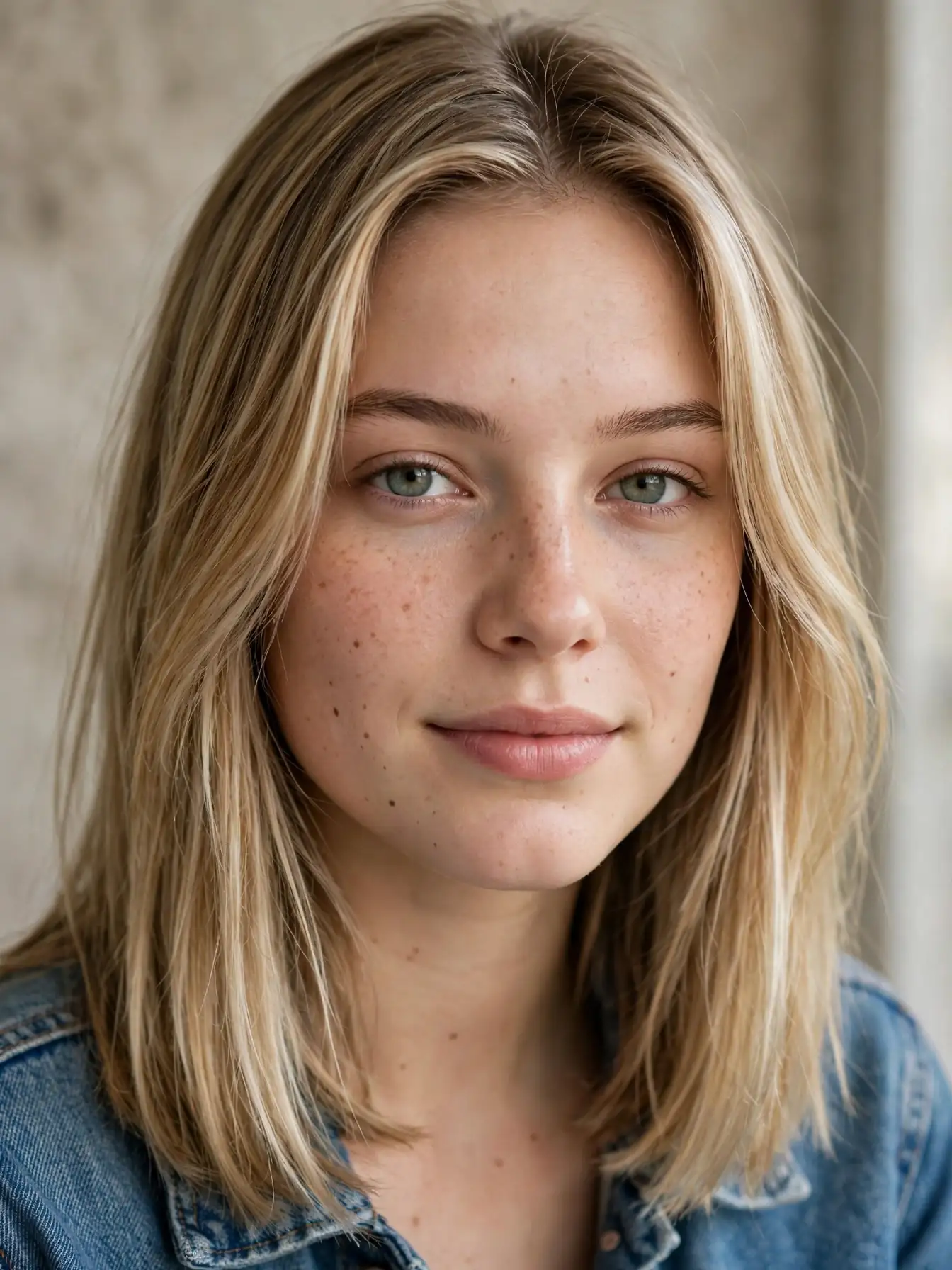
7. Vanilla Ice
Vanilla ice is creamy pale blonde on a cool base. It reads softer than platinum. The slight cream keeps it from looking stark on the skin. This shade suits fine hair well. Light color with a soft reflect makes fine strands look fuller. It lifts best from a light brown or dark blonde base. Darker bases may need two sessions to reach this tone safely.
Best for: Fair skin with neutral undertones, and fine hair that needs visual fullness.
Ask your stylist for: “Creamy level 10 blonde with a cool vanilla toner, not white.”
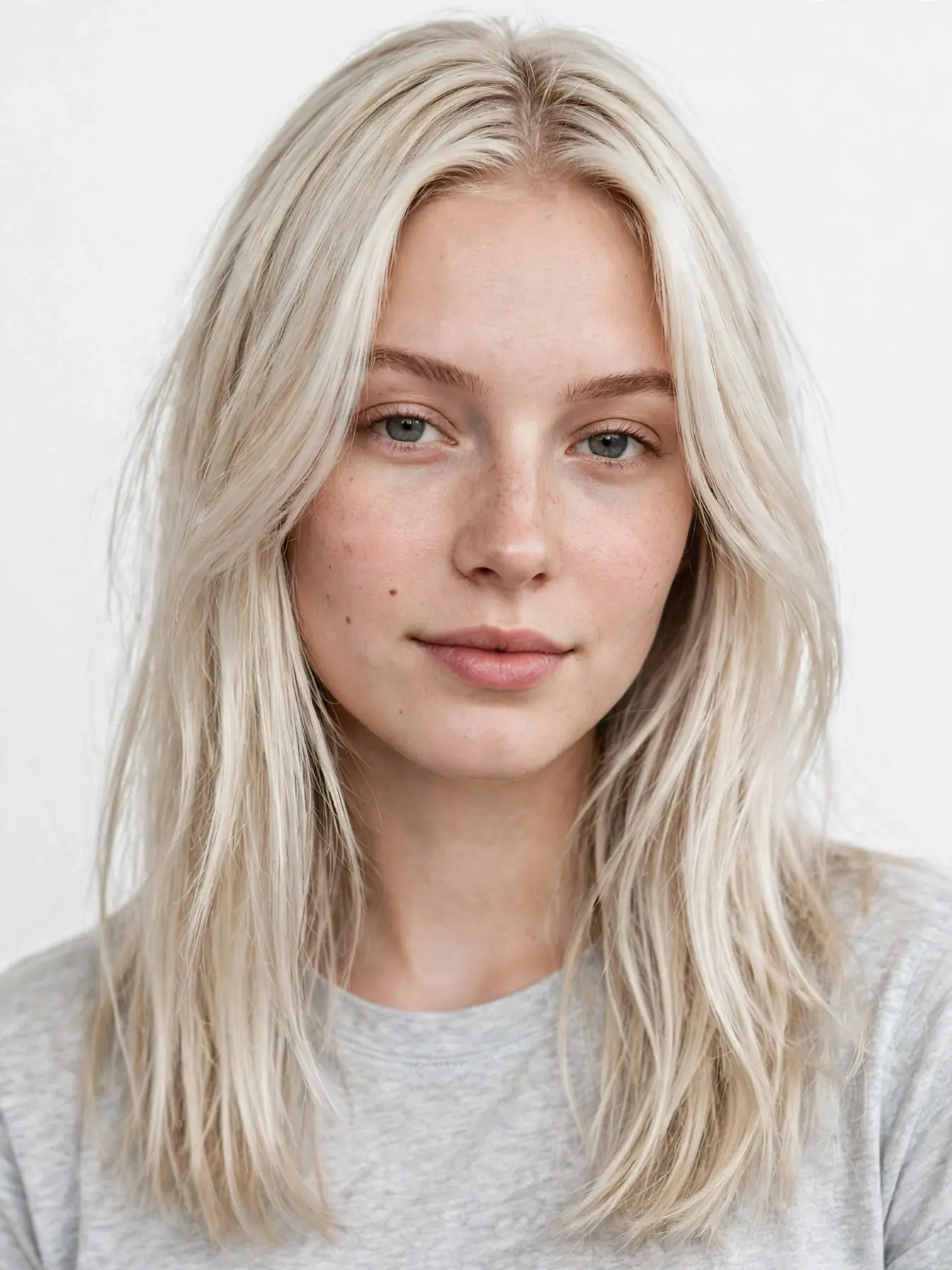
8. Smoked Ash
Smoked ash is a deeper ash blonde with smoky gray depth. It sits around level 7 or 8. That depth makes it a smart first step from brunette to winter blonde. The smoky tone hides regrowth well. It also survives winter hat season without looking dull. Ask for a clear gloss on top to keep the surface reflective.
Best for: Medium skin with cool undertones, and brunettes testing blonde for the first time.
Ask your stylist for: “Smoky ash blonde at level 8, with depth at the root and a clear gloss.”
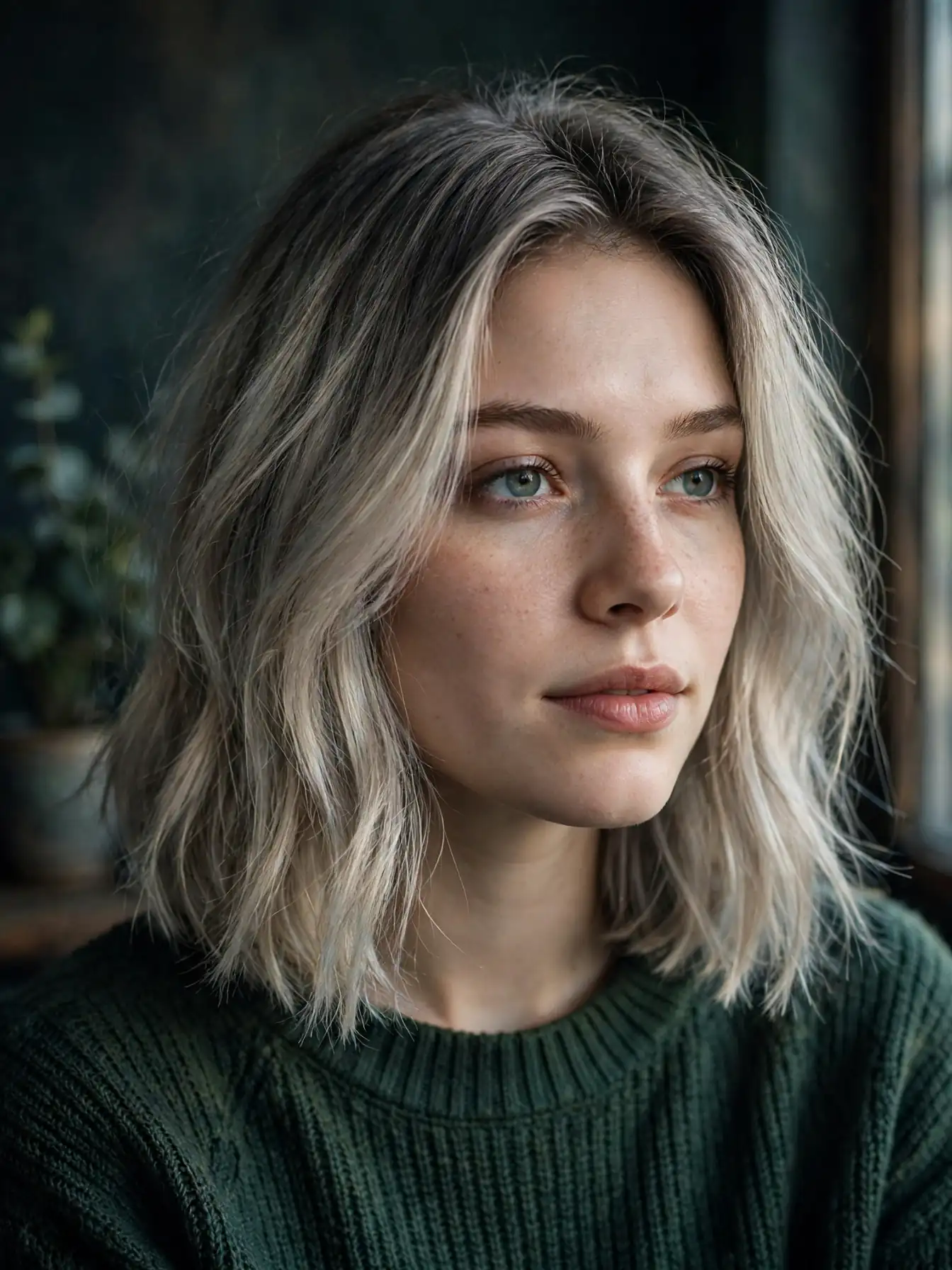
9. Moonlight Silver
Moonlight silver is a silvery blonde built for shine. The color is pale, but the finish is the point. A glass-hair blowout makes it reflect like moonlight. It looks best on healthy, straightened hair. Damaged ends will not reflect well, so trim first. This shade pairs with center parts and sleek styling. It is a statement, but a quiet one.
Best for: Fair skin with cool undertones, and straight hair in good condition.
Ask your stylist for: “Silver blonde with maximum shine, toned cool, ends freshly trimmed.”
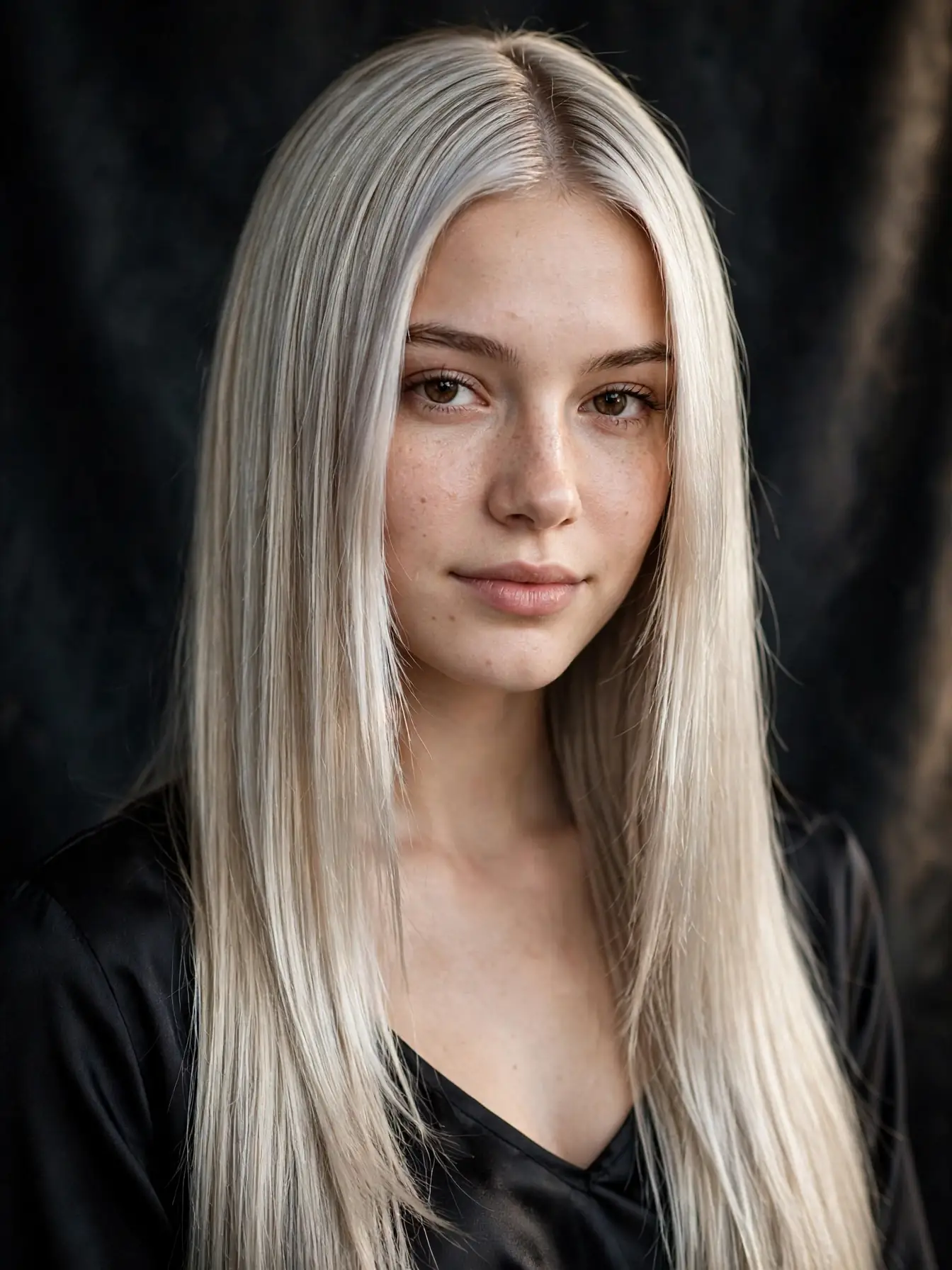
10. Cool Linen
Cool linen is a soft cool blonde with a natural feel. It looks like undyed Scandinavian blonde, even when it is not. The tone is quiet and clean. It suits minimal styling and air-dried texture. This is the winter blonde hair color for people who dislike obvious color. It grows out like a dream because the base stays close to natural.
Best for: Fair to light skin with cool undertones, and anyone who wants color that looks natural.
Ask your stylist for: “Soft cool blonde, level 9, natural-looking with no strong reflect.”
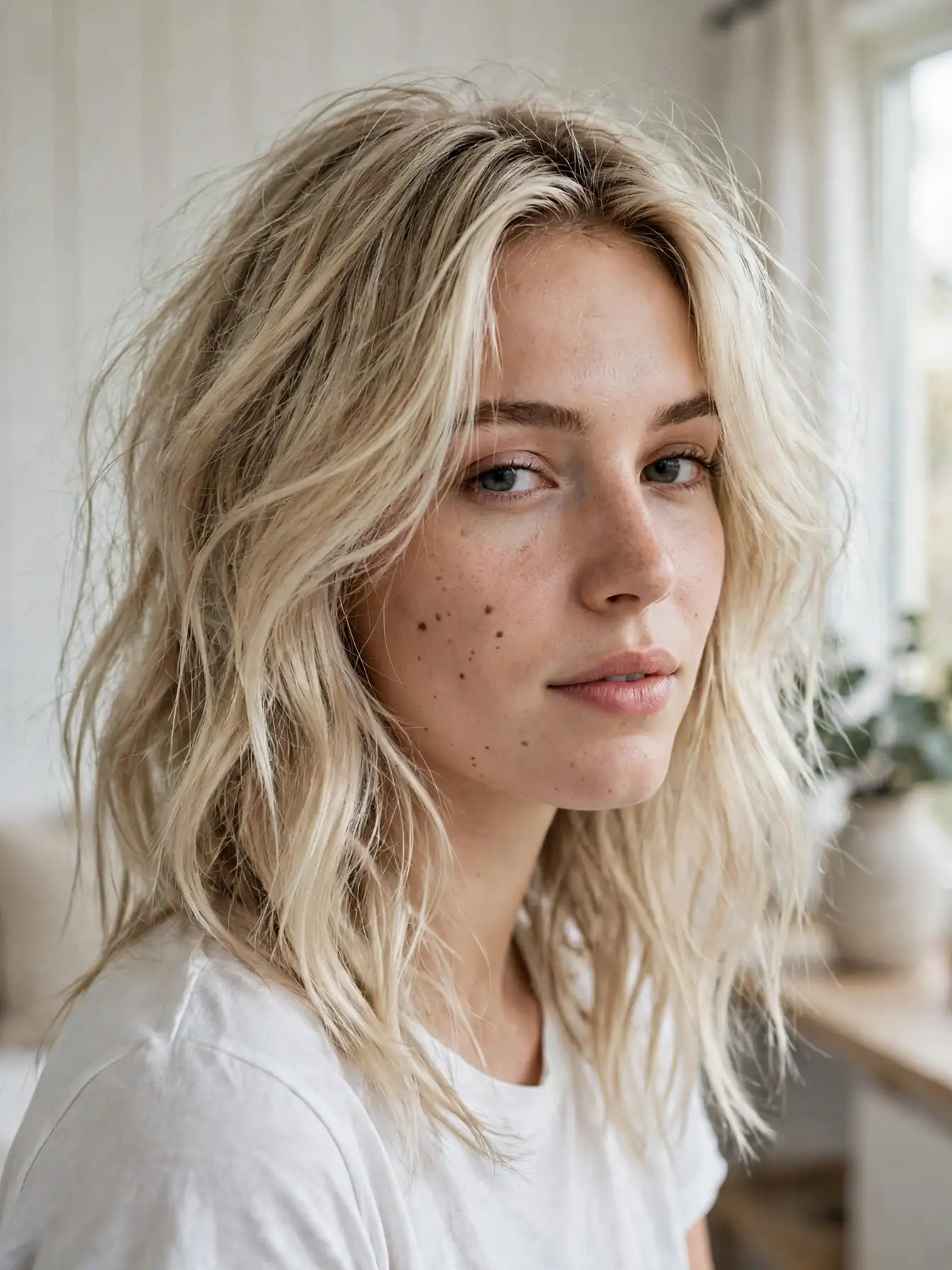
11. Frosted Pixie
A frosted pixie puts icy blonde on a short, sharp cut. The combination is bold and low-effort at once. Short hair means less bleach damage and faster appointments. The pale color shows off the cut’s texture and edges. It works with piece-y, tousled, or slicked styling. Root touch-ups come often, but each visit is quick.
Best for: Fair skin with cool undertones, and confident wearers of short cuts.
Ask your stylist for: “Icy blonde on a textured pixie, toned silver-white at the ends.”
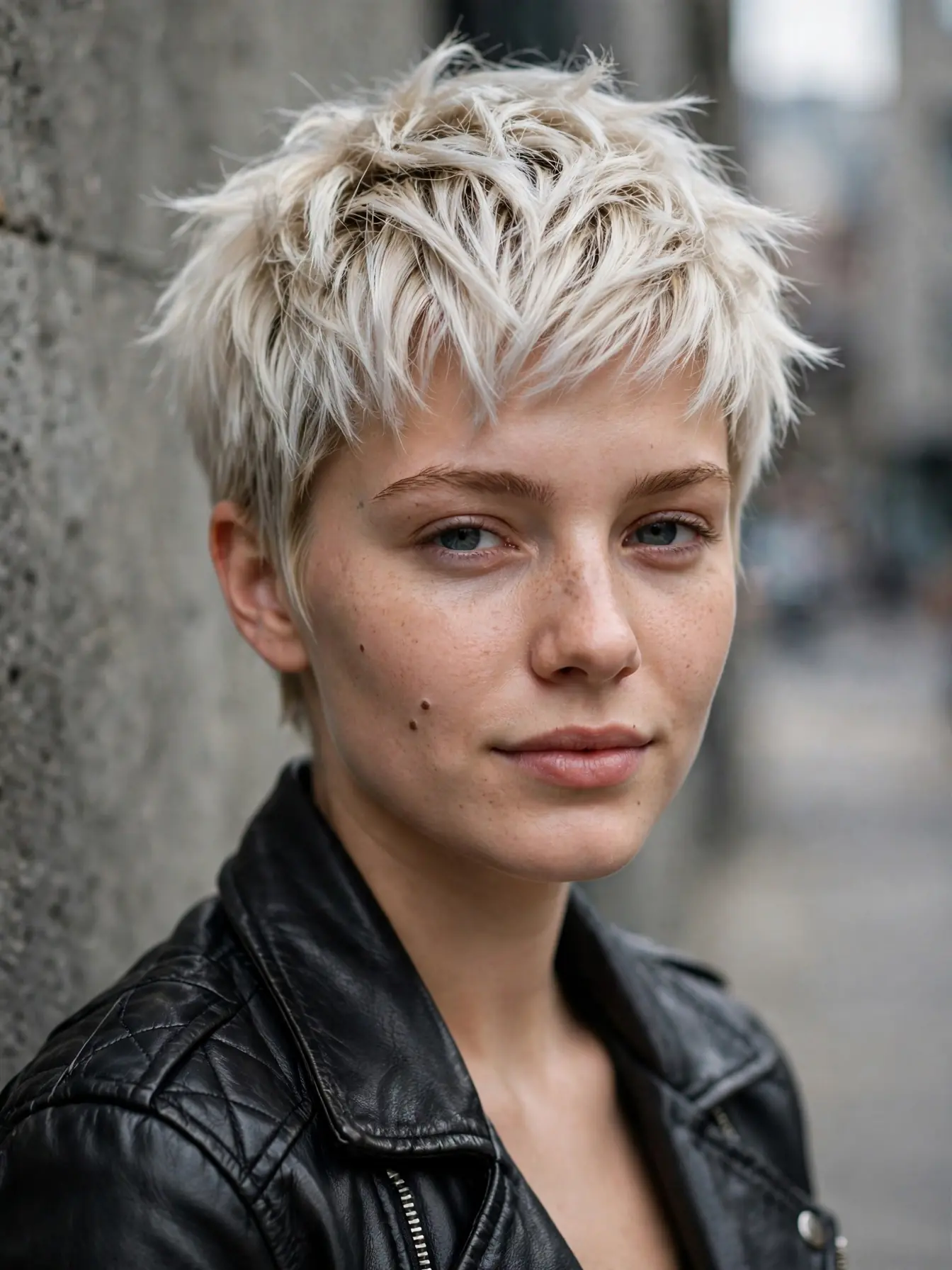
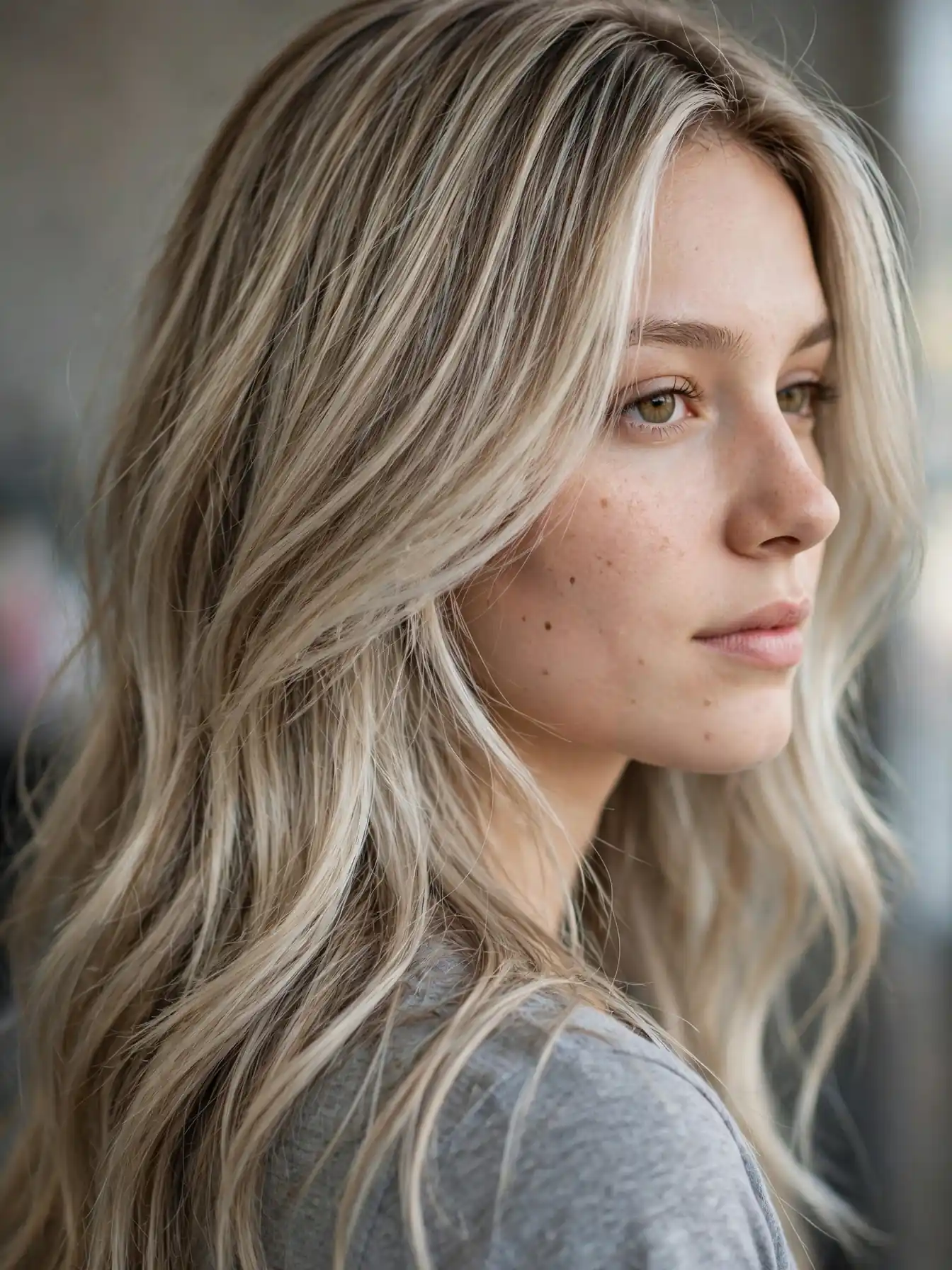
12. Arctic White
Arctic white goes whiter than platinum. It is close to paper-white, with a blue-based toner. This is the most extreme winter blonde hair color on the list. It suits editorial looks and special occasions. Daily wear is possible, but the upkeep is real. Hair must be healthy before you attempt it. Most stylists will test a strand first. Bond-building treatments are non-negotiable at this level of lift.
Best for: Very fair skin with cool undertones, and healthy hair that can handle maximum lift.
Ask your stylist for: “White blonde, blue-based toner, only if a strand test passes.”
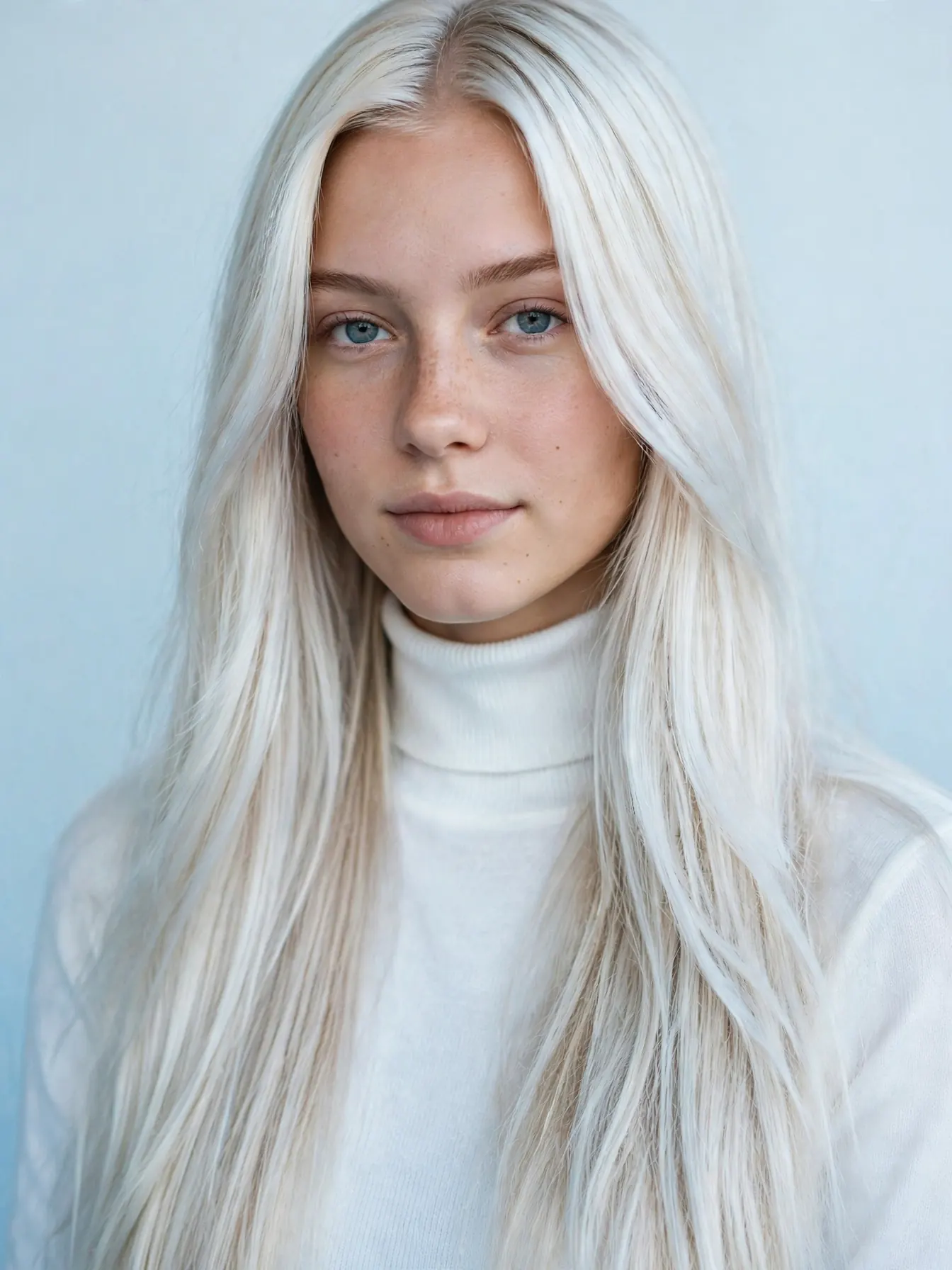
13. Champagne Beige
Champagne beige blends champagne brightness with beige softness. The result looks creamy and expensive. It flatters more skin tones than pure ash. The beige keeps it grounded, the champagne keeps it light. This shade works well on medium-length hair with soft waves. Waves break up the solid color and add movement. It needs a toning gloss every 6 to 8 weeks to stay creamy.
Best for: Light to medium skin with neutral to warm undertones.
Ask your stylist for: “Champagne blonde melted into soft beige, creamy finish, no brass.”
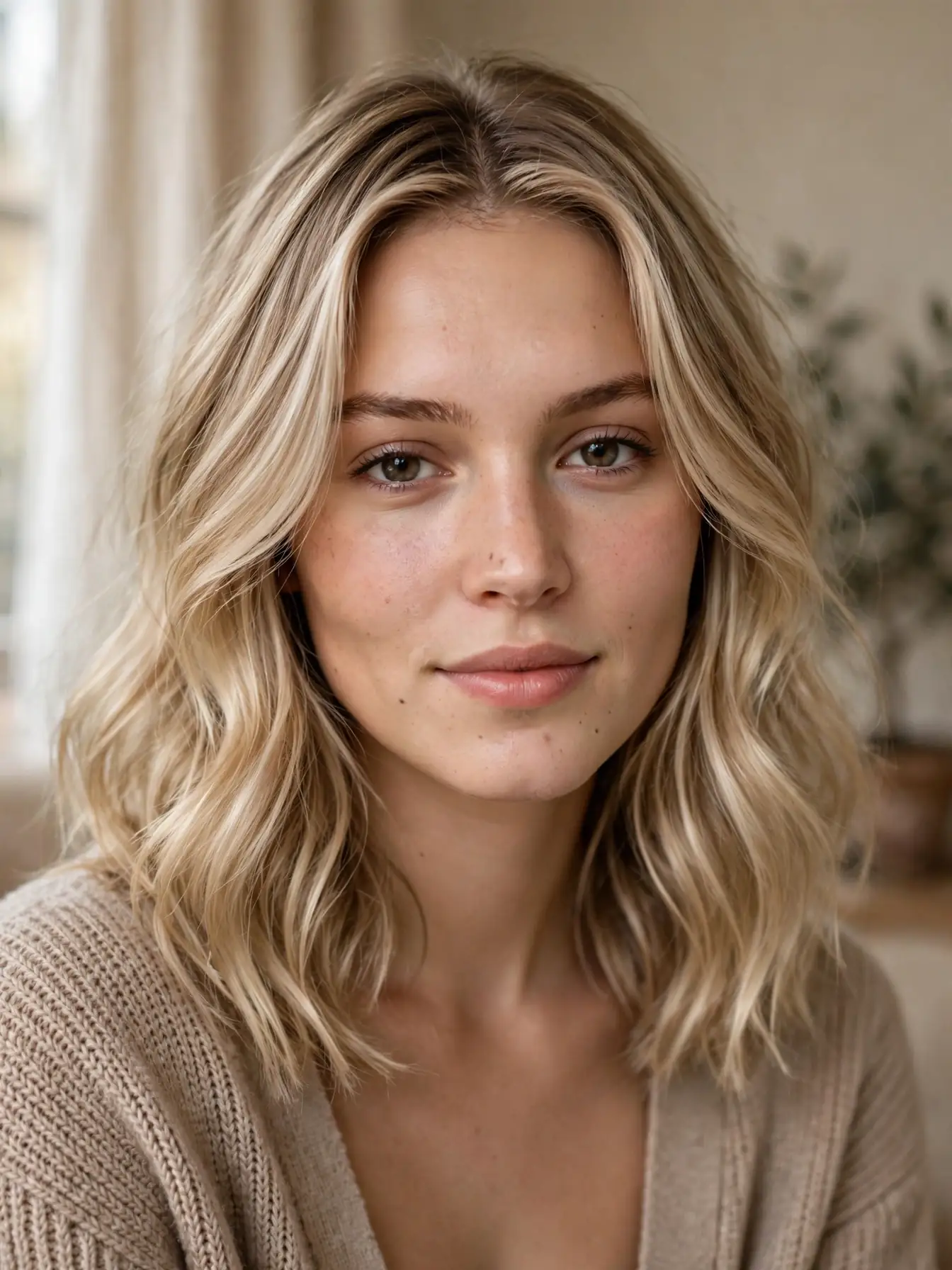
14. Frosted Root Melt
A frosted root melt keeps icy lengths but shadows the root. The colorist melts a deeper tone into the first inches. That erases the grow-out line. This is how you wear winter blonde hair color with fewer appointments. The root can go 8 to 12 weeks between visits. The lengths still read bright and cool. It is the best of both worlds for busy schedules.
Best for: Any skin tone that suits cool blonde, and anyone who hates visible regrowth.
Ask your stylist for: “Icy blonde lengths with a level 7 shadow root, melted with a soft blend.”
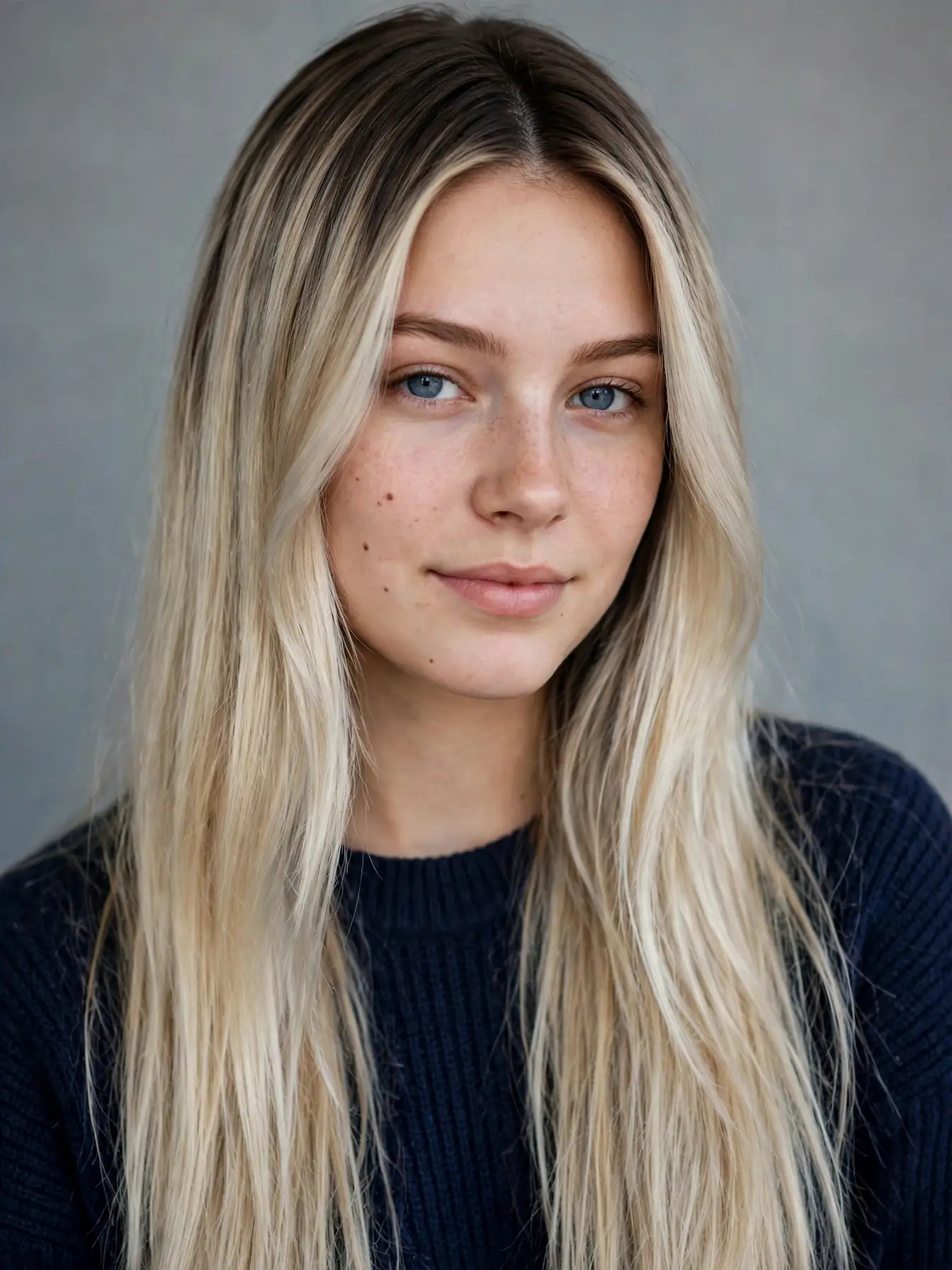
15. Cool Honey
Cool honey takes honey blonde and cools it with ash. The warmth stays, but the brass goes. This is the winter blonde hair color for warm skin that still wants to be blonde. Pure ash can look gray on golden undertones. Cool honey avoids that. It gives glow without yellow. The shade suits long layers and curtain bangs well.
Best for: Medium to deep skin with warm undertones.
Ask your stylist for: “Honey blonde with an ash-based toner, warm but never brassy.”
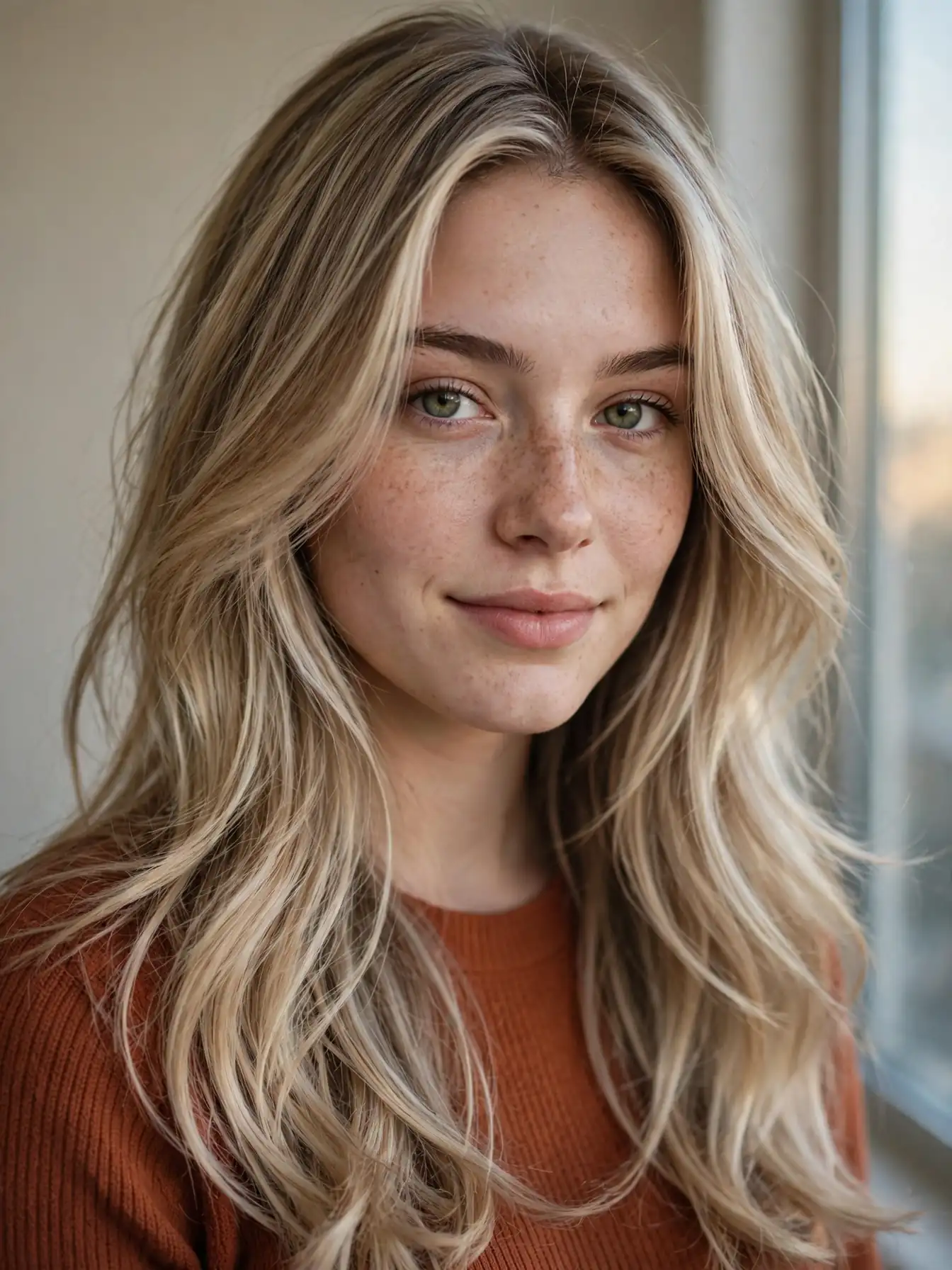
16. Icy Butter
Icy butter is pale blonde with a buttery base and a frosty finish. It balances cool and warm in one shade. The butter keeps it soft on the skin. The ice keeps it current. This shade flatters many undertones. It also grows out softly because the base is not stark. Use a purple mask once a week to hold the frosty edge.
Best for: Fair to medium skin with neutral undertones.
Ask your stylist for: “Buttery level 10 base with an icy toner on top, soft grow-out.”
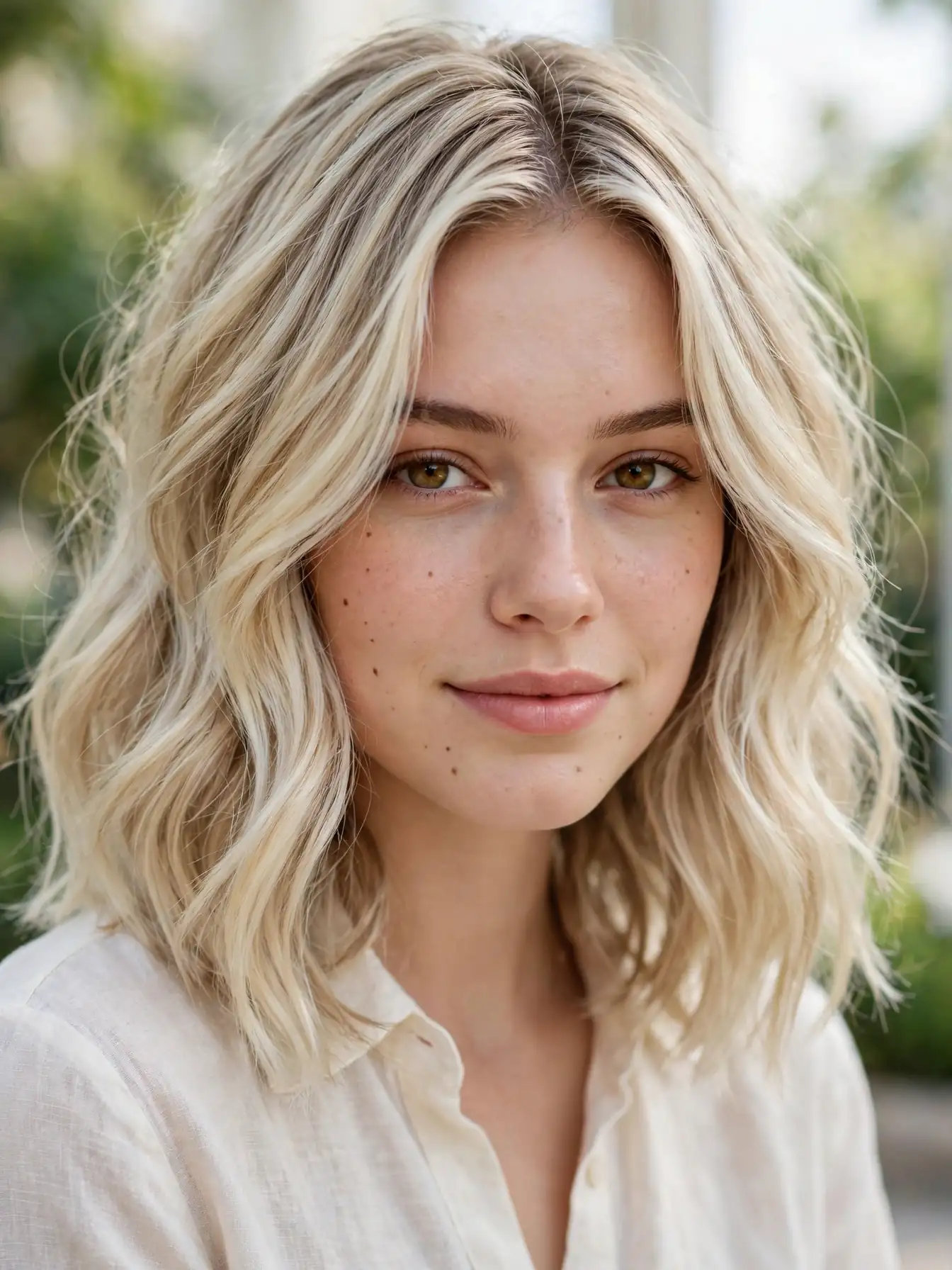
17. Snowy Lob
A snowy lob puts pale winter blonde on a shoulder-length cut. The length shows off dimension as hair moves. Ask for subtle lowlights to keep it from looking flat. One solid pale color can wash out on longer lengths. Soft dimension fixes that. The lob length also makes styling fast. Loose waves take ten minutes and look finished.
Best for: Fair to light skin with cool or neutral undertones.
Ask your stylist for: “Snowy blonde lob with fine lowlights for dimension, textured ends.”
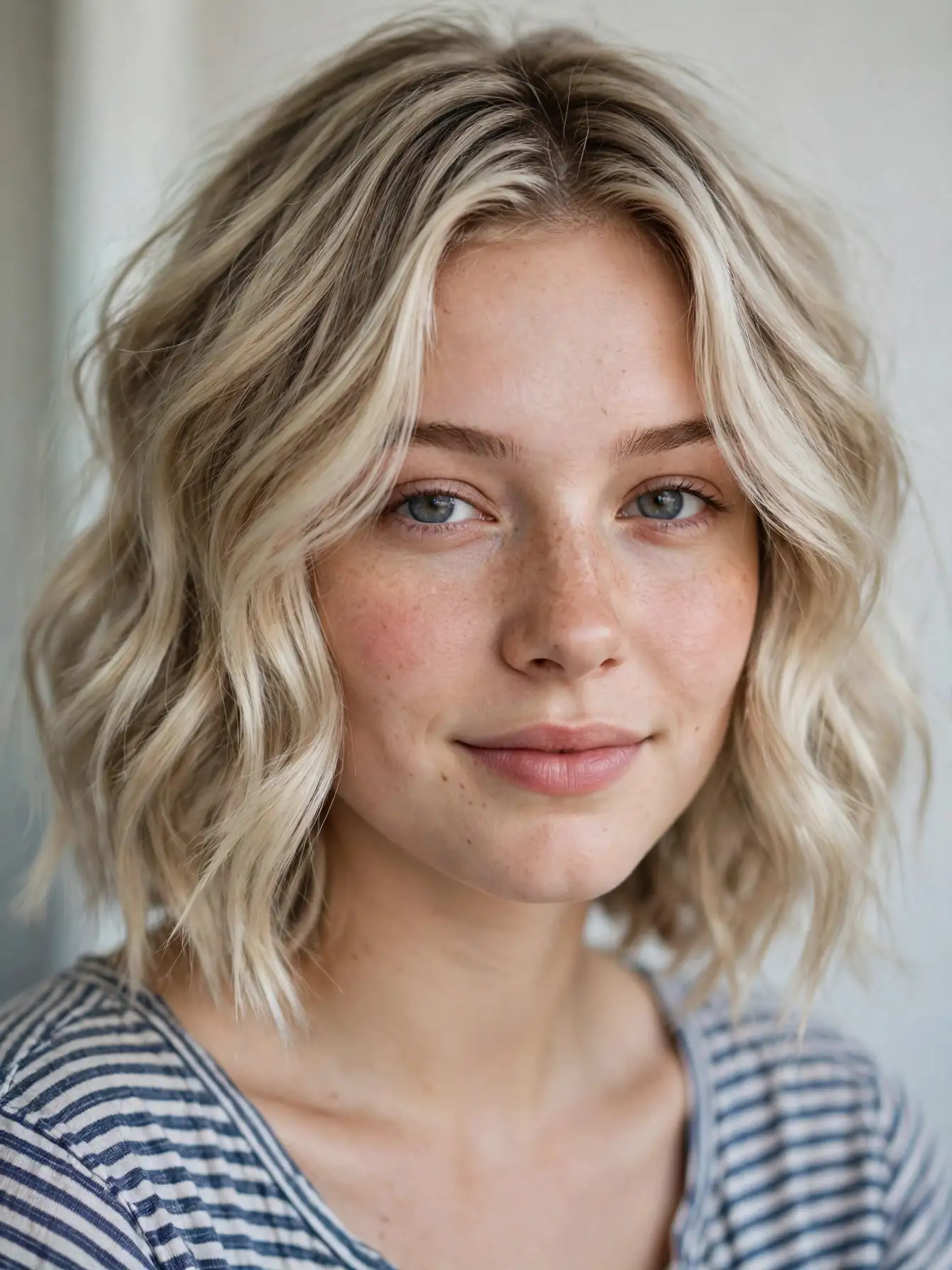
18. Frosted Face Frame
A frosted face frame keeps your base deeper and brightens only the front. Pale pieces around the face act like a ring light. The effect is instant brightness with minimal bleach. It suits brunettes who want a winter refresh without full color. The back stays natural, so this winter blonde hair color grows out painlessly. Toning the front pieces keeps them frosty.
Best for: Light to medium skin, and brunettes testing winter blonde.
Ask your stylist for: “Bright frosty money pieces around the face, natural base everywhere else.”
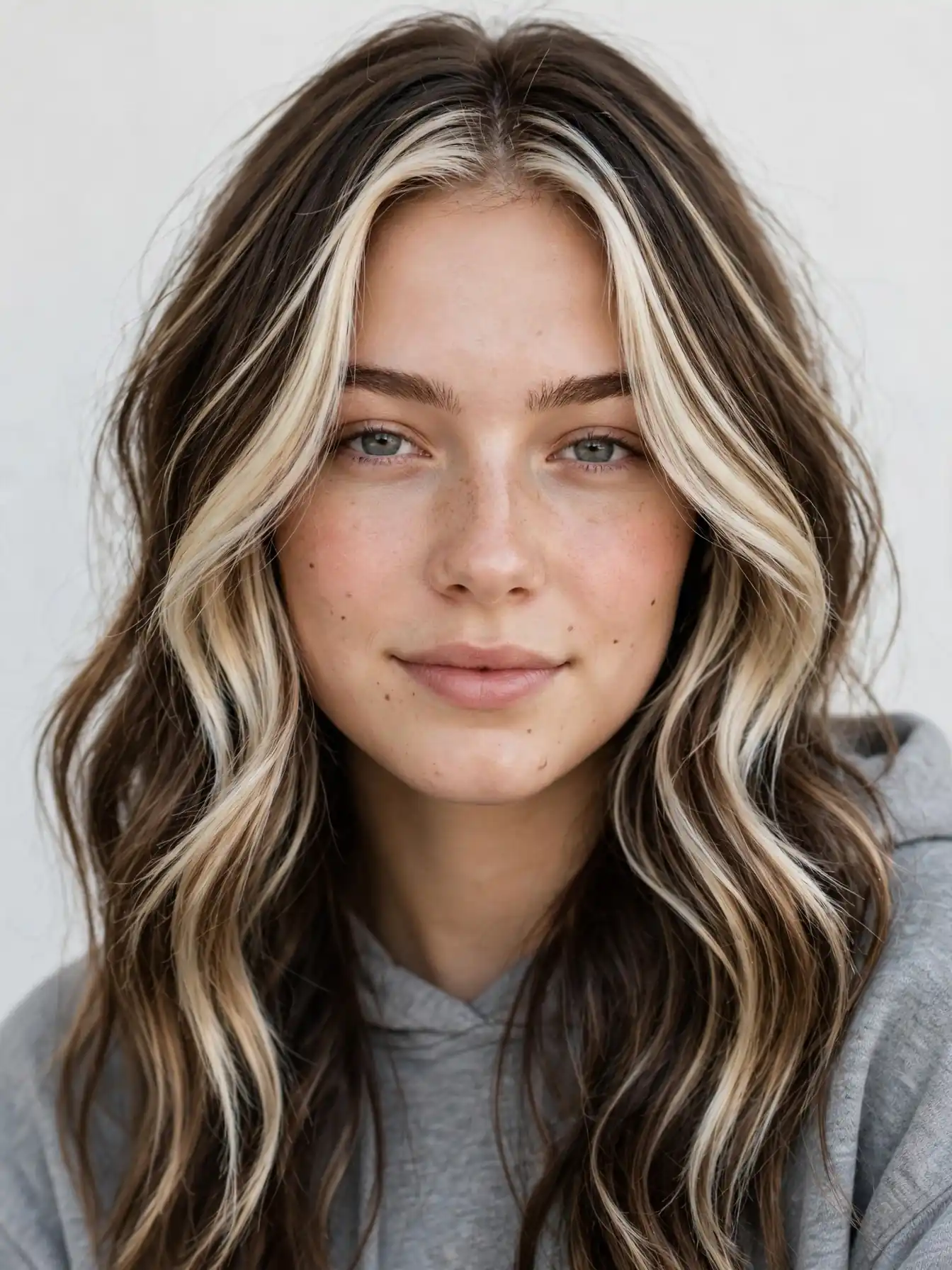
19. Gilded Frost
Gilded frost is pale blonde with a whisper of gold, kept firmly cool. Gold is back in a thoughtful way. Colorists told Bustle that the right warmth can make winter hair look candlelit instead of dull. This shade proves it. The gold sits under a cool gloss, so it never reads brassy. It suits holiday photos and evening light. The effect is warm glow, cool discipline.
Best for: Fair to medium skin with neutral undertones.
Ask your stylist for: “Pale blonde with a hint of gold under a cool gloss, candlelit not brassy.”
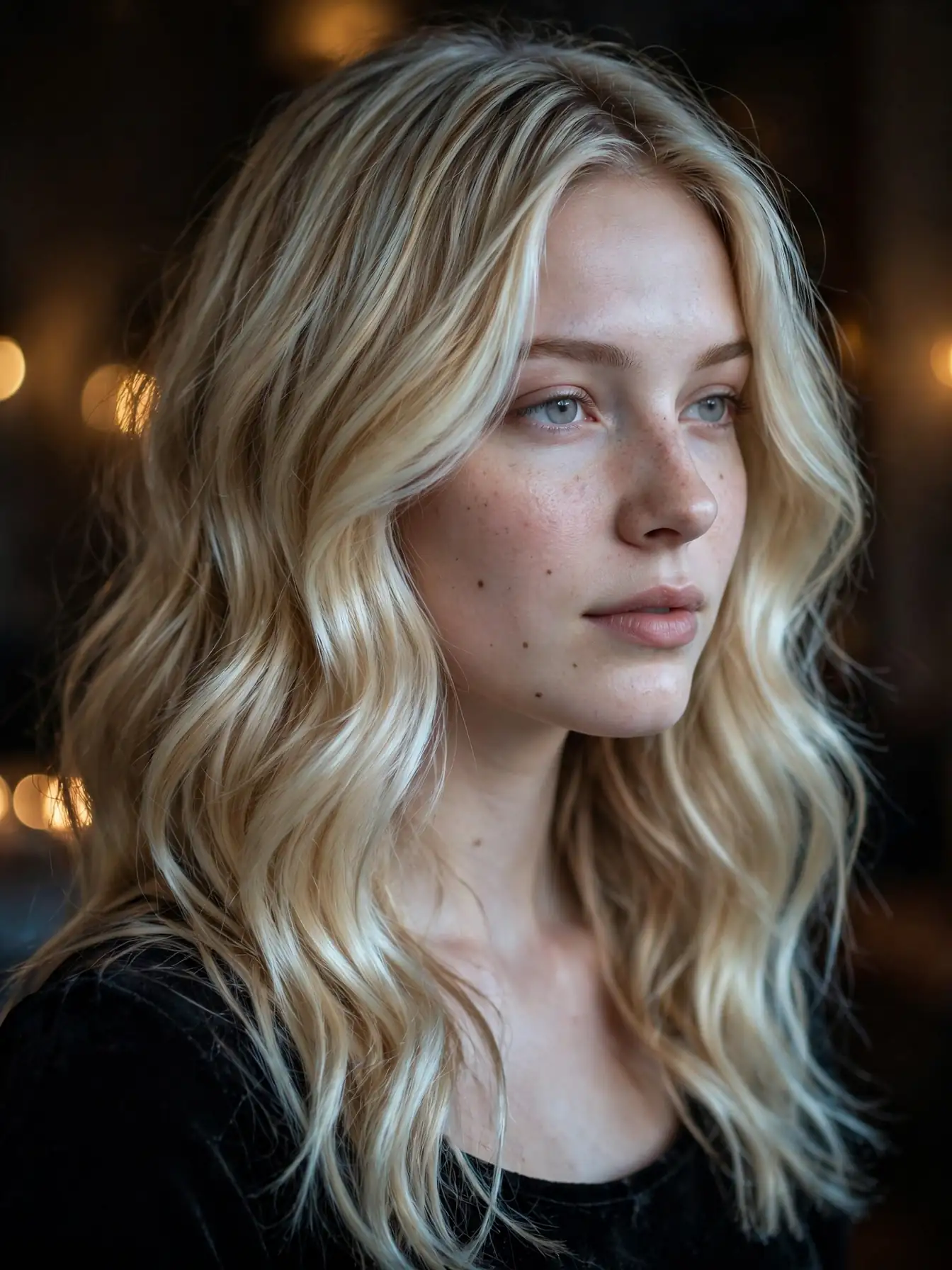
20. Mushroom Beige
Mushroom beige is a taupe-beige blonde with cool, muted depth. It reads modern and understated. The mushroom tone removes all yellow without going silver. It suits straight hair best, where the flat color looks intentional. This shade is also kind to previously colored hair. The muted base blends old color well. It is a smart winter blonde hair color for a seasonal color correction.
Best for: Light to medium skin with cool or neutral undertones.
Ask your stylist for: “Muted mushroom-beige blonde, level 8, matte cool finish.”
21. Glacier Blonde
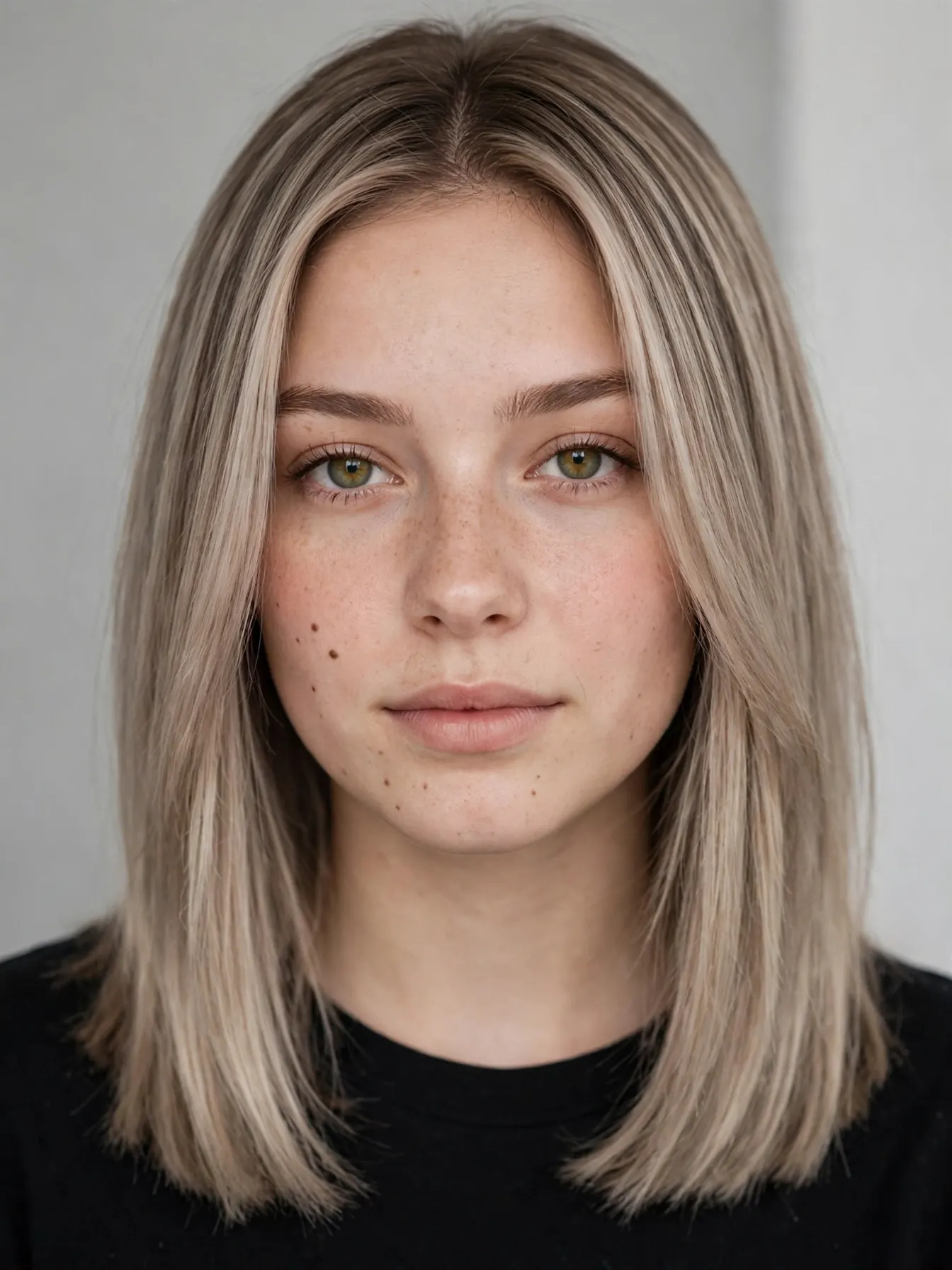
Glacier blonde is icy blonde with a blue-toned reflect. It looks like glacier ice in sunlight. This is the boldest cool option on the list. It makes a strong statement on long, straight hair. The blue base counters brass well. That can mean slightly less upkeep than silver ash. It still needs sulfate-free care to hold the tone.
Best for: Fair skin with cool undertones, and wearers who want the iciest option.
Ask your stylist for: “Blue-based icy blonde, level 10, glacier reflect.”
22. Winter Sand
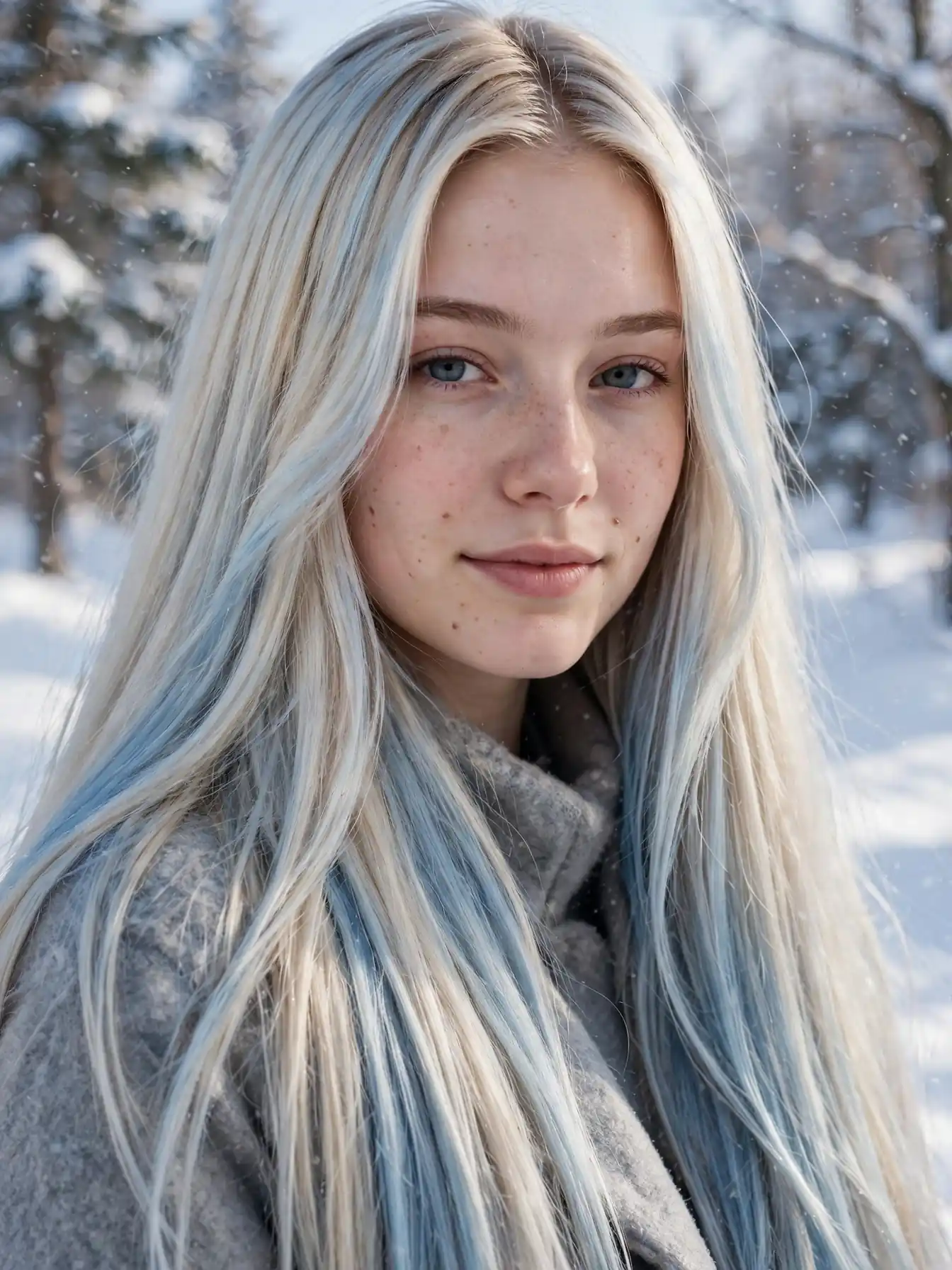
Winter sand is sandy blonde cooled down for the season. It keeps the natural feel of sand but removes the warmth. The result is soft and easy. It suits wavy and curly hair well. Texture breaks up the color and adds depth. This winter blonde hair color needs the least upkeep of the pale blondes. A clear gloss twice a year keeps it fresh.
Best for: Light to medium skin with neutral undertones, and textured hair.
Ask your stylist for: “Sandy blonde with the warmth removed, soft cool finish.”
How to Match Winter Blonde to Your Skin Tone
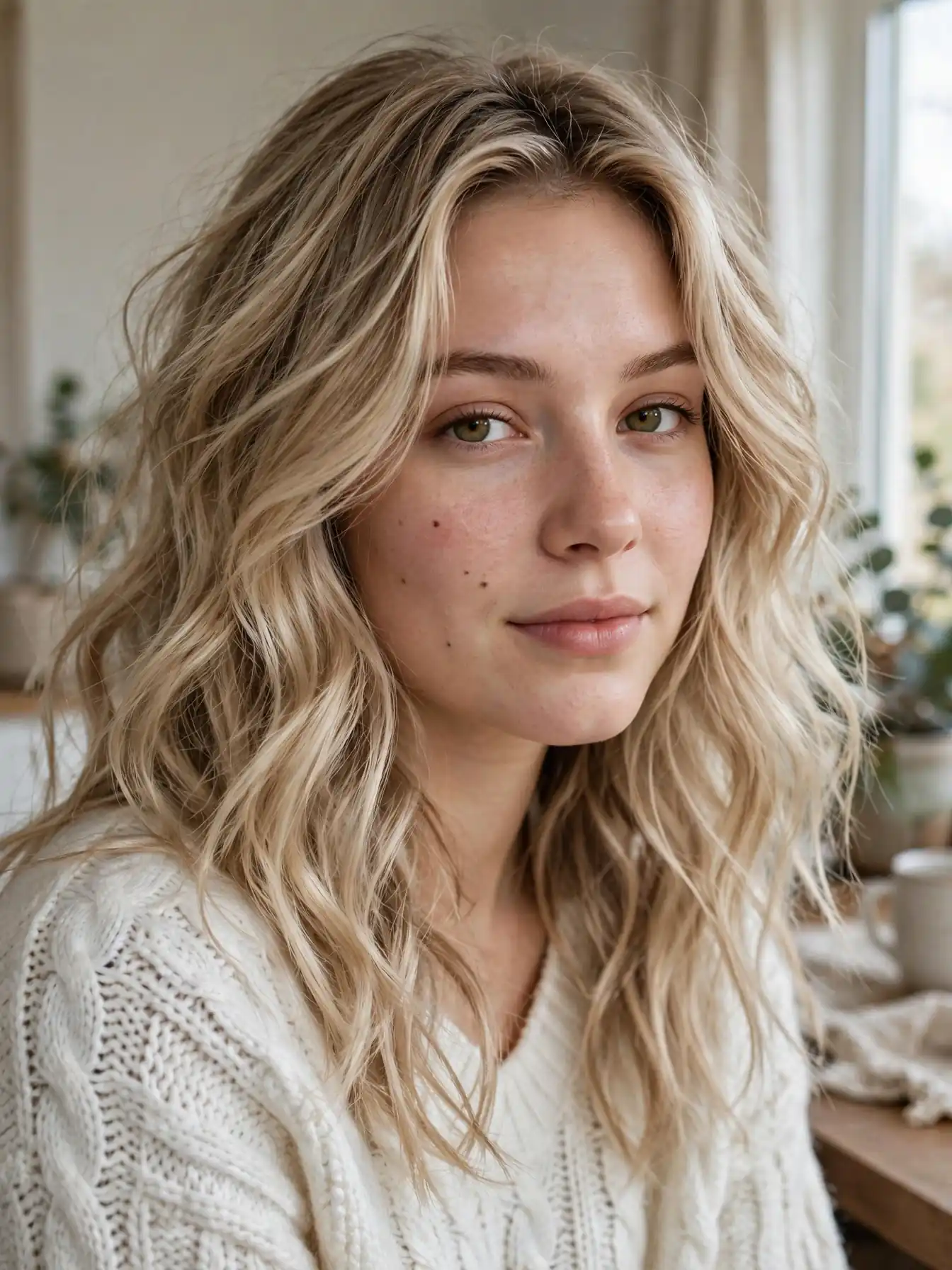
Start with your undertone, not your skin depth. Check the veins on your wrist. Blue or purple veins point to cool undertones. Green veins point to warm undertones. A mix of both means neutral. Cool undertones suit icy platinum, silver ash, pearl, and glacier blonde. Warm undertones suit champagne frost, cool honey, gilded frost, and winter wheat. Neutral undertones can wear almost everything on this list.
Depth matters too. Very fair skin can look washed out under stark white blonde. If that is you, keep some depth at the root. A frosted root melt or smoked ash adds contrast near the face. Medium skin handles both pale and deep winter blondes well. Deep skin looks striking with cool honey or champagne beige, which keep warmth in the right places.
When in doubt, bring photos to your appointment. Show your colorist the exact shade you want, plus one you do not. For help reading your undertone against cool seasonal shades, see our breakdown of ashy bronde melt hair color. The undertone logic carries straight into winter blonde hair color planning.
How to Keep Winter Blonde Bright All Season
Cold air and indoor heating dry out blonde fast. Dry hair turns dull, and dull blonde turns brassy. A simple routine keeps winter blonde hair color bright through March. Wash less often, and always with a sulfate-free shampoo made for color-treated hair. Water should be lukewarm, never hot. Hot water lifts the cuticle and lets toner escape.
Use purple shampoo once a week, not every wash. Stylists advise weekly use. Overuse dries the hair and can over-tone it gray (see the toning guidance at Who What Wear). Leave it on for 3 to 5 minutes, then follow with a deep mask. Alternate with a hydrating shampoo on other wash days. Once a week, apply a deep conditioning mask with argan oil or shea butter. Sleep on a silk pillowcase to cut friction and breakage.
Cut back on heat styling through winter. When you do use heat, apply a heat protectant first. Cover hair with a silk-lined hat or scarf on windy days. Book a toning gloss every 6 to 8 weeks to refresh cool reflects. That single appointment does more for brightness than any home product.
Winter Blonde Hair Color FAQs
Short answers to the most common questions about winter blonde hair color.
Is winter blonde hair color hard to maintain?
Pale shades like platinum need salon visits every 4 to 6 weeks. Root melts and balayage stretch to 10 weeks or more. Pick your shade by your maintenance budget, not just the photo.
Will blonde make me look washed out in winter?
It can if the shade is too stark for your skin. Keep depth at the root or choose a softer tone like champagne frost. Contrast near the face keeps winter blonde flattering.
How often should I use purple shampoo in winter?
Once a week is enough for most blondes. Winter air already dries hair, and purple shampoo can add to that. Alternate with a hydrating shampoo and always follow with conditioner.
Can I go winter blonde if I have dark hair?
Yes, but plan for more than one session. Lifting dark hair to pale blonde takes time. A colorist may start you at smoked ash or a root melt, then go lighter at the next visit.
What is the difference between icy blonde and ash blonde?
Icy blonde is paler and brighter, near white. Ash blonde is deeper with gray-beige tones. Icy suits bold, high-maintenance wear. Ash suits softer, lower-maintenance wear.
How do I stop my blonde from turning brassy in winter?
Use purple shampoo weekly and a toning gloss every 6 to 8 weeks. Wash with lukewarm water and a sulfate-free shampoo. Limit heat styling, which speeds up brassiness.
Final Thoughts
Winter blonde hair color rewards planning more than bravery. Match the shade to your undertone, be honest about maintenance, and protect the tone from dry winter air. The right winter blonde hair color will carry you from the first frost to spring without fading. Save your top three shades from this list and show them at your next salon visit.